


Yogyakarta is not only rich in culture and history, but also in traditional culinary delights that tell stories beyond their delicious flavors. From the sweet and tender ‘Gudeg’ to the uniquely skewered ‘Sate Klathak’, each dish carries its own cultural essence and local wisdom. It’s no wonder the city is considered a paradise for traditional food lovers.
Table of Contents
Some of these dishes are so iconic that they’ve gained recognition far beyond Indonesia. So, if you’re planning a trip to Yogyakarta, don’t miss the chance to taste these seven traditional foods that capture the spirit of Javanese heritage.
1. Gudeg
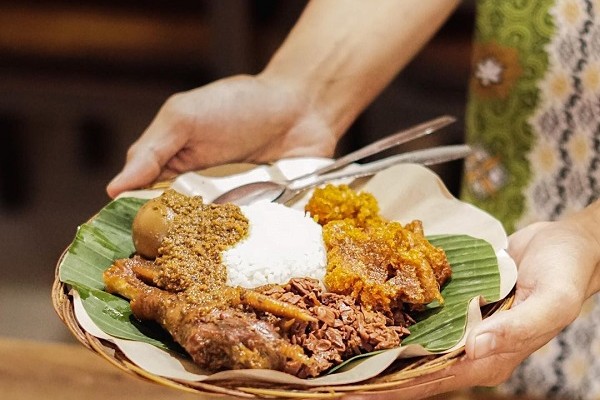
Gudeg is perhaps Yogyakarta’s most iconic traditional dish. Made from young jackfruit stewed in coconut milk, palm sugar, and a blend of spices like shallots, garlic, candlenut, and bay leaves, this dish is known for its naturally sweet flavor and reddish-brown color, derived from teak leaves used in the cooking process.
Cooking gudeg takes hours, reflecting the Javanese values of patience and perseverance. Historically, it dates back to the Mataram Sultanate era in the 15th century, with some stories suggesting it was developed as a nutritious, long-lasting meal during wartime.
Today, gudeg is typically served with rice, spicy buffalo skin stew (krecek), chicken in coconut milk (opor), hard-boiled eggs, and sweet marinated tofu or tempeh. It’s widely available in traditional food stalls, gift packs, and even canned for tourists to take home.
2. Jadah Tempe
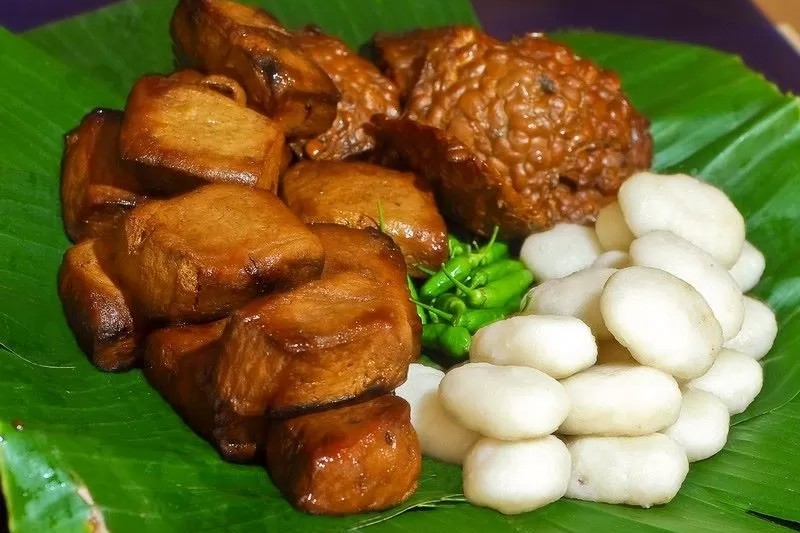
Originating from Kaliurang, Jadah Tempe is a flavorful dish that combines sticky rice (Jadah) with sweet, marinated tempeh. The sticky rice is seasoned with coconut milk to give it a savory, rich flavor, while the Tempe Bacem is slow-cooked in palm sugar and spices until it absorbs the sweetness and becomes tender.
This meal was popularized by Mbah Carik, the founder of Jadah Tempe Mbah Carik, who was once served to Sultan Hamengkubuwono IX. Traditionally, it served as a hearty breakfast for farmers and mountain climbers, practical, filling, and flavorful. Nowadays, Jadah Tempe has become a local culinary icon and a must-try for visitors to Kaliurang
3. Bakpia (Bakpia Pathok)
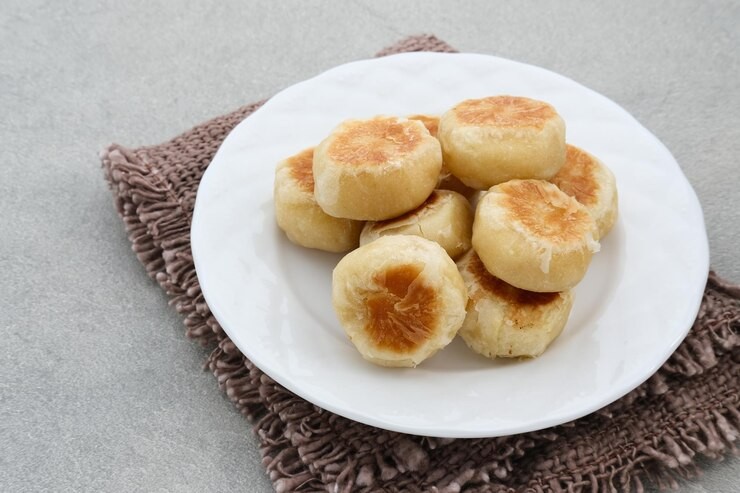
Bakpia is a small, round pastry filled with sweet mung bean paste, and it has become one of Yogyakarta’s most beloved souvenirs. Originally introduced by Chinese immigrants in the early 20th century as Tou Luk Pia, the recipe evolved to suit local tastes and ingredients.
Bakpia features a thin, slightly chewy skin and a soft filling of mashed mung beans. Nowadays, a variety of flavors such as chocolate, cheese, durian, and cappuccino are available. The center of production is in the Pathok area, hence the name Bakpia Pathok. Since the 1980s, it has become a symbol of Yogyakarta’s culinary scene.
4. Sate Klathak
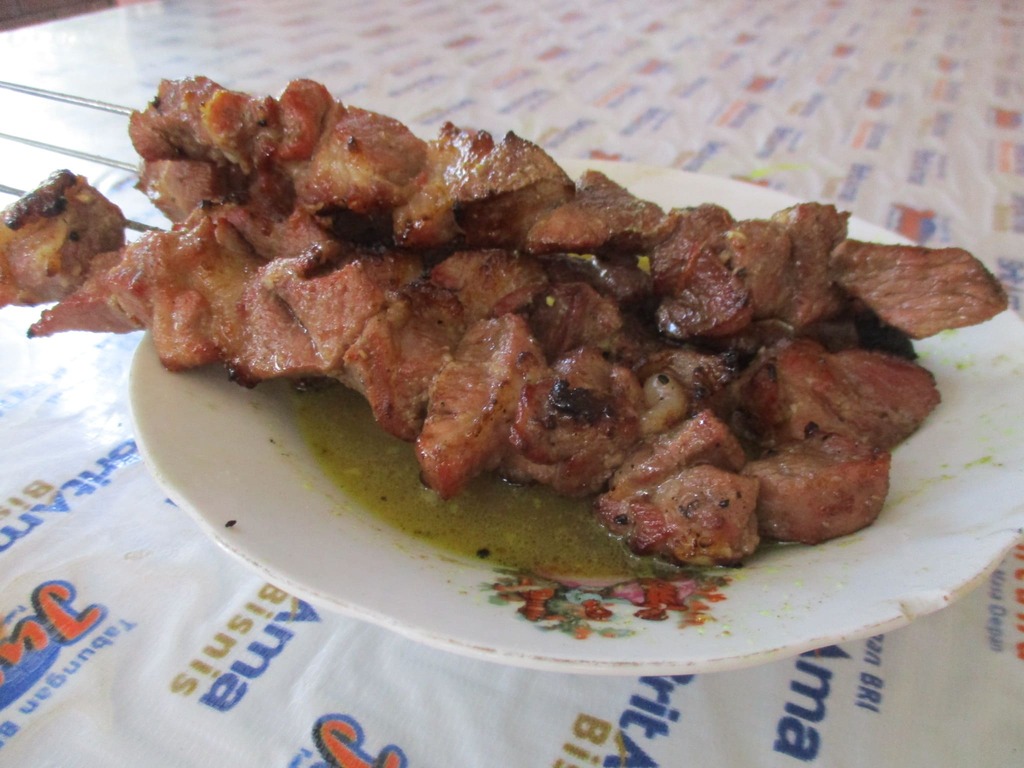
Sate Klathak breaks the norm when it comes to traditional Indonesian satay. Made from young goat meat, it’s uniquely skewered with iron rods instead of bamboo sticks, allowing for more even heat distribution. Unlike most satays, it’s only seasoned with salt and pepper, letting the natural flavor of the meat shine through.
Originating from Pleret in Bantul Regency, sate klathak rose to fame in the 1980s through legendary warungs such as Pak Pong and Pak Bari, the latter even featured in the film Ada Apa Dengan Cinta 2. This minimalist yet flavorful dish is typically served with warm gulai soup and rice, making it a beloved nighttime meal in Yogyakarta.
5. Lupis
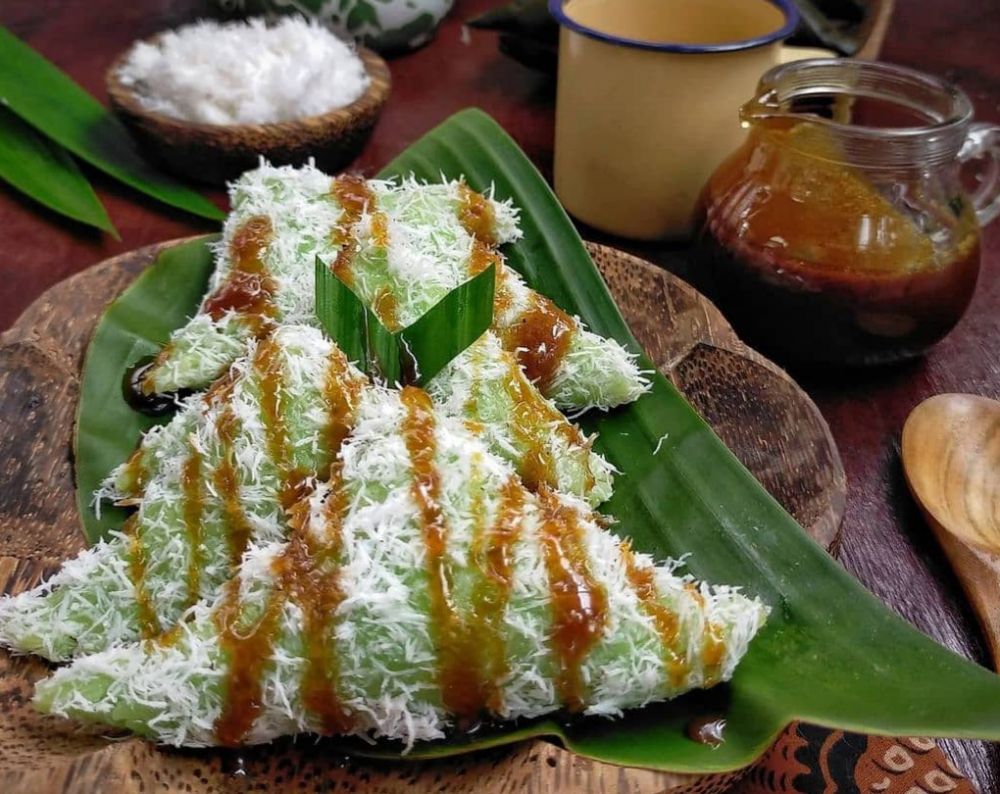
Lupis is a traditional sticky rice cake often found in local markets, usually enjoyed in the morning or as a snack. Shaped like a triangle or cylinder and wrapped in banana leaves, it is steamed and then topped with freshly grated coconut and thick palm sugar syrup. The texture is soft and chewy, with a delightful balance of sweet and savory flavors.
One of the most famous lupis vendors is Mbah Satinem, who has been selling lupis since 1963. Her humble stall near Malioboro gained international fame after being featured in Netflix’s Street Food: Asia. Today, her legendary lupis draws food lovers from around the world, making it more than just a snack, it’s a cultural treasure.
6. Wedang Sendang Ayu
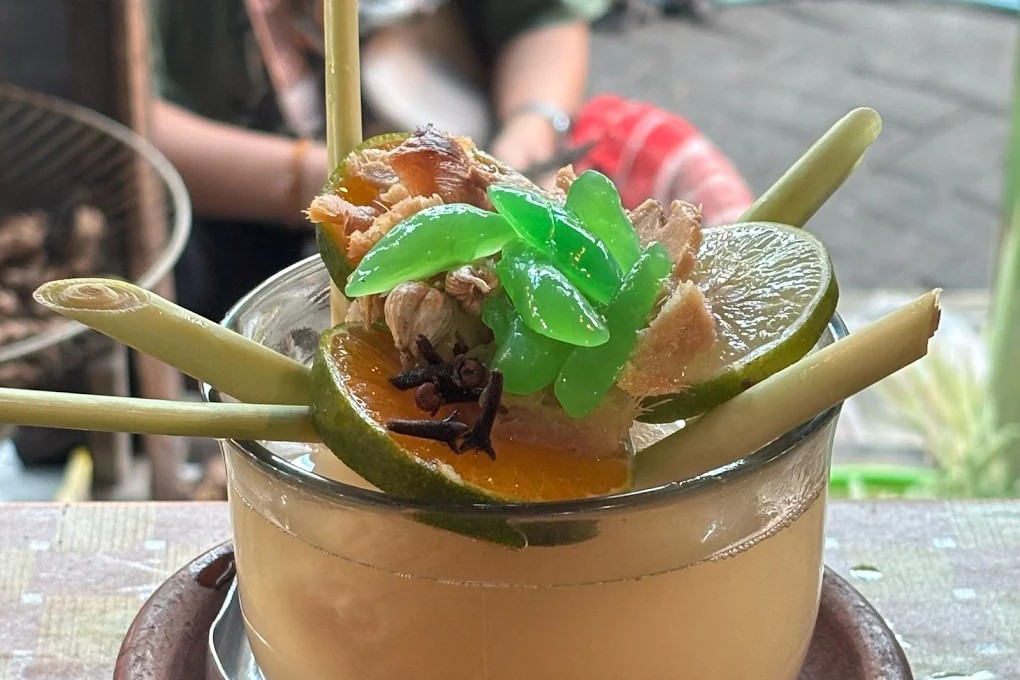
More than just food, Yogyakarta also offers traditional herbal drinks like Wedang Sendang Ayu. This warm beverage is made from a blend of aromatic spices such as ginger, lemongrass, cardamom, cloves, cinnamon, and enhanced with lime and sugar palm fruit. It’s both refreshing and soothing, perfect for cooler days or when you need a health boost.
The name translates to “beautiful spring water,” reflecting its natural ingredients and healthful qualities. It gained popularity in 2023 thanks to social media exposure and its rising presence at Pasar Ngasem. With its colorful appearance and rich aroma, it has quickly become a new favorite among tourists and wellness enthusiasts alike.
7. Brongkos
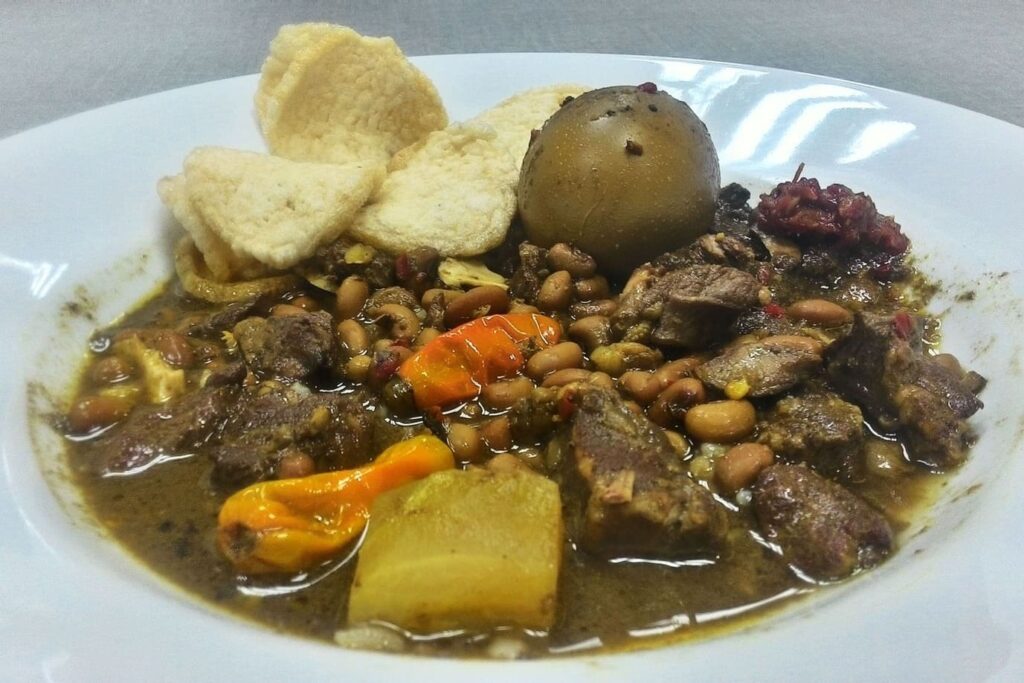
To wrap up your culinary journey, don’t miss brongkos, a hearty and flavorful stew that resembles a richer version of semur (Indonesian braised meat). Its dark, savory broth comes from keluwek (black nuts), giving the dish a deep umami taste. It typically includes beef, red beans or kacang tolo, tofu, and hard-boiled eggs.
The word “brongkos” is believed to have originated from a localized pronunciation of the Dutch phrase brown horst, referring to the dish’s dark color and braising technique. This culinary fusion of Javanese and colonial heritage makes brongkos a flavorful dish steeped in history. Served with rice, it’s both satisfying and culturally rich.Yogyakarta’s culinary scene is a vibrant expression of its people, culture, and history. Each traditional dish, from gudeg to brongkos, offers a story, a taste of the past, and a sense of place. Whether you’re here for the heritage or the flavors, trying these foods is a delicious way to experience the heart of Java.