

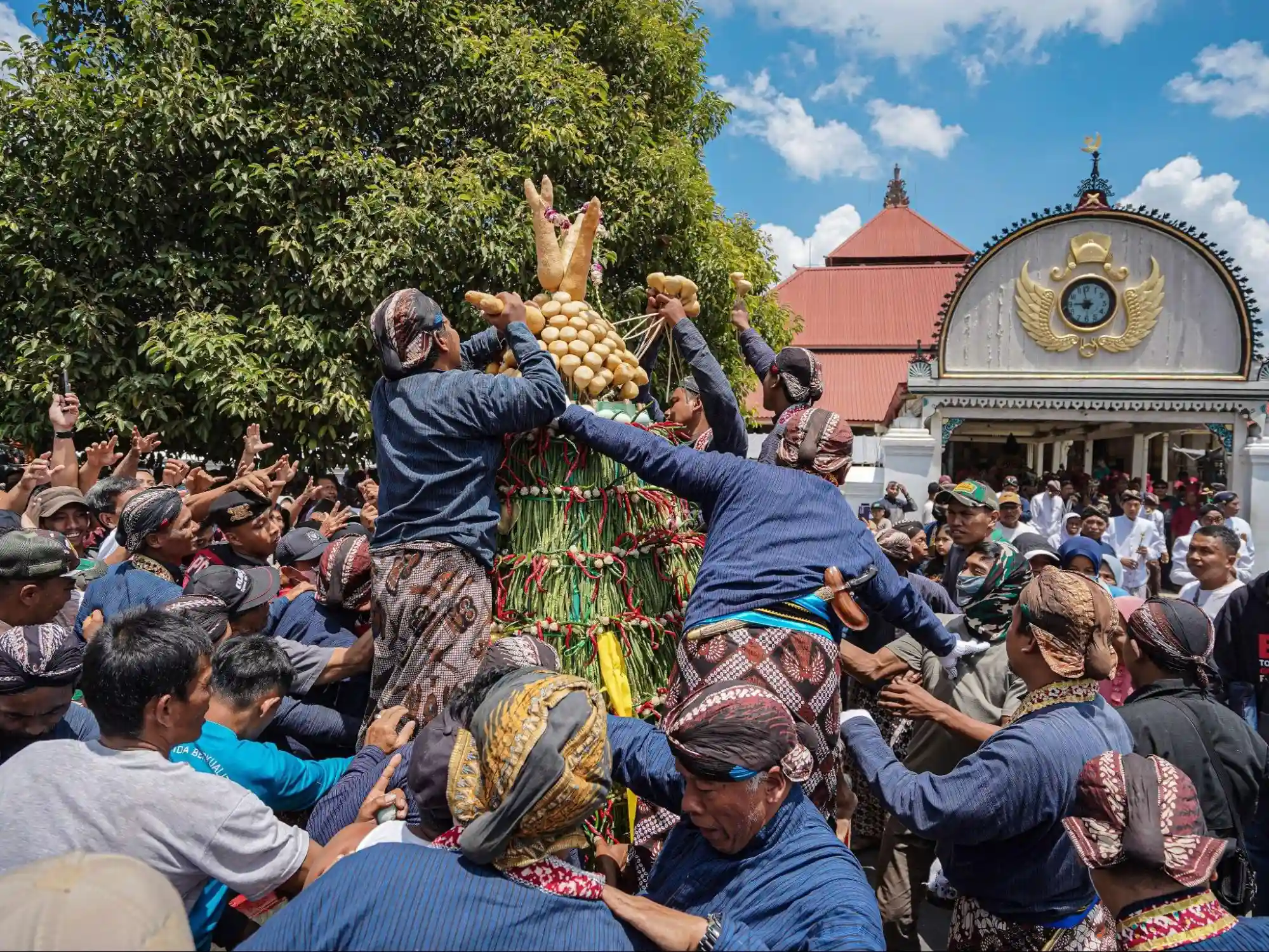
In the heart of Kraton Yogyakarta, or Keraton Ngayogyakarta Hadiningrat, the tradition of Abdi Dalem lives on. These dedicated courtiers serve the Sultan and help preserve Javanese cultural heritage today.
Table of Contents
Abdi Dalem has been part of the Keraton since the reign of Sri Sultan Hamengkubuwono I in 1755. Their role continues today, though it has changed over time, and visitors can see what it means to serve in Yogyakarta’s royal palace.
Abdi Dalem, A Symbol of Eternal Loyalty
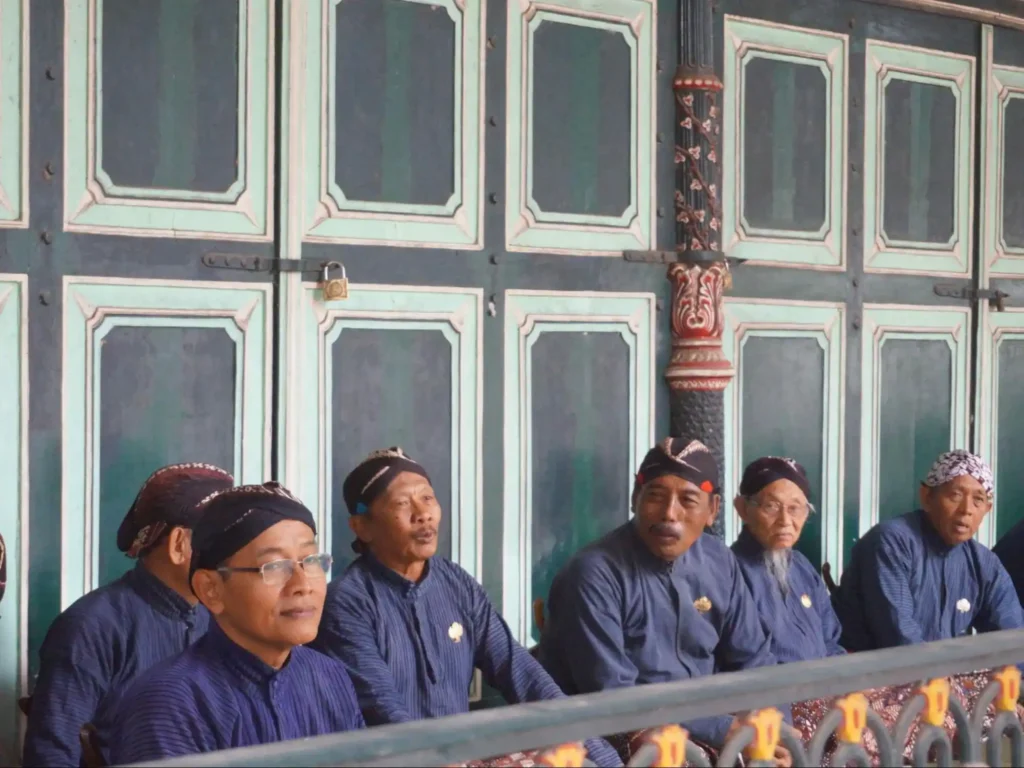
Being an Abdi Dalem means showing loyalty, humility, and devotion to the Sultan and Javanese cultural values. In the past, these courtiers were seen as part of the royal family, called “anak” or children of the palace. That’s why their clothing and status are called Peranakan.
All Abdi Dalem wear the same clothes, no matter their social class. Women do not wear shoes or jewelry, which shows equality and a focus on service instead of status. During ceremonies, Abdi Dalem assists with processions, prepares offerings, carries sacred objects, and ensures traditions are followed.
The Categories of Abdi Dalem
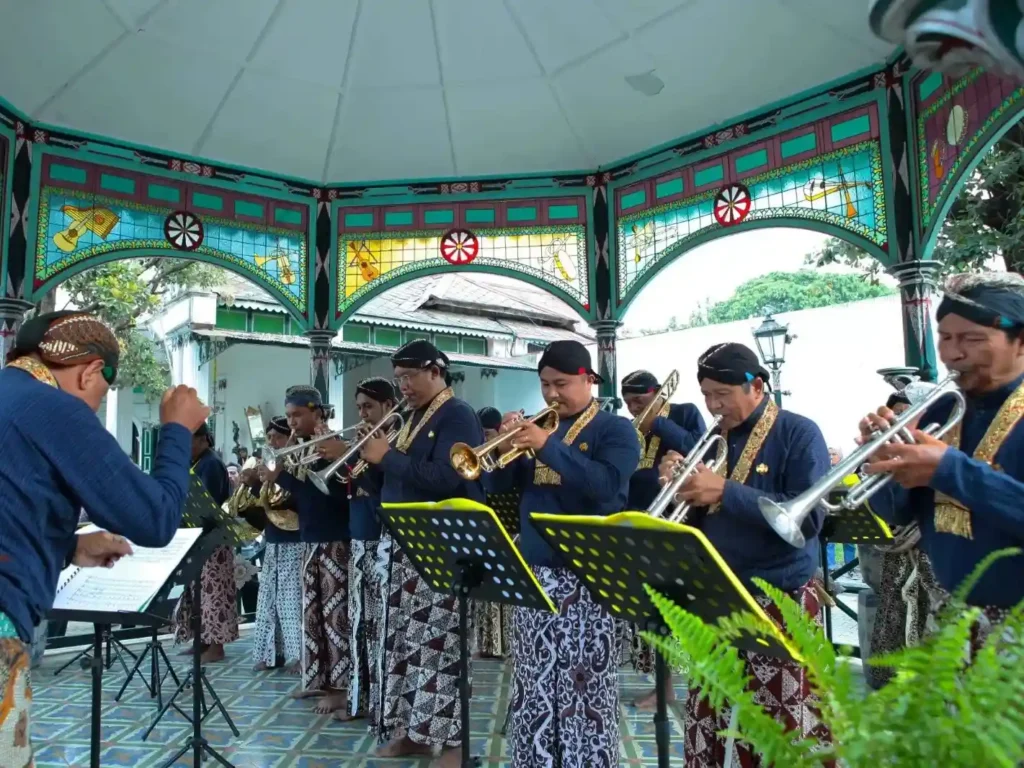
As the palace has changed and fewer large rituals take place, the tasks of Abdi Dalem have changed as well. Now, they get training in arts, culture, and professional skills to prepare for their roles. There are several types of Abdi Dalem in the palace, and each has its own duties and schedule:
- Punakawan Tepas are Abdi Dalem who come to the palace every day to oversee daily operations and ceremonies.
- Punakawan Caos are Abdi Dalem, who come only occasionally, such as once every ten days, to show their loyalty rather than serve every day.
- Keprajan are Abdi Dalem, who have worked in government or the military, or are retired civil servants, and now volunteer their services in the palace.
New Abdi Dalem undergo a two-year apprenticeship called “magang,” during which their dedication and behavior are evaluated. After that, they are officially inaugurated twice a year. As they move up, Abdi Dalem can earn titles like Jajar, Bekel, Lurah, Penewu, Wedono, and eventually Bupati.
Daily Life of Abdi Dalem

On a typical day, an Abdi Dalem might start early by preparing palace spaces, setting up for rituals, cleaning sacred rooms, welcoming guests, and helping with cultural performances. They also look after the palace’s spiritual side by caring for relics, helping with burials or purification rituals, and keeping traditions alive.
Today, many Abdi Dalem also join cultural education and training. They learn modern skills while keeping old traditions. Their guiding philosophy is called watak satriya, which focuses on:
- Nyawiji, total surrender and service to the divine
- Greget, full wholeheartedness in devotion
- Sengguh, self-confidence in carrying out duty
- Ora mingkuh, not shrinking from challenges
Over time, Abdi Dalem has become more modern. Many now have higher education, and their tasks can include computer or accounting work, as well as traditional duties.
The story of the Abdi Dalem is one of lasting dedication. They are more than palace workers; they are keepers of tradition, symbols of cultural continuity, and represent the palace’s honor. If you visit the Kraton, look for the devoted men and women in Peranakan clothing. They are at the heart of Yogyakarta’s royal legacy.
To learn more about the Yogyakarta Palace, visit kratonjogja.id or follow @kratonjogja on Instagram