

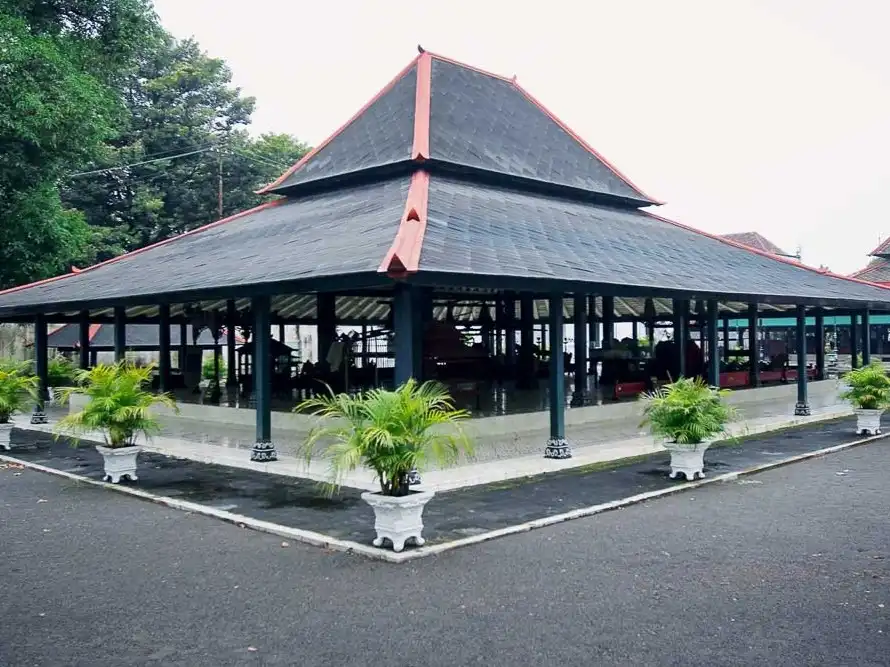
Yogyakarta is well-known as the heart of Javanese culture, and one of its most important landmarks is Keraton Yogyakarta. This majestic royal palace is not only the home of the royal family but also a living museum that reflects the soul of the city. The Keraton is a place where tradition, history, and daily life blend. If you’re planning a trip to Yogyakarta, visiting the Keraton is a must to understand the deep cultural roots of the region.
Table of Contents
History of Keraton Yogyakarta
Keraton Yogyakarta was built in 1755 after the signing of the Giyanti Agreement (Perjanjian Giyanti), which divided the Mataram Kingdom into two: Surakarta and Yogyakarta. The palace was established by Sri Sultan Hamengkubuwono I, who was not only a ruler but also a brilliant architect. He designed the palace based on Javanese philosophy and cosmology.
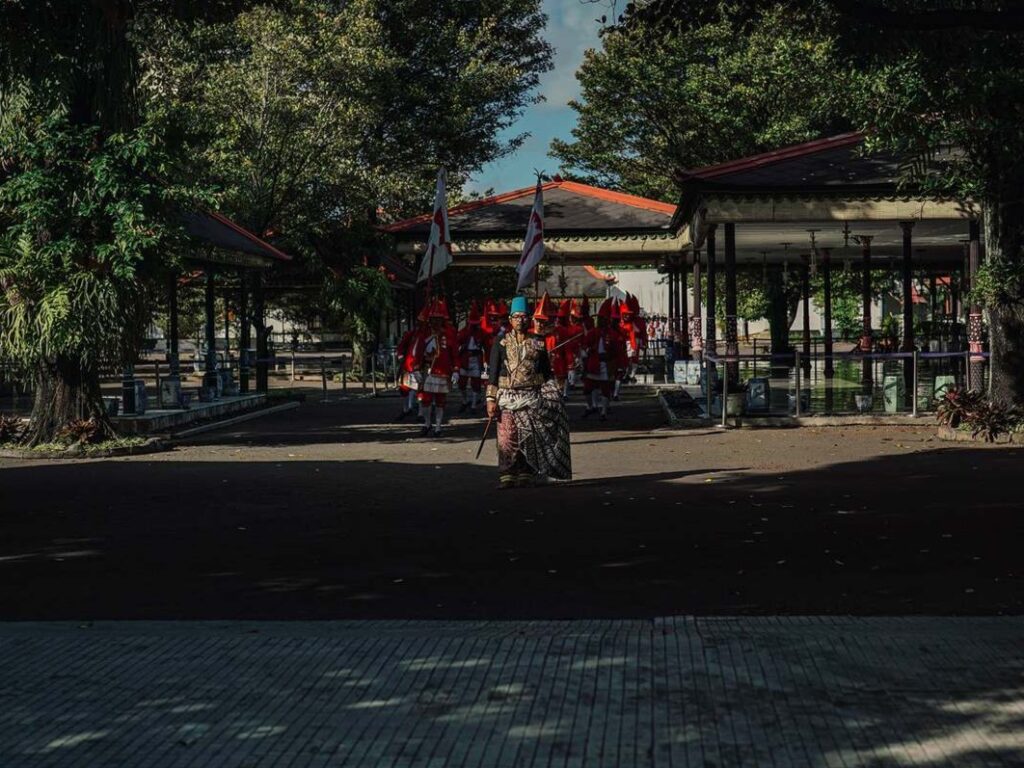
Every part of the Keraton reflects deep symbolic meaning. The Abdi Dalem, or royal servants, still carry out traditional tasks inside the palace today, wearing traditional uniforms and speaking in refined Javanese language.
One special tradition practiced in the palace is Patehan, a ceremonial tea offering. It uses special tools like the Rampadan, a circular tray with teapots and cups, prepared for the Sultan or special guests. This simple but elegant ritual shows respect and hospitality, and it’s still performed today during certain royal events.
Over the centuries, the Keraton has experienced changes due to colonization, modernization, and natural disasters. However, it still functions as a center of culture and tradition, preserving Javanese identity in modern times.
Things to Do at Keraton Yogyakarta
A visit to Keraton Yogyakarta offers more than just sightseeing. Inside the complex, you can explore several pavilions filled with royal heirlooms, batik collections, old photographs, and antique furniture.
Watch traditional Gamelan performances (traditional Javanese music ensemble), Wayang Kulit (shadow puppet shows), and Javanese traditional dance performances. These are usually held on specific days and times, so it’s good to check the schedule in advance on Keraton Yogyakarta’s official Instagram @kratonjogja.event. You can also meet and interact with the Abdi Dalem, who are often happy to share stories and explanations about the palace and its traditions.
There’s a calm and spiritual feeling when you walk through the open halls, gardens, and museums inside the Keraton. Everything, from the carvings on the walls to the sound of gamelan music, makes you feel like you’ve traveled back in time.
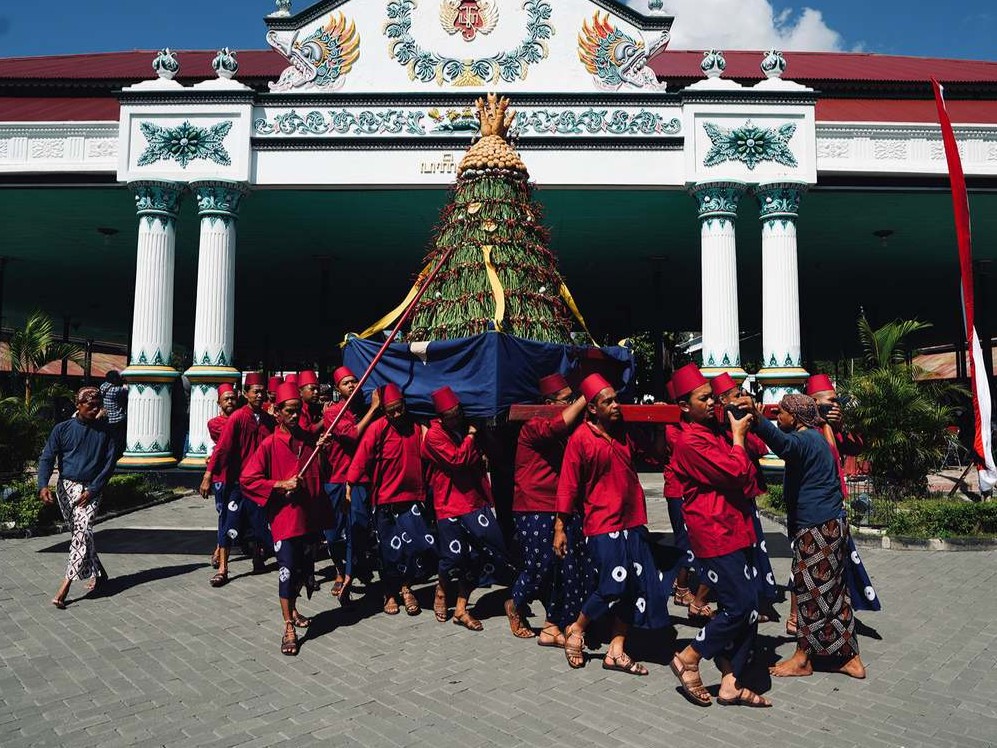
Cultural events are held regularly, especially during special Javanese calendar celebrations like Sekaten or Grebeg. These events bring the Keraton to life with lively processions, offerings, and ceremonies that are open for public viewing.
Entrance Ticket
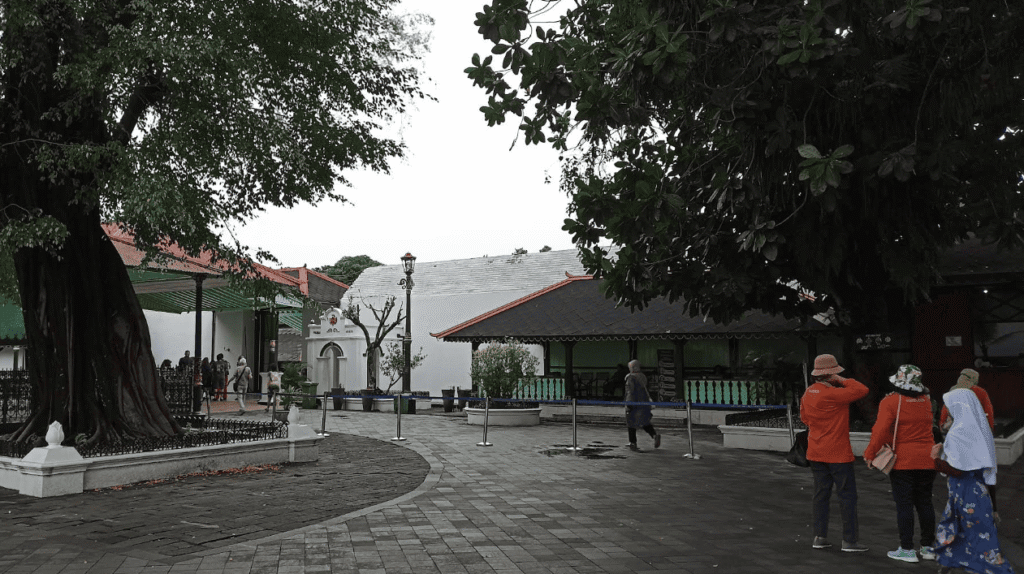
The Keraton is open daily from 8.30 AM to 2.30 PM. Tickets can be bought directly at the entrance gate. Make sure to come early to catch the cultural performances and avoid the afternoon heat. Here is the updated entrance fee for local and international tourists:
- Domestic Tourists: IDR 15,000
- Foreign Tourists: IDR 25,000
How to Get to Keraton Yogyakarta
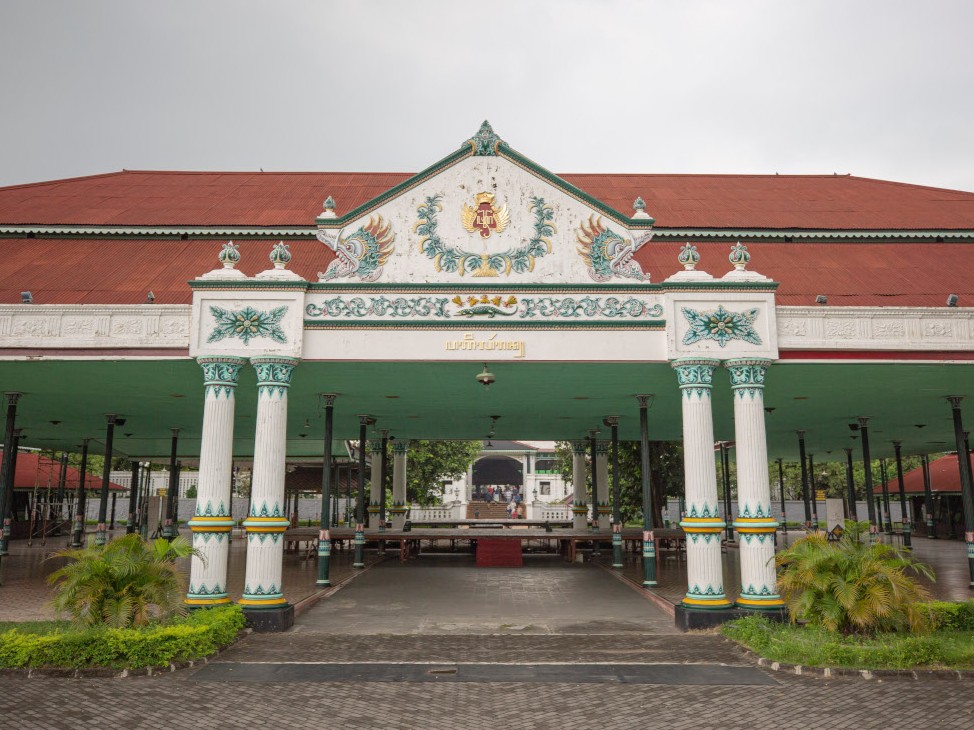
Keraton Yogyakarta is located in the heart of the city, inside the Kraton District. It’s easily reachable from Malioboro Street, one of the main tourist areas. From Malioboro, you can walk for about 15-20 minutes through Malioboro and Pangurakan.
You can also take a traditional Becak (pedicab) or Andong (horse cart) for a more cultural experience. If you’re coming from outside the city center, you can use Google Maps and set the destination to “Keraton Ngayogyakarta Hadiningrat”. There are limited parking spaces, so arriving early is recommended.
A visit to Keraton Yogyakarta is more than a tourist activity, it’s a cultural journey. With its rich history, meaningful traditions, and living royal heritage, the palace offers a unique experience that can’t be missed.