

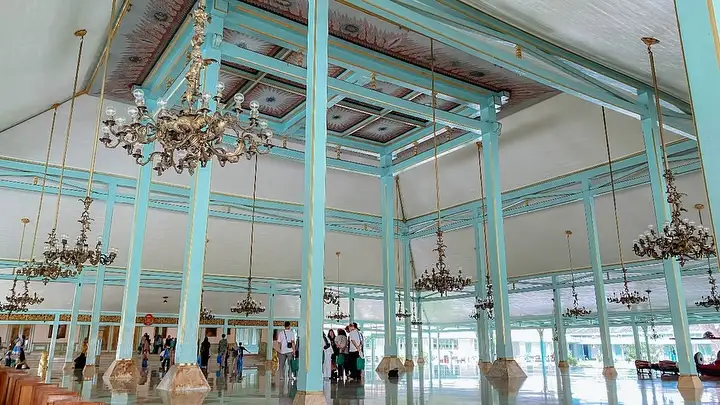
Pura Mangkunegaran is one of Solo’s key royal heritage sites. With its majestic architecture and grand spaces, it stands as a living cultural institution to understand Javanese court culture.
Table of Contents
Whether you’re a history enthusiast or a first-time visitor, it’s an excellent stop to include alongside other things to do in Surakarta, especially if you’re planning a heritage walk through the city.
What Is Pura Mangkunegaran?
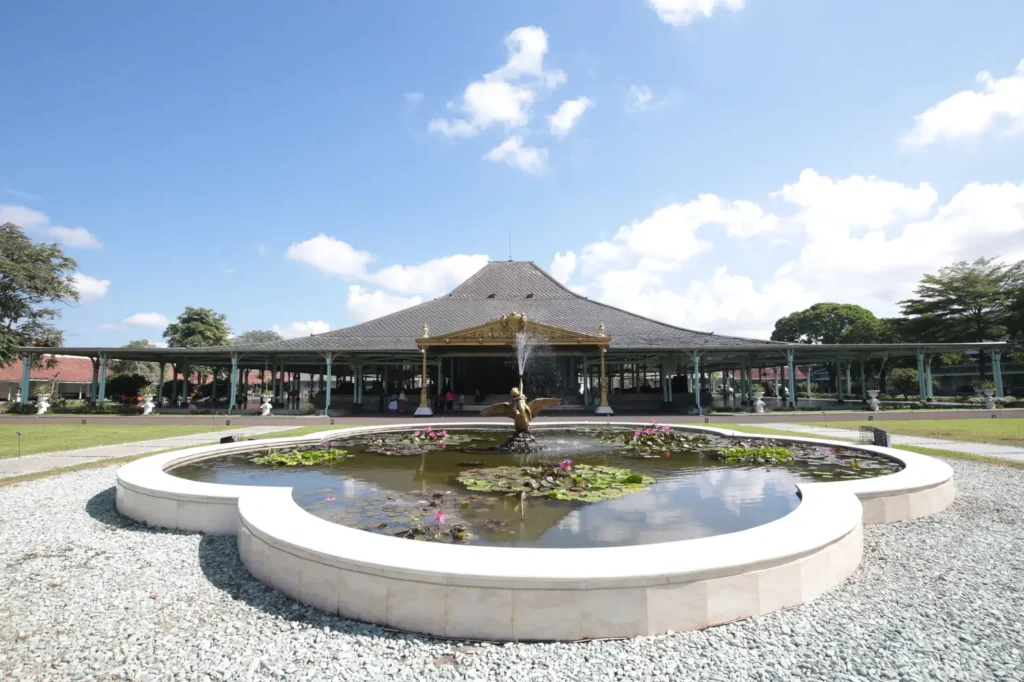
Pura Mangkunegaran is the royal palace of the Mangkunegaran Duchy in Surakarta, Central Java. Founded in 1757, it continues to serve as the official residence of the Mangkunegaran royal family and functions as a museum, cultural center, and heritage tourism destination. Throughout the year, the palace also hosts cultural performances, exhibitions, and traditional ceremonies that help preserve and promote Javanese heritage.
A Brief History of Pura Mangkunegaran
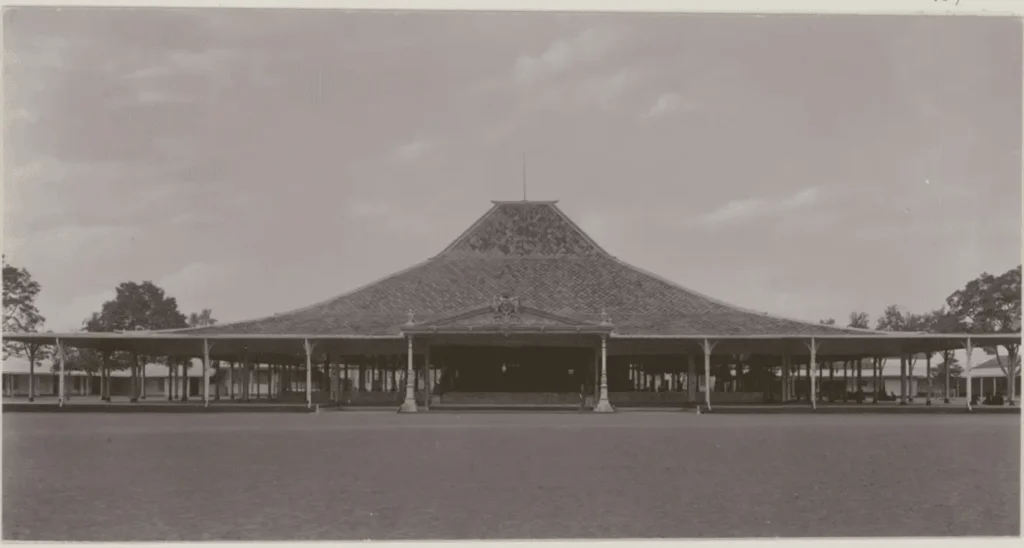
The story of Pura Mangkunegaran began in 1757, when Raden Mas Said, famously known as Pangeran Sambernyawa, established the Mangkunegaran Duchy following the Treaty of Salatiga. He later became Mangkunegara I, founding one of the most influential royal houses in Central Java.
Unlike the Kasunanan Surakarta “Keraton Solo“, Mangkunegaran developed as an autonomous Javanese principality with its own palace, administration, military, and cultural traditions. Over the centuries, the palace has played a significant role in preserving Javanese arts, literature, dance, music, and architecture.
What to See Inside Pura Mangkunegaran
Pendhapa Ageng
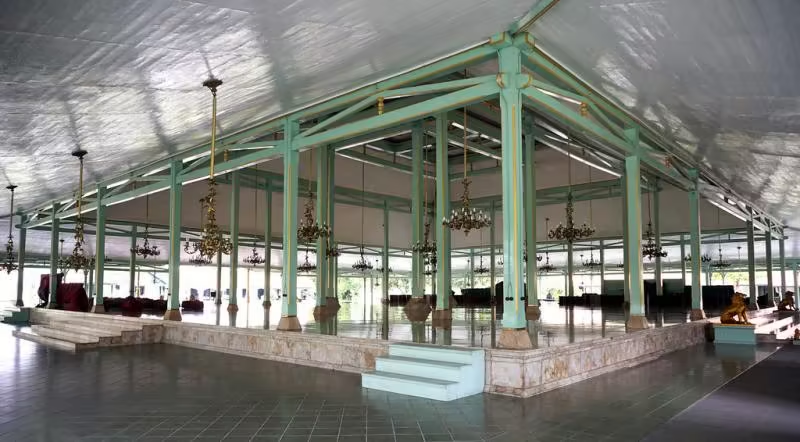
Inside Pura Mangkunegaran, Pendhapa Ageng stands as one of the palace’s most iconic landmarks. Its vast open-air design is supported by towering saka guru, showcasing the elegance and philosophy of traditional Javanese architecture. As the first major space visitors encounter upon entering the palace complex, it offers a memorable introduction to the grandeur and craftsmanship of the Mangkunegaran royal court.
Museum Mangkunegaran
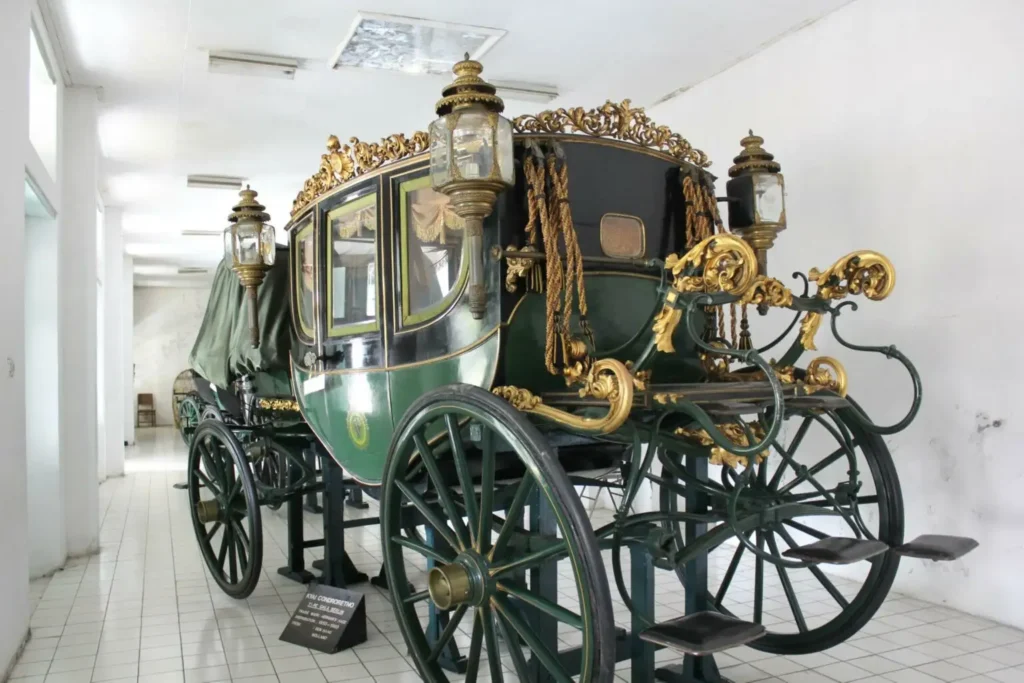
Beyond its architectural beauty, Pura Mangkunegaran is also home to the Museum Mangkunegaran, where visitors can delve deeper into the duchy’s rich history. The museum houses centuries-old royal heirlooms, historical photographs, traditional weapons, cultural artifacts, batik collections, and other treasures inherited from the Mangkunegaran royal family.
Perpustakaan Reksa Pustaka
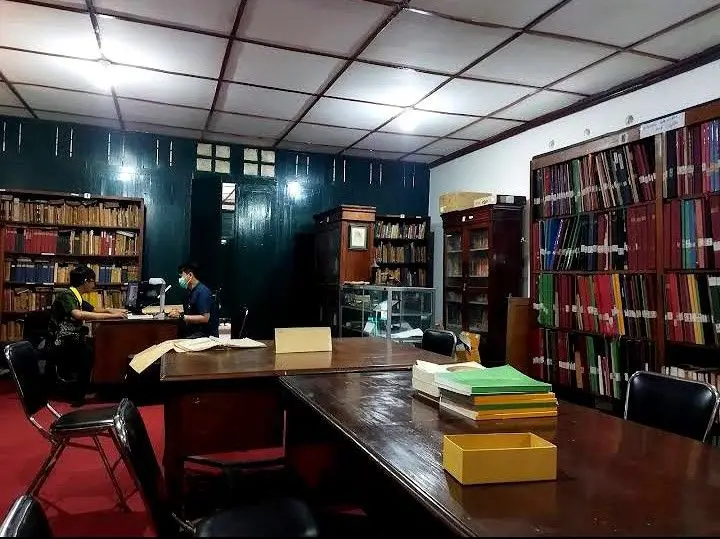
History enthusiasts will likely find Reksa Pustaka Library the most captivating part of the palace. Established in 1867, it is one of Indonesia’s oldest libraries and preserves an impressive collection of ancient manuscripts, rare books, historical documents, and literary works dating back to the Majapahit and Mataram eras.
The library is open Monday to Saturday from 9 AM to 2 PM, although visitors are encouraged to check the latest schedule through @reksapustaka before visiting.
Pringgitan & Dalem Ageng
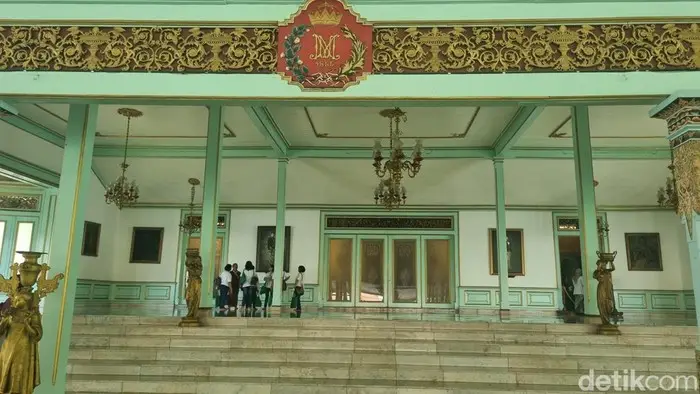
Located just north of Pendhapa Ageng, the Pringgitan traditionally served as a reception hall where the royal family welcomed noble guests and distinguished visitors. Further inside lies Dalem Ageng, the private residence of the Mangkunegaran rulers. While access to this area is restricted, visitors can view the interior from the entrance, where portraits of nearly all Mangkunegaran dukes are displayed.
Taman Pracima Tuin (Pracimoyoso)
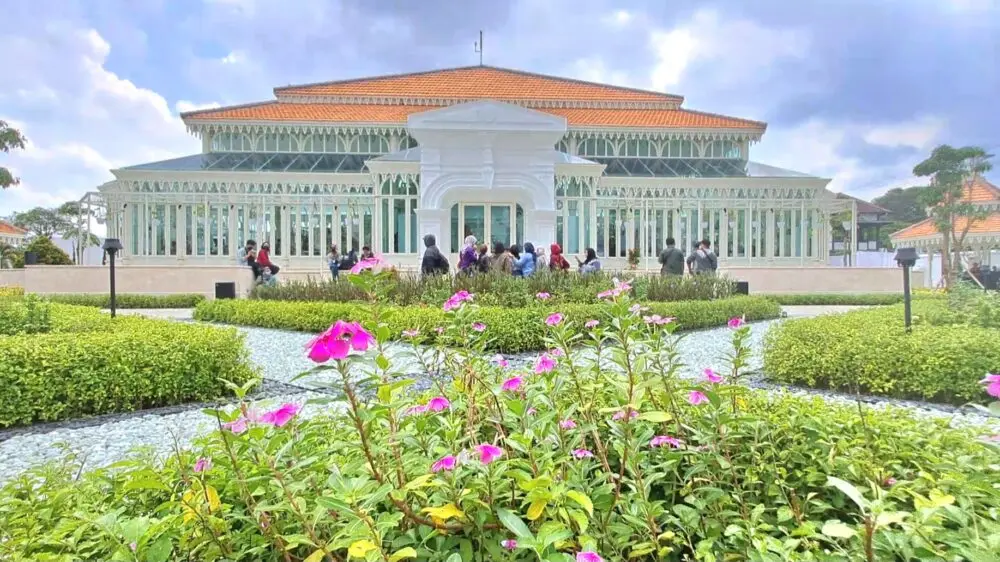
Nestled within the palace grounds, Taman Pracima Tuin is one of Pura Mangkunegaran’s most picturesque attractions. Designed during the reign of Mangkunegara VII, the garden originally served as a place for the royal family to relax and gather with friends and guests.
Following a careful revitalization, the beautifully landscaped space has become a popular destination for visitors to enjoy a peaceful stroll or dine at the renowned Pracima Tuin restaurant one of the best restaurants in Solo.
Pura Mangkunegaran Visitor Guide
Before visiting Pura Mangkunegaran, here is some practical information to know:
- Address: Jl. Ronggowarsito, Keprabon, Kec. Banjarsari, Kota Surakarta, Jawa Tengah 57131
- Entrance fee: Rp30,000 per visitor, payable via QRIS or EDC.
- Opening hours: Daily from 9 AM to 2.30 PM.
- Tour duration: Around one hour with a guided tour.
Dress code: Wear modest clothing. Visitors should not wear batik with parang or lereng motifs or velvet clothing. Shoes or sandals must be removed before entering Pendhapa Ageng and Pringgitan.
Photography: Photography is generally allowed, but tripods and monopods are prohibited inside the palace complex.
If you’re planning to spend more time exploring Solo’s heritage district, consider staying nearby to easily visit other historical attractions and local restaurants. For a curated recommendation, check out our guide to where to stay in Solo.
Pura Mangkunegaran vs Keraton Solo
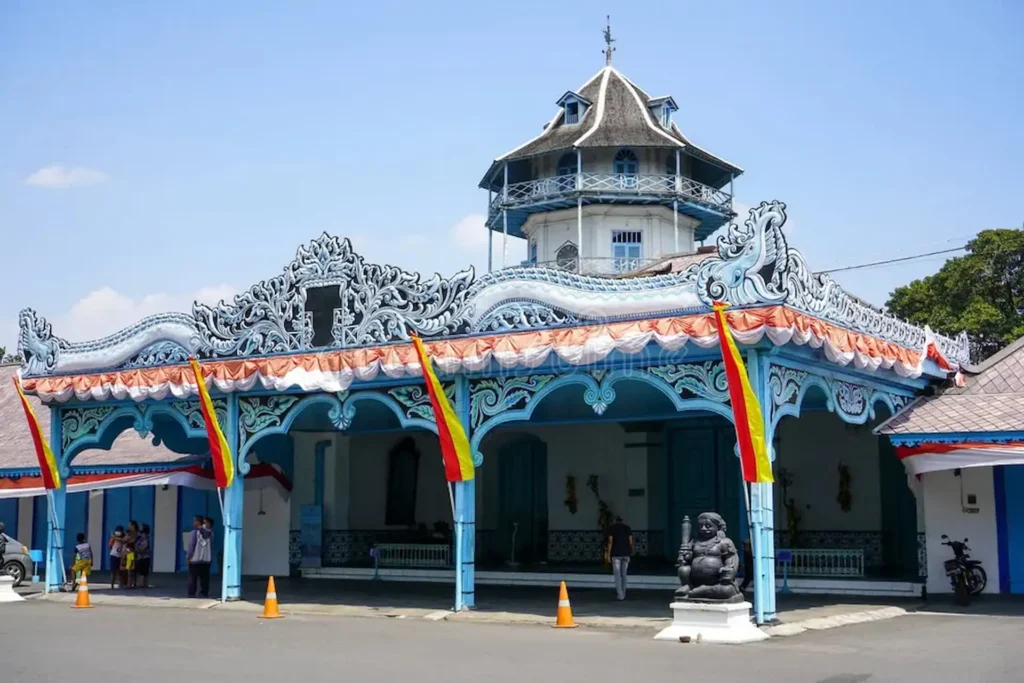
It’s a unique trait for Solo to have more than one royal institution. Even more appealing, both Pura Mangkunegaran and Keraton Solo beautifully represent Solo’s royal heritage, yet offering different visitor experiences.
Pura Mangkunegaran belongs to the Mangkunegaran Duchy and is known for its well-preserved architecture, beautifully maintained grounds, guided tours, and active cultural programs. The atmosphere feels intimate and polished.
Meanwhile, Keraton Solo (Kasunanan Surakarta) served as the seat of the Susuhunan of Surakarta and houses a broader collection of royal heirlooms and ceremonial traditions. Visitors interested in the larger history of the Mataram Kingdom may enjoy exploring both palaces to gain a more complete understanding of Solo’s royal legacy.
FAQ About Pura Mangkunegaran
How much is the entrance fee to Pura Mangkunegaran?
The current entrance fee is Rp30,000 per person, with payment accepted via QRIS or EDC.
What’s the difference between Pura Mangkunegaran and Keraton Solo?
Pura Mangkunegaran is the palace of the Mangkunegaran Duchy, while Keraton Solo is the palace of Kasunanan Surakarta. Each has its own royal lineage, architecture, collections, and visitor experience.
Is Pura Mangkunegaran closed on certain days?
According to the official visitor information, Pura Mangkunegaran is currently open every day from 9 AM to 2.30 PM
How long does a tour of Pura Mangkunegaran take?
Most guided tours take approximately one hour
Visiting Pura Mangkunegaran is one of the best ways to experience Solo’s royal legacy firsthand. Here, visitors can admire magnificent Javanese architecture, centuries-old royal collections, and beautifully preserved gardens that reflect the city’s rich cultural heritage.
To make the most of your heritage journey, pair your visit with Keraton Solo and other nearby attractions for a deeper appreciation of Surakarta’s royal past.