

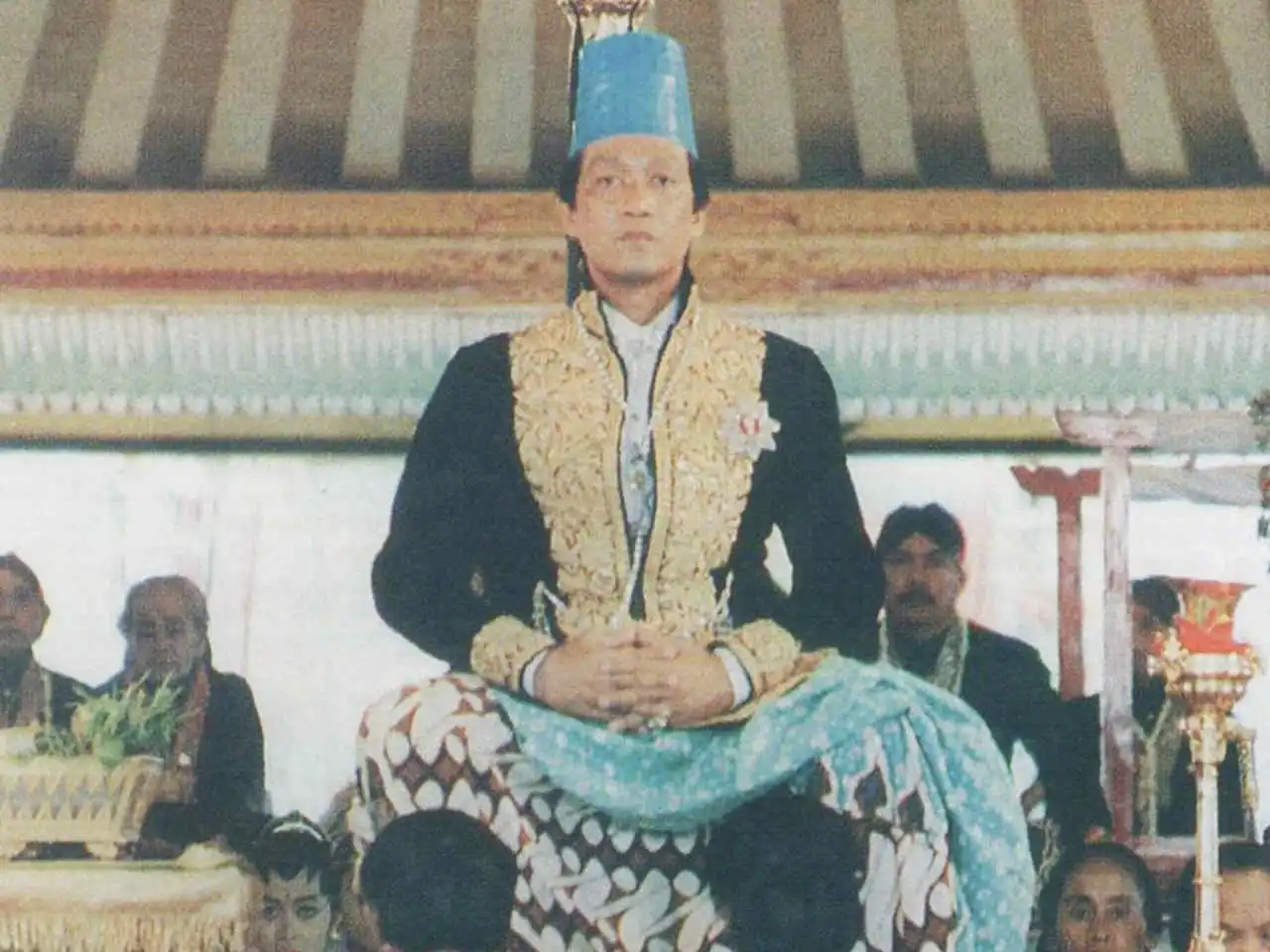
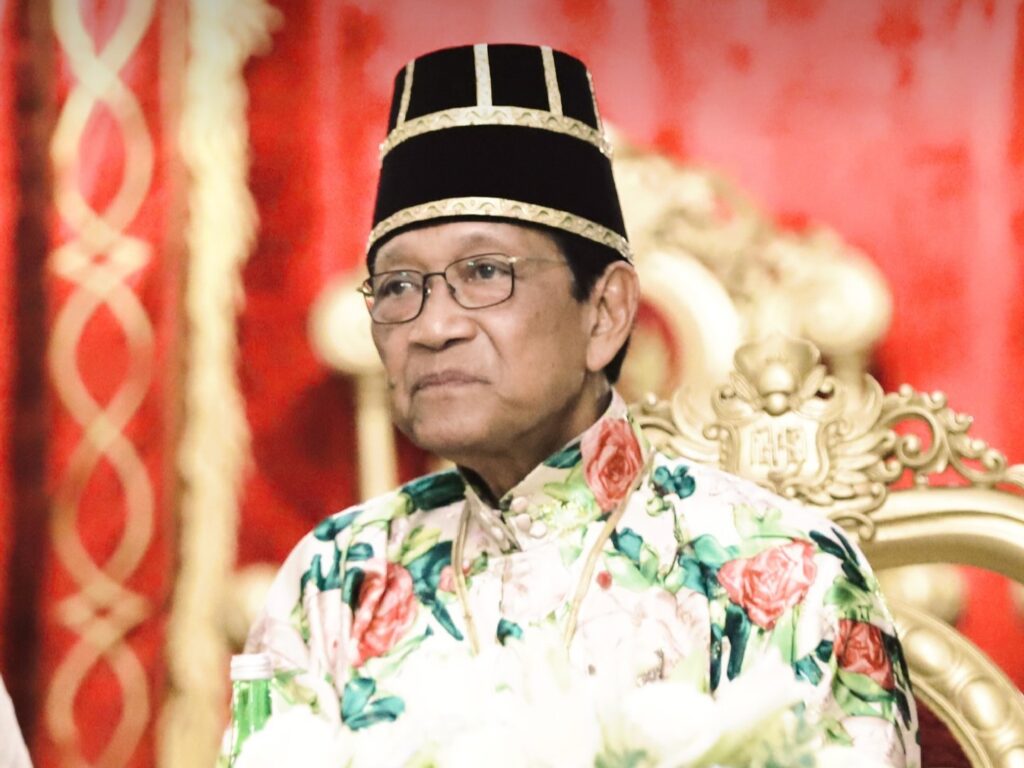
Yogyakarta’s lifeline is largely based on the Yogyakarta Sultanate’s historical lineage, and is the only provincial monarchy in Indonesia. The governor of Yogyakarta is also the sultan, Sri Sultan Hamengkubuwono X. The enduring existence of the monarchy in modern times has generated plenty of interest in the Yogyakarta Sultanate, a living metaphor of cultural history.
Table of Contents
Yogakarta Sultanate represents a deep connection between leadership, spiritualism, and the preservation of heritage. Its existence has shaped not only the city’s political history but also the values and daily lives of its people. Let’s take a closer look at the rich history, rulers, and ongoing relevance of this magnificent royal legacy.
History of The Yogyakarta Sultanate
The Yogyakarta Sultanate was formally recognized as a separate entity in 1755 under the terms of the Giyanti Agreement (Perjanjian Giyanti), which concluded the civil war in the Kingdom of Mataram between the Dutch East India Company (VOC) and Pangeran Mangkubumi.
The Giyanti Agreement, therefore, bifurcated the Kingdom of Mataram into two new living kingdoms: Surakarta and Yogyakarta. Pangeran Mangkubumi assumed the title of Sultan Hamengkubuwono I and then built the royal palace, Keraton Ngayogyakarta Hadiningrat, which remains the centre of the city.
This sultanate was not just a political move; it became a spiritual and cultural beacon. Yogyakarta’s Sultanate survived the Dutch period, Japanese occupation, and Indonesia’s road to independence. The Sultanate played a key role during Indonesia’s early years, especially under Sultan Hamengkubuwono IX, who supported the new Republic of Indonesia.
Sultan History of the Keraton Yogyakarta
Since 1755, the Yogyakarta Sultanate has been led by generations of sultans, each bringing a unique contribution to its legacy. The most well-known among them is Sultan Hamengkubuwono IX, who ruled from 1940 to 1988. He played a huge part in supporting Indonesia’s independence and served as Vice President under President Soeharto.
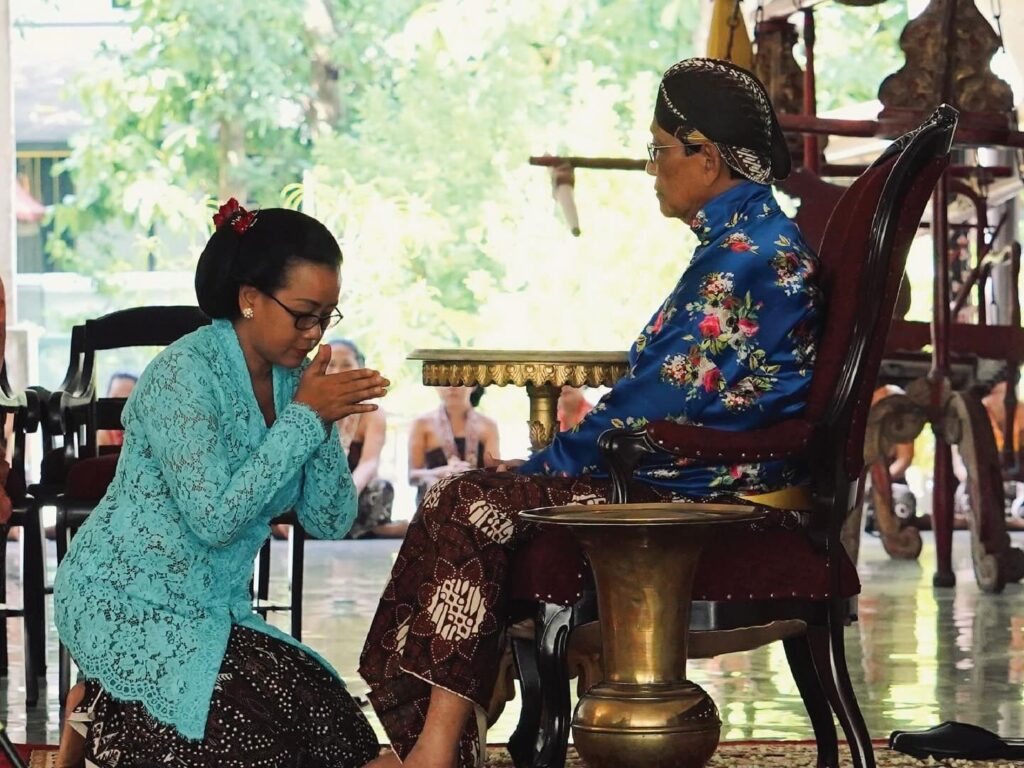
His successor, Hamengkubuwono X, is the current Sultan and continues to modernize the role. Though the position is rooted in monarchy, today’s Sultan acts more like a cultural guardian and ceremonial leader. Hamengkubuwono X has opened up the Keraton to the public, encouraged cultural tourism, and even made history by allowing women to have a voice in royal succession, something that had never been done before.
Keraton Yogyakarta Present
The Keraton Yogyakarta now remains the heart of cultural life in the city. It’s not just a building, it’s a symbol of Javanese philosophy and the balance between body, soul, and universe. Built with perfect alignment facing Mount Merapi to the north and the Indian Ocean to the south, the palace represents harmony between the human and the divine.
Every year, the Keraton holds sacred rituals such as Grebeg Maulud, Sekaten, and Tumpengan. These events are open to the public and serve as a reminder of the Sultanate’s deep spiritual roots. Ceremonial tools such as gunungan (cone-shaped offerings) are carried by royal guards (Abdi Dalem) and symbolize prosperity and gratitude to the Creator.
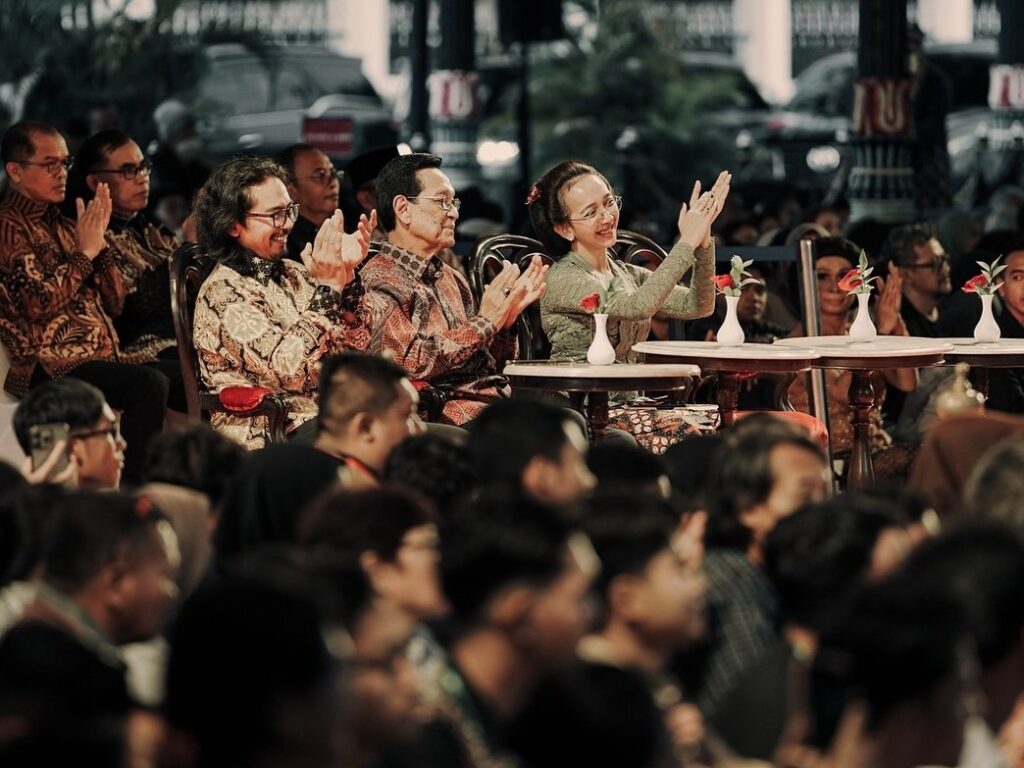
The interesting aspect is how these traditions have evolved dynamically in response to modern times. While they remain deeply sacred, the Sultanate has embraced digital documentation, tourism arrangements, and social media to educate younger generations. Tourists can now enjoy guided tours, cultural shows, and museum visits to learn about this royal legacy.
With its status as a Special Region in Indonesia, Yogyakarta enables the Sultan to also serve as the Governor, a unique combination of traditional and modern leadership. The Yogyakarta Sultanate is more than a royal institution, it is the beating heart of Yogyakarta’s soul. Visitors to the city are not just seeing historical places, they are witnessing living heritage.
To dive deeper into the culture, witness the ceremonies, and explore the palace grounds, make sure to include the Keraton in your Yogyakarta travel plans.