

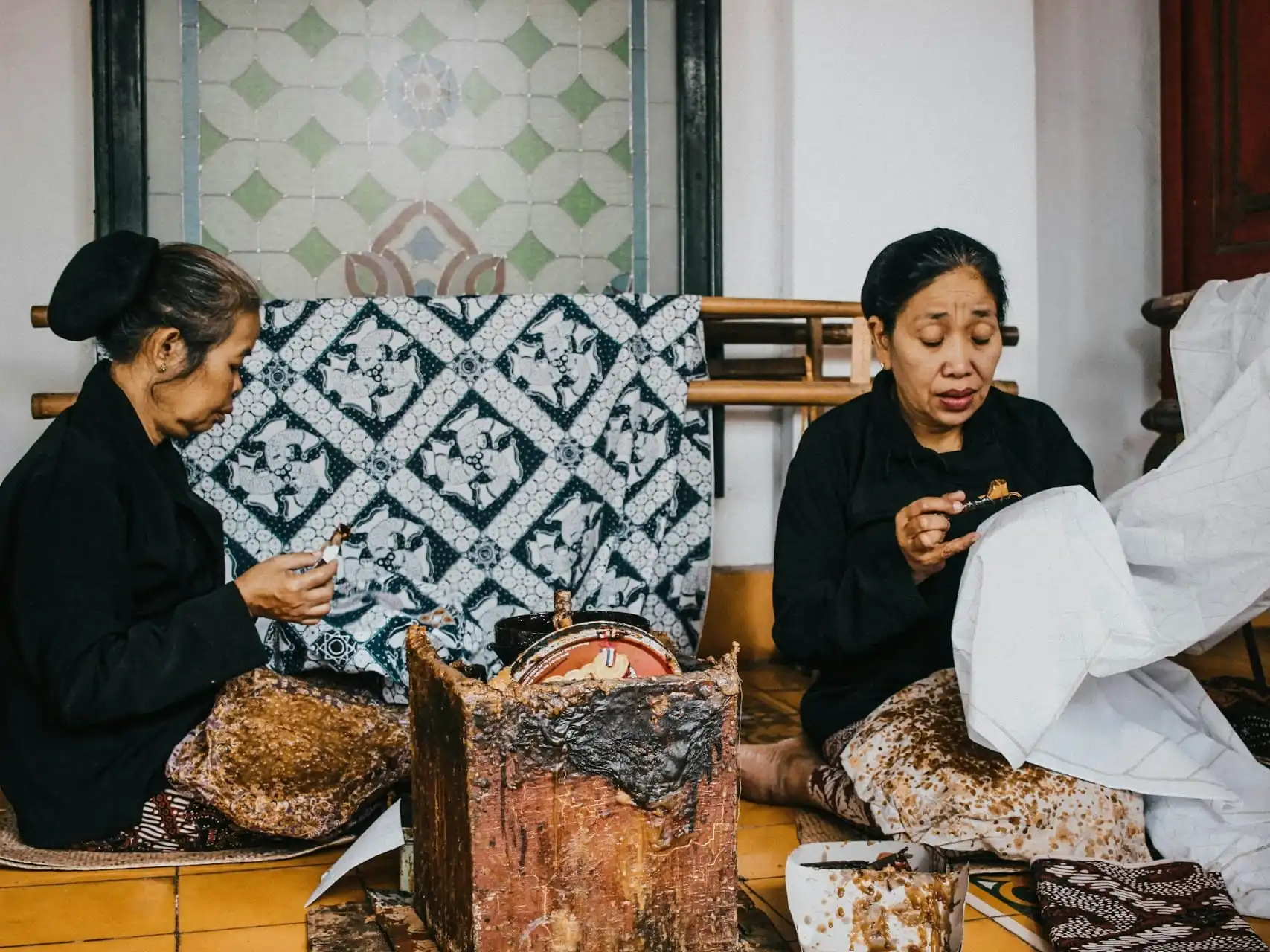
When people think of Yogyakarta, they often envision grand temples, royal palaces, and vibrant traditions. Among these cultural treasures, batik stands out as a true icon of Javanese identity. More than just a beautiful fabric, batik represents deep-rooted philosophies, historical stories, and sacred rituals. Whether worn by royalty or sold in local markets, batik carries a legacy that continues to evolve with time.
Table of Contents
Get to Know Batik
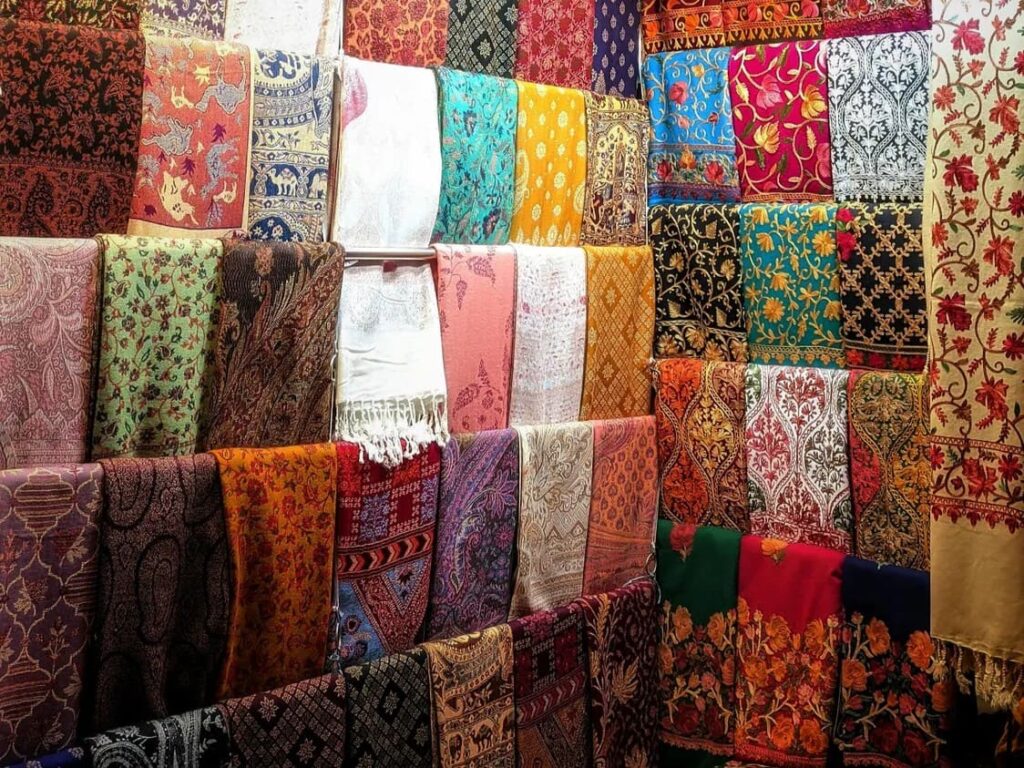
Batik originates from the Javanese words “amba” (to write) and “titik” (dot), as it is associated with writing on cloth using wax-resist dyeing. Batik has a long history and is usually associated with the royal courts of Java, particularly in Yogyakarta and Surakarta.
Every batik pattern carries its own story and meaning. For example, Parang Rusak symbolizes strength and resilience, while Truntum expresses everlasting love, often worn during weddings. Historically, certain patterns were reserved only for the royal family. Wearing them without permission was once considered a serious offense.
Batik has evolved to be more universal – what was once a fabric exclusive to royalty is now adopted by people of all backgrounds. The process of making batik hasn’t changed much, it is still a careful method involving wax, canting, natural dyes, and time! While the ceremonial elements of the age-old craft may not be practiced day-to-day, special dates to acknowledge traditions such as royal birthdays or important national days still take place.
Type of Batik Pattern
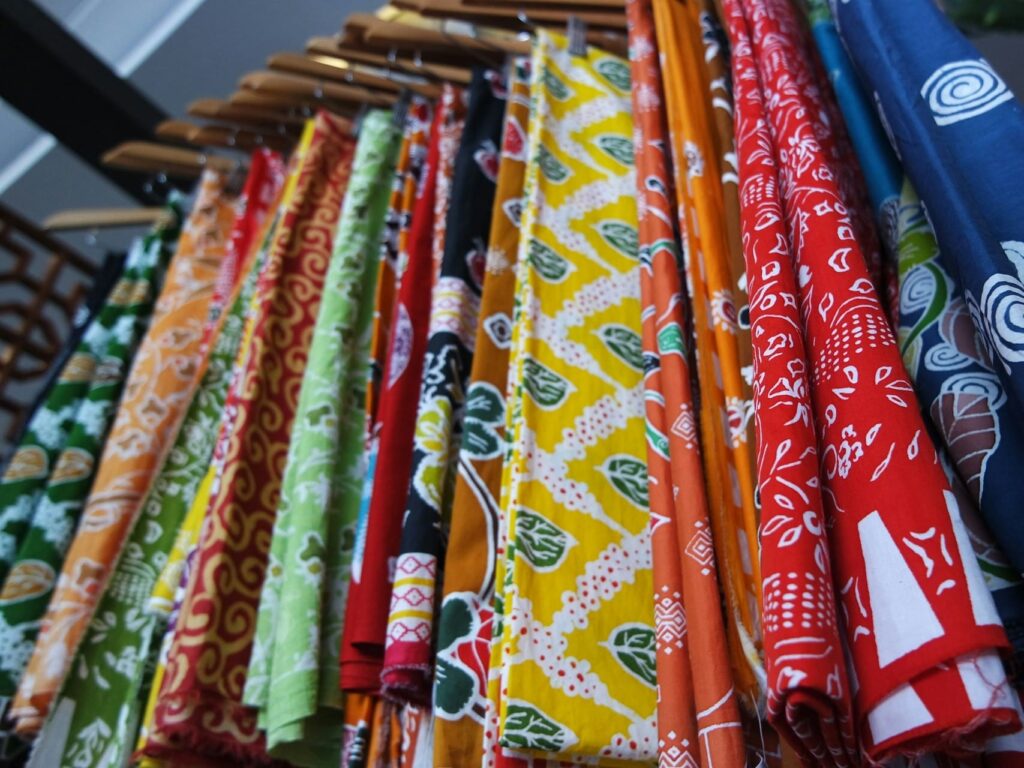
Batik patterns have meaning beyond simply being aesthetically pleasing. When selecting your Batik, remember you want to take notice of the traditional Batik patterns that tell you a message. You want them to be complementary to the day. For daily wear, you’ll be looking at simpler and subtle motifs, such as Kawung, Ceplok, and Mega Mendung. These simple batik patterns will be comfortable to wear to work, casual out, or for day-to-day! You can throw your Batik on and go with regular jeans, skirts, or even some sneakers.
For formal events, more elaborate patterns are preferred. Sido Mukti, Parang Barong, or Truntum are popular for weddings, graduations, and official ceremonies. These motifs are often seen in darker colors and luxurious fabrics like silk or premium cotton. In formal settings, it’s common to pair batik shirts or kebaya with matching accessories such as brooches, clutch bags, or traditional sandals called selop.
Each pattern has its philosophy. For example, Sido Luhur means “to live in dignity,” often worn by leaders or respected elders. Gurda reflects harmony and balance, inspired by the mythical Garuda bird.
The Best Way to Style Batik
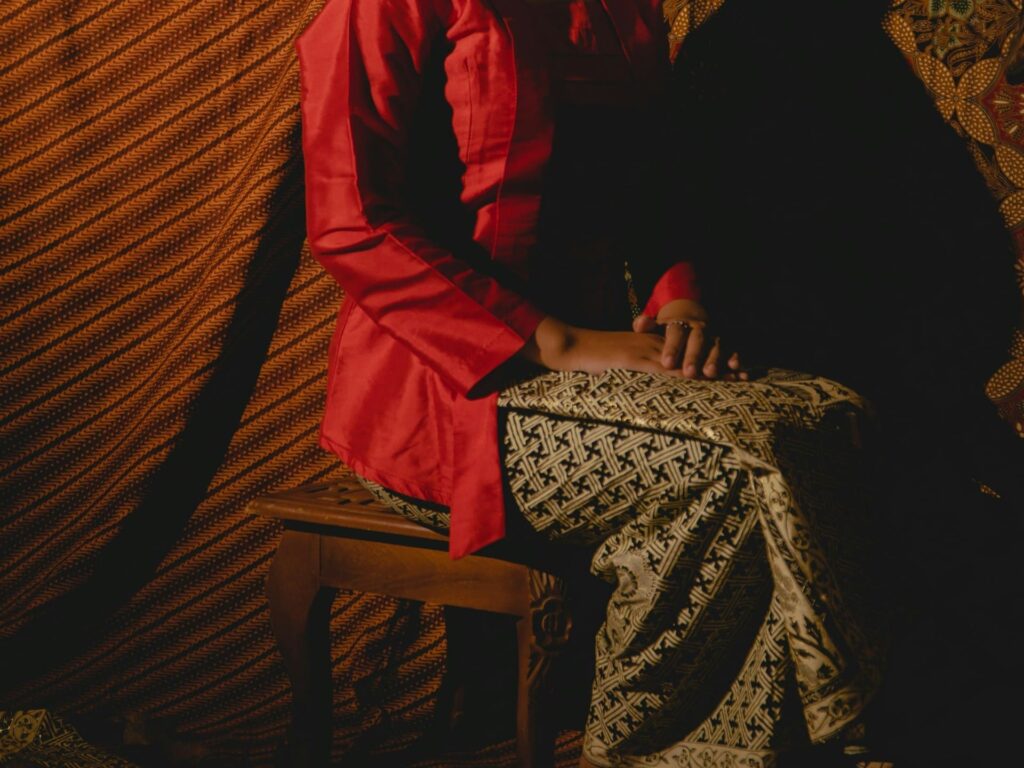
Wearing batik doesn’t mean looking old-fashioned. Modern batik fashion has become a stylish trend embraced by young people. You can easily style batik to suit your mood and setting.
For casual looks, pair a batik blouse or oversized batik shirt with denim pants, sneakers, or bucket hats. Crop tops and kimono-style outerwear using batik fabric are also a big hit among youth. It keeps the culture alive while staying trendy.
For formal or traditional events, go for a batik dress, a sarong with kebaya, or a modern jumpsuit made from batik. Men can wear long-sleeved batik shirts with black trousers and leather shoes to attend weddings or official gatherings.
Don’t forget to accessorize! Wood jewelry or handmade batik scarves add that extra cultural charm. Mixing batik with modern elements keeps the tradition vibrant and allows younger generations to connect with their roots in their own way.
Batik is more than just fabric. It’s a symbol of history, identity, and artistic expression. From the royal courts of Yogyakarta to everyday street fashion, batik remains a strong part of Indonesian culture. By understanding its origins, respecting its meanings, and wearing it with pride, we help preserve a legacy that deserves to shine for generations to come.