

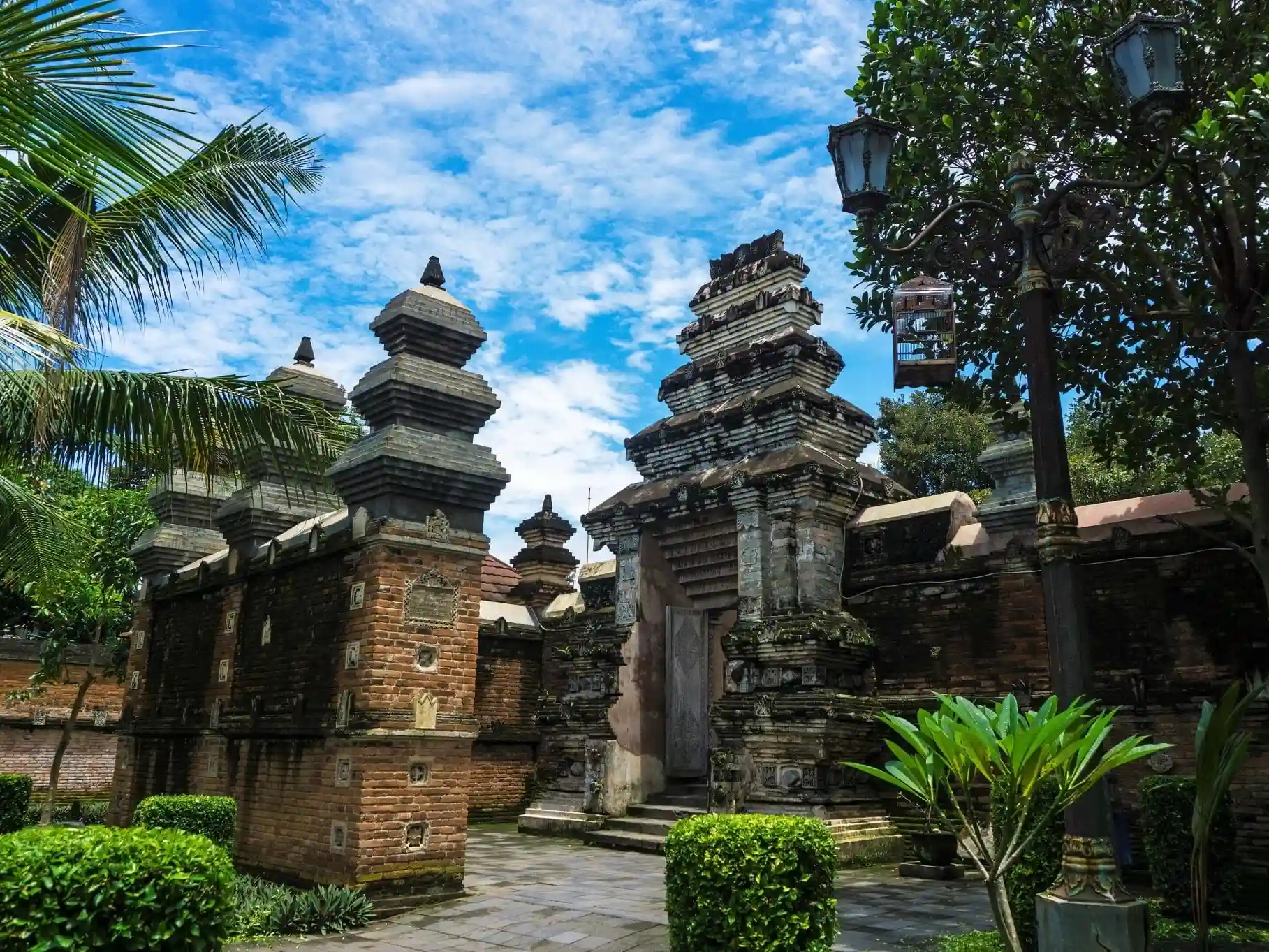
Kotagede is a historic neighborhood in Yogyakarta that was once the heart of the ancient Mataram kingdom. Today, it is still rich in tradition, craft, and culture. If you explore Kotagede’s past, you’ll see how it changed from a forest outpost to a royal capital, and later from a place of worship and palaces to a center for silver crafts.
Table of Contents
1. Center of the Mataram Kingdom
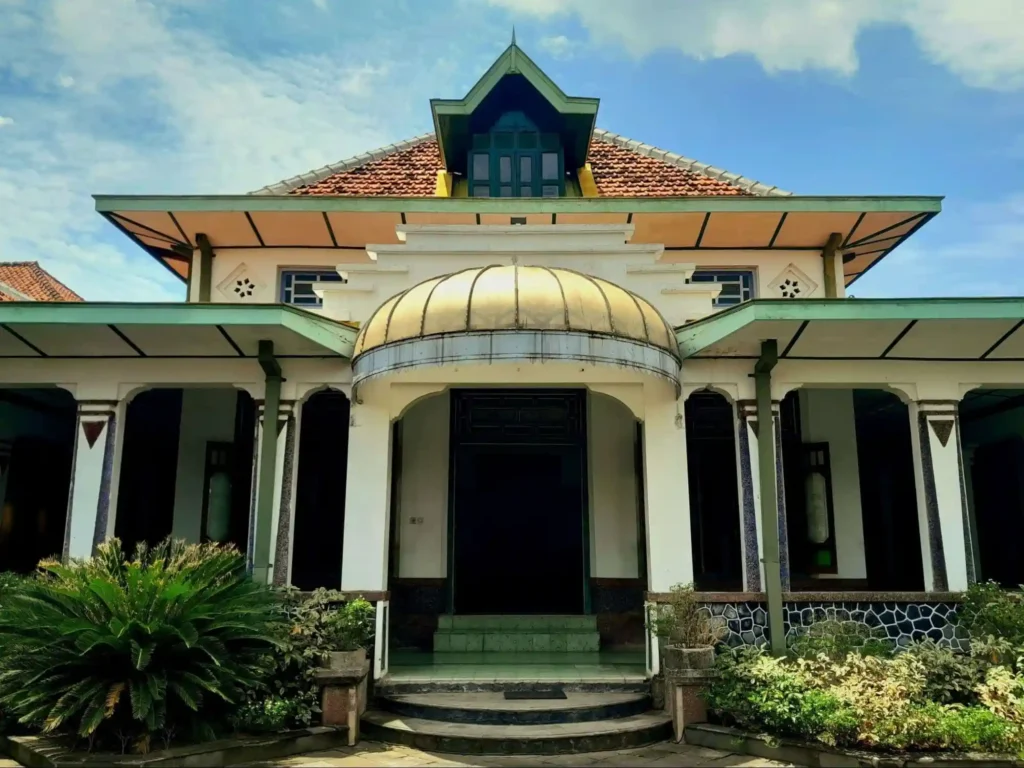
In the 16th century, the ruler of the Pajang Sultanate granted the forest area known as Alas Mentaok to Ki Ageng Pemanahan as a reward for his loyal service. His son, Danang Sutawijaya, later known as Panembahan Senopati, built a settlement here that became the first capital of the Mataram Sultanate.
Records show that Kotagede was the first seat of power for the Sultanate. The town was planned with a mosque, a palace, a market, and a square, all surrounded by defensive walls. This made Kotagede an important center of the Mataram Kingdom.
2. The First Capital of the Mataram Sultanate in the 16th Century
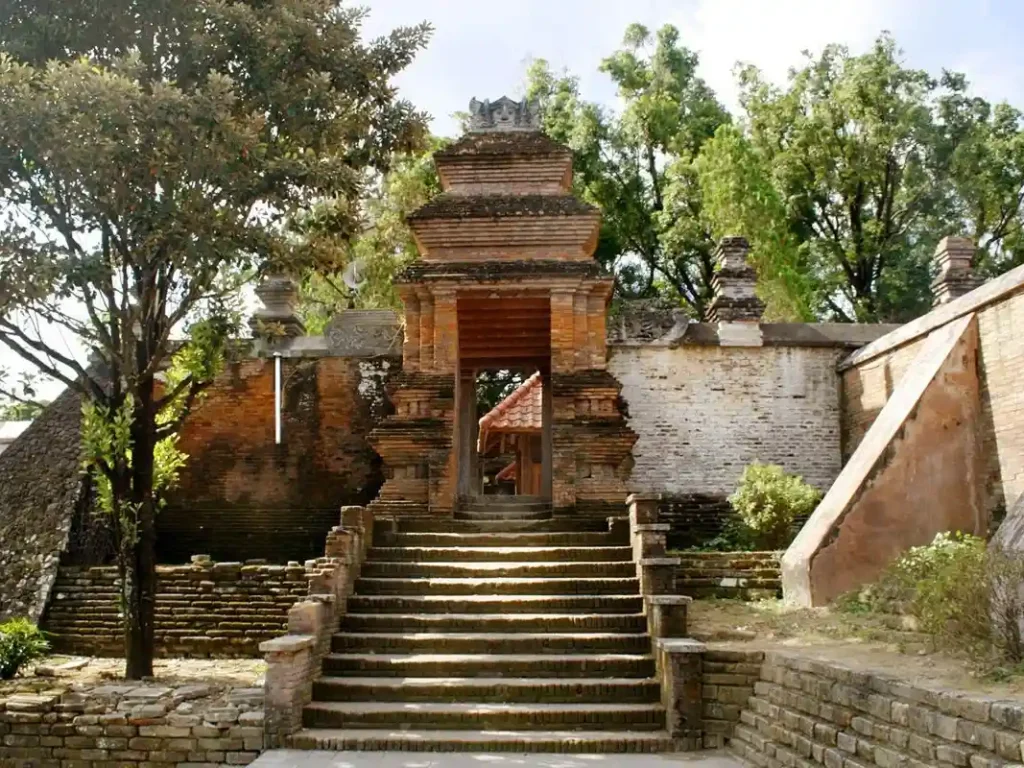
When Panembahan Senopati became leader, Kotagede officially became the capital of the Mataram Sultanate in the late 1500s. Back then, Kotagede had the royal palace, government offices, rituals, and strong defensive walls, including the inner fortress called Benteng Cepuri.
Benteng Cepuri, for example, was built between 1507 and 1516 as a fortress wall around the palace and city center. Being the first capital makes Kotagede special in history. It was more than just a settlement; it was the birthplace of one of Java’s great kingdoms.
3. Historical Relics: Pasarean Hastana Kitha Ageng, Masjid Agung Kotagede, Benteng Cepuri
When you visit Kotagede, you see more than just a tourist attraction. You connect with centuries of Javanese heritage, such as:
Pasarean Hastana Kitha Ageng
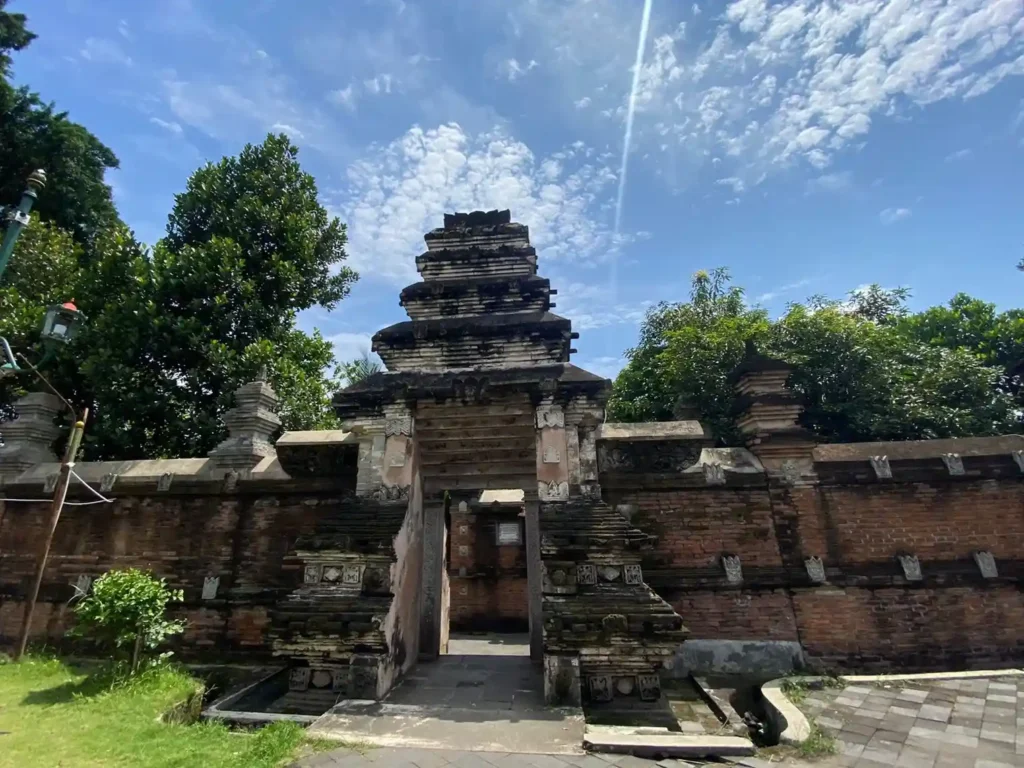
One of Kotagede’s most sacred places is the royal cemetery, Pasarean Hastana Kitha Ageng, where the first rulers of the Mataram Sultanate and their families are buried. Visitors walk quietly and respectfully. The entrance shows a mix of Hindu and Javanese designs, showing how different cultures blended here.
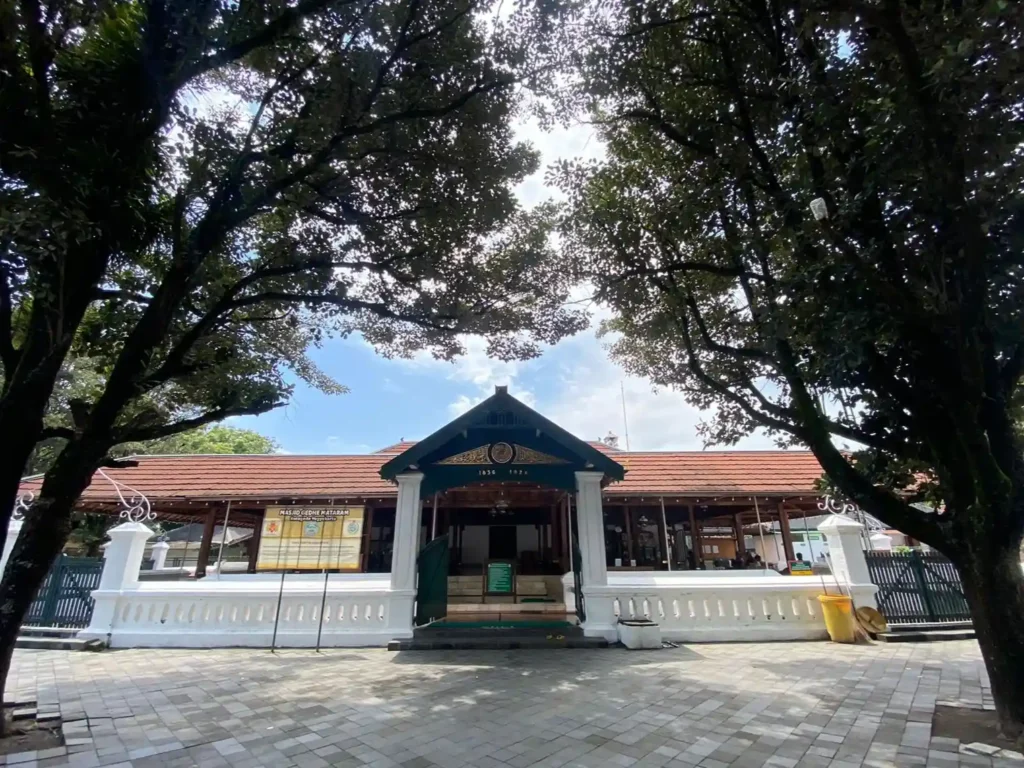
Masjid Agung Kotagede
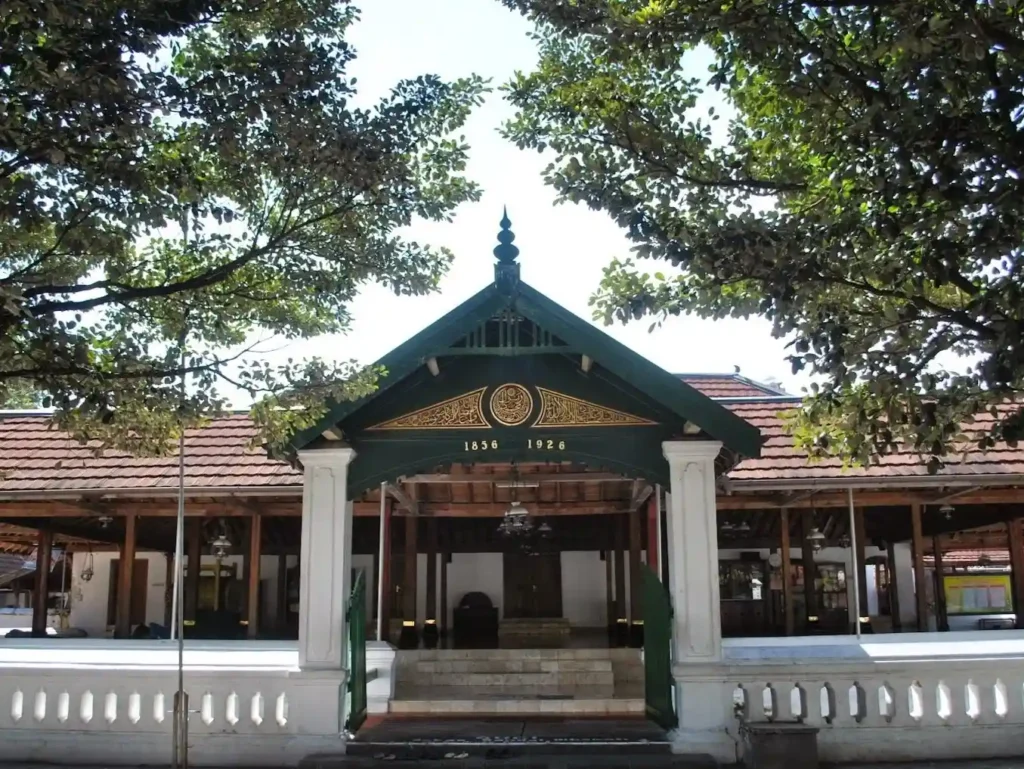
Another important site is the old Great Mosque of Kotagede. Although some details vary across sources, the mosque remains a major historical landmark. It shows early Islamic architecture and Javanese craftsmanship.
Benteng Cepuri
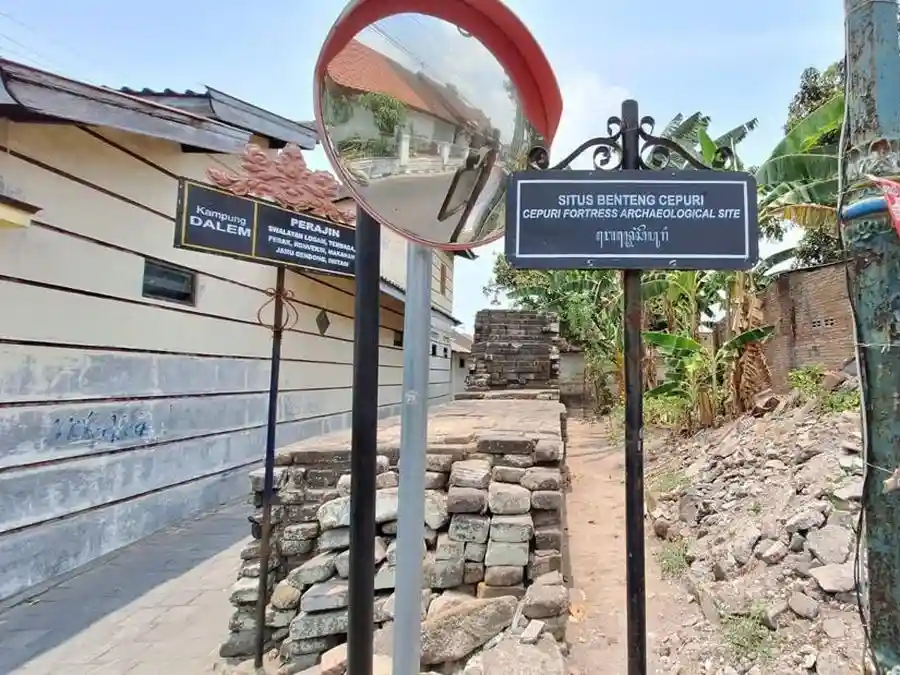
The fortress walls of Benteng Cepuri still stand as quiet ruins. They once separated the inner palace area, called jeron-beteng, from the outer area for citizens, known as Jaba-Beteng. These sites together offer a deeper look into Kotagede’s history, from royal burials and worship to defense and city planning.
4. The Development of the Silver Industry and Craftsmanship

After Kotagede’s royal era ended, a new tradition started with the silver craft industry. Today, Kotagede is known around the world for its detailed silverwork, filigree, handmade jewelry, bowls, and boxes, all made by local artisans.
The silver craft began in the palace workshop, called Patehan, with support from the Mataram Sultanate. Over time, it changed from making royal ritual objects to creating fine silver jewelry for both visitors and locals. Walk through the alleys of Kotagede, visit workshops where smiths hammer silver, create motifs inspired by lotus flowers and traditional flora, and invite you to try a basic hammering exercise.
The silver industry shows that Kotagede’s heritage is still alive today. The craft has changed over time. What once served royalty now serves tourists and local businesses, but the traditional techniques are still used.