
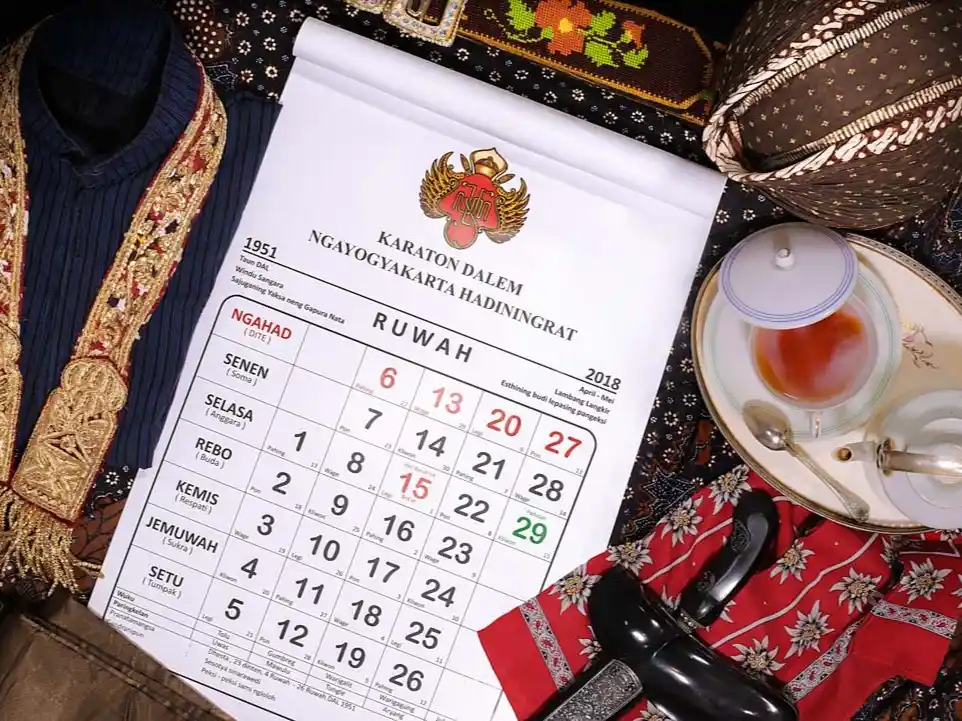
Yogyakarta is well known for its living traditions. One of its most fascinating cultural treasures is the Javanese calendar. This ancient system reflects the Javanese people’s strong connection to time, nature, and spirituality.
Table of Contents
The Javanese calendar was created in 1633 AD during the reign of Sultan Agung of Mataram. He blended the Islamic lunar calendar with the traditional Hindu-Saka solar calendar. Sultan Agung wanted a system that respected Islamic beliefs and honored Javanese traditions, encouraging people to live in harmony with each other, nature, and the universe.
The calendar guides religious ceremonies, farming, and even personal choices, such as wedding dates and business ventures. Read on to learn more about the Javanese calendar, its cycles, and how the days are calculated.
Javanese Calendar Cycles
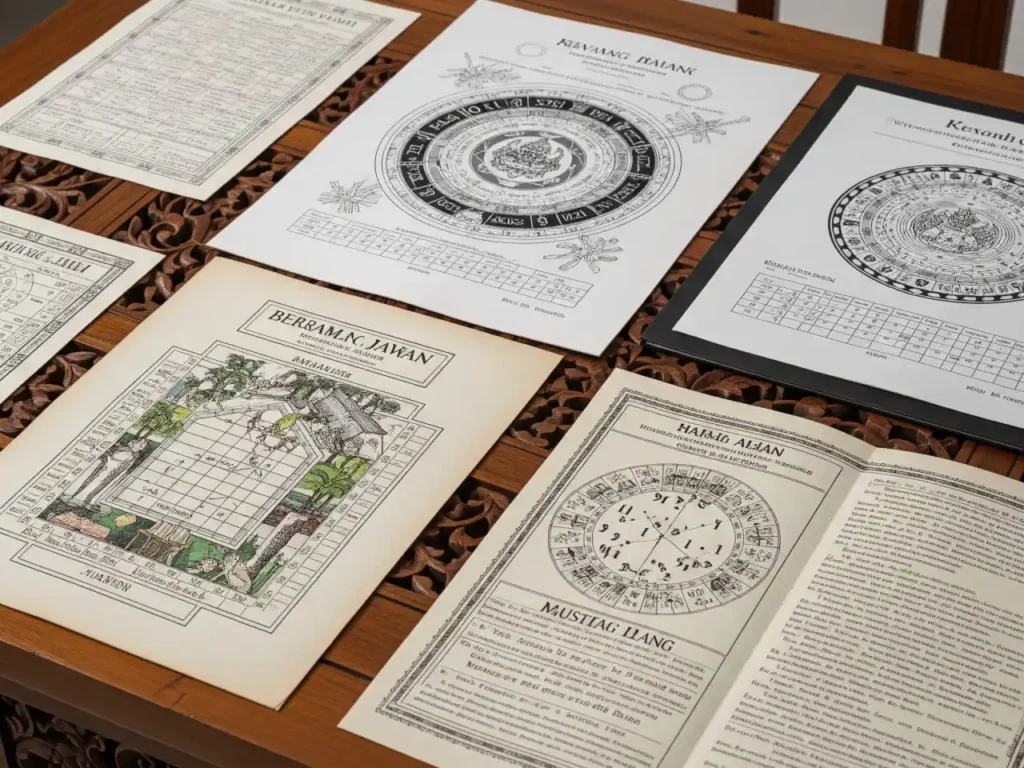
Sultan Agung, as a key ruler of the Mataram Kingdom, introduced the Javanese calendar. His goal was to unite his people with a cultural system that balanced spiritual and practical needs. The Javanese believe every event and day has its own energy, and that choosing the right time can influence a person’s future.
Over time, the calendar has been simplified for daily use, but its original purpose is still respected. The royal courts in Yogyakarta and Surakarta still use it for rituals, palace ceremonies, and cultural events. Unlike the Gregorian calendar, which tracks only months and years, the Javanese calendar uses several overlapping cycles, each with its own spiritual meaning.
Cycles of Days
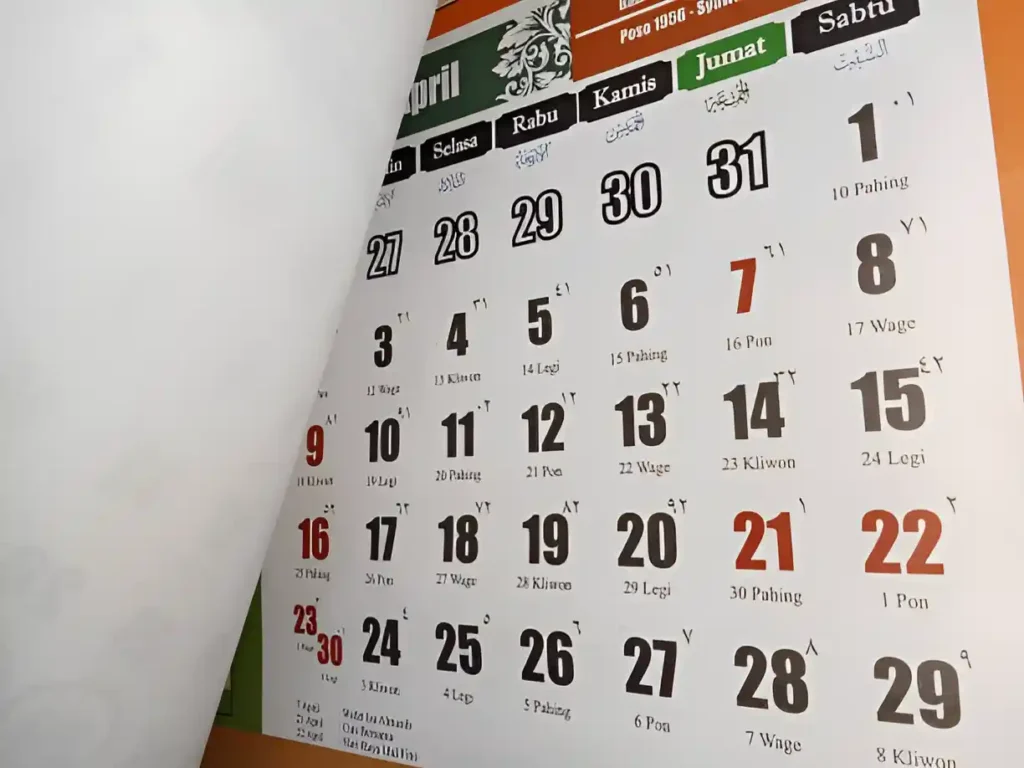
In the Javanese calendar, days follow two systems at once:
- Seven-day week (Dina Pitu): This is similar to the international week, running from Sunday to Saturday.
- Five-day market cycle (Pasaran Lima Dina): This traditional cycle includes Legi, Pahing, Pon, Wage, and Kliwon.
Each day in the Javanese calendar is formed by combining these two cycles. For example, “Selasa Kliwon” means Tuesday from the seven-day week and Kliwon from the five-day cycle. This pattern repeats every 35 days and is called the Wetonan cycle.
This 35-day cycle plays a big role in Javanese life. People use it to choose the best days for weddings, births, and ceremonies. Many Javanese also find their weton, a mix of a weekday and a pasaran, to learn about their personality and destiny.
The Javanese calendar is based on lunar months, each lasting about 29 or 30 days. There are 12 months in a year, such as Sura, Sapar, Mulud, Bakda Mulud, and others. Each month has its own meaning and is linked to religious and cultural events.
Years in the Javanese calendar follow an eight-year cycle called Windu. Each year has a special name, such as Alip, Ehe, Jimawal, Je, Dal, Be, Wawu, and Jimakir. After 120 years, or 15 Windu, the cycle begins again. This pattern is believed to show the endless cycle of life and time.
The beauty of the Javanese calendar is found in its philosophy. It is valued not just for how it is built, but for its deeper meaning. Time is seen as a circle, not a straight line. Every event is believed to return in a new form.
This belief helps Javanese people live patiently, calmly, and in harmony with nature. Grebeg, Sekaten, and Labuhan are scheduled using the Javanese calendar. These rituals connect communities with their ancestors and the divine, reinforcing the idea of balance between the visible and invisible worlds.
Even as technology and modern life change, the wisdom of this calendar continues to inspire people to seek balance and awareness. If you visit Yogyakarta, pay attention to local events or temple ceremonies. Chances are, they follow the rhythm of this ancient calendar.