

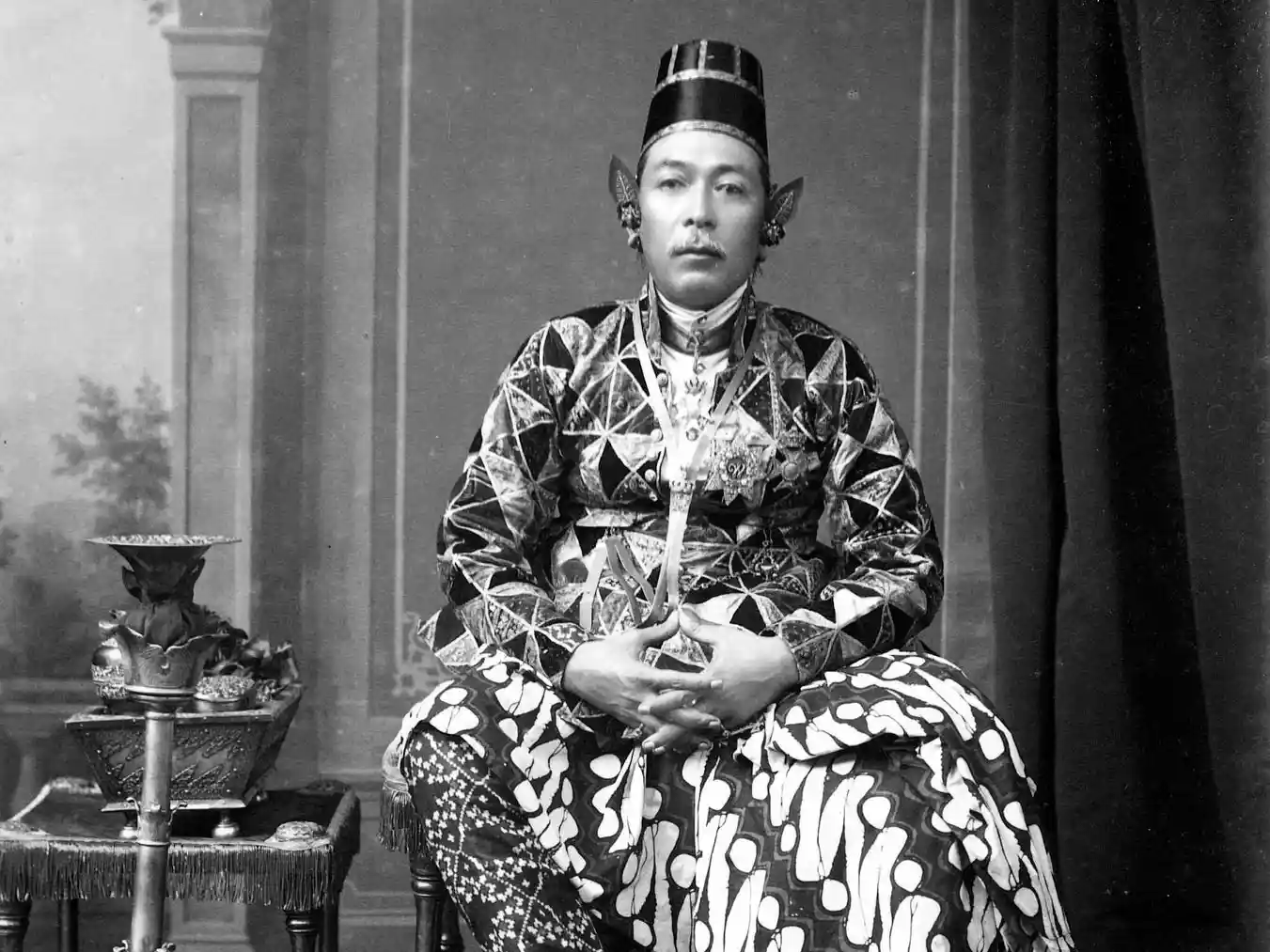
Yogyakarta is a city located in central Java, known for its vibrant culture, traditions, and ongoing changes. In the past, it was a major city in Indonesia and played an important part in the country’s development. During the rule of Sri Sultan Hamengkubuwono VII, the city’s heritage was blended with modern progress.
Table of Contents
From rising to the throne in the late 19th century to ushering in reforms in education, infrastructure, and industry, he stands as a key anchor in Yogyakarta’s history. The legacy of Sri Sultan Hamengkubuwono VII lays the foundation for Yogyakarta’s evolution, rooted in the time-honoured traditions of the sultanate yet reaching toward new horizons.
Early Life and Rise to Power
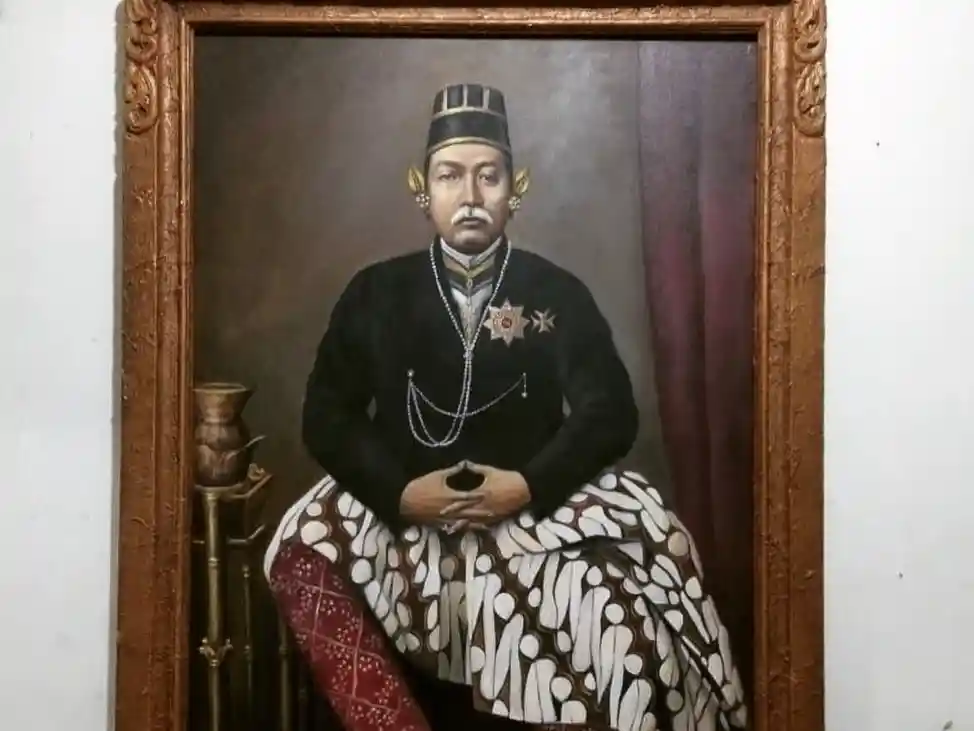
Sri Sultan Hamengkubuwono VII was born on 4 February 1839 as Gusti Raden Mas Murtejo, the son of Sri Sultan Hamengkubuwono VI and Gusti Kanjeng Ratu. He became the 7th Sultan of Yogyakarta on 22 December 1877, though some sources say it was 13 August 1877. Early in his reign, he recognized the need to balance Javanese royal traditions with the changes brought by colonial influence.
During his rule, he worked to modernize education by opening schools based on European models and improving infrastructure. He also supported the construction of railways in the Yogyakarta area and encouraged plantation investments.
Reign and Modernization Efforts
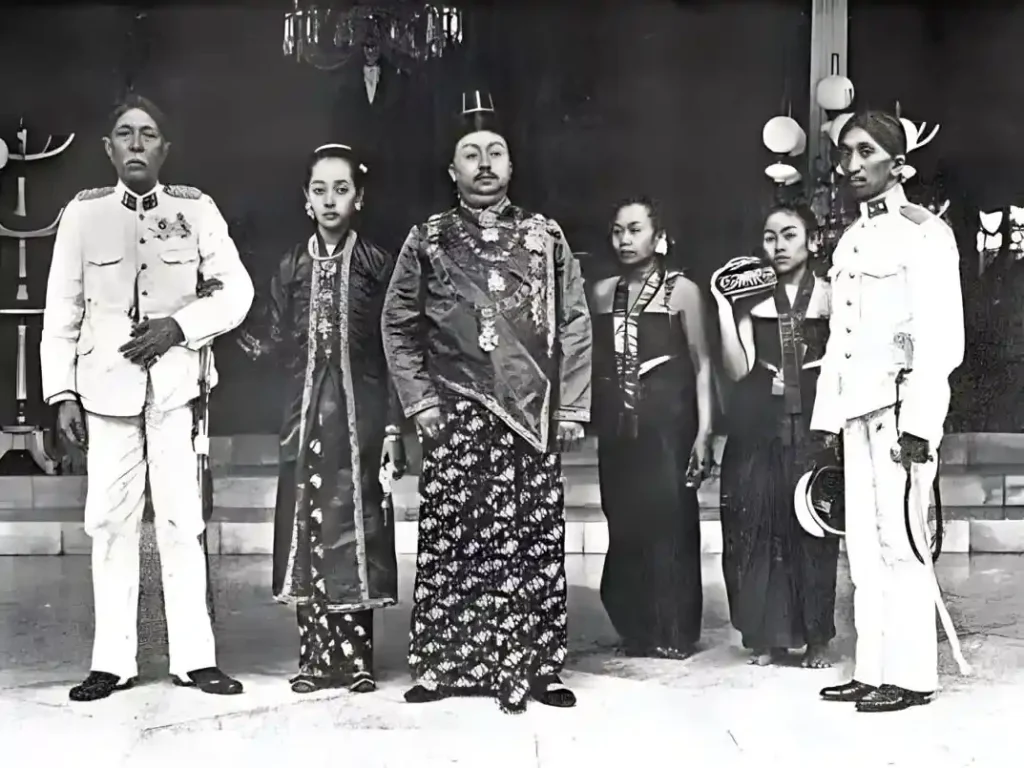
During his long reign from 1877 to 1921, Sri Sultan Hamengkubuwono VII oversaw major changes in Yogyakarta. One of the most significant was his involvement in the sugar industry: the Sultanate under his rule leased large tracts of land for sugar-cane plantations and mills, earning him the nickname “Sultan Sugih,” or “The Rich Sultan.”
As the railway network in Java grew, Yogyakarta also benefited. The city’s infrastructure improved thanks to his cooperation with colonial authorities and the income from agriculture and industry.
He introduced modern schools and supported formal education outside the palace. His willingness to accept new ideas made it easier for future leaders to continue reforms.
Culturally, although deeply rooted in Javanese royal tradition, his reign did not reject modernity. He maintained court rituals, supported the arts and dance traditions (such as the Bedhaya), and oversaw urban growth and infrastructure that connected the old world and the new
Legacy and Contributions
Sri Sultan Hamengkubuwono VII left a lasting legacy. Here are some of his main contributions:
- Sugar Industry: Under his rule, the Sultanate of Yogyakarta leased land to plantation and sugar-mill enterprises, accelerating the growth of the sugar industry in the region.
- Railway and Infrastructure: Although colonial investment played a big role, the railway lines built during his time helped shape Yogyakarta’s modern layout and connections.
- Modern Schools: He supported the establishment of modern schooling models, thereby enhancing education in Yogyakarta beyond traditional palace or religio-royal teaching.
- Art and Culture: The preservation and patronage of classical Javanese arts, such as the Bedhaya dance, during his reign helped ensure that these traditions remain vibrant in Yogyakarta today.
- Balancing Tradition & Change: Most importantly, his rule exemplified the balance between maintaining the symbolic and mystical role of the Sultanate in Javanese culture and embracing pragmatic reforms. This dual role helped Yogyakarta retain its identity while becoming more open to the modern era.
Titles and Their Meanings
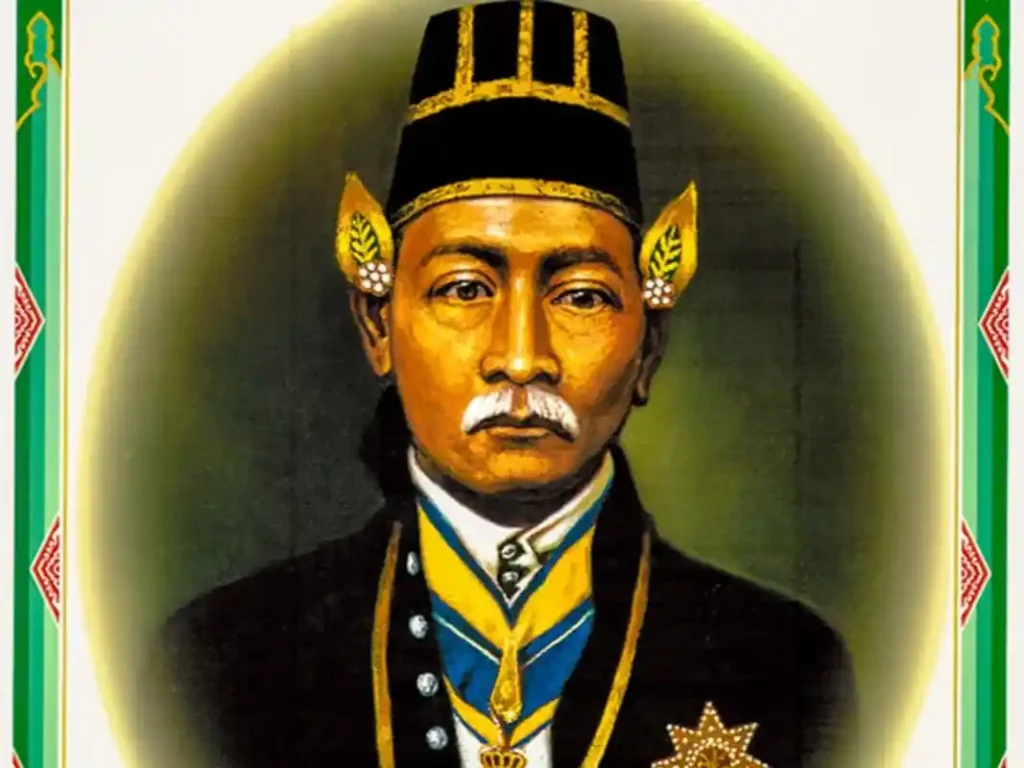
Sri Sultan Hamengkubuwono VII had several titles before and during his time as Sultan:
- Den Mas Kawung: His surname before he became Sultan.
- Sultan Sugih: a popular surname meaning “The Rich Sultan,” given because of his success in the sugar industry and land leasing.
- Sultan Sepuh: a title he used later in life to show his senior or elder status.
These titles show the different stages of his life, from a young prince to a wealthy, reform-minded ruler, and finally to an elder statesman.
Abdication and Final Years
Near the end of his reign, Sri Sultan Hamengkubuwono VII stepped down in favor of his son, who became Sultan Hamengkubuwono VIII, on 29 January 1921. Afterward, he lived at the royal residence of Pesanggrahan Ambarrukmo in Yogyakarta.
He died on 30 December 1921 and was buried at the Astana Saptorenggo in Pajimatan Imogiri, in honor of the royal family. In his final years, the Sultanate continued to balance tradition and modernity, a path he had set.
In summary, Sri Sultan Hamengkubuwono VII was keyrole in shaping Yogyakarta into a city that values its Javanese traditions and royal culture, while also embracing modern infrastructure, education, and industry. His reign is a great example of how a traditional kingdom adapted during colonial times.