

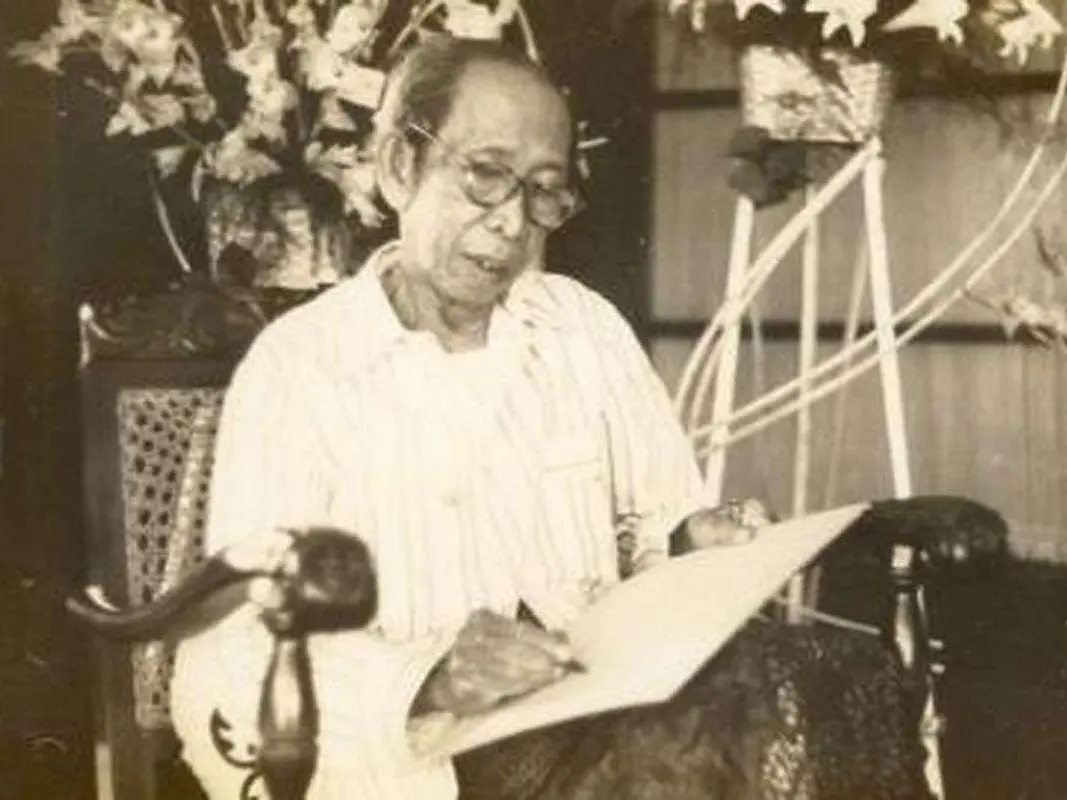
Yogyakarta is known for its rich culture and history of learning. Among its famous educators, Ki Hajar Dewantara stands out. Although he was born into Javanese nobility, he made a difference in the lives of everyday people. He believed that everyone deserved the right to education, not just a select few.
Table of Contents
Back then, only the elite could attend formal schools, leaving most people behind. Ki Hajar Dewantara responded by founding schools, leading a movement, and building a legacy that continues to shape education in Indonesia today. This article examines his early life, the start of the Taman Siswa movement, and how his ideas transformed education in Indonesia.
Ki Hajar Dewantara in His Early Life
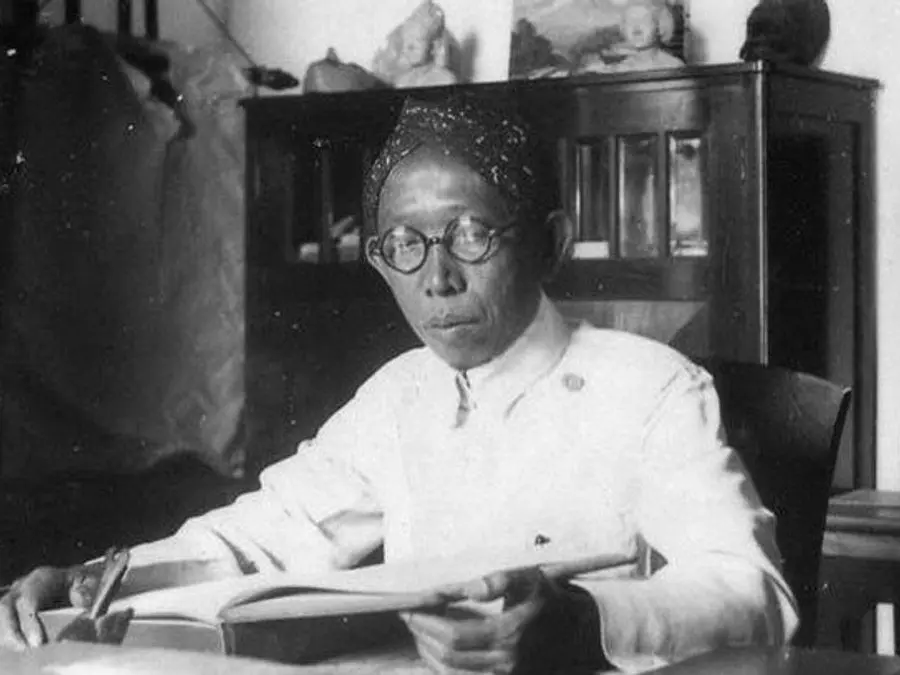
Ki Hajar Dewantara was born on 2 May 1889 in Pakualaman, Yogyakarta. His birth name was Raden Mas Soewardi Soeryaningrat. Because he came from a noble family, he was able to attend Dutch-colonial schools, which was unusual for native Indonesians at the time.
However, he soon realized how unfair the colonial education system was, which motivated him to work for change. As a young man, he became a journalist and joined nationalist movements.
He wrote articles to protest colonial rule and to support education for all. When he turned 40 according to the Javanese calendar, he changed his name to Ki Hajar Dewantara and gave up his noble title, ‘Raden Mas,’ to show he was on the side of ordinary people.
Ki Hajar Dewantara Legacy: Tamansiswa Educational Association
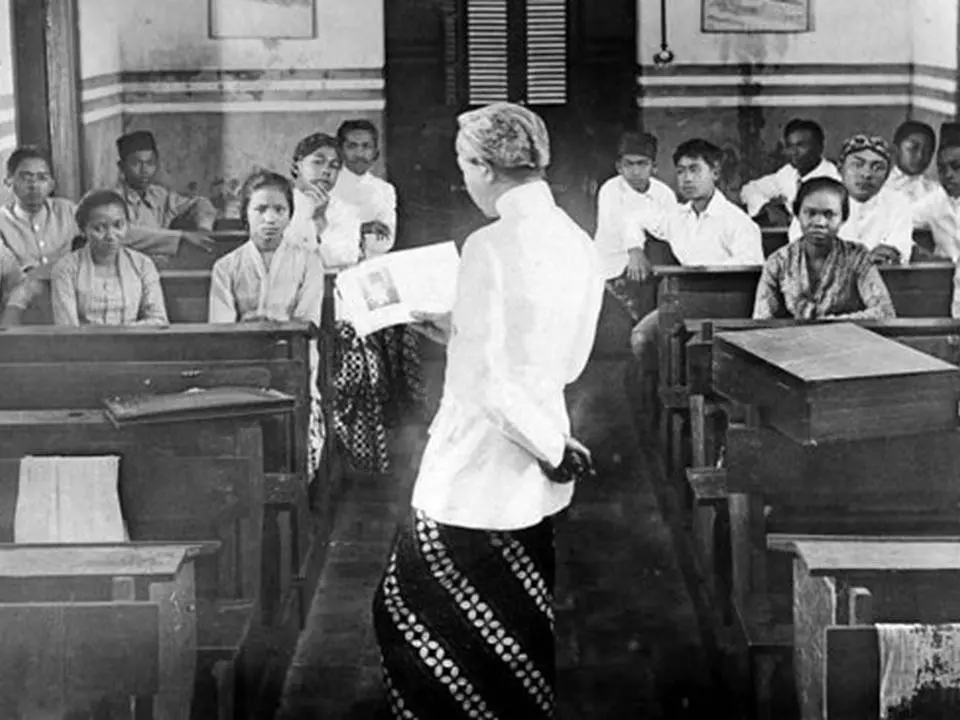
On 3 July 1922 in Yogyakarta, Ki Hajar Dewantara founded the Taman Siswa school system, which means ‘Garden of Students.’ He started it to give indigenous people a chance to get an education, since most were not allowed to attend school under colonial rule.
History of Taman Siswa
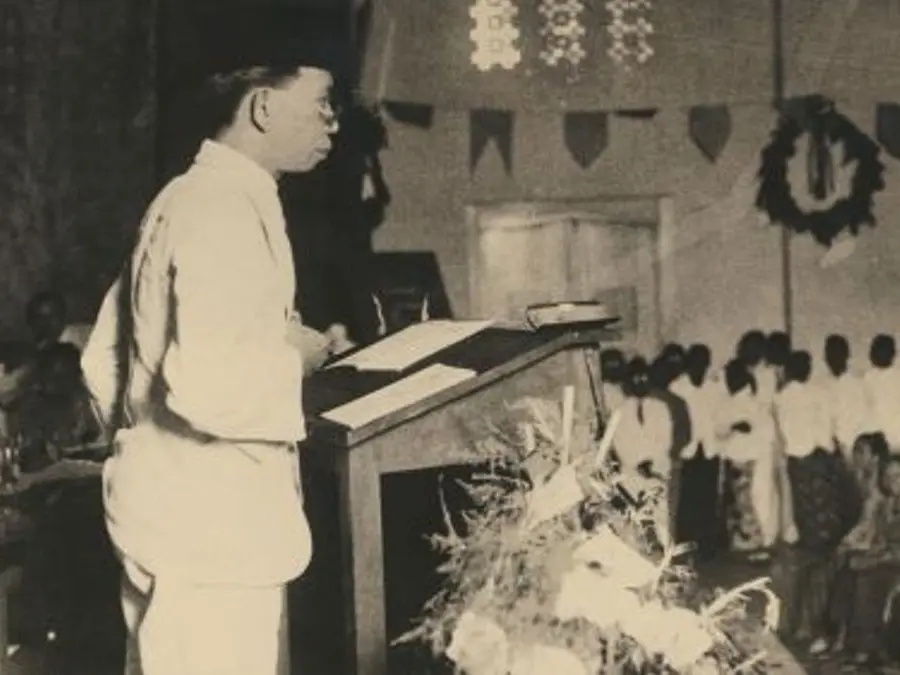
The name Taman Siswa combines the words for ‘garden’ and ‘student,’ showing it was meant to be a place where learning could grow naturally. The Taman Siswa movement spread quickly across Indonesia and challenged the colonial system, which focused on strict rules and punishment.
The Concept of Taman Siswa
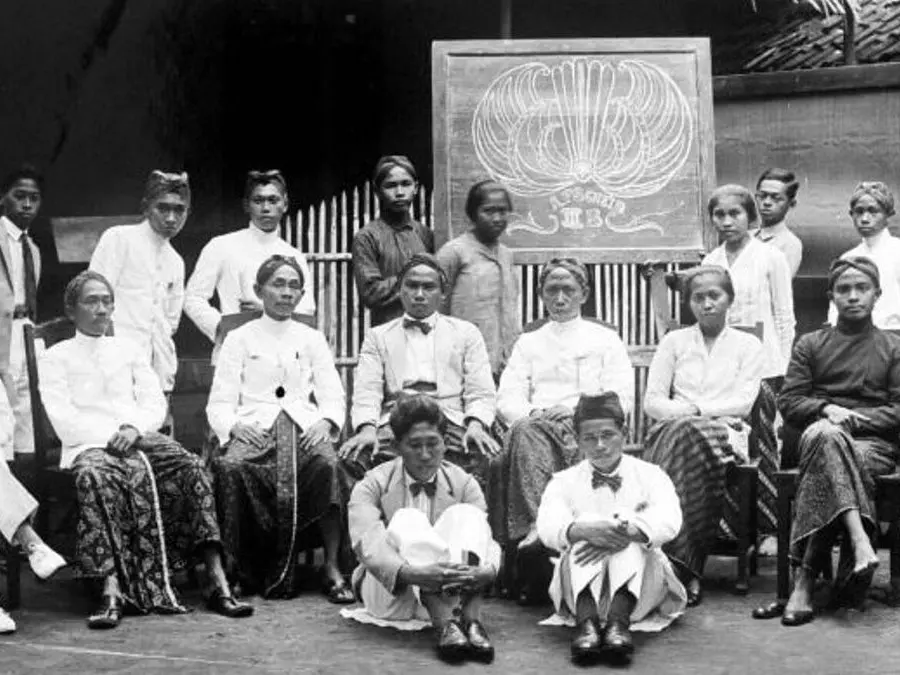
Taman Siswa was special not only for opening schools, but also for introducing a new way of thinking about education. Ki Hajar Dewantara shared three main principles in Javanese:
- Ing Ngarsa Sung Tuladha: In front, set an example
- Ing Madya Mangun Karsa: In the middle, build motivation
- Tut Wuri Handayani: From behind, give support
This philosophy holds that teachers and leaders should be good role models, encourage students to take initiative, and support them as they learn. It moved away from strict, top-down teaching and toward a kinder, more active approach to learning. Taman Siswa also emphasized national and cultural values, so Indonesia’s heritage, community, and freedom became integral to education.
Over time, the movement grew to include kindergarten (Taman Indria), primary (Taman Muda), secondary (Taman Dewasa/Madya), and teacher training schools. Even though colonial authorities tried to stop it through measures such as the ‘wild school’ ordinance of 1932, the movement persisted and became an important part of Indonesia’s national education system.
Tribute for Ki Hajar Dewantara
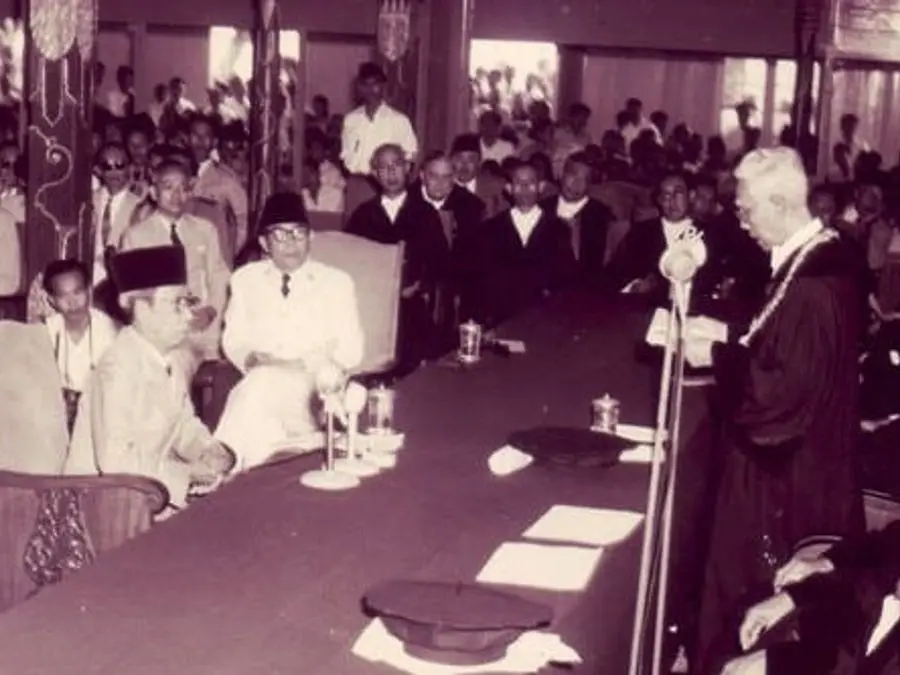
Ki Hajar Dewantara passed away on 26 April 1959 in Yogyakarta. He is remembered in many ways: people call him the ‘Father of Indonesian National Education,’ his motto ‘Tut Wuri Handayani’ is still used in schools, and his birthday, 2 May, is celebrated as National Education Day.
Many institutions and museums, such as the Dewantara Kirti Griya Museum, are named after Ki Hajar Dewantara, and his portrait appears on Indonesian money. Teachers and students across Indonesia still look to his example for inspiration, valuing education that is inclusive, rooted in culture, and empowering.