

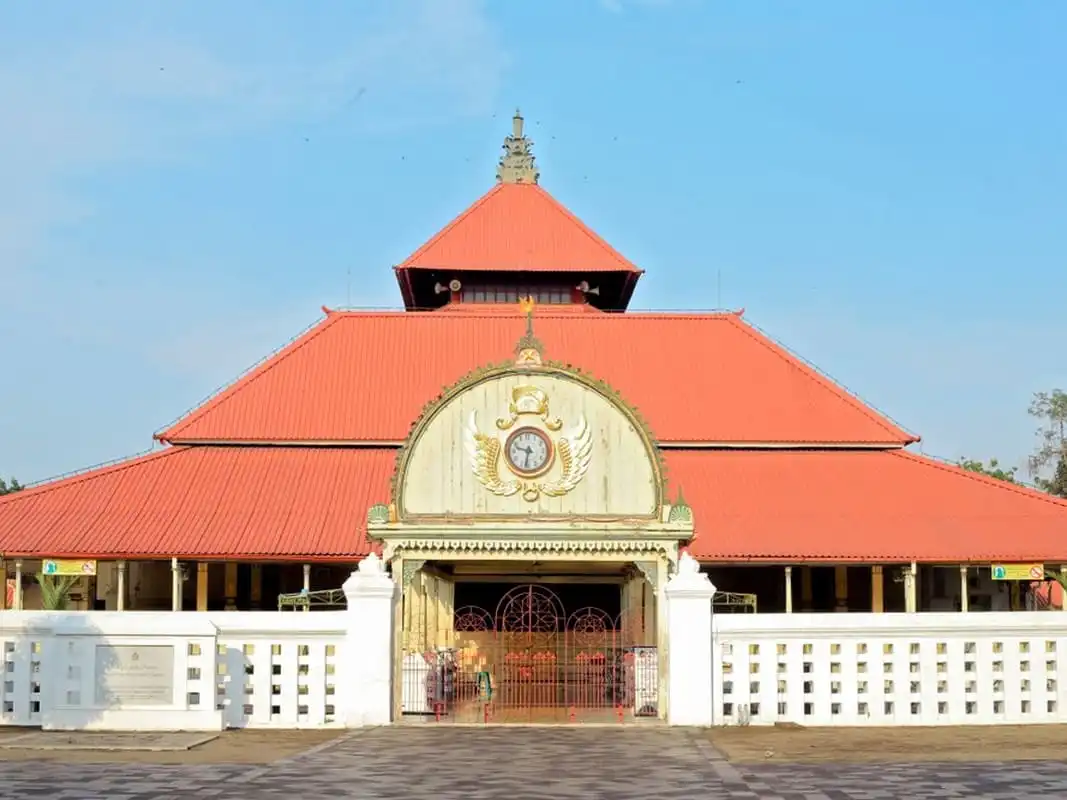
Yogyakarta is a city rich in cultural treasures, from ancient temples to royal palaces, and traditional markets to religious landmarks. One of the most important symbols of Islamic heritage in this region is Masjid Gedhe Kauman.
Table of Contents
Located near the Kraton Yogyakarta or the Sultan’s Palace, this grand mosque has been a spiritual center for generations. More than just a place of worship, it’s a reflection of the city’s deep connection to religion, history, and unity.
History of Masjid Gedhe Kauman
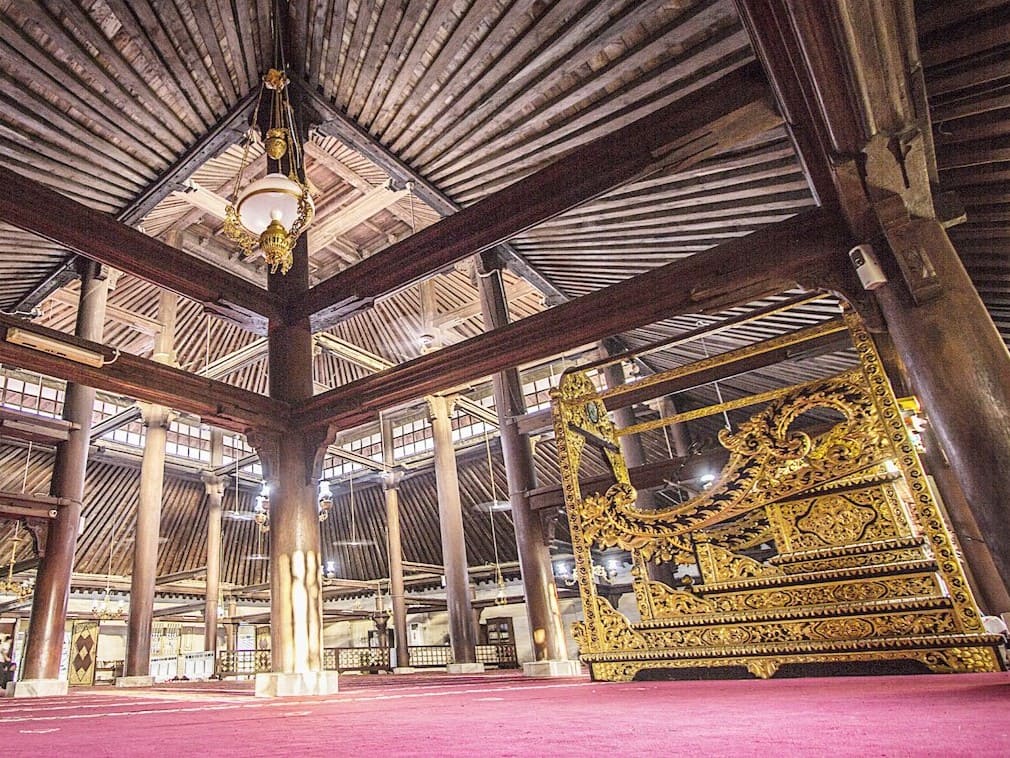
Masjid Gedhe Kauman was built in 1773, during the reign of Sultan Hamengkubuwono I. It was established to serve as the main mosque for the royal family and the people of Yogyakarta. “Gedhe” in Javanese means “great” or “big,” and “Kauman” refers to the traditional Islamic community that lives around the mosque.
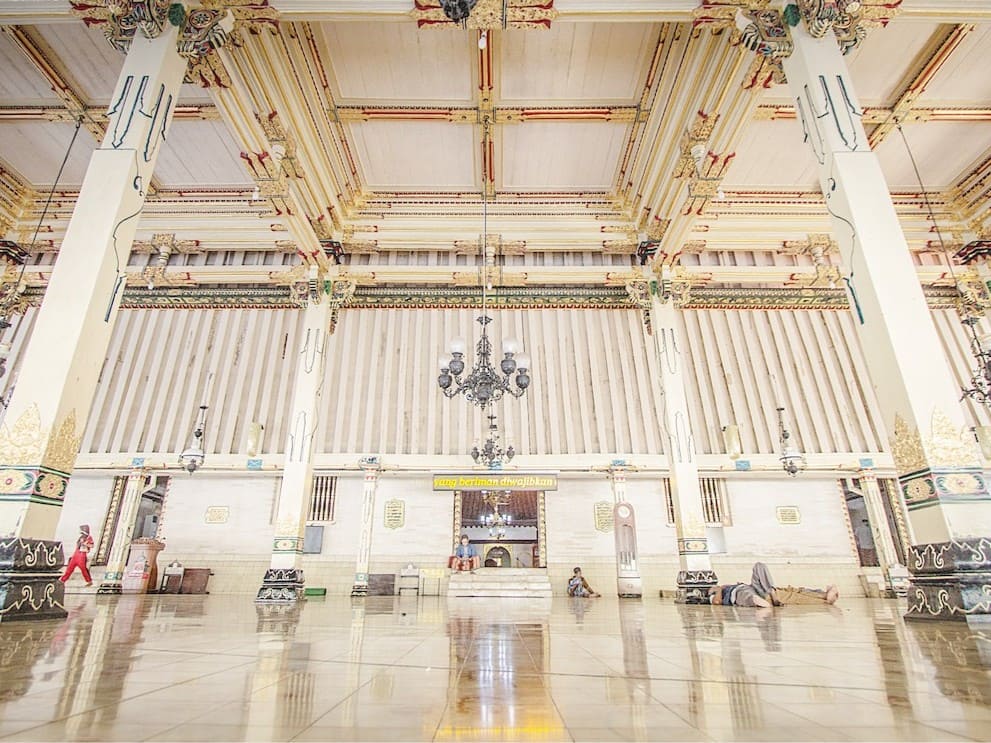
The design of the mosque follows Javanese architectural traditions, blended with Islamic elements. It features a traditional joglo-style roof with no dome, large wooden pillars (saka guru), and a peaceful inner courtyard. The layout and direction of the mosque follow the Islamic qibla, facing Mecca.
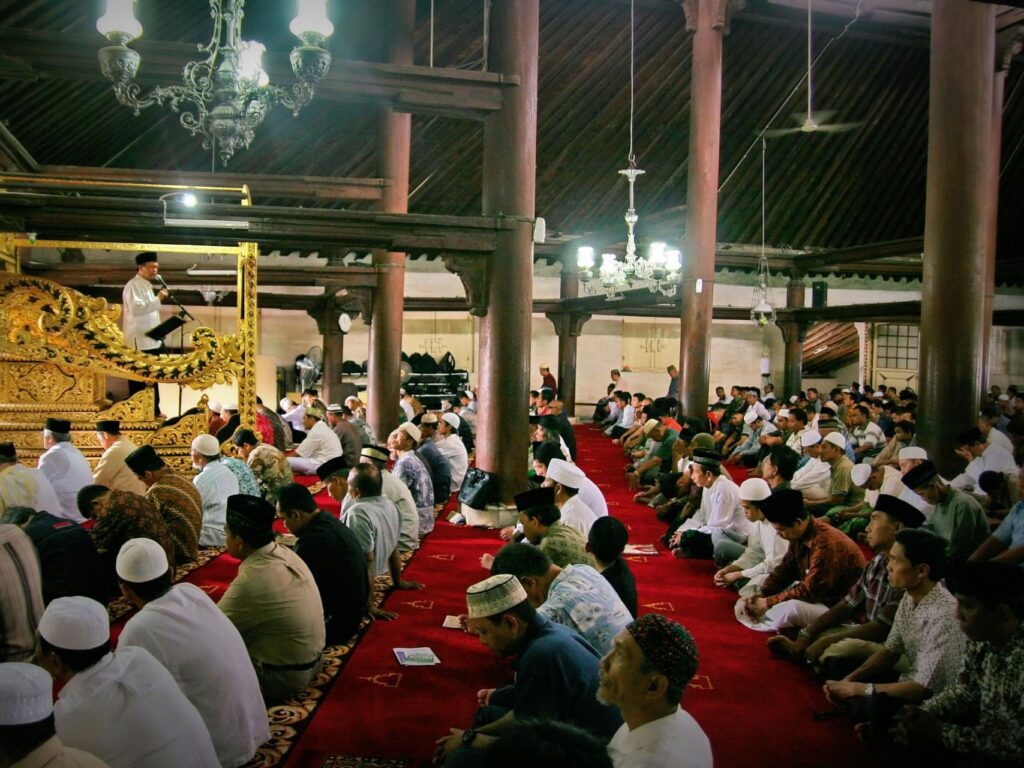
A key figure behind the mosque’s foundation was Kyai Faqih Ibrahim Diponingrat, the first Grand Imam of the Yogyakarta Sultanate. He worked closely with the Sultan to ensure that the mosque fulfilled both spiritual and social roles. Religious education, Friday prayers, and royal Islamic ceremonies are still regularly held here.
The Area Around Masjid Gedhe Kauman
Surrounding the mosque is a neighborhood rich in cultural and religious life. The area is known as Kauman Village, where many Islamic scholars and religious teachers reside. The mosque is only a few steps from the Kraton Yogyakarta, creating a strong symbolic and physical link between spiritual and royal authority.
Near the mosque is Alun-Alun Utara, a large square used for public gatherings, festivals, and parades. The placement of the mosque with the palace and the square reflects a traditional Javanese cosmological layout, where religion, government, and people live in harmony.
One unique tradition still practiced here is Grebeg Maulud, an annual ceremony held to celebrate the Prophet Muhammad’s birthday. It involves a royal procession from the palace to the mosque, followed by mass prayers and food offerings called gunungan distributed to the public. This event reflects the strong bond between Islamic teachings and Javanese customs.
How to Get to Masjid Gedhe Kauman
Reaching Masjid Gedhe Kauman is very easy, especially if you’re already exploring central Yogyakarta. It’s located just west of the Alun-Alun Utara and behind the Kraton.
You can walk there if you’re in the area, or take a becak (pedicab), bicycle, or even local transportation like the TransJogja bus. The mosque is open to visitors every day, but it’s best to come outside of prayer times for non-Muslim visitors to avoid disruption.
Remember to dress modestly when entering the mosque. For women, it’s recommended to wear a headscarf and long clothing. Men should also wear shirts and trousers. Visitors are welcome to take photos without flash, learn about the architecture, or even sit quietly and absorb the peaceful atmosphere.
Masjid Gedhe Kauman is more than just a historical building, it’s a living legacy of Yogyakarta’s Islamic roots. From its sacred architecture to its close ties with the royal family and community, the mosque invites everyone to learn, respect, and connect with centuries of tradition.