

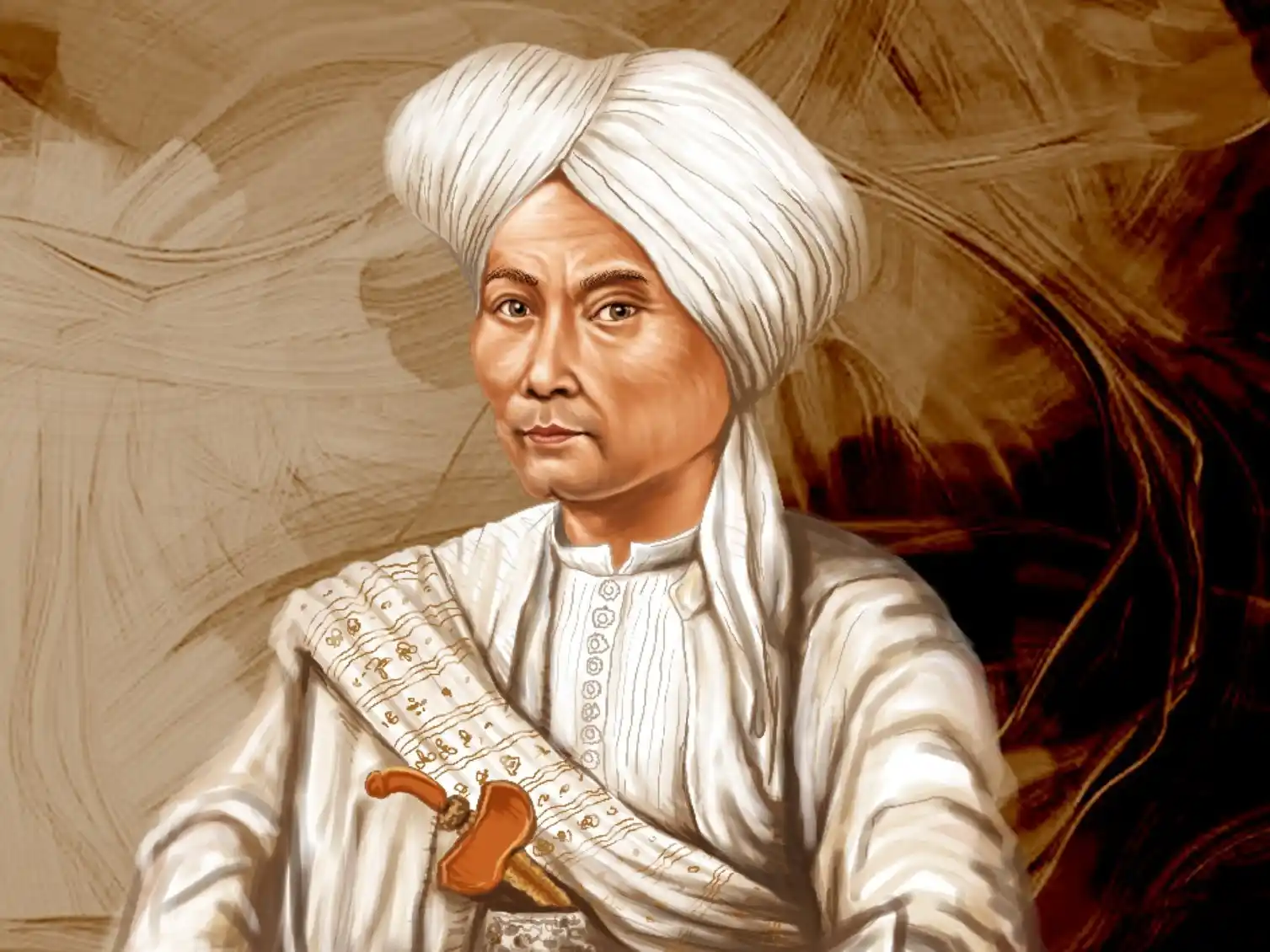
Prince Diponegoro was born in Yogyakarta, a region famous for its rich culture. He grew up in a royal family during a time of colonial rule and social change. Later, he became a symbol of resistance, faith, and Javanese tradition.
Table of Contents
Diponegoro was the eldest son of Sultan Hamengkubuwono III. He grew up with Javanese customs and Islamic teachings. Later, he led a major revolt against Dutch colonial rule. People remember him as a prince, a spiritual leader, and a national hero. His legacy still shapes Indonesia today.
History of Prince Diponegoro
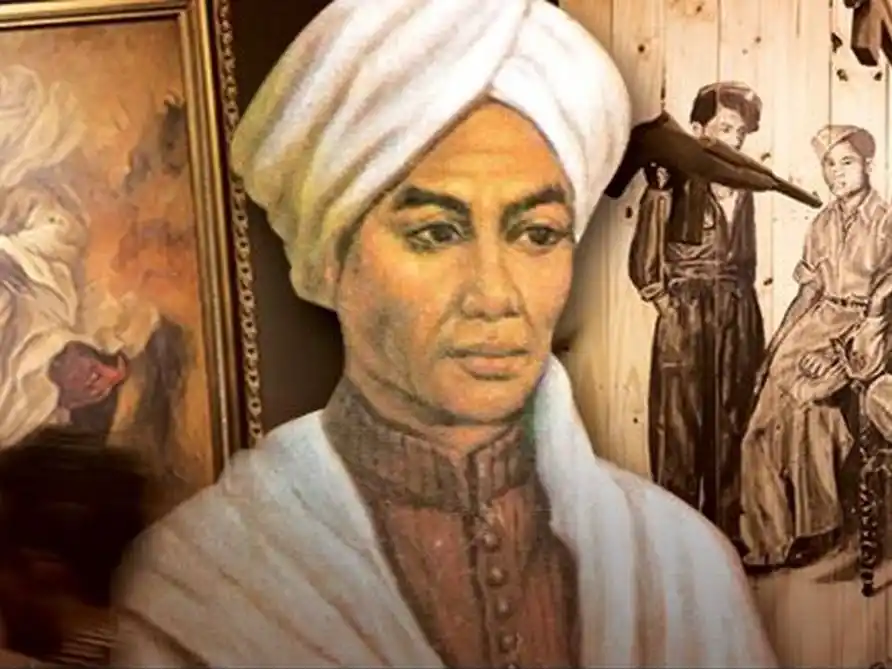
Prince Diponegoro was born on 11 November 1785 in Yogyakarta and was first named Bendara Raden Mas Mustahar. He was the eldest son of Sultan Hamengkubuwono III and Raden Ayu Mangkarawati. Even though he was royal, his mother’s status made his path to the throne uncertain.
He grew up during a time when colonial powers, land reforms, famines, and social changes threatened the old Javanese way of life. Diponegoro was very religious. He studied with Islamic scholars and learned Javanese mystical traditions. He often spent time in the countryside with his grandmother, Ratu Ageng Tegalreja.
By the early 1820s, tensions grew between the Dutch colonial rulers and the Javanese aristocracy. Economic hardship affected both peasants and nobles, which set the stage for a revolt. In 1825, Prince Diponegoro opposed Dutch land policies and began leading what is now known as the Java War (1825-1830).
His leadership during the five-year conflict made the war costly, with many Javanese lives and resources lost. In March 1830, during a truce meeting in Magelang, the Dutch arrested him. They later exiled him to Makassar in Sulawesi, where he died on 8 January 1855.
Prince Diponegoro at The Java War
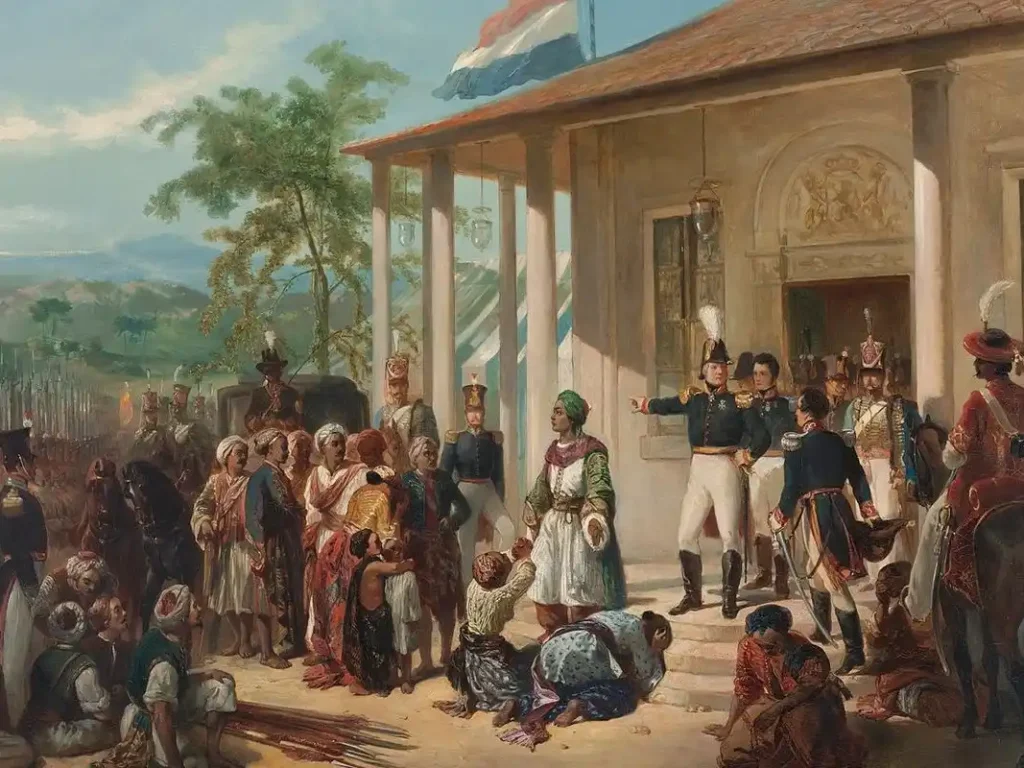
During the Java War (De Java Oorlog), Prince Diponegoro fought against the Dutch. Many people see him as the symbol of justice and believe he led a holy war (jihad) for his people, bringing together Javanese tradition and Islamic faith.
The conflict began due to social, economic, and spiritual problems. Dutch land reforms, high taxes, famine, and cholera all contributed to sparking the revolt. Diponegoro’s forces used guerrilla tactics in central Java and, for a while, made Dutch control very difficult.
The Dutch changed their military strategy in response. They built forts, improved roads and supply lines, and used mobile units. These changes helped them win the war in 1830. Even though Diponegoro was defeated, his struggle left a lasting mark on Java’s history.
The Legacy of Prince Diponegoro
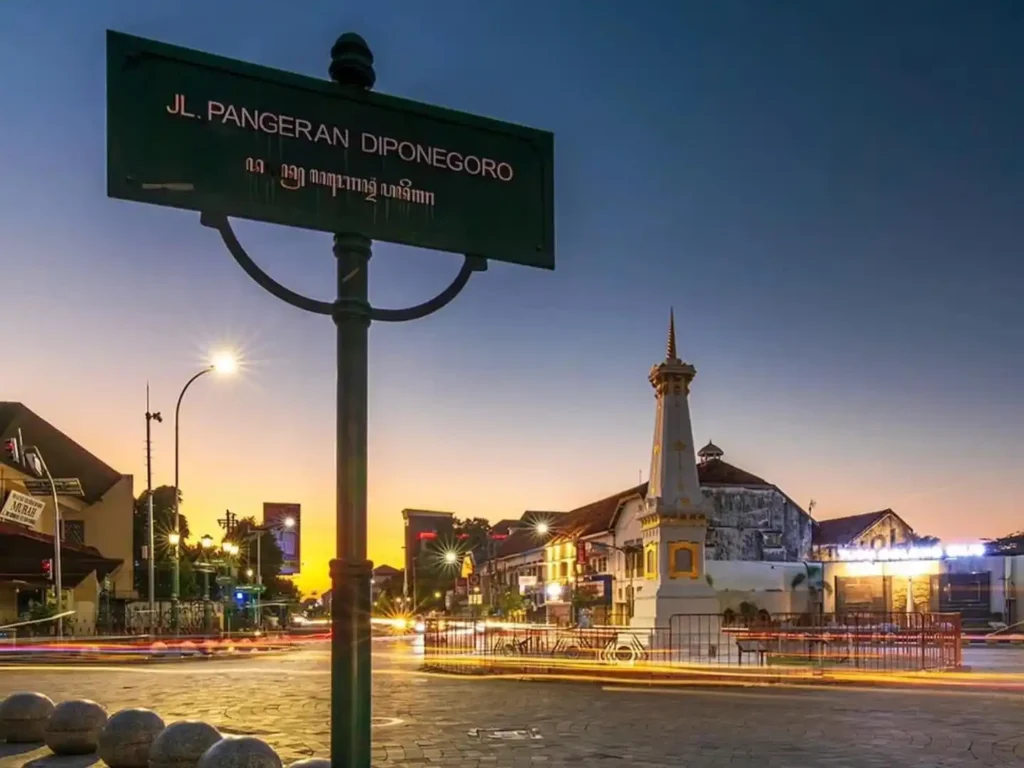
After his death, Diponegoro was honored by the Indonesian state as a national hero. Many places in Indonesia are named after him, including roads like Jalan Pangeran Diponegoro, a university (Universitas Diponegoro in Semarang), and military commands.
His writings have also survived. For example, his chronicle, Babad Diponegoro, tells the story of his life and vision and is listed on UNESCO’s Memory of the World register. Spiritually and culturally, Diponegoro’s legacy stands for religious devotion, anti-colonial resistance, and Javanese identity.
His image appears in the work of Dutch painter Nicolaas Pieneman and in Javanese art, where he is shown as a mystic warrior, reflecting his many symbolic roles. Today, his story inspires Indonesians as they think about colonial history, national identity, and personal courage. His journey teaches us about courage, faith, social justice, and the strength of tradition in times of great change.