

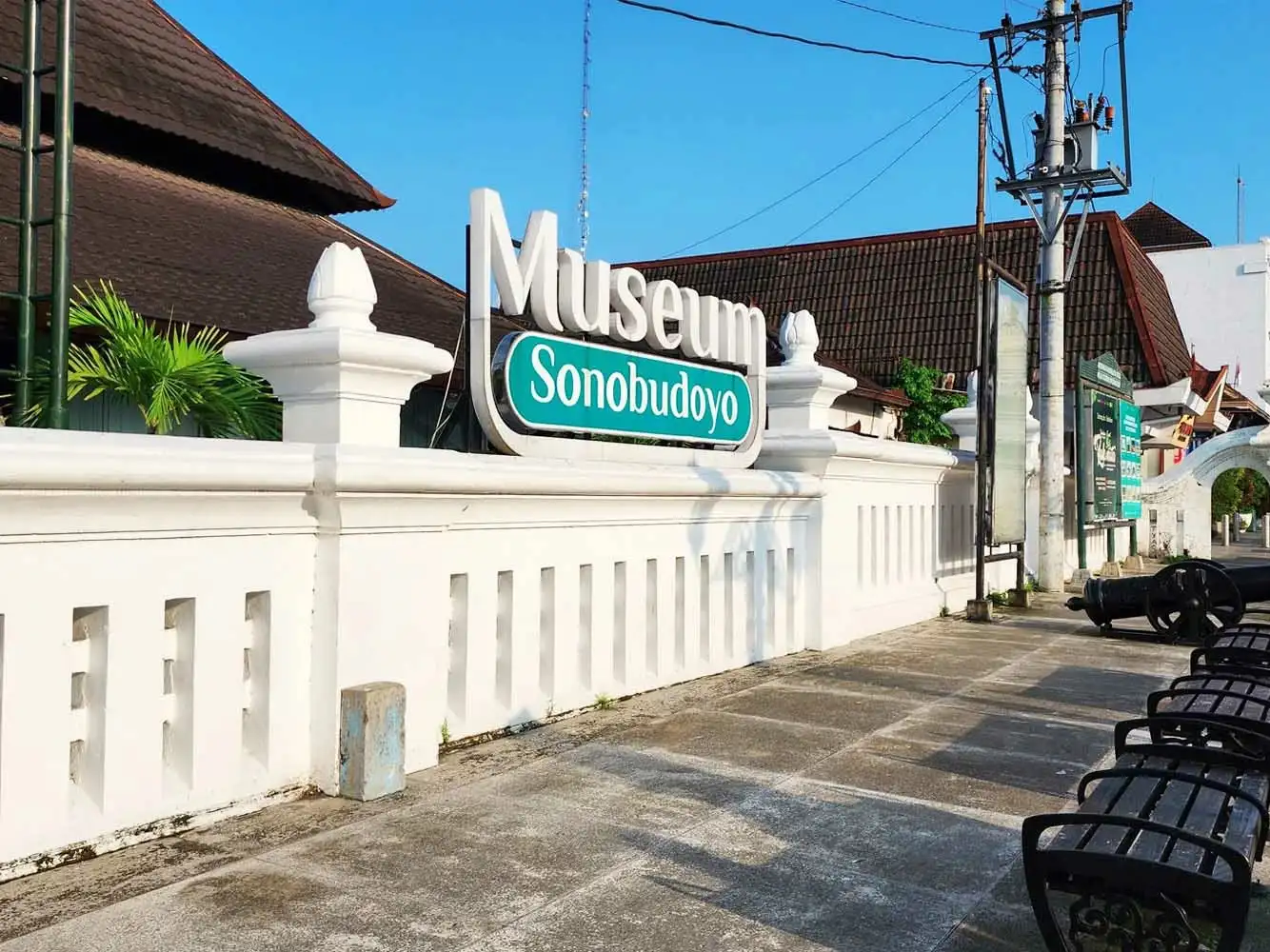
You could spend a lifetime uncovering all the history and culture of Yogyakarta. But if you’re looking for one place that captures it all, Sonobudoyo Museum is it. As the city’s oldest museum, Sonobudoyo houses an authentic collection that covers just about every aspect of Javanese heritage. Besides just looking at the displays, you can actually jump into different activities while you’re there.
Table of Contents
History of Sonobudoyo Museum

Sonobudoyo Museum was inaugurated on November 6, 1935, built under the guidance of the Java Instituut, a foundation established in 1919 to study the cultures of Java, Madura, Bali, and Lombok. In Javanese, ‘sono’ means ‘place’ and ‘budoyo’ means ‘culture,’ which perfectly describes what the museum is all about.
The architectural style of the Sonobudoyo Museum combines traditional Javanese elements, such as joglo limasan, with colonial touches, designed by Ir. Thomas Karsten. During colonial times, many cultural items were taken by the Dutch; some of these later found their way into the museum’s collection.
Over time, the museum’s management moved from Dutch to national institutions: by the 1970s, it was under Indonesia’s Ministry of Education and Culture, and since 2001, it has belonged to the Yogyakarta Provincial Office of Culture & Tourism.
Back in the day, the museum’s holdings were less accessible and more hidden. Today, guided exhibitions, regular performances, and improved display techniques make the collection more accessible to all.
The Collection of Sonobudoyo Museum

The Sonobudoyo museum displays some of the richest artifacts of Javanese and related cultures, such as:
- Wayang (Shadow Puppets): The museum has extensive collections of wayang kulit from Java and surrounding islands.
- Keris and Ancient Weapons: You’ll find many keris (Javanese daggers) and other traditional weapons, symbols of lineage, identity, and power.
- Masks and Costumes: There are Javanese masks, theatrical costumes, and ritual paraphernalia tied to performance arts.
- Ceramics and Bronze Sculptures: From Neolithic ceramics to 8th-century bronze statues, these pieces trace the arc of artistic and religious evolution.
- Manuscripts and Gold Ornaments: In its special units (e.g., Unit II/Candrakiranan), more delicate items, such as ancient manuscripts and gold objects, are housed.
Philosophically, each artifact is a vessel of meaning. The keris, for example. Keris is not a mere weapon; it carries spiritual, familial, and symbolic power in Javanese belief. Masks carry stories of spirits and human archetypes.
These items together show how Javanese cosmology, rituals, kinship, and artistry intertwine. The museum also added more interactive displays, nightly performances, and better labeling to bring the old materials alive for modern visitors.
Visitors can also enjoy several activities offered at the Sonobudoyo Museum. For instance, you can try their Batik workshop, where you create a majestic batik pattern using traditional equipment. In addition, you might watch a local film at Sonobudoyo Bioskop, or experience a live Wayang Orang performance in their assembly hall.
How to Get to Sonobudoyo Museum

Sonobudoyo Museum is located at Jl. Trikora or Pangurakan No. 6, Ngupasan, Gondomanan, Yogyakarta, is super easy to get to. Its strategic location near the Keraton (Sultan’s Palace) and bustling Malioboro Street means you can easily walk there in about 15 minutes or take a quick online taxi.
Those preferring public transport can take a Trans Jogja bus that stops near Pangurakan or the Keraton area, followed by a brief walk. The museum operates from Tuesday to Sunday, opening from 8 AM to 8 PM, and remains closed every Monday. For Unit II, known as Candrakiranan, visiting hours are slightly different, typically from 7.30 AM to 4 PM on weekdays.
The entrance fees are affordable: around IDR 10,000 for local visitors, IDR 5,000 for children, and approximately IDR 20,000 for foreign tourists. Special evening wayang performances are ticketed separately, usually IDR 20,000 for locals and about IDR 50,000 for foreigners.
Facilities include exhibition rooms, a manuscript library (accessible with permission), performance halls for wayang and dance, a souvenir shop, café, restrooms, seating areas, and optional guided tours, ensuring a comfortable and enriching visit. Follow @sonobudoyo museum on Instagram for updates.