

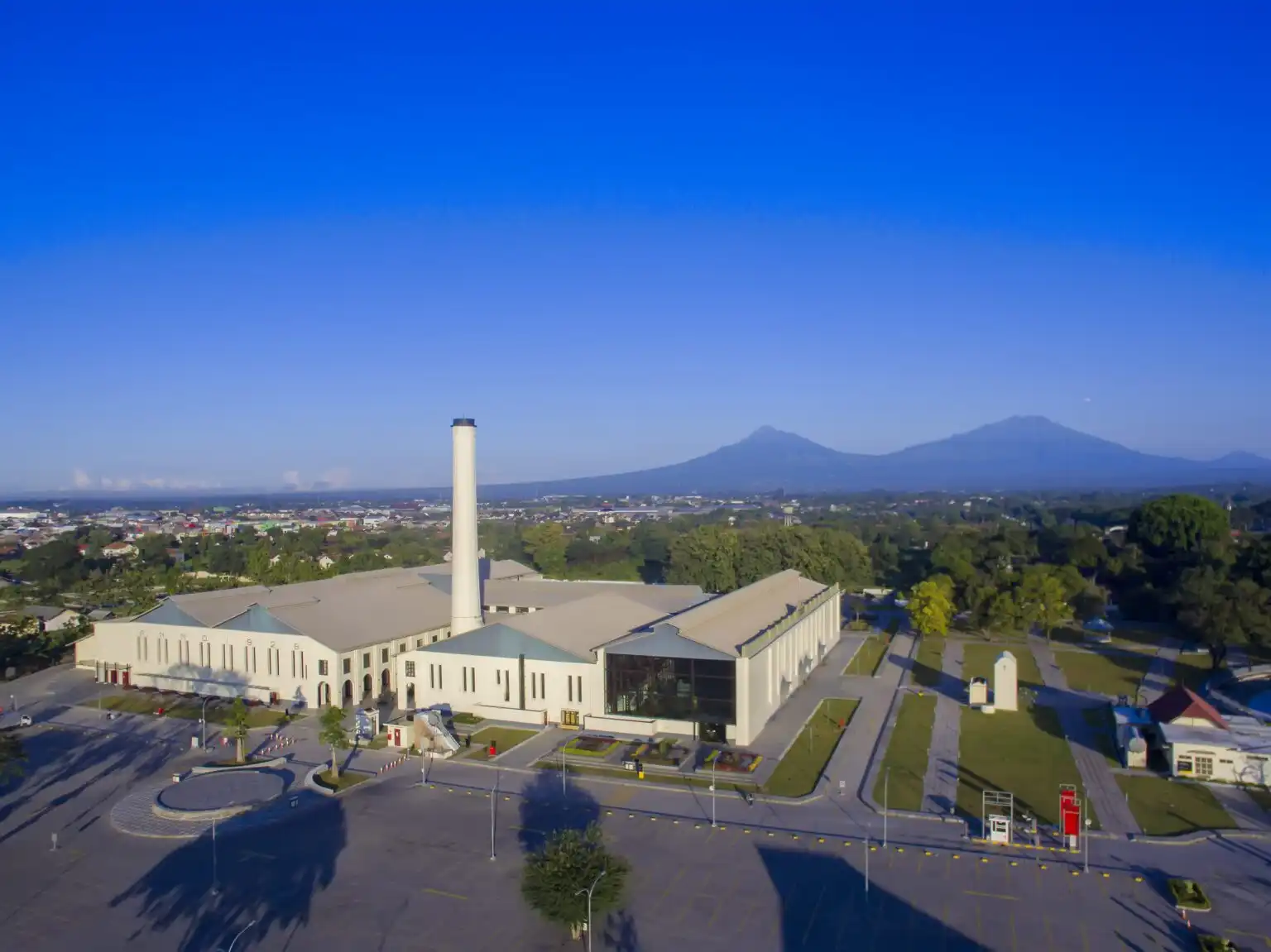
Museums filled with dioramas and glass displays are often where tourists make their way to. But near Solo, there’s one that takes a different approach.
Table of Contents
Enter De Tjolomadoe, a historic sugar factory in Karanganyar that walks visitors through towering machines, iron structures, and vast factory halls as part of the experience. While preserving traces of its past, contemporary exhibitions, concerts, cafés, and public spaces bring new life to the old complex.
What Is De Tjolomadoe?
De Tjolomadoe is a former sugar factory that has been revitalised into a heritage destination, museum, cultural venue, and creative public space. Once known as Pabrik Gula Colomadu, the complex offers a different way to experience the region’s industrial past without turning the historic site into a conventional museum alone.
Instead, historic industrial architecture blends with modern facilities, creating a space where the past and present exist alongside one another.While it’s not technically located in Solo, visitors only need around a 30-minute drive from the city to reach De Tjolomadoe in Colomadu, Karanganyar.
Those arriving at Adi Soemarmo International Airport will find it even more convenient, as De Tjolomadoe sits just around 5 kilometres south of the airport.
The Story Behind De Tjolomadoe
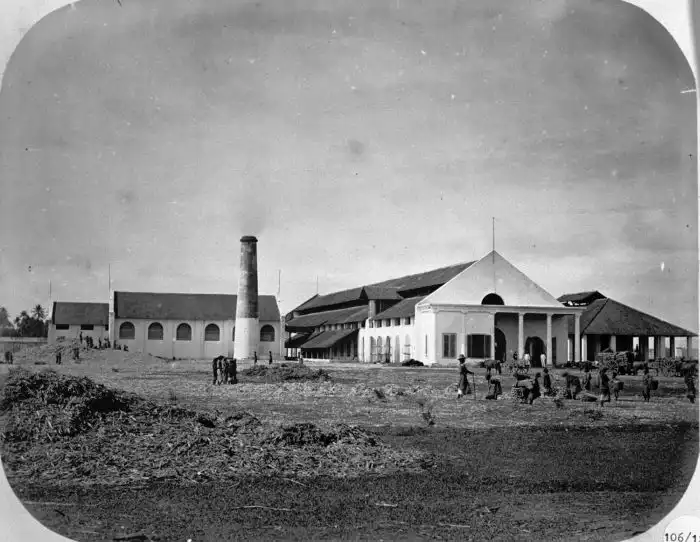
During the Dutch colonial era, De Tjolomadoe served as a sugar factory established under an agreement between the Dutch and Mangkunegaran IV in 1861. Equipped with advanced facilities for its time, it grew into one of the most developed sugar factories in Asia, with its production eventually exported to places including Singapore and Banda Neira.
However, De Tjolomadoe’s golden era eventually came to an end following the 1998 economic crisis. The factory was shut down and remained unused for nearly two decades until it was revitalised as a heritage destination in 2017.
Today, it stands as one of Indonesia’s most iconic industrial heritage sites, recognised for its preservation of history and antique architectural marvel while incorporating modern functions alongside the original structure.
What to See at De Tjolomadoe
Museum De Tjolomadoe
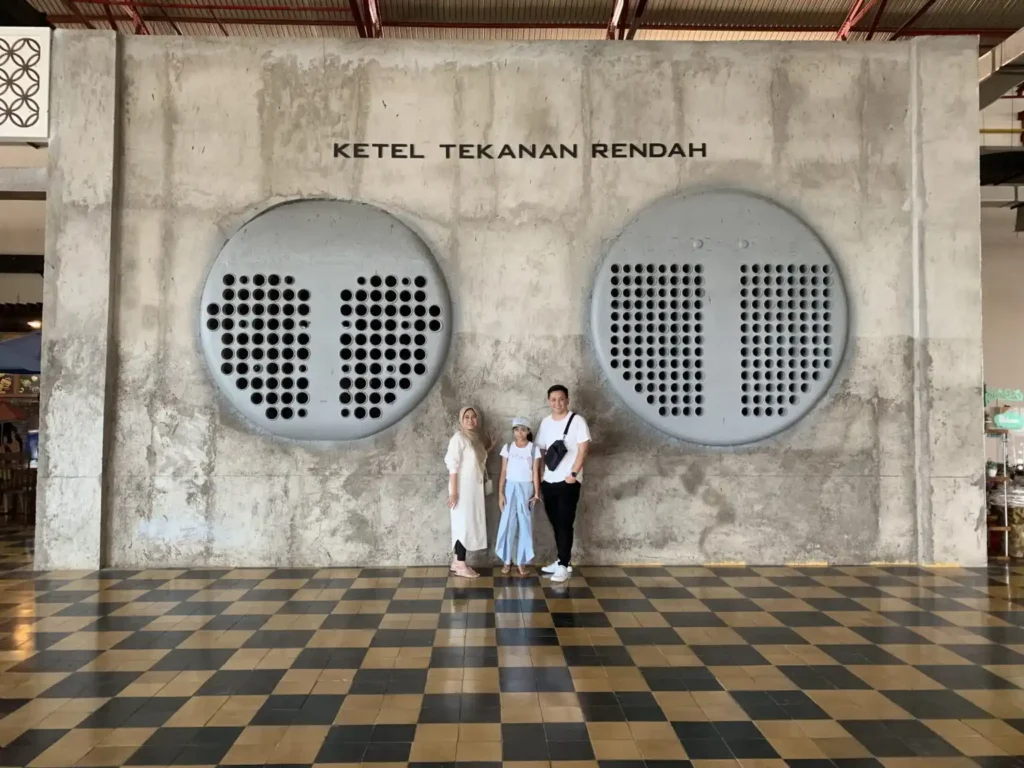
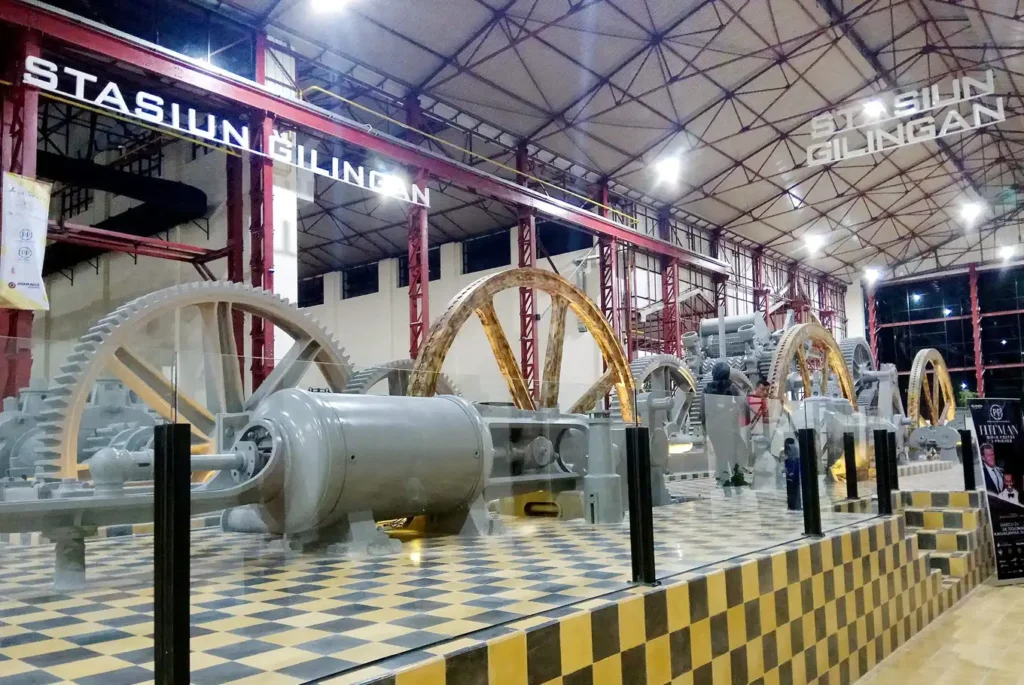
The museum is the best starting point for exploring the story behind the former sugar factory. Here, visitors can see the original large-scale sugar-processing machines that once helped make it a key player in the sugar industry in Java, Indonesia, and even the broader Asian region. To help visitors understand the history behind the machinery, multimedia installations and interpretive displays are also provided.
Historic Factory Building
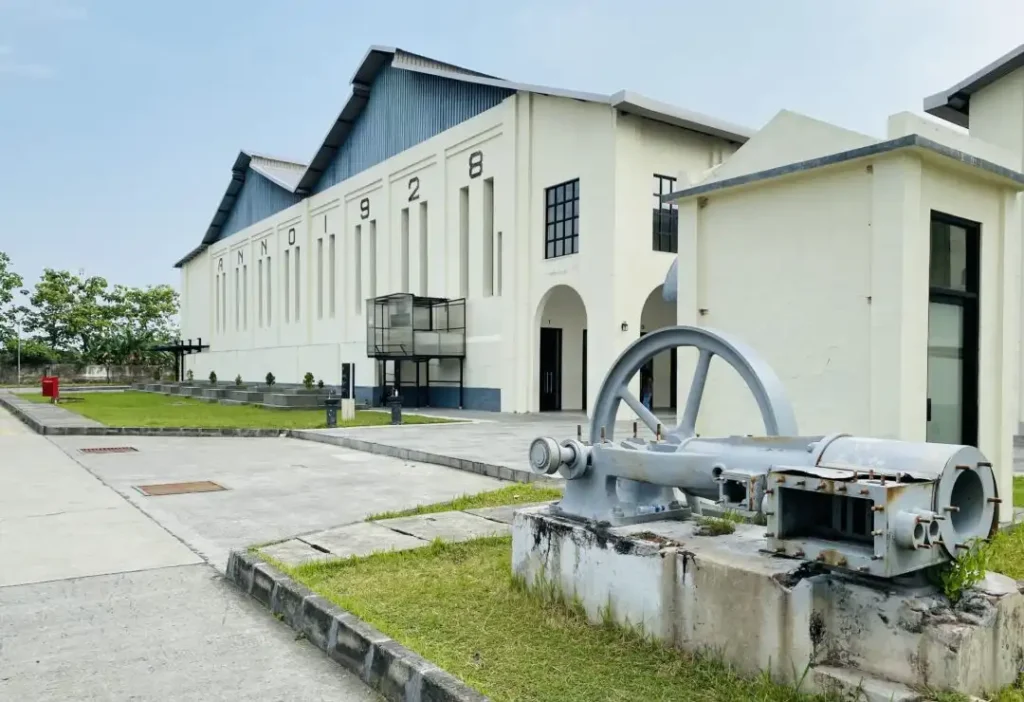
Even for visitors who are not particularly interested in industrial history, the architecture alone makes De Tjolomadoe worth exploring. Around every corner are original structures that have been preserved and restored, from towering machinery to vast industrial halls. These elements give De Tjolomadoe a distinct charm compared to conventional museums.
Event & Exhibition Spaces
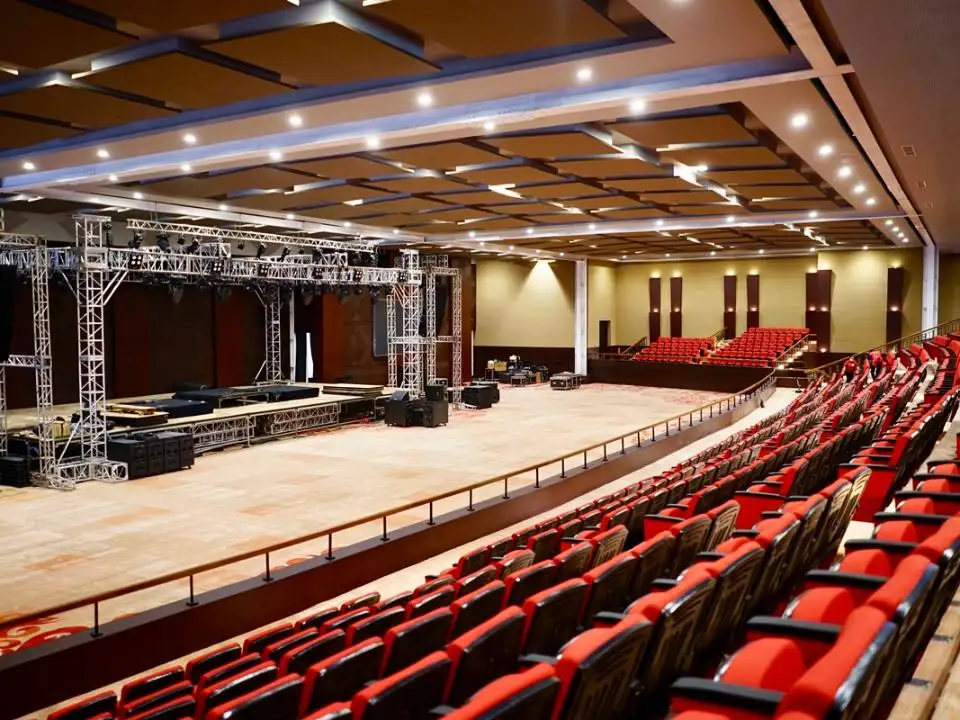
De Tjolomadoe also features spacious event and exhibition halls. With capacities of around 1,000 and 2,500 people, these venues provide a distinctive setting for concerts, exhibitions, conferences, and cultural festivals.
Visitors planning to attend a particular event are encouraged to check the latest schedule through the complex’s official website and Instagram page, as programmes may change throughout the year.
Cafés and Lifestyle Area
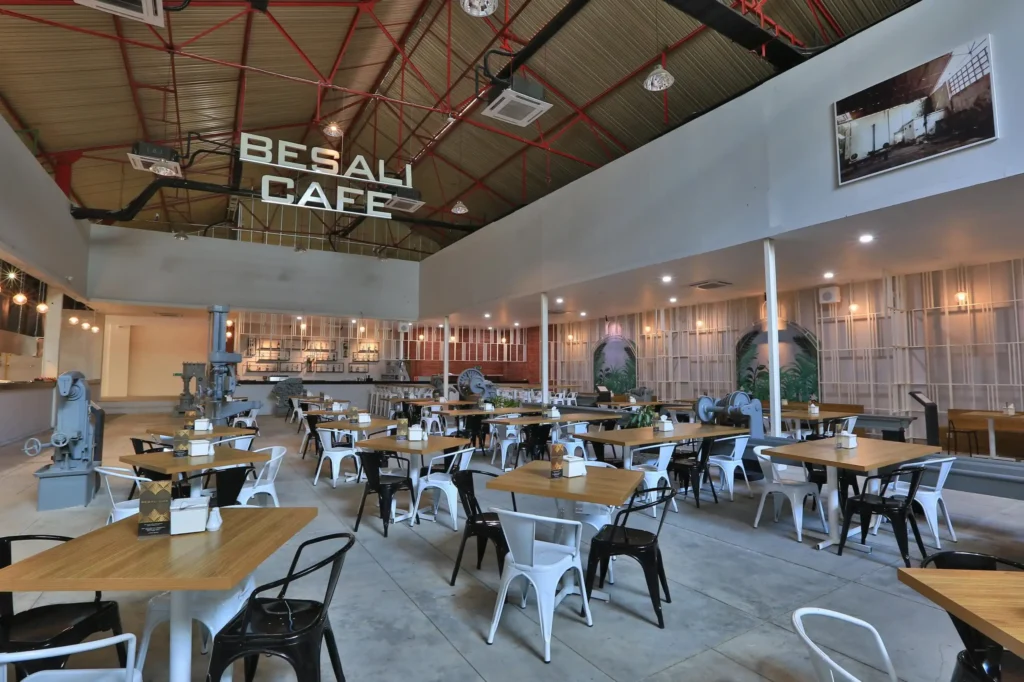
Just when you’re about to call it a day, Besali Cafe lets you take a break with a nice cup of coffee. Set within an industrial-inspired setting, the café makes a great spot to relax, recharge, and continue a conversation. Even if you’re not particularly interested in exploring the museum itself, the space is still worth discovering.
Planning Your Visit
Entrance Fee
- Domestic Tourists: IDR40,000
- Foreign Tourists: IDR100,000
These prices apply to museum admission, while concerts and special events typically require separate tickets at additional costs. Visitors are advised to check the latest information before visiting, as prices and event schedules may change.
Operating Hours
- Tuesday to Sunday | 9 AM – 5 PM (Monday closed).
A typical museum visit takes around one to two hours. However, if you’re planning to spend time at the café or explore the lifestyle areas, you might want to set aside a little more time.
How to Get There from Solo, Adi Soemarmo Airport, and Yogyakarta
De Tjolomadoe is located in Colomadu, Karanganyar, just outside Solo. From Solo city centre, the journey generally takes around 20 to 30 minutes. For travellers arriving by air, the location is particularly convenient. De Tjolomadoe is situated only a short drive from Adi Soemarmo International Airport.
If you’re travelling from Yogyakarta, expect a journey of approximately one to two hours depending on your mode of transportation and traffic conditions. A private car or online ride-hailing service is generally the most convenient option.
The complex has parking facilities for private vehicles, while online transportation services such as Gojek and Grab can also provide easy access.
Frequently Asked Questions
What is De Tjolomadoe?
De Tjolomadoe is a revitalised former sugar factory in Colomadu, Karanganyar, near Solo. The historic complex now functions as a heritage museum, cultural venue, event space, and lifestyle destination.
How much is the entrance fee?
Museum admission is generally around IDR40,000 per domestic tourist, and IDR100,000 for a foreigner. However, special events usually require separate tickets.
Is De Tjolomadoe still a sugar factory?
No, the former Pabrik Gula Colomadu stopped operating in 1998. The historic factory was later revitalised and reopened as De Tjolomadoe, with its original industrial elements preserved as part of a heritage and cultural destination.
How long does a visit take?
A museum visit usually takes around one to two hours. If you also plan to enjoy the café or an event, allow two to three hours or longer.
Can I visit without joining an event?
Yes, De Tjolomadoe can be visited even when you’re not attending a concert or special event.
De Tjolomadoe is the true example of how heritage doesn’t always have to remain frozen in time. Though its old machines may no longer produce sugar, the factory has found a new purpose as a place for people to immerse themselves in history, architecture, and culture at the exact place it flourished.
For travellers exploring Solo and its surroundings, pair your visit with other historic attractions such as House of Danar Hadi.