


Pura Pakualaman is one of the most stunning findings of Yogyakarta. This royal palace stands as a symbol of elegance, tradition, and resilience. Built centuries ago, it is more than just a beautiful structure, it holds a deep meaning in the hearts of the locals and represents a significant part of Javanese royal history.
Table of Contents
Table of Contents
History of Pakualaman
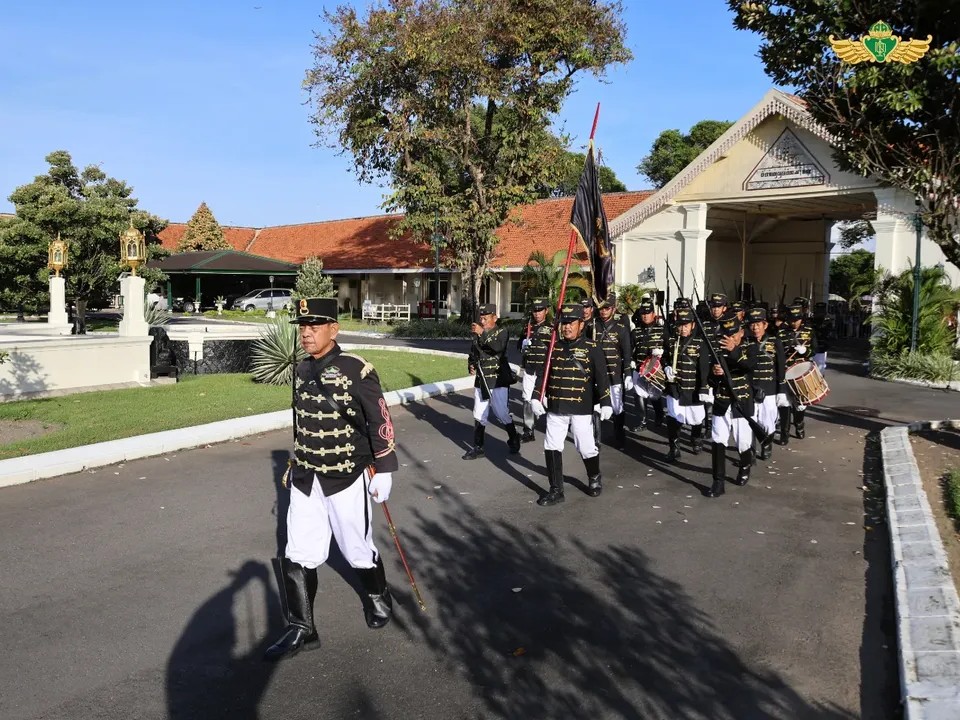
Pura Pakualaman was established in 1813, during a time of political tension between the Yogyakarta Sultanate and the Dutch colonial government. The palace was founded by Pangeran Notokusumo, who later became the first Duke of Pakualaman, or Paku Alam I. His loyalty to the Dutch was rewarded with autonomy and his own royal house, Pakualaman.
The formation of the Pakualaman Duchy was meant to create a balance of power in Central Java, specifically in Yogyakarta, after the split of the Mataram Kingdom. Similar to the Surakarta-based Mangkunegaran Palace, Pakualaman became a semi-autonomous royal territory under Dutch colonial rule.
Over the years, many aspects of life at Pura Pakualaman have changed. While in the past royal rituals were held daily or weekly, today they occur mostly during important cultural events or royal anniversaries. However, the sense of reverence and cultural pride remains strong.
Area of Pura Pakualaman
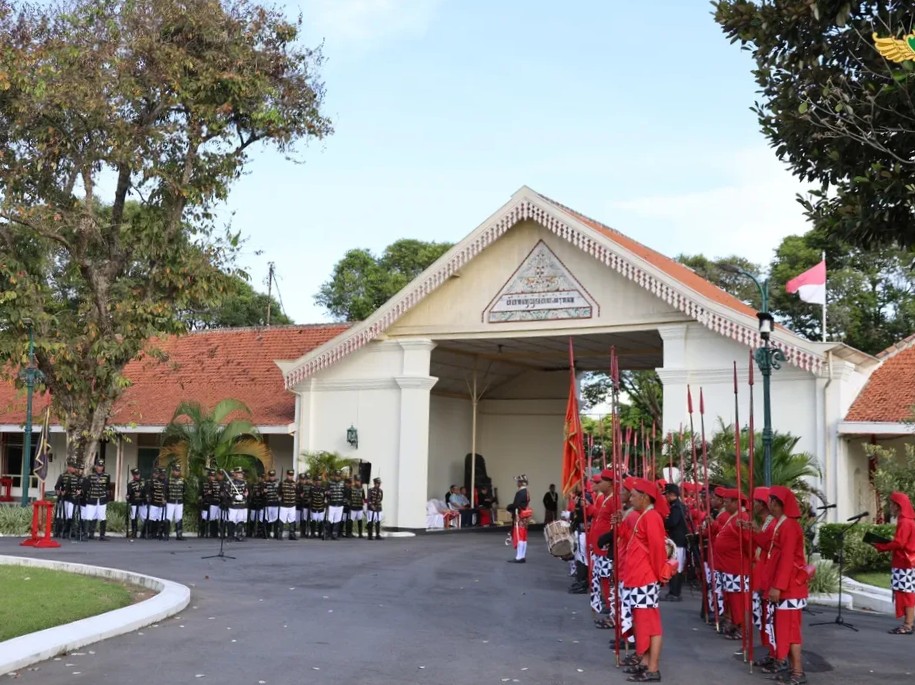
The architectural layout of Pura Pakualaman reflects the traditional Javanese palace structure. The complex features a main building known as Pendopo, which serves as a reception hall for guests and royal events. It is open-sided and beautifully decorated with wooden carvings and royal emblems.
Another key area is the Dalem Ageng, the private residence of the Paku Alam family. Although this section is not open to the public, its existence gives the palace a living, breathing royal identity. Visitors can also see the Sasana Sewaka, a small museum located within the palace grounds that exhibits historical artifacts, manuscripts, and royal family memorabilia.
The palace is surrounded by a well-maintained garden, which gives it a serene and majestic atmosphere. Every element, from the trees to the stone pathways, is arranged with care and symbolic meaning. The layout of the palace follows Javanese cosmology, where balance between humans, nature, and the spiritual world is deeply honored.
How to get to Pura Pakualaman
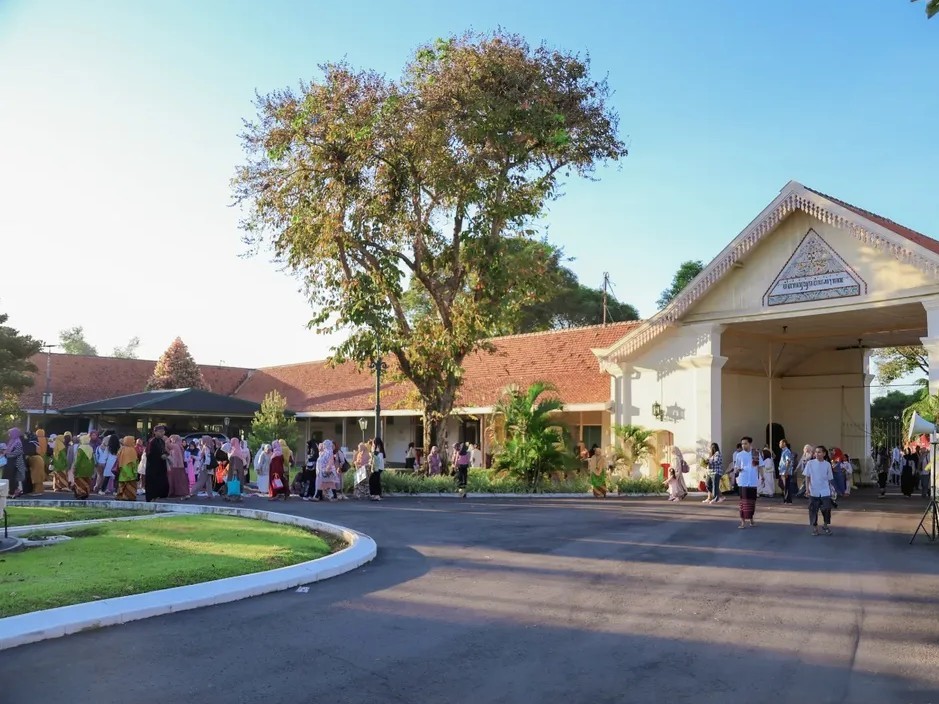
Getting to Pura Pakualaman is quite easy. It is located in the heart of Yogyakarta city, at Jl. Sultan Agung No.2, not far from popular attractions like Malioboro Street and the Yogyakarta Palace (Kraton).
From Tugu Yogyakarta Station, a becak (pedicab) or online motorbike taxi will get you to the palace in roughly 15-20 minutes. TransJogja buses also offer routes with nearby stops for public transport users. Parking is available for private vehicles, but it’s best to go on weekdays to avoid crowds. The Palace is not generally open to the public.
Access is granted only for specific purposes and must be approved in advance. Some areas may be visited under special arrangements, often accompanied by guides who share cultural and historical context respectfully. Follow them on Instagram @purapakualaman to get the latest updates on their events.
A visit to Pura Pakualaman is more than just sightseeing, it’s a moment to connect with the soul of Yogyakarta, and you will leave with a deeper understanding of this city’s heritage.