

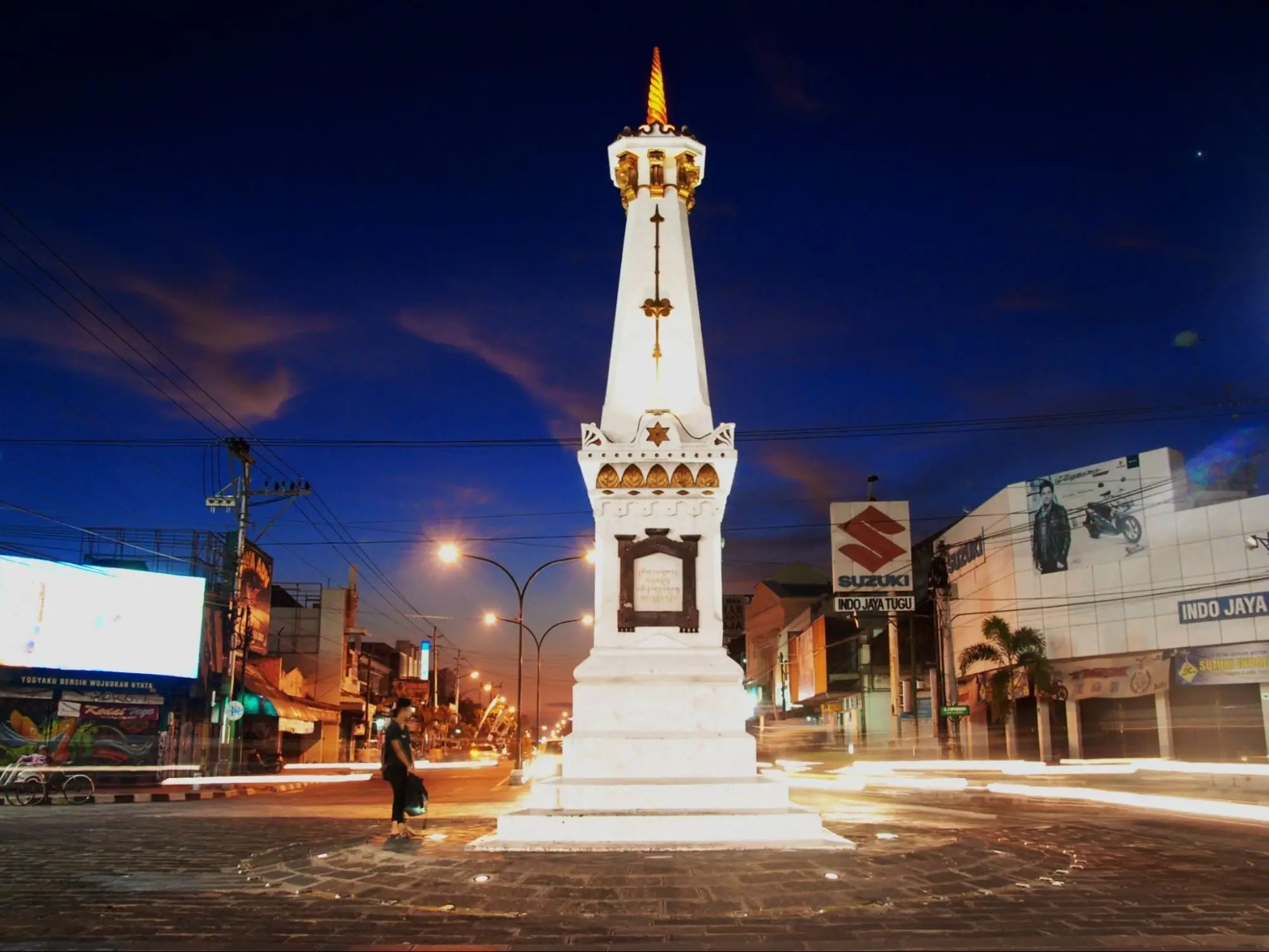
When you walk through the historic streets of Yogyakarta, you’ll notice one name that stands out. Tugu Jogja. A tall white monument sits at the heart of the city. It’s more than just a photo spot. Tugu Jogja is a living symbol of the region’s culture, unity, history, and local pride.
Table of Contents
The monument was built in the mid-18th century, during the reign of Sri Sultan Hamengkubuwono I. At first, it represented ideas about the ruler and the people, as well as the connection between nature and spirit.
Over the years, its shape, meaning, and surroundings have changed, but it remains one of Yogyakarta’s most important landmarks. In this article, we’ll look at its origins, history, meaning, and what it represents today.
History of Tugu Jogja: A Monumental Landmark Symbolizing Unity
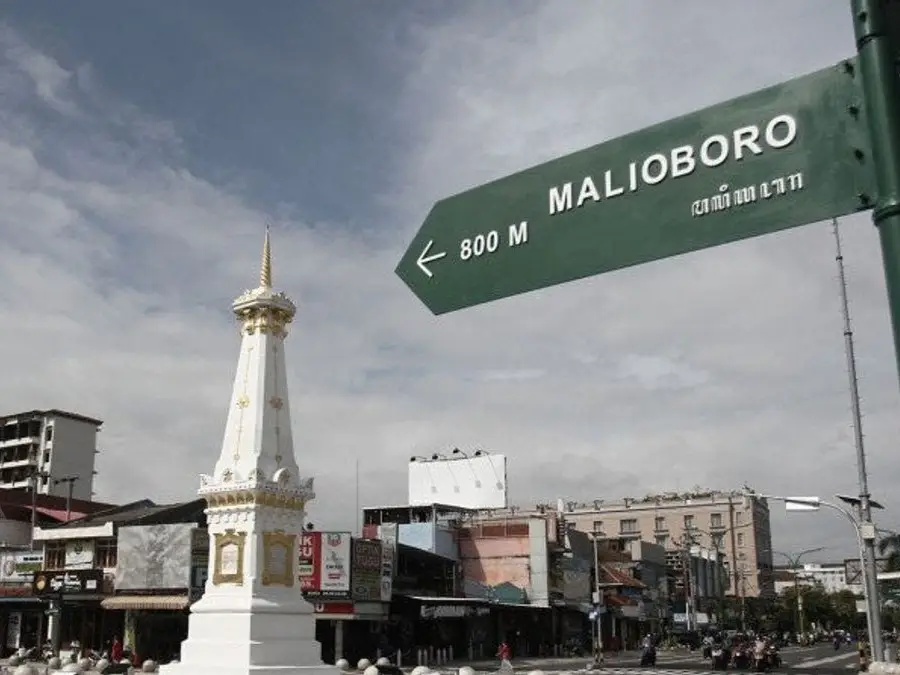
Tugu Jogja was built in 1755, during the reign of Sultan Hamengkubuwono I. At that time, it was called Tugu Golong-Gilig. In Javanese, “Golong” means round or sphere, and “Gilig” means cylinder. The monument had a cylinder-shaped body topped with a round ball.
The shape symbolized the union of the ruler and the people, showing spiritual faith unity (Manunggaling Kawula Gusti). Its location was also important. The monument sits on a cosmological Axis of Yogyakarta connecting the Southern Sea, Keraton Yogyakarta, and Mount Merapi, reflecting a Javanese belief that links nature, power, and spirit.
Big changes happened later. On June 10, 1867, a massive earthquake hit Yogyakarta, and the original monument collapsed. In 1889, during Dutch colonial rule and under Sultan Hamengkubuwono VII, the monument was rebuilt with major differences. The base became square, the top changed from a round ball to a pointed cone, and its height was reduced from about 25 meters to 15 meters.
Some scholars argue that the colonizers altered the monument to weaken its original meaning. Today, Tugu Jogja still stands at the city’s main intersection. It has been maintained and renovated over the years, and it remains a strong symbol of Yogyakarta’s royal history and shared identity.
Things to Explore Near Tugu Jogja
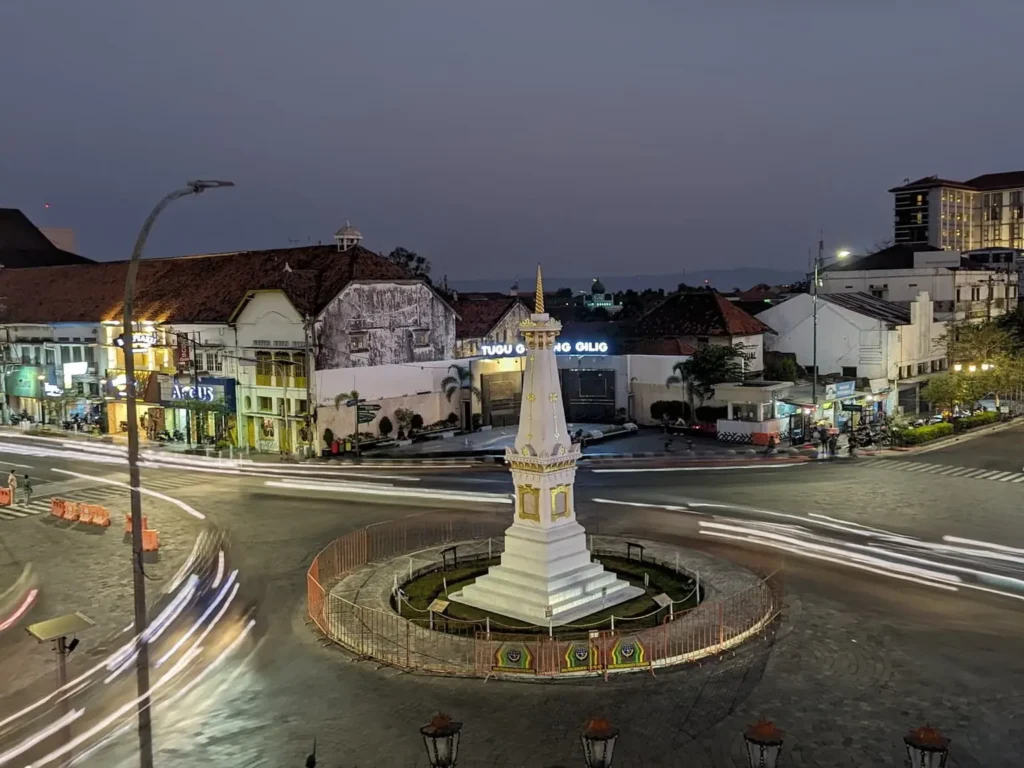
After seeing the monument, you can visit several nearby places that add to your experience and help you understand the city better:
1. Malioboro Street
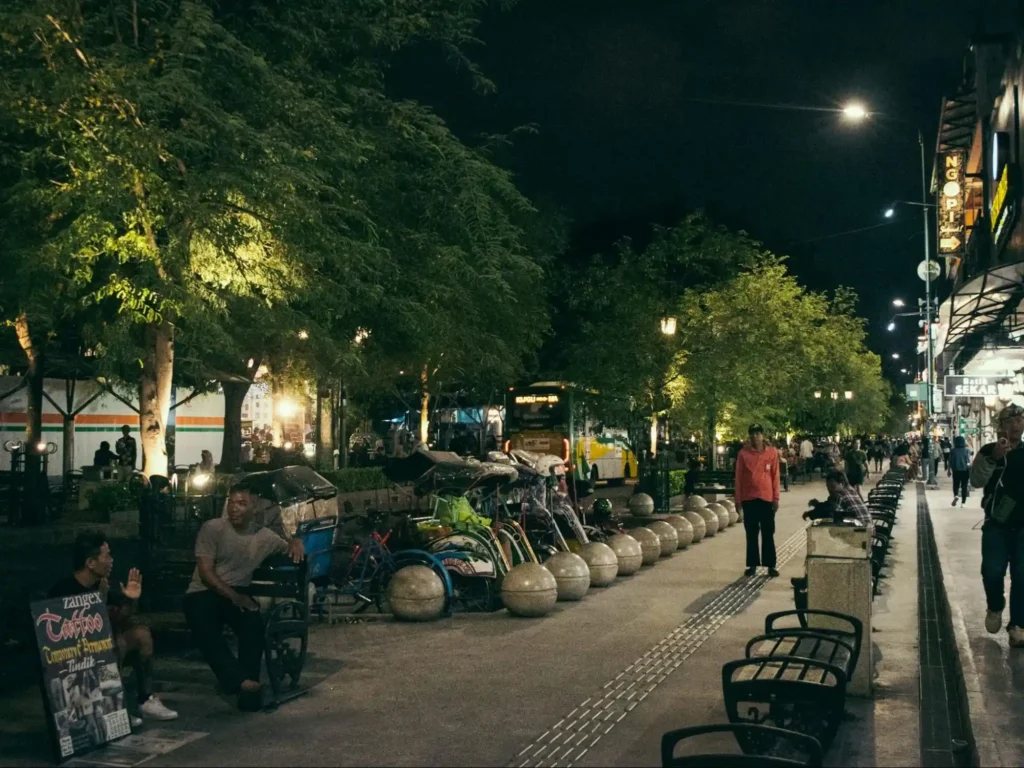
Malioboro Street is near the famous monument and is the heart of daily life in Yogyakarta. The street is lined with vendors, souvenir shops, and the tempting smell of local food. Walking here, you’ll see tradition, business, and city life all together.
After visiting Tugu Jogja, walking along Malioboro lets you experience the city’s lively spirit. The best time to go is early evening, when the street glows with warm light, and crowds fill the area. The atmosphere feels both magical and real, showing the true spirit of Yogyakarta.
2. Keraton Yogyakarta
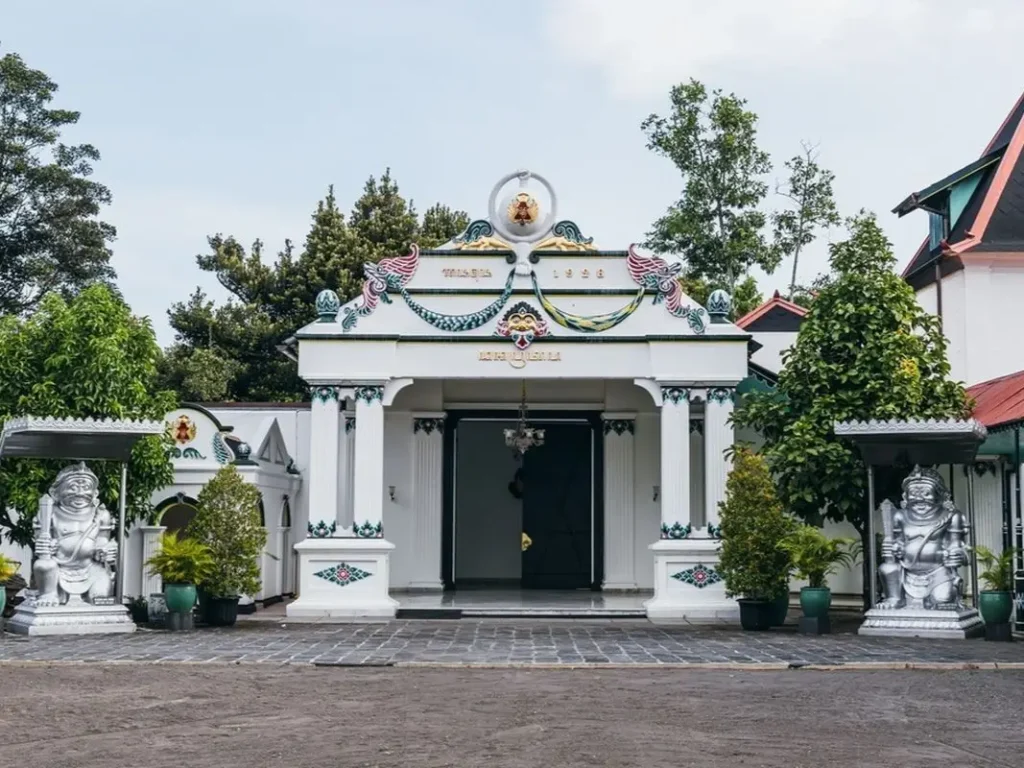
Keraton Yogyakarta, located in the center of the city, is still home to the Sultan and his family. This large palace stands as a symbol of Yogyakarta’s lasting heritage. Its halls, courtyards, and ceremonial spaces are full of history, art, and tradition.
Visiting the Keraton helps you see how Tugu Jogja connects to royal power and cultural balance. Joining a guided tour is a great way to learn about the palace’s architecture, royal traditions, and the deeper meanings behind Yogyakarta’s culture and history.
3. Pasar Kranggan
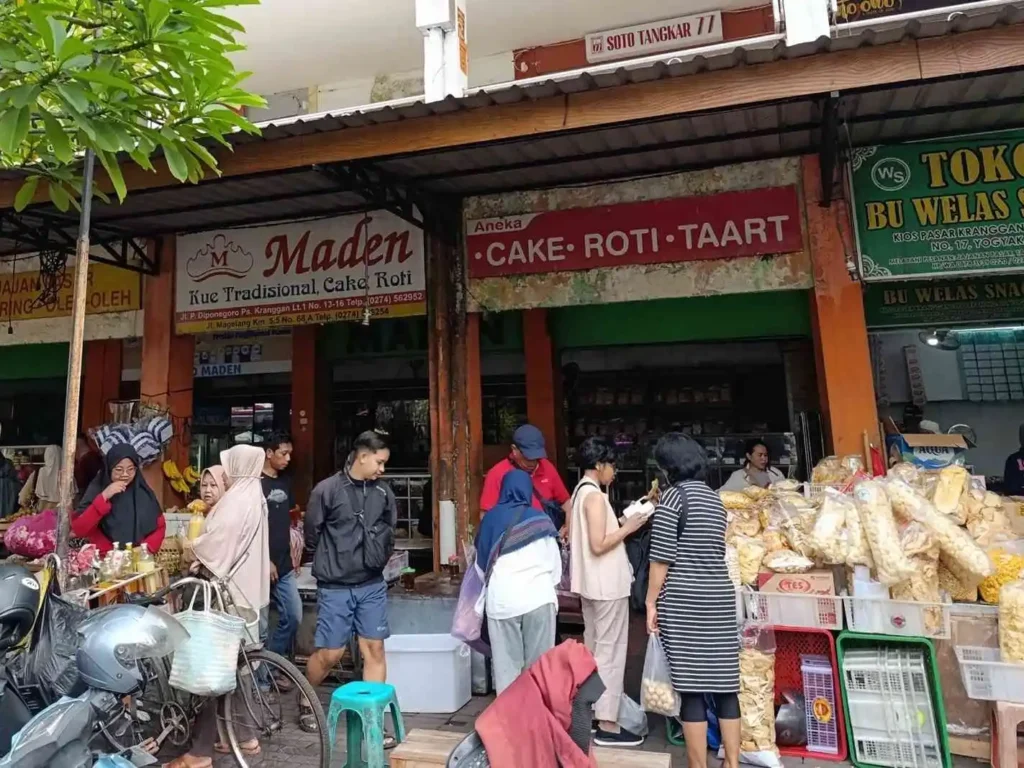
Pasar Kranggan is a lively market close to the city center. It’s filled with the sights and sounds of daily life in Yogyakarta. Stalls offer crafts, batik fabrics, and tasty local snacks, giving you a real sense of the city’s busy community.
After visiting Yogyakarta’s monuments and palaces, Pasar Kranggan offers a different look at the city’s daily life and culture. Here, you can bargain, taste local snacks, and pick up souvenirs. These moments will leave you with memories of the city’s warmth, friendliness, and real charm.
Visiting Tugu Jogja is more than just seeing a monument. It means standing where history, culture, and daily life meet in Yogyakarta.