

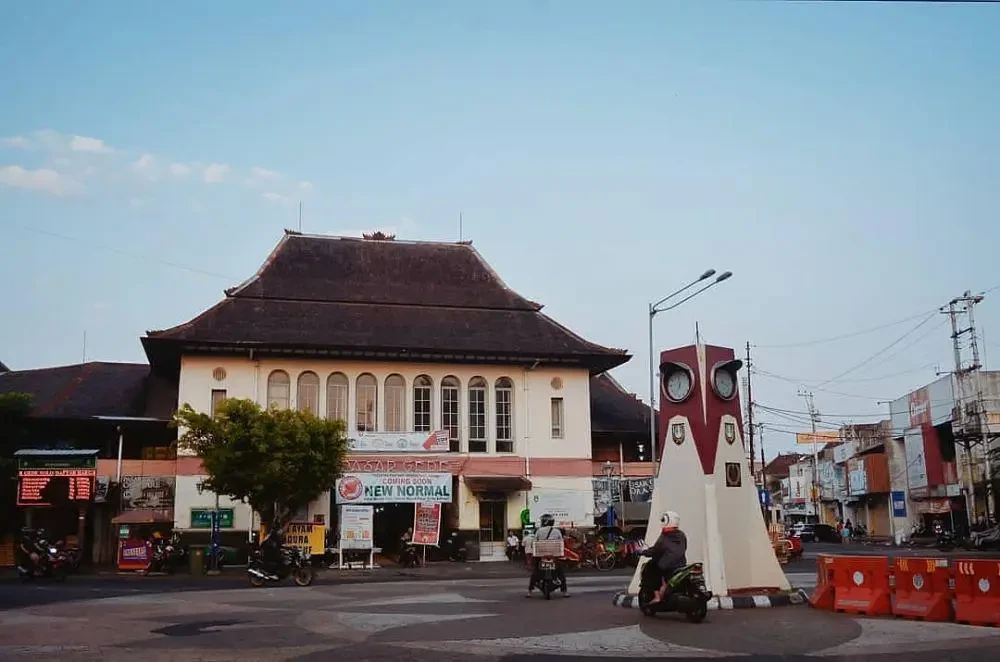
The city of Surakarta is home to many fascinating destinations, and one of its most iconic is Pasar Gede. The historic marketplace has played an important role in shaping daily life and connecting the city’s residents through commerce, food, and community.
Table of Contents
This guide walks you through everything you need to know about Pasar Gede Solo, from its rich history and unique architecture to the must-try foods that make every visit memorable.
What Is Pasar Gede Solo?
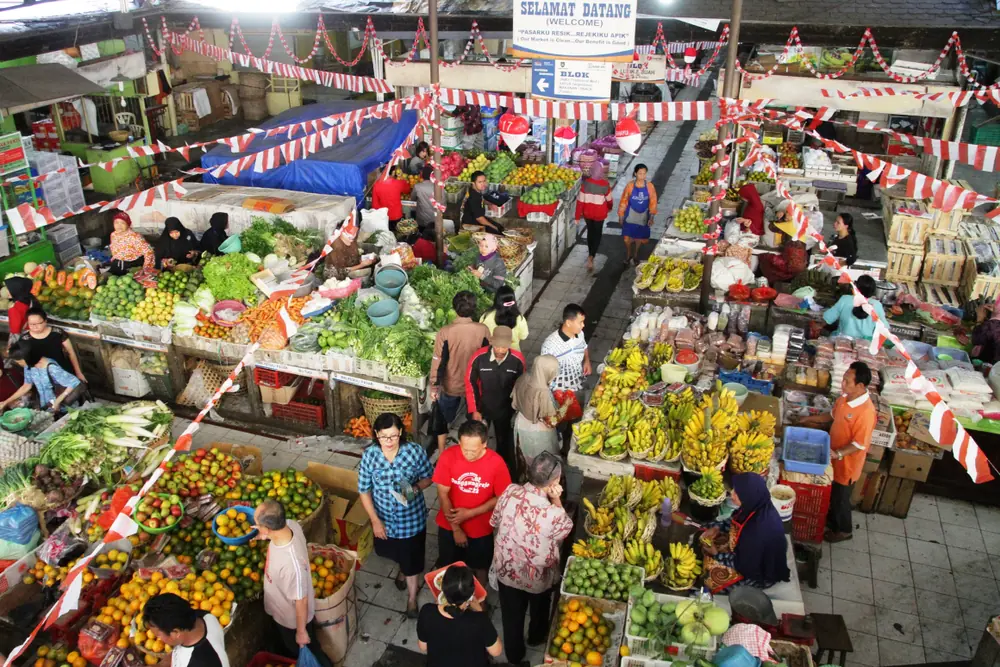
Pasar Gede Solo, officially known as Pasar Gede Hardjonagoro, is the oldest and largest traditional market in Surakarta, Central Java. Located near the city center, the market serves as a major hub for food, household goods, fresh produce, and local commerce. Over time, Pasar Gede Solo has evolved beyond its commercial role to become one of the city’s most popular cultural attractions.
- Address: Jl. Jend. Urip Sumoharjo, Sudiroprajan, Kec. Jebres, Kota Surakarta, Jawa Tengah 57129
The History and Architecture of Pasar Gede
One of the main reasons people come to Pasar Gede is the food. In its busy alleys, you’ll find many authentic dishes that carry Solo’s flavor. Here are some must-try items you should not skip.
What to Eat at Pasar Gede
For many visitors, food is the biggest reason to explore Pasar Gede. Arriving early in the morning offers the widest variety of traditional dishes and market snacks.
Traditional Breakfast Favorites
- Nasi liwet – One of Solo’s signature dishes, consisting of rice served with coconut milk-based flavors and traditional accompaniments.
- Timlo Solo – A comforting soup featuring clear broth and a combination of local ingredients.
- Kembang Tahu – A warm dessert made from silky tofu served in a sweet ginger syrup.
Snacks and Sweets
- Serabi Solo – Soft pancakes traditionally made from rice flour and coconut milk.
- Intip – Crispy rice crackers made from a toasted rice crust.
- Kue Pukis – A fluffy Indonesian cake with a soft texture, commonly flavored with chocolate, cheese, or pandan.
Jamu and Local Drinks
- Jamu – Traditional herbal beverages made from natural ingredients such as turmeric, ginger, tamarind, and other medicinal herbs.
- Wedang varieties – Warm traditional drinks often prepared with ginger, herbs, or spices.
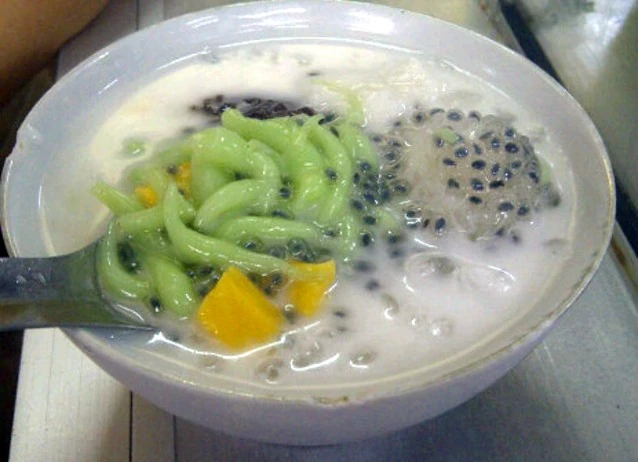
- Es Dawet – A refreshing iced drink featuring rice-flour jelly, coconut milk, and palm sugar syrup, perfect for Solo’s tropical weather.
Pasar Gede and Chinese-Javanese Urban Culture
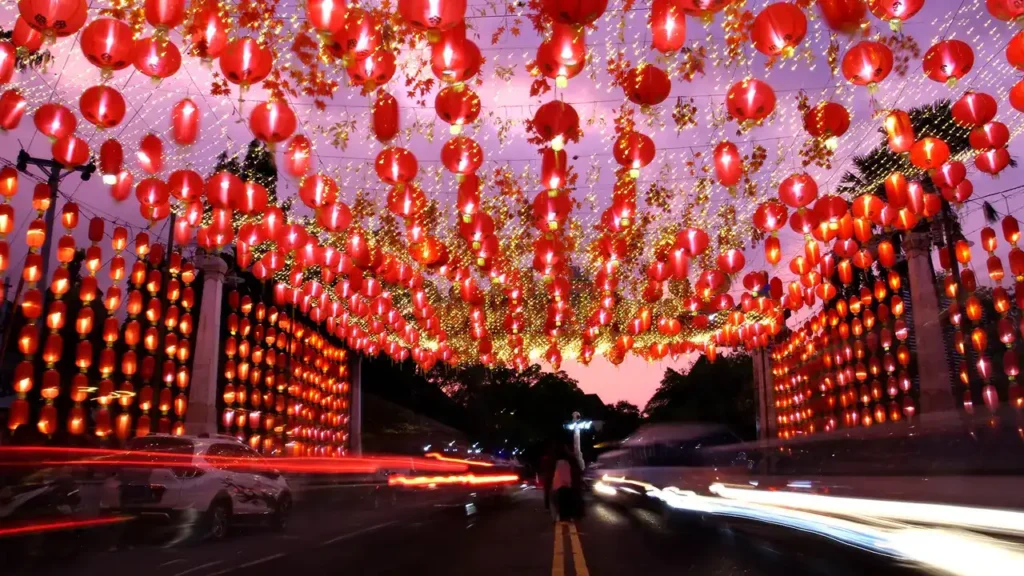
Pasar Gede occupies a unique position within Solo’s multicultural landscape. The market is located near the historic Balong area, which has long been associated with the city’s Chinese-Indonesian community. This proximity contributed to the development of a vibrant urban environment where different cultural influences interacted through trade, food, and neighborhood life.
Visitors exploring the area may notice how markets, shops, temples, and traditional businesses coexist within the surrounding streets. These layers of history reflect the broader story of Surakarta as a city shaped by both Javanese court culture and commercial networks established by diverse communities, especially Chinese.
Best Time to Visit Pasar Gede
While Pasar Gede is often described as a market that stays active throughout the day, operating hours vary by vendor. Most stalls are open between 8 AM and 5 PM, while some fresh produce and breakfast vendors begin trading much earlier.
If you’re planning to visit, 6 AM to 8 AM is widely considered the best time to explore Pasar Gede. Vendors are fully active, food stalls are serving fresh breakfast dishes, and the atmosphere is at its most vibrant. By midday, the market remains busy and suitable for shopping, though some food vendors may begin to close after the breakfast rush.
A few practical tips can help make the experience smoother:
- Bring cash, as many traditional vendors may not accept digital payments.
- Wear comfortable footwear for walking through crowded sections.
- Arrive before late morning if food is your main priority.
- Move politely through busy aisles and be mindful of local shoppers conducting their daily business.
While royal palaces and heritage buildings like the Keraton Solo and Pura Mangkunegaran tell the story of Solo’s past, Pasar Gede reveals the city’s living culture in the present. It’s a place where food, commerce, and community come together, offering visitors an authentic look at everyday life in Surakarta.
Planning a longer stay? Continue exploring our handy guide to the best things to do in Surakarta to discover more of the city’s charm.