
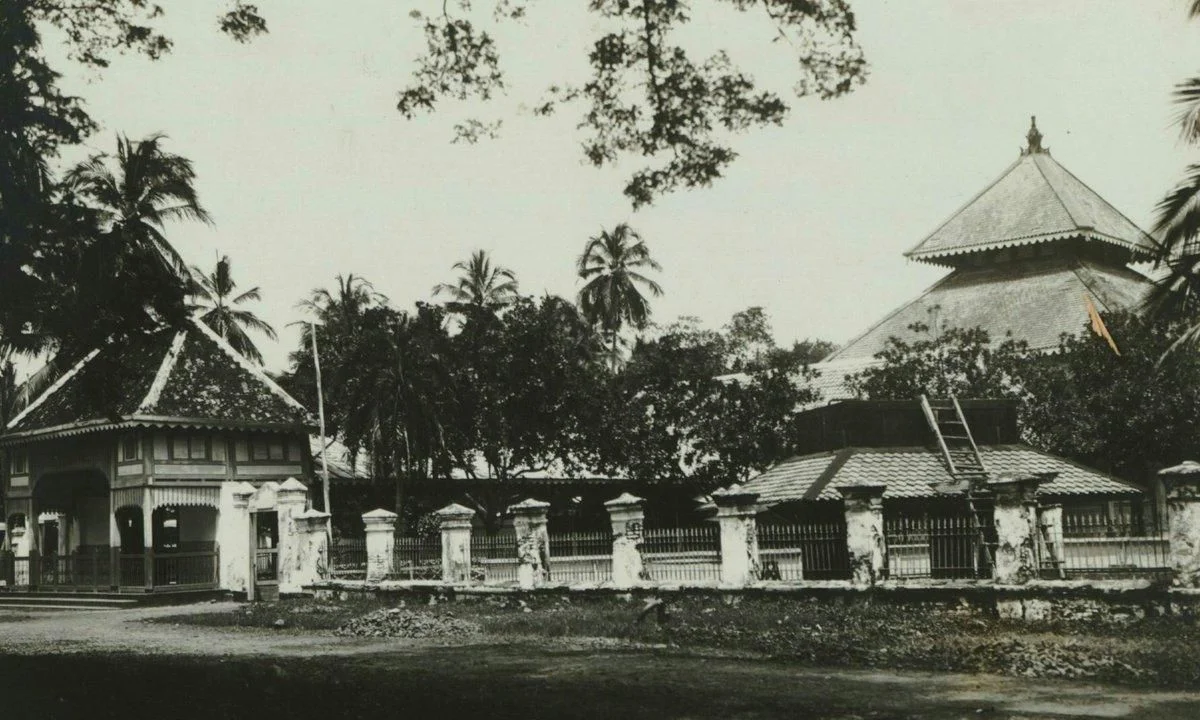
The Demak Sultanate was one of the most influential early Islamic kingdoms in Java, emerging along the island’s northern coast in the late 15th century. Its development was closely tied to maritime trade and the growing influence of Muslim communities, eventually reaching the height of its political power in the 16th century.
Table of Contents
Although the kingdom is now part of history, its legacy remains visible through historic sites, Islamic traditions, and the development of later Javanese kingdoms.
What Was the Demak Sultanate?
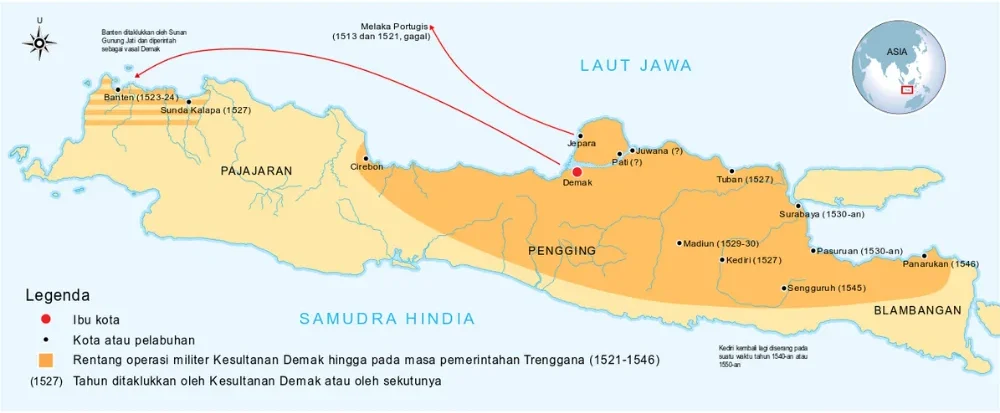
Along the northern coast of Java was once a thriving centre of trade and political activity under the Demak Sultanate. The kingdom benefited from its strategic location, which provided access to maritime routes linking it to other parts of the Indonesian archipelago and Southeast Asia.
Through these connections, networks developed between Muslim merchants, local rulers, and religious scholars, ultimately supporting commercial activity and the spread of Islam.
Its relationship with the Wali Songo, the group of nine Muslim saints traditionally associated with the spread of Islam in Java, is also an important part of its historical identity. Their association with Demak reflects the kingdom’s role in the development of Islamic institutions and religious communities across Java.
How Did the Demak Sultanate Rise?
The Demak Sultanate emerged during a period when Majapahit, once a major Hindu-Buddhist power in Java, was experiencing political fragmentation. Traditionally, Demak is associated with the former Majapahit political sphere before developing into an independent Islamic kingdom. Its founder, Raden Patah, is often described in Javanese historical accounts as a descendant of Majapahit’s last ruler, Brawijaya V.
The kingdom’s emergence wasn’t simply a matter of replacing Majapahit. It was part of a broader transformation in Java, involving changing political alliances, the growth of Muslim merchant communities, and the increasing influence of Islamic institutions.
The Sultans of Demak
Although the Demak Sultanate did not maintain its political dominance for very long, its leadership passed through several rulers during a relatively short period. The commonly cited succession is as follows:
| Sultan | Approximate Reign | Historical Significance |
| Raden Patah | 1500s — 1518 | Founder and first ruler of Demak |
| Patih Unus | 1518 — 1521 | Led military expeditions against Portuguese-controlled Malacca and became known as Pangeran Sabrang Lor |
| Sultan Trenggana | 1521 — 1546 | Oversaw the expansion of Demak’s political influence across Java |
| Sunan Prawoto | 1546 — 1549 | Trenggana’s son, whose reign was marked by royal succession conflicts |
| Arya Penangsang | 1549 — 1554 | Challenged the royal succession and was eventually defeated by Jaka Tingkir |
Raden Patah
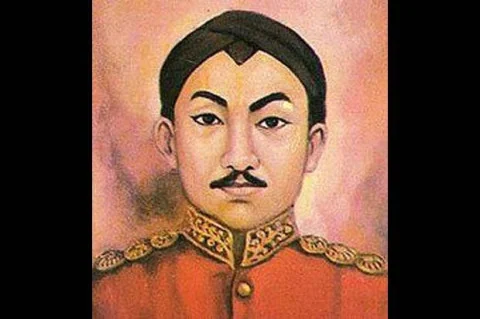
Raden Patah is traditionally recognised as the founder and first ruler of the Demak Sultanate. His reign is dated from the late 15th century until 1518. He established the foundations of the kingdom, strengthening its political position and developing relationships with other Muslim communities and trading powers.
Pati Unus
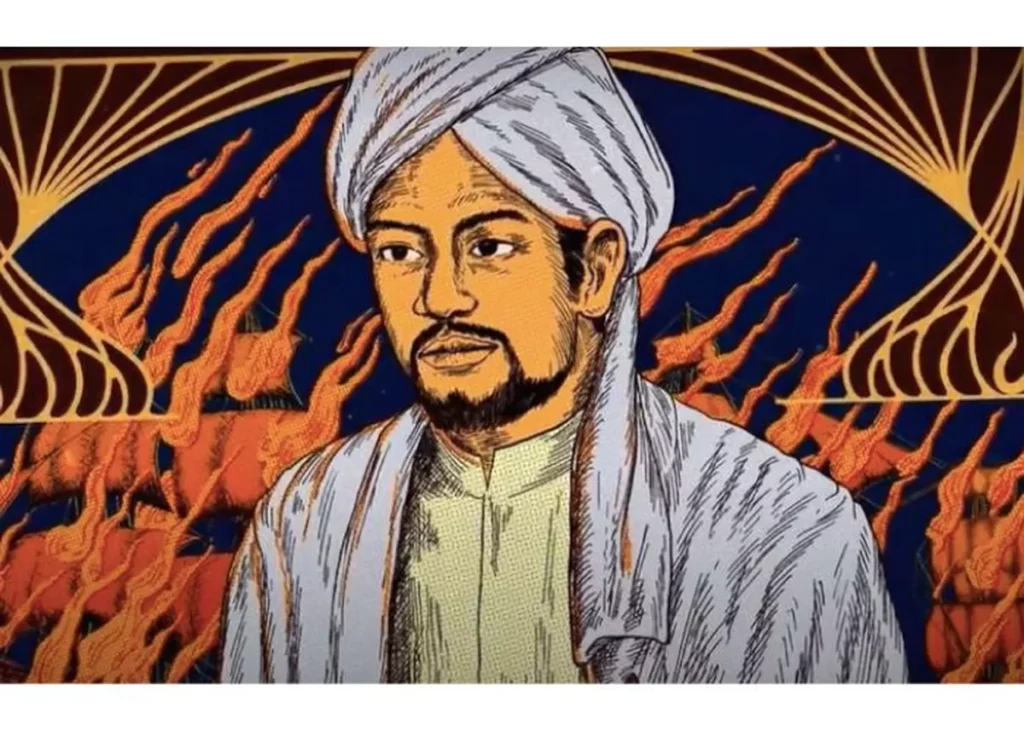
Pati Unus, also known as Pangeran Sabrang Lor, was Raden Patah’s son-in-law and successor. Although his reign lasted only around three years, he is particularly remembered for his military campaigns against the Portuguese in Malacca.
He later launched another campaign against Portuguese-controlled Malacca in 1521. However, the expedition was unsuccessful, and Pati Unus died during the campaign.
Sultan Trenggana
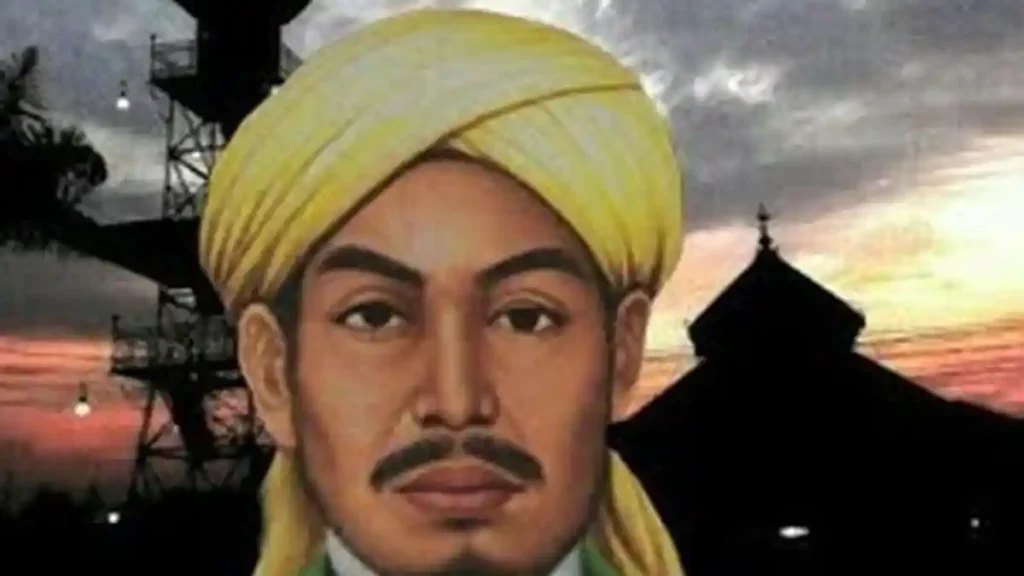
Sultan Trenggana, Pati Unus’s brother, brought the Demak Sultanate to the height of its political influence. His reign, dated from 1521 to 1546, was marked by military campaigns and the expansion of Demak’s influence towards several regions of Java.
During this period, Demak strengthened its relationships with areas including parts of Central and East Java. He was also known for the capture of Sunda Kelapa in 1527, led by forces under Fatahillah.
Sultan Trenggana’s death in 1546 marked a turning point for the kingdom. His passing created uncertainty over royal succession and contributed to internal conflicts that eventually weakened Demak’s political authority.
The Demak Sultanate at Its Height
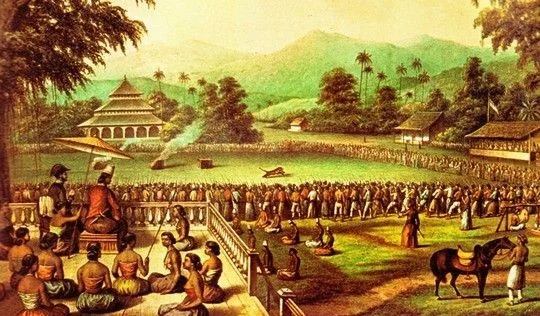
The Demak Sultanate reached its period of greatest influence during the reign of Sultan Trenggana in the first half of the 16th century.
Political influence and expansion were among the most notable indicators of its development. The kingdom extended its influence over several important areas across Java and established relationships with other regions of the archipelago.
This expansion also helped strengthen Demak’s economy, as access to coastal settlements and trading ports supported commercial activities. Jepara, for example, became an important port under Demak’s influence, serving as a centre for maritime trade and the distribution of agricultural commodities, including rice.
Adding to its political and economic strength was Demak’s role as a major centre for the spread of Islam. As one of Java’s earliest major Islamic sultanates, it supported the development of religious networks involving the Wali Songo, Muslim scholars, and religious institutions such as Masjid Agung Demak.
Why Did the Demak Sultanate Collapse?
The decline of the Demak Sultanate was closely connected to internal political struggles. Following Trenggana’s death in 1546, the question of who would succeed him became a source of tension.
One of the central figures in the conflict was Sunan Prawoto, Trenggana’s son, and another was Arya Penangsang, the son of Pangeran Sekar Seda Lepen, who was also connected to the royal family.
According to traditional accounts, Pangeran Sekar Seda Lepen was killed by people associated with Sunan Prawoto. Arya Penangsang later sought revenge and was held responsible for Sunan Prawoto’s death.
Another important figure was Jaka Tingkir, also known as Hadiwijaya, who was associated with Pajang. Through political and military alliances, he eventually defeated Arya Penangsang and established Pajang as a new centre of power.
What Happened to the Demak Royal Line?
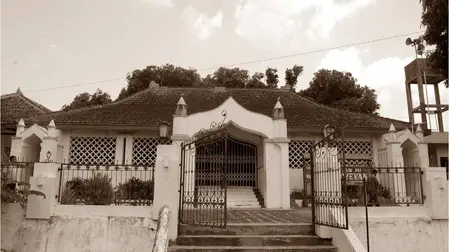
The decline of the Demak Sultanate did not necessarily mean the disappearance of its royal family. Instead, its royal lineage became intertwined with the political structures and ruling dynasties of later Javanese kingdoms. This transition was particularly evident in the Sultanate of Pajang, which later became an important precursor to the Mataram Sultanate.
The Legacy of Demak in Java Today
Masjid Agung Demak and Soko Guru
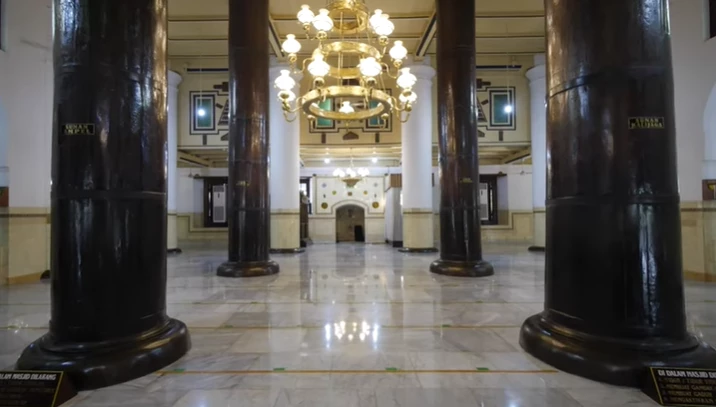
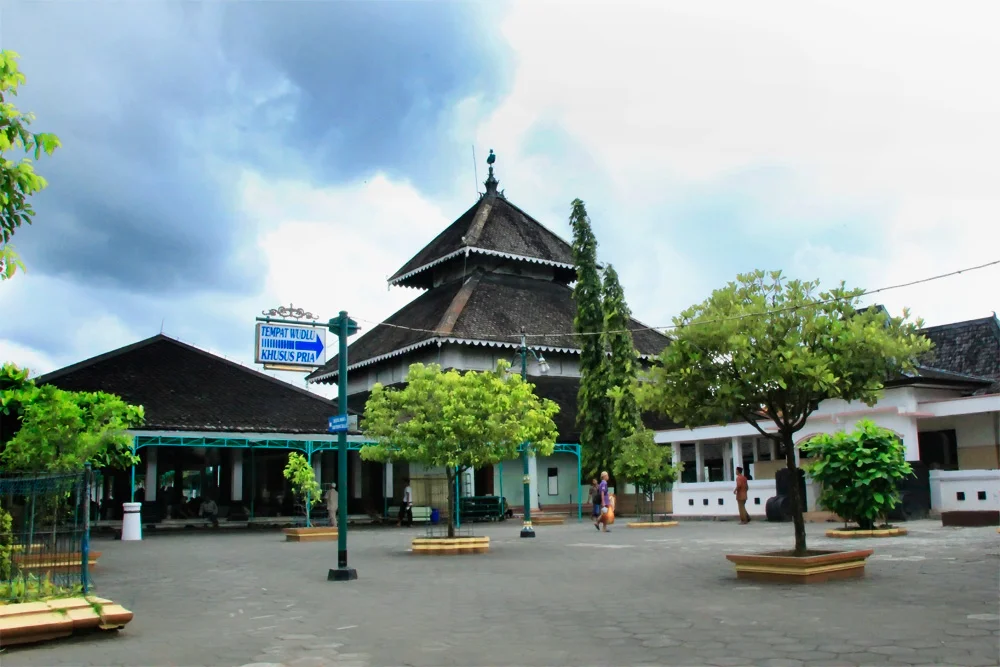
Masjid Agung Demak remains one of the most recognisable symbols of the former sultanate. Traditionally linked to Raden Patah and the Wali Songo, the mosque reflects the development of Islam in Java and the relationship between religious institutions and Javanese culture.
Its four main wooden pillars, known as soko guru, are another distinctive part of its historical legacy. They support the central structure of the mosque and are traditionally associated with the Wali Songo.
Sunan Kalijaga Tomb Complex
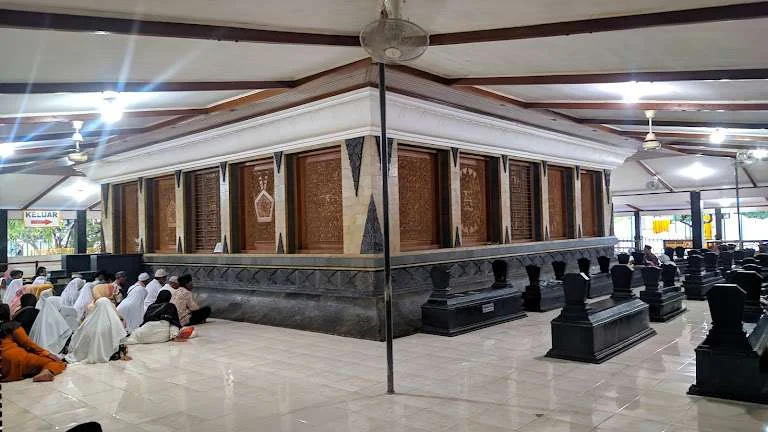
Demak’s historical legacy can also be explored through the Sunan Kalijaga Tomb Complex in Kadilangu. To this day, the royal grave still attracts pilgrims and visitors to pay their respects.
The site offers a closer look at how important religious figures like Walisongo are remembered through local traditions and pilgrimage practices. Visitors should approach the complex respectfully and follow the customs and guidance provided by its local caretakers
Islam-Javanese Traditions
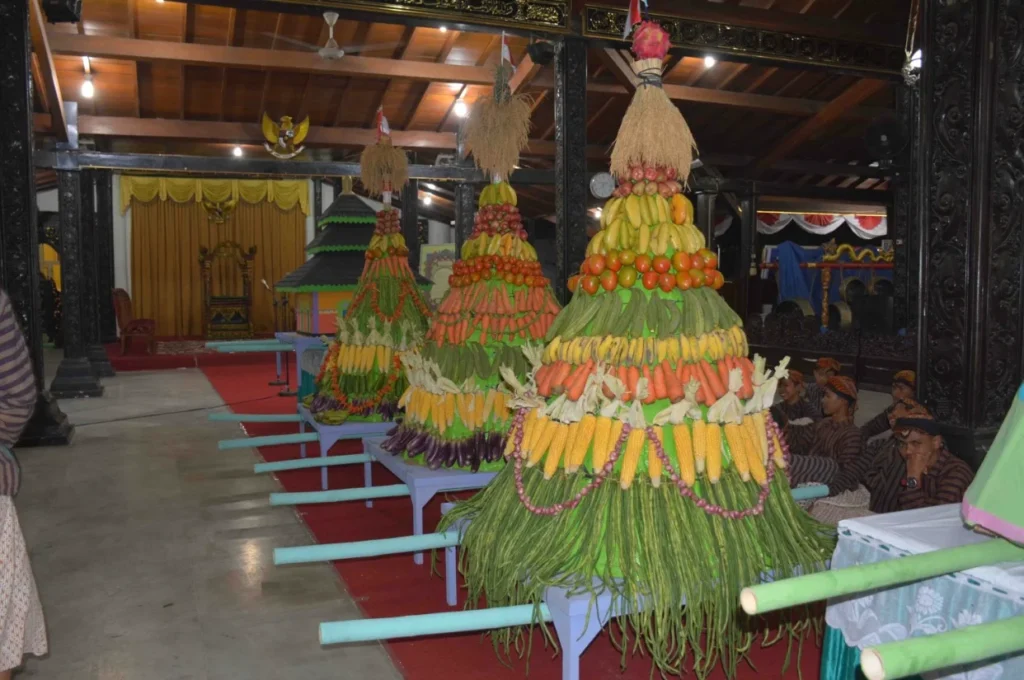
During the kingdom’s development, Islamic teachings became intertwined with existing Javanese cultural practices, creating traditions that continue to shape local religious and cultural life today.
Some examples include Grebeg Besar and Syawalan. These celebrations combine religious observances with traditional processions and community activities, each with its own significance. Grebeg Besar, held around Dhu al-Hijjah in connection with Eid al-Adha, is marked by traditional processions and food offerings such as tumpeng sembilan. Meanwhile, Syawalan, celebrated during the month of Shawwal after Eid al-Fitr, provides an opportunity for people to gather, share food, and strengthen community ties.
Although these ceremonies aren’t direct continuations of the Demak Sultanate’s royal traditions, they illustrate how Islamic observances and Javanese customs continue to coexist in local cultural life.
Frequently Asked Questions
Who was the last ruler of the Demak Sultanate?
Arya Penangsang is the final ruler of the Demak Sultanate. He was eventually defeated by Jaka Tingkir, also known as Hadiwijaya, who established Pajang as a new centre of power.
Why did the Demak Sultanate attack the Majapahit Kingdom?
Traditional accounts often describe Demak’s conflict with Majapahit as a struggle for political authority. As an emerging Islamic kingdom, Demak sought to expand its power and establish itself as the dominant political force in Java, while Majapahit was already experiencing internal divisions and political instability. This weakened position created an opportunity for Demak to challenge the older kingdom’s authority.
Who was the most famous sultan of Demak?
Sultan Trenggana is often considered the most prominent ruler of the Demak Sultanate because his reign marked a period of significant political expansion and influence across Java. Raden Patah is also an important figure as the traditional founder of the kingdom.
The history of the Demak Sultanate helps explain one of the major political and cultural transformations in Java. From its beginnings as a coastal trading power to its development into an influential Islamic kingdom, Demak played an important role in the changing political and religious landscape of the island. It also left a lasting legacy through its historic landmarks, religious institutions, and cultural traditions.
For travellers interested in exploring similar history further, let’s take a closer look at the Mataram Kingdom.