

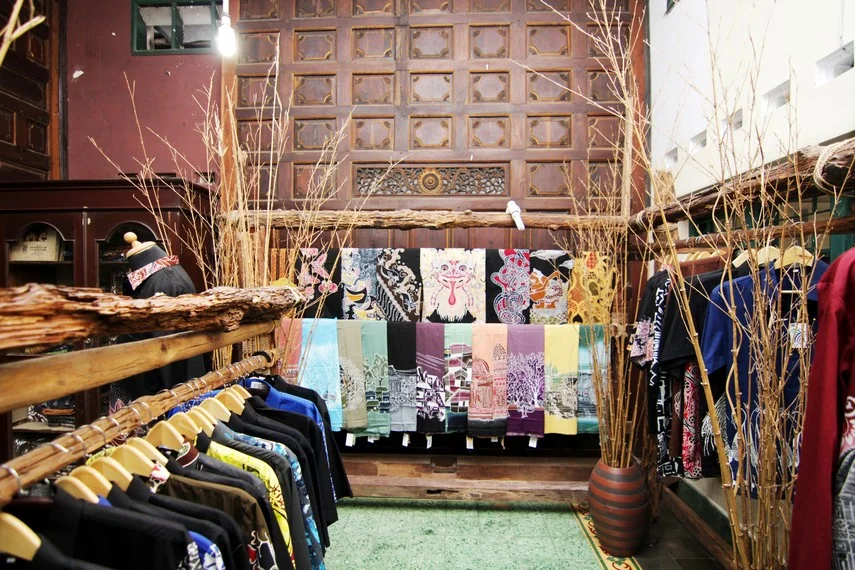
Located in Surakarta, Central Java, Laweyan Batik Village is one of Indonesia’s most important batik-producing neighborhoods. Its narrow lanes, historic merchant houses, and family-run workshops tell the story of a community that has helped shape Java’s batik tradition for generations.
Table of Contents
For travelers interested in delving deeper into batik’s cultural heritage, Laweyan is easily one of Solo’s most rewarding destinations. Rather than simply observing heritage from a distance, visitors can walk through a living cultural landscape where batik remains part of daily life.
What Is Laweyan Batik Village?
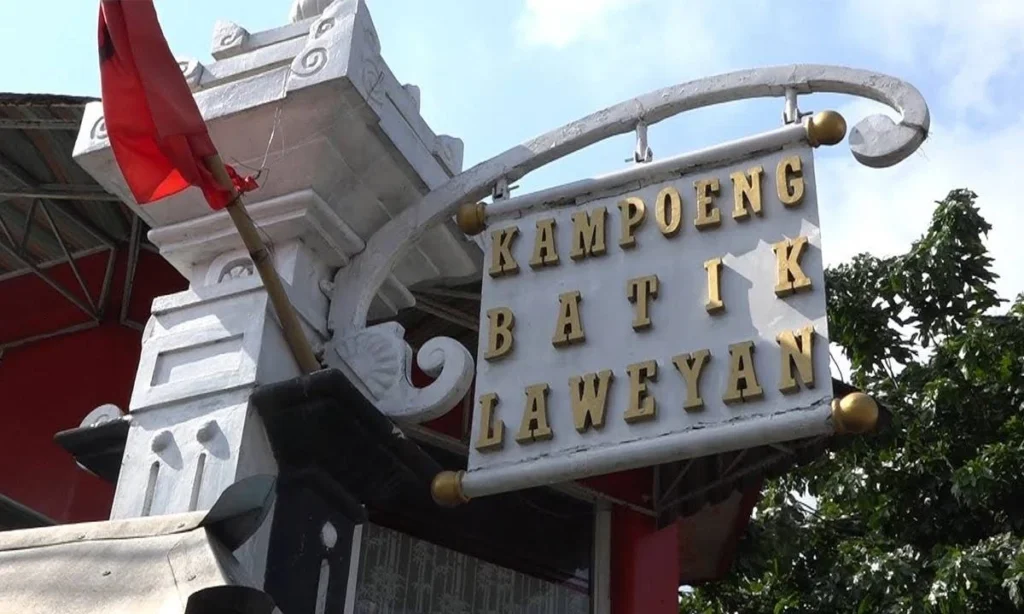
Laweyan Batik Village, also known as Kampung Batik Laweyan, is a historic batik district in Solo, famous for batik production, batik shopping, and heritage architecture. The neighborhood has long been associated with batik merchants and artisans, making it one of the most significant centers of batik culture in Indonesia.
Today, this Solo batik village serves both as a residential community and a cultural destination. Visitors come to shop for batik, learn about traditional textile-making techniques, explore historic streets, and gain insight into the role batik has played in Solo’s social and economic history.
Laweyan Architecture and Old Merchant Houses
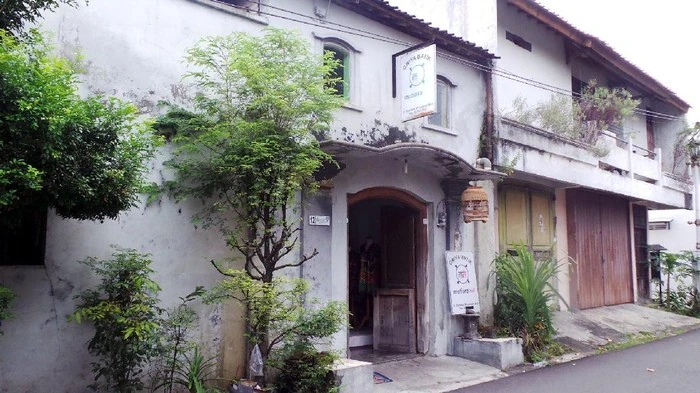
Aside from the craftsmanship and artistry of batik itself, Laweyan is equally fascinating for its architecture. The neighborhood is characterized by narrow lanes lined with high walls, traditional houses, workshops, and former merchant residences. These buildings reflect the prosperity that many batik entrepreneurs achieved in the past, as well as their strong connections to the royal court.
Architecturally, this Solo batik village presents a fascinating blend of influences. Visitors may notice elements of traditional Javanese design alongside European details and features associated with the households of wealthy Javanese vendors. Ornamental gates, spacious courtyards, carved wooden doors, and decorative facades contribute to the area’s unique character.
What to Do in Kampung Batik Laweyan
Shop for Batik
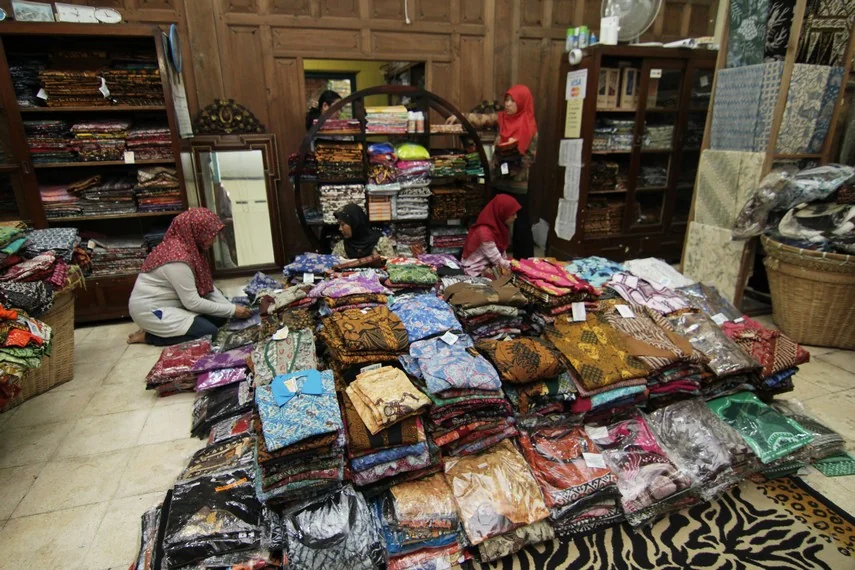
The most popular activity in Laweyan is shopping for batik. Numerous boutiques, workshops, and family-run businesses sell a variety of batik products, ranging from traditional fabrics and clothing to contemporary fashion items and home décor. Both handmade and printed batik products can be found here, typically at different price points.
Join a Batik Workshop
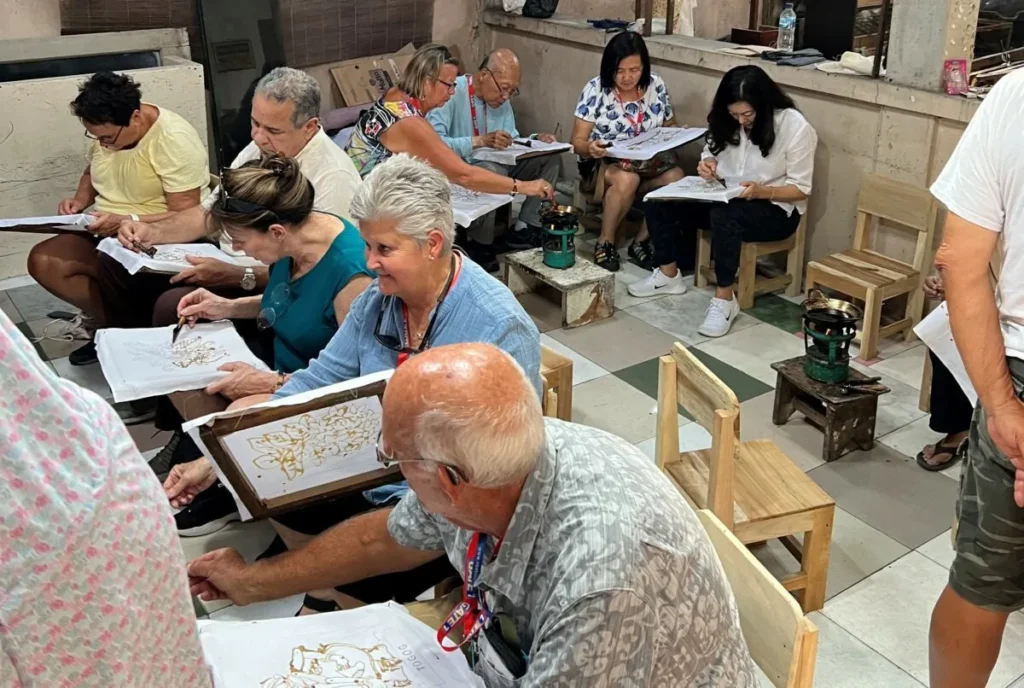
Visitors who are eager to gain a more hands-on experience are welcome to participate in a batik workshop. These activities provide a deeper appreciation for the skill, patience, and craftsmanship involved in producing traditional batik textiles.
Walk Through Heritage Alleys
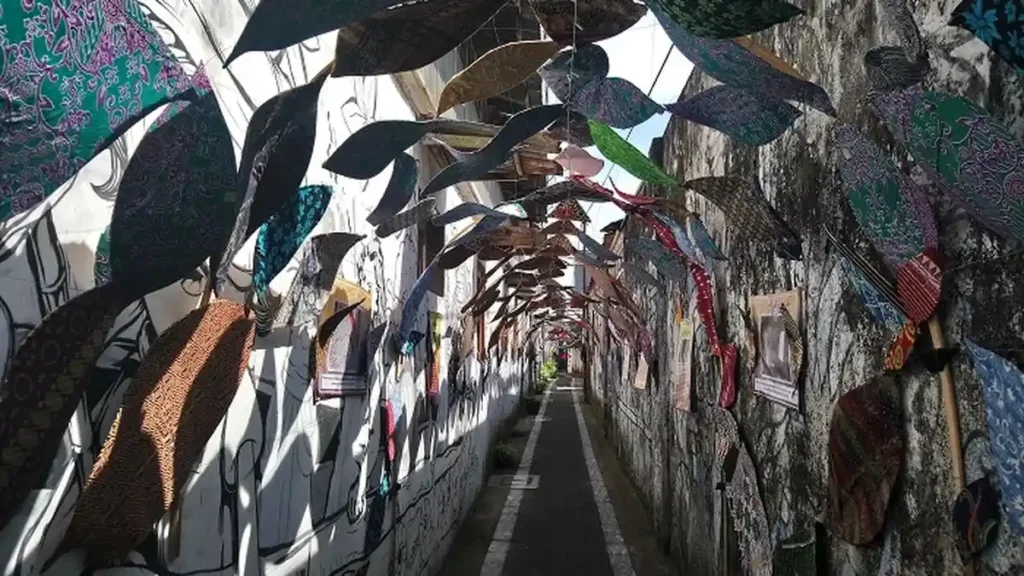
Beyond the main streets, smaller alleys in Kampung Batik Laweyan reveal historic walls, traditional homes, community spaces, and unexpected architectural details. Wandering through the neighborhood often becomes one of the most memorable parts of a visit.
Observe Architecture and Neighborhood Life
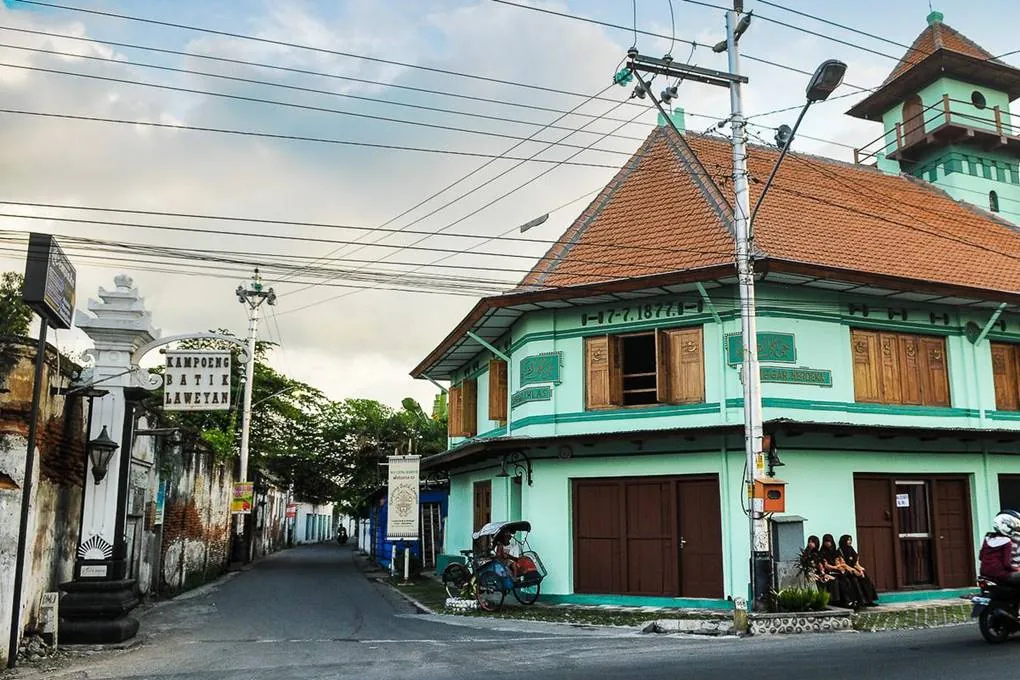
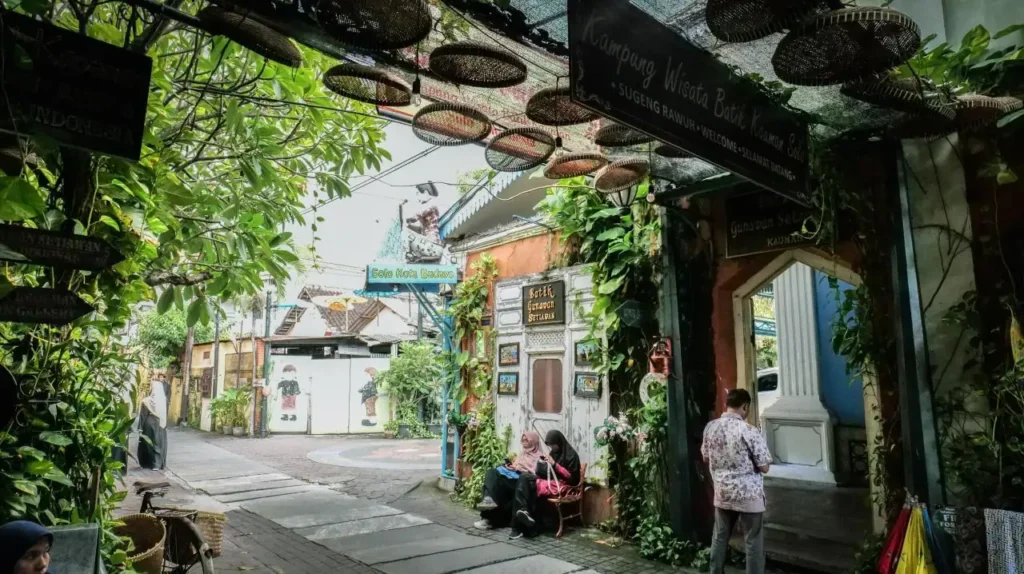
Even travelers with little interest in shopping can enjoy Laweyan’s atmosphere. The district offers countless opportunities to appreciate historic architecture, photography, and local life.
Laweyan vs Kauman Batik Village
Travelers are often curious about the differences between Laweyan and Kauman Batik Village. The bottom line is that both play important roles in preserving Solo’s batik culture, though they offer somewhat different experiences.
| Laweyan | Kauman Batik Village |
| Developed as a broader merchant and craft district. Historically, many successful batik entrepreneurs lived and worked in this Solo batik village, resulting in a neighborhood characterized by large merchant houses, workshop complexes, and a strong entrepreneurial heritage. | Grew in close proximity to Keraton Surakarta and the Great Mosque. As a result, its atmosphere is often associated with royal traditions and court-related batik culture. |
Rather than choosing one over the other, many visitors find that visiting both Laweyan and Kauman provides a more complete picture of Solo’s batik heritage.
Practical Information
Location
Laweyan Batik Village is located southwest of Solo’s city center. From Kauman Batik Village or Keraton Surakarta, visitors can reach Laweyan within a 10 to 20-minute drive by car.
Visitors can also reach the area in around 30 minutes via Solo Trans. From the Pasar Klewer bus stop, take the K3S corridor to Pasar Kabangan and continue with a short walk to Laweyan Batik Village.
Opening Hours
Because Laweyan consists of multiple workshops, shops, and businesses, operating hours vary. However, the neighborhood generally operates from 8 AM to 8 PM. It’s best to check the opening hours of your intended destination in advance to avoid disappointment.
Best Time to Visit
The best time to visit Laweyan is during the morning or late afternoon. These periods often provide more comfortable temperatures for walking and exploring the neighborhood’s outdoor spaces, as well as better lighting to appreciate the architectural details that distinguish the area.
Whether you’re a history enthusiast, architecture lover, or batik shopper, Laweyan Batik Village is a must-visit destination in Solo. The area offers not just a shopping experience, but an opportunity to step inside a community where craftsmanship, architecture, and cultural identity remain closely connected.
If Laweyan has sparked your interest in Solo’s cultural heritage, you may also enjoy exploring our guides to Kampung Batik Kauman and Keraton Solo.