

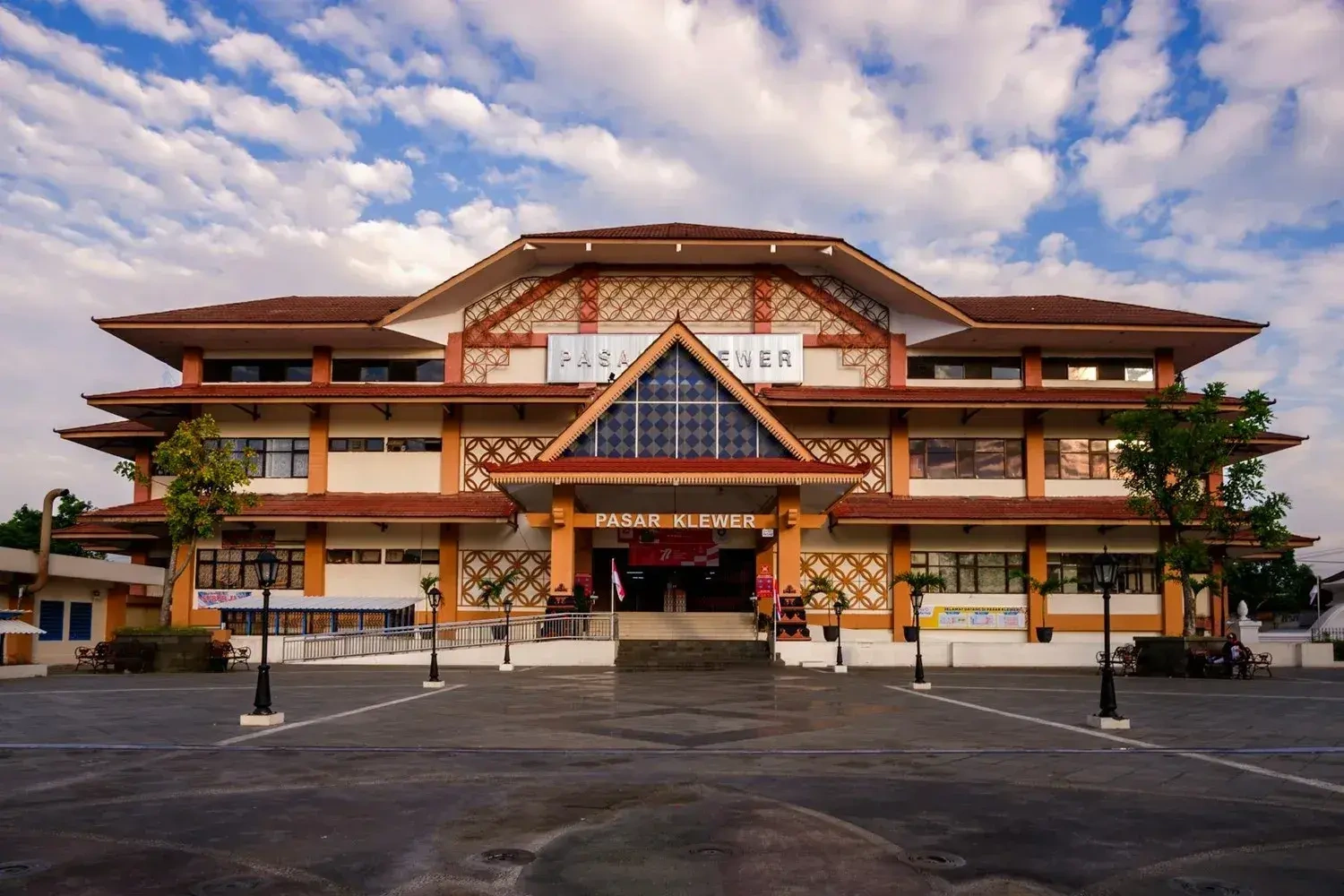
Pasar Klewer is the largest textile market in Solo, Central Java. It’s located strategically at the heart of the city, just walking distance from Keraton Surakarta. Here, you can find all kinds of fabrics, mostly batik, which are most frequently available at affordable prices. As such, this traditional market makes a perfect stop for tourists to pick up authentic Javanese souvenirs before heading home.
Table of Contents
Let us guide you through the iconic Pasar Klewer, from its past tales to tips on how to shop there without getting ripped off.
What is Pasar Klewer?
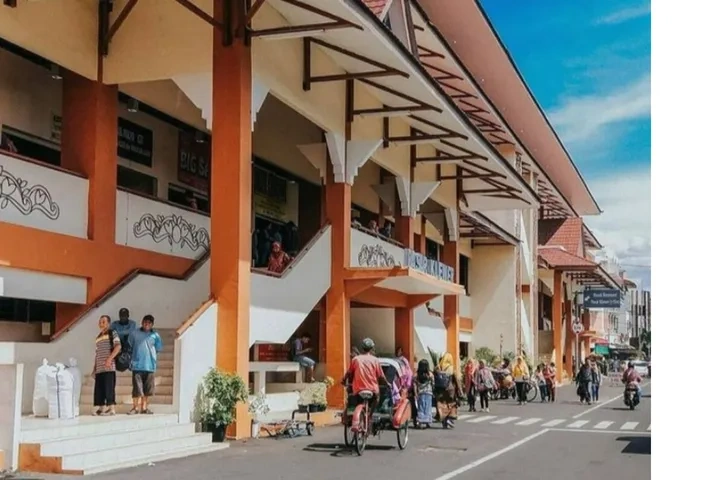
Located near Keraton Surakarta, Pasar Klewer is one of the largest textile and batik markets in Indonesia. It’s housed in a two-story building, where over 1,400 vendors occupy more than 2,000 stalls selling a wide variety of fabrics, including batik cloths and garments, hand-woven textiles, and many more.
Why is it called “Klewer”?
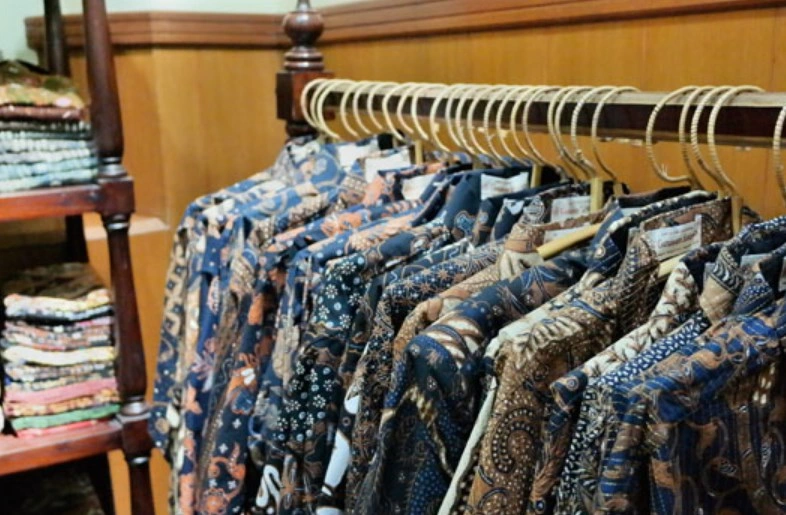
The name “klewer” comes from a custom practiced by merchants in the market long ago. Back then, they used to drape the fabrics they sold over their shoulders, with the cloth hanging down loosely. This made the textiles look as though they were dangling in an untidy way, or, in simple terms, “berkleweran.”
The History of Pasar Klewer
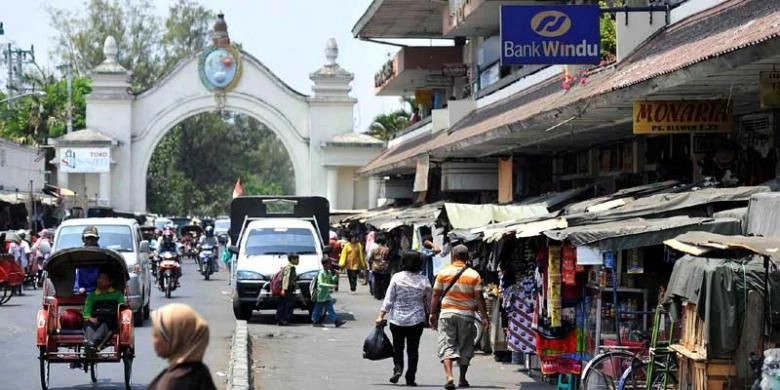
Pasar Klewer has existed since at least 1942. During the Japanese occupation, the market area served as a train stop. Back then, it was better known as Pasar Slompretan, named after the trumpet-like sound (slompret) made by the passing trains.
The name later changed to Pasar Klewer, inspired by the habit of merchants who draped fabrics over their shoulders, causing the cloth to hang down loosely in an untidy way.
The market’s modern appearance today is largely the result of a major fire in 2014, which led to a large-scale renovation completed in 2017. Now, visitors can shop more comfortably with improved facilities such as elevators, escalators, and a much cleaner, more organized environment.
What Can You Find at Pasar Klewer?
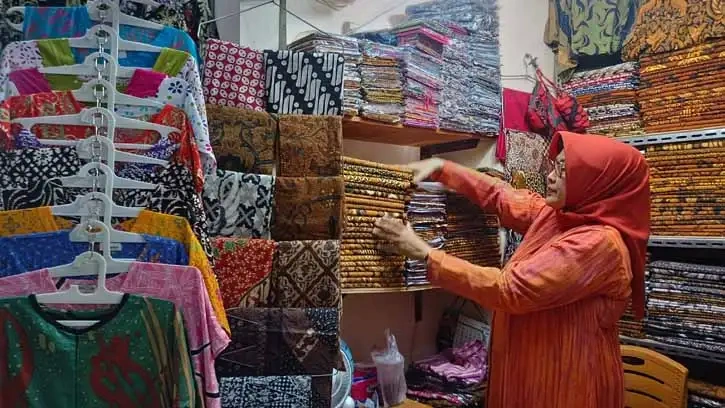
Pasar Klewer lives up even better to its reputation as the largest textile market in Solo. Alongside an extensive collection of batik, visitors can … to rows of stalls selling everything from traditional fabrics to ready-to-wear clothing and various textile products at wholesale and retail prices.
Types of Batik Available
Batik is the main attraction at Pasar Klewer, with choices ranging from affordable everyday pieces to handcrafted collectibles. Shoppers can generally find batik printing, batik cap, and batik tulis, each differing in production method, quality, and price.
Batik printing is machine-made and typically the cheapest option, while batik cap uses stamped patterns and offers better craftsmanship. Batik tulis, made entirely by hand using traditional wax techniques, is considered the most valuable due to its intricate details and longer production process.
Non-Batik Textiles & Clothing
In addition to batik, Pasar Klewer offers a broad selection of non-batik textiles and garments. Traditional fabrics such as lurik and tenun can be found alongside traditional garment kebaya. Many stalls also sell modern fashion items made with batik-inspired fabrics, including dresses, shirts, outerwear, and accessories that blend traditional patterns with contemporary styles.
How to Shop at Pasar Klewer Without Getting Ripped Off
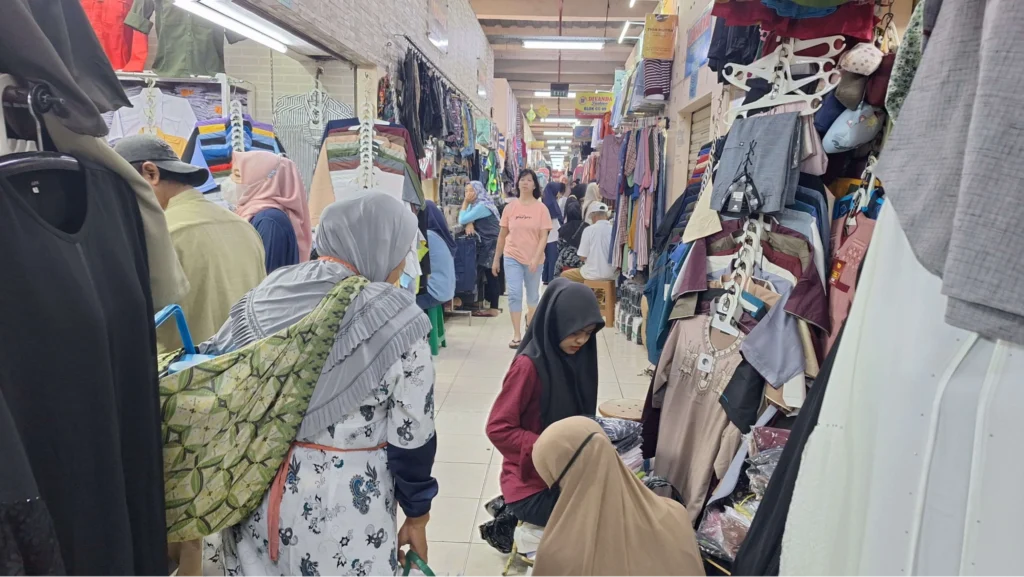
Shopping at Pasar Klewer can be a rewarding experience, especially if you know a few local tips.
Bargain Smart
Negotiation is part of the shopping culture at any traditional market, including Pasar Klewer. A common approach is to start by offering around half of the initial asking price in a polite manner. If the seller declines, you can gradually raise your offer until both sides reach a reasonable final deal.
Compare Prices Between Vendors
Being a traditional market, many stalls in Pasar Klewer sell similar textiles and clothing, often at comparable but not identical prices. This gives shoppers a good chance to compare before buying. You can simply ask around at several stalls.
Come in the Morning
Morning is often the best time to visit because the stalls are fully stocked, the market is less crowded, and sellers are generally more open to negotiating.
Shop with a Local
If you have friends from Solo, shopping with them can be an advantage. Local buyers are often more familiar with typical prices, and some merchants may be more willing to offer friendlier rates when negotiating with fellow locals.
Know the Difference Between Batik Tulis and Batik Print
Understanding the difference between handmade batik and printed batik is essential if you want to avoid overpaying. Here are some of the easiest signs to check:
| Batik Tulis | Batik Print |
| Tend to have a stronger textile or factory-like smell. | Generally does not have that sharp manufactured odor. |
| The dye usually penetrates through to the back side of the fabric. | The pattern often appears only clearly on the front side. |
| Have slight imperfections, which are part of its handmade artistic charm. | The motifs often look perfectly neat and repetitive. |
Check Product Quality Carefully
For ready-made clothing, check the stitching and fabric quality before purchasing, as products can vary greatly between vendors. Taking your time and asking about the fabric type can help ensure you get the best value.
Price Guide
Prices at Pasar Klewer vary widely depending on the material, craftsmanship, and whether you are buying in bulk.
Batik printing pieces usually range from Rp 50,000 to Rp 150,000, while Batik caps tend to fall between Rp 150,000 and Rp 500,000. For batik tulis, each piece can start from Rp 500,000 and easily reach several million rupiah.
Getting to Pasar Klewer
Located in the heart of Surakarta, Pasar Klewer is easy to reach and sits close to several of the city’s major cultural landmarks.
From Solo City Center
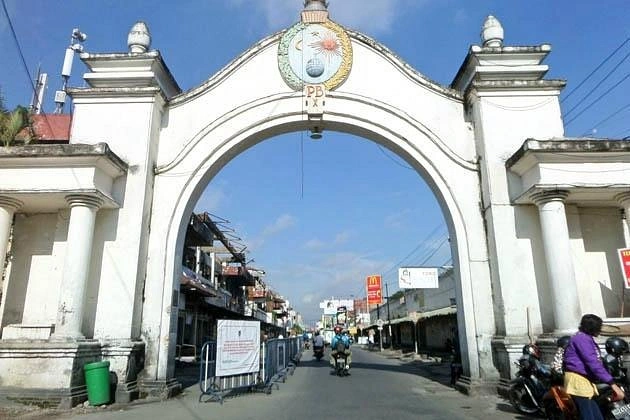
If you are already staying around central Solo, getting to Pasar Klewer is straightforward. The market is located right near Keraton Surakarta Hadiningrat, so visitors exploring the palace complex can easily continue to the market on foot.
From Yogyakarta
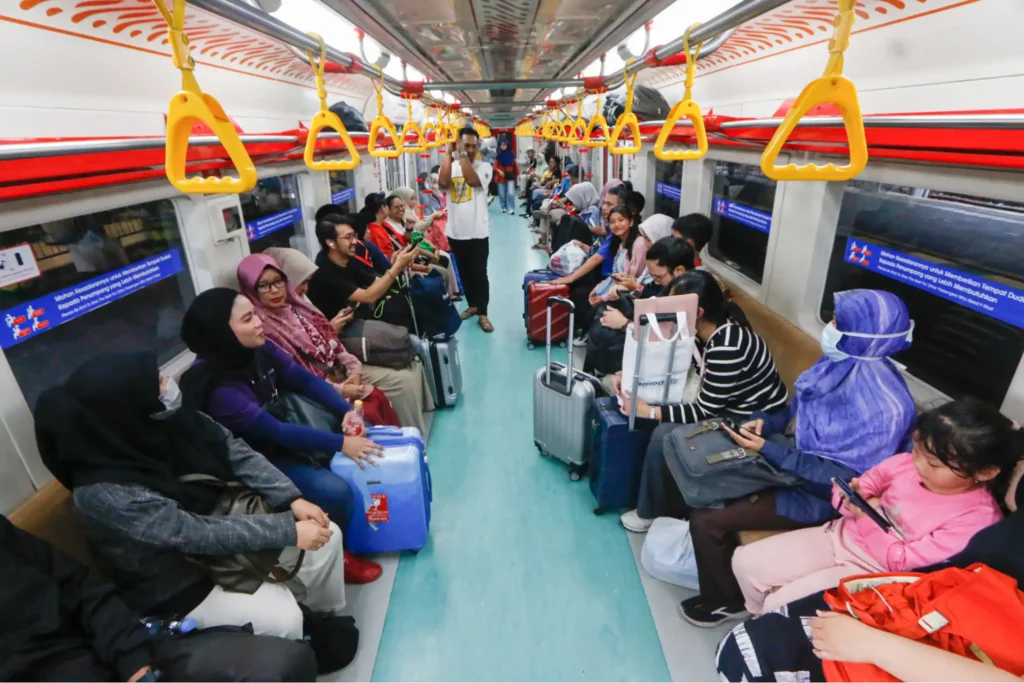
For travelers coming from Yogyakarta, Pasar Klewer can be reached in around one to one-and-a-half hours depending on traffic and your mode of transportation—most commonly made by car or commuter line. Many visitors find it worth the journey if they are specifically looking for a broader textile selection than what is available in Yogyakarta.
Parking & Transportation Tips
Parking is available around the market area, but it can get crowded during weekends and public holidays. For tourists, ride-hailing apps and becak (traditional pedicabs) are practical ways to reach the market, especially if you are staying near the city center.
Pasar Klewer vs Pasar Beringharjo Yogyakarta
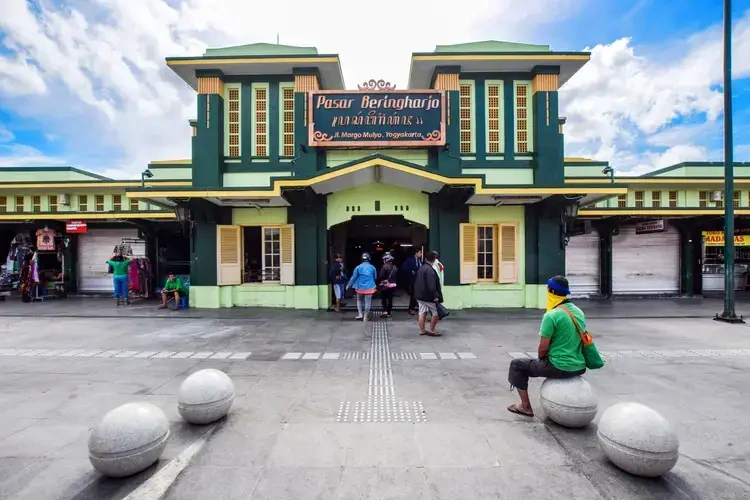
Both Pasar Klewer and Pasar Beringharjo are famous traditional markets for textiles, but they offer slightly different experiences. Here is a quick comparison:
| Aspect | Pasar Klewer | Pasar Beringharjo |
| Location | Solo | Yogyakarta |
| Main Specialty | Batik wholesale and textiles | Batik, souvenirs, traditional snacks |
| Price Range | Often cheaper for bulk purchases | Slightly more tourist-oriented pricing |
| Atmosphere | Local wholesale market feel | Historic market with stronger tourist presence |
What Else to Do Near Pasar Klewer
While you’re in the area, it’s also worth pairing Pasar Klewer with a visit to nearby landmarks.
Keraton Kasunanan Solo
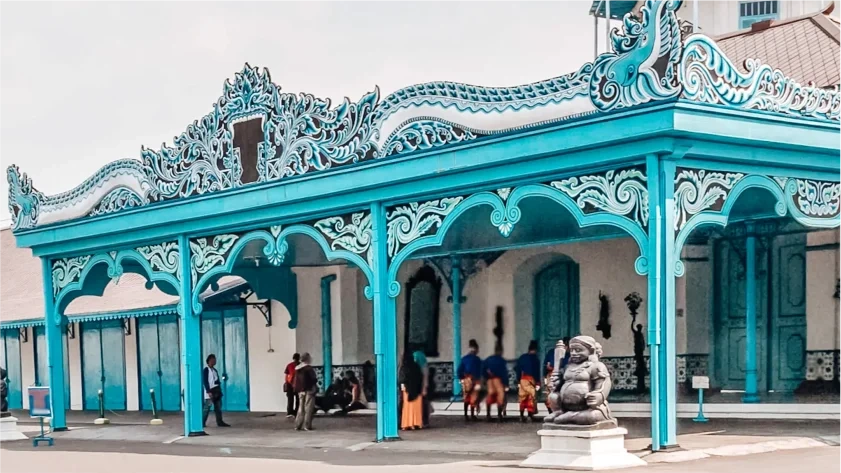
Just a short walk away, the royal palace offers insight into Javanese history, architecture, and cultural traditions. It’s one of the most important heritage sites in Solo.
- Address: Jl. Sasono Mulyo, Baluwarti, Kec. Ps. Kliwon, Kota Surakarta, Jawa Tengah 57144
- Operating Hours: 9 AM – 2 PM
- Ticket Price: IDR10,000 – IDR30,000
Masjid Agung Solo
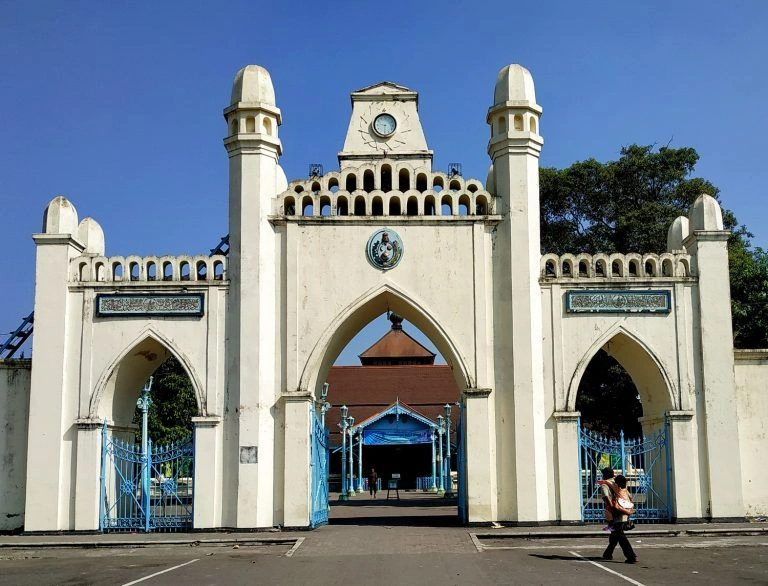
Located close to the grand palace, Masjid Agung Solo is known for its elegant Javanese-Islamic architecture and peaceful courtyard.
- Address: Jl. Masjid Agung No.1, Kauman, Kec. Ps. Kliwon, Kota Surakarta, Jawa Tengah 57122
- Operating Hours: 24 Hours
Local Culinary Spots
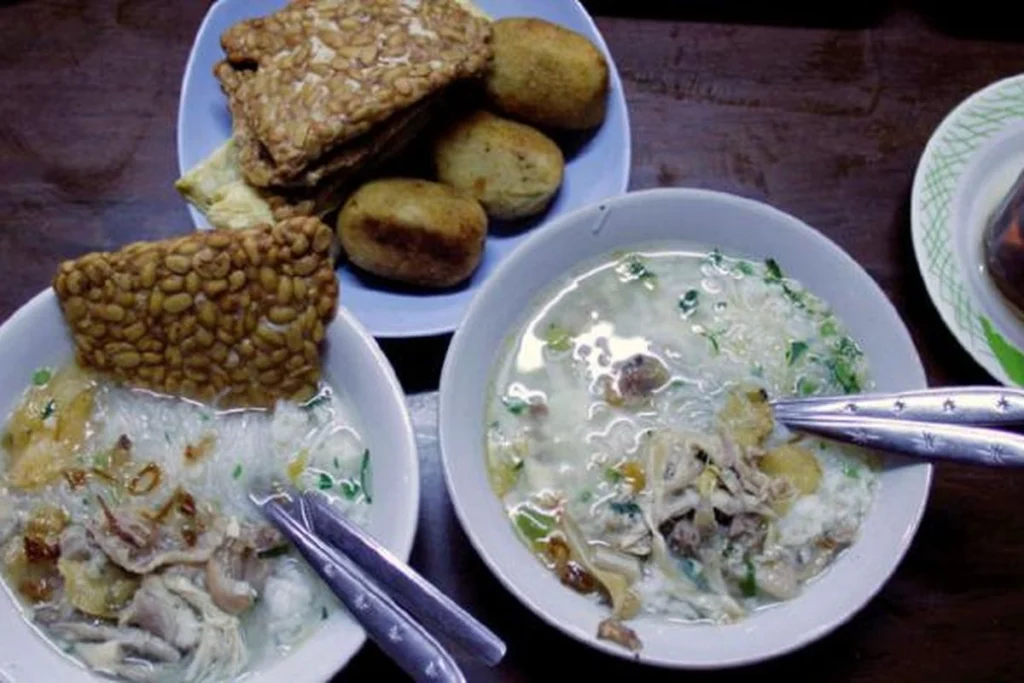
After shopping, many visitors begin to feel hungry and look for a good meal nearby. That’s why making a stop at nearby culinary favorites is highly recommended. Try Soto Gading for a comforting bowl of soto, or Timlo Sastro to sample one of Solo’s signature soups.
| Information | Soto Gading | Timlo Sastro |
| Address | Soto Gading 1, Jl. Brigjen Sudiarto No.75, Joyosuran, Kec. Ps. Kliwon, Kota Surakarta, Jawa Tengah 57156 | Timlo Sastro 1, Jl. Abdul Muis No.32A, Kepatihan Kulon, Kec. Jebres, Kota Surakarta, Jawa Tengah 57139 |
| Operational Hours | 6 AM – 4 PM | 6 AM – 3 PM |
As one of the most famous traditional markets in Solo, Pasar Klewer continues to attract both domestic and international visitors. Its reputation as a batik shopping hub, combined with its proximity to major attractions, makes it an ideal destination for every journey. Excited to go beyond? Explore the top landmarks in Yogyakarta you must visit in 2026.