

Alongside its cultural and historical charms, Solo is also a city that flourishes with creativity. Of its many creative spaces, Lokananta is widely considered one of the places that best represents the idea.
Table of Contents
Lokananta is Indonesia’s first recording studio and record company, where thousands of songs, traditional music, national recordings, and the works of legendary musicians have been preserved over decades. Today, the historic complex has taken on a new life, inviting visitors to look back at Indonesia’s musical journey while enjoying a space built for contemporary creativity.
What Is Lokananta?
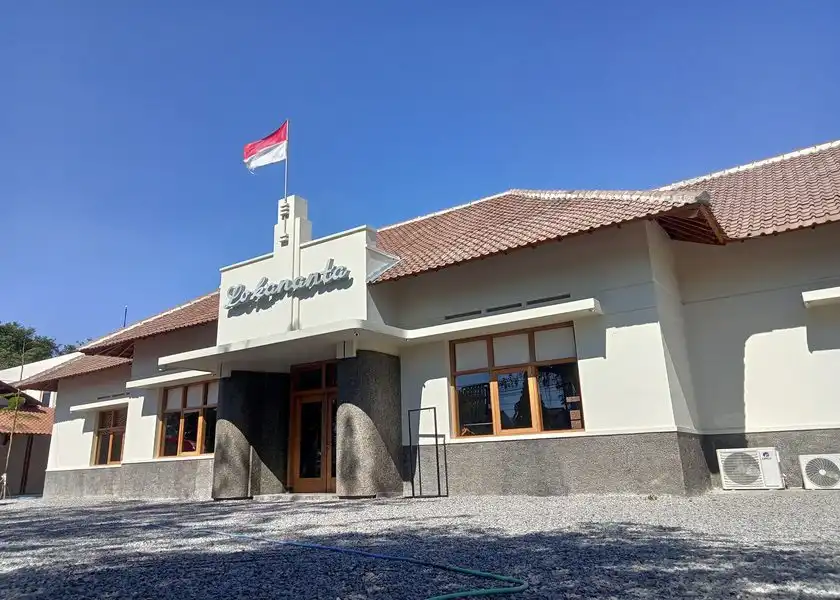
However, Lokananta was eventually forced to face a decline amid the rise of music piracy, which led to the end of its operations in the early 2000s. It wasn’t until 2022 that the government began revitalising the historic complex and bringing its legacy back to life.
Today, Lokananta has transformed into a creative and cultural destination, combining its musical heritage with galleries, events, and a compound space designed for artists and communities.
The Story Behind Lokananta
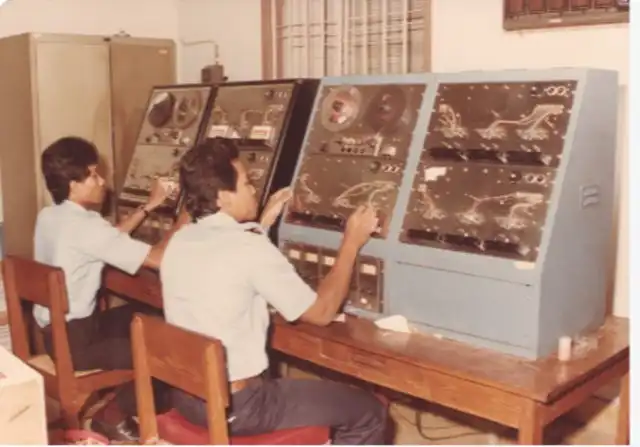
Lokananta was officially established on October 29, 1956, in Surakarta, under the initiative of Raden Maladi, then Head of Radio Republik Indonesia. It initially served as a vinyl record factory and duplication centre for RRI broadcast materials.
At a time when Indonesia was still shaping its national identity following independence, Lokananta became an important platform for documenting and distributing Indonesian sounds. Its catalogue spans regional songs, keroncong, gamelan, traditional music, national songs, and recordings from across the archipelago.
As its role expanded, Lokananta developed into a state-owned record label and production centre.Over the years, Lokananta became connected with many legendary names in Indonesian music, including Koes Plus, The Steps, and Waldjinah.
What to See at Lokananta
Lokananta Gallery
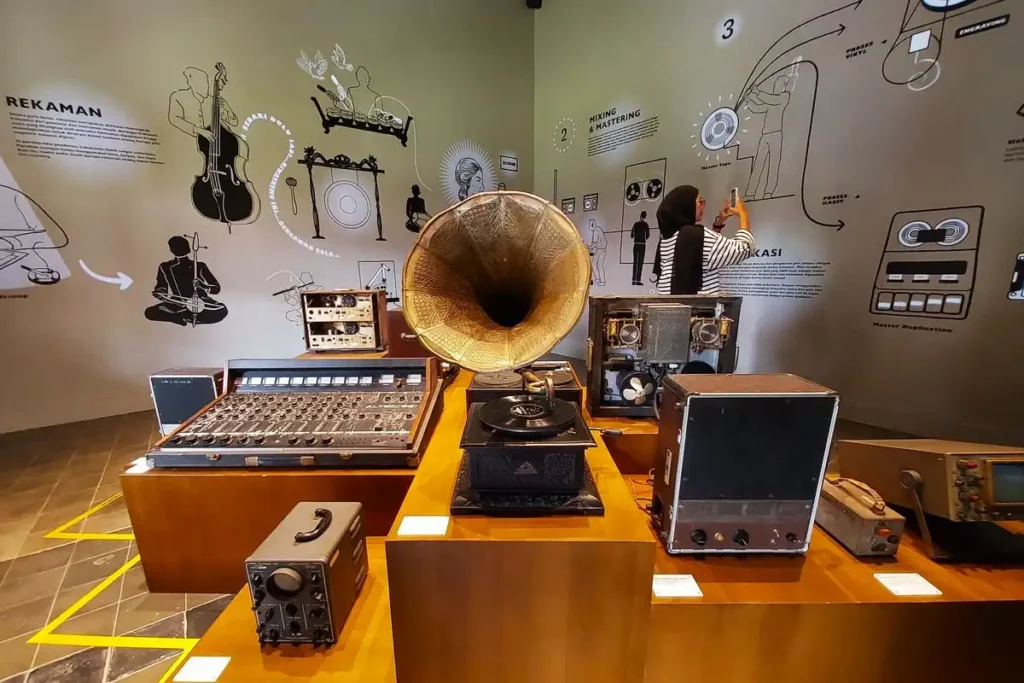
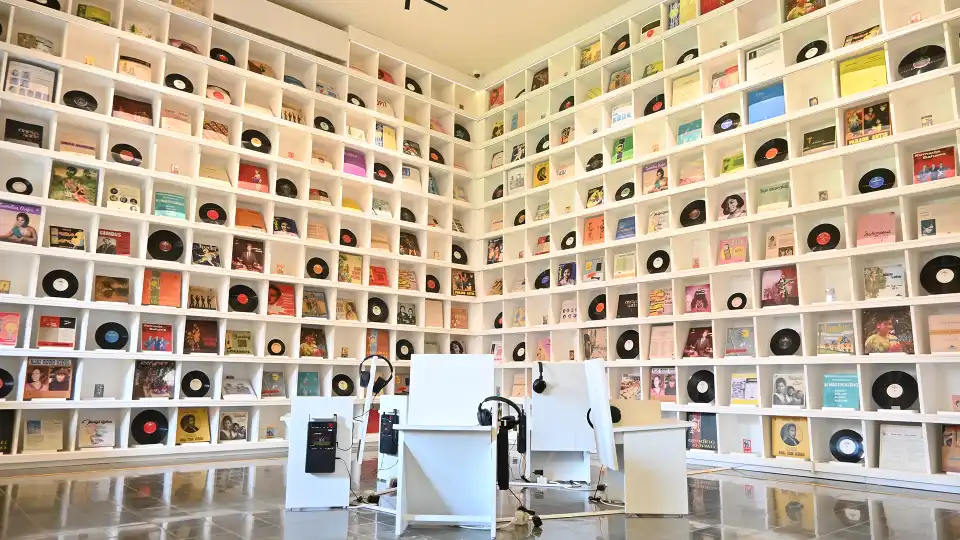
Inside, Lokananta Gallery consists of eight rooms, each offering a different perspective on Lokananta’s history and Indonesia’s musical journey. Among the highlights are an extensive collection of more than 50,000 vinyl records, historic recording equipment, traditional and modern musical instruments, and various memorabilia.
To enter the Lokananta Gallery, visitors are required to purchase an entrance ticket, priced at IDR40,000 for adults on weekdays and IDR30,000 for children, students, and senior citizens. Weekend tickets for adults are priced at IDR45,000.
Recording Studio
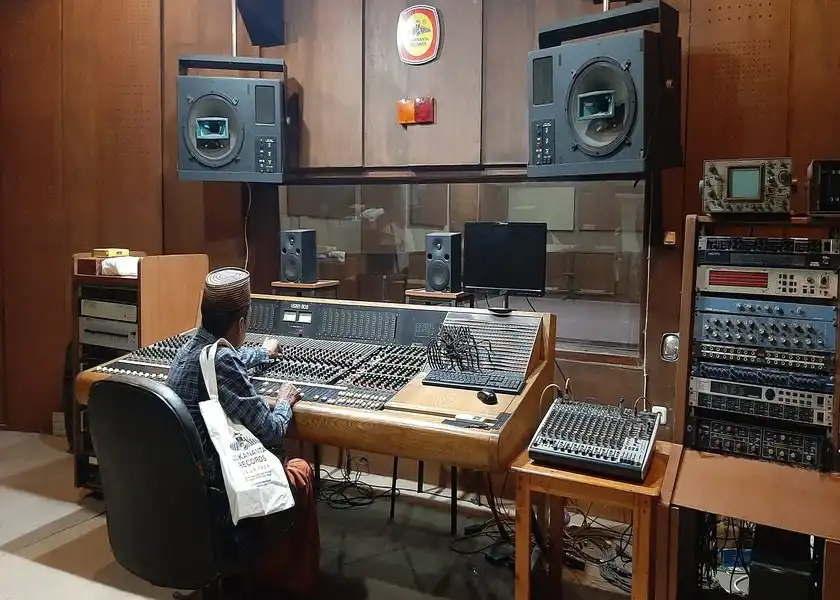
One of Lokananta’s biggest attractions is, of course, its historic recording studio. It has witnessed decades of Indonesia’s music history and has been used by a number of prominent Indonesian musicians.
Vinyl Collection & Music Archive
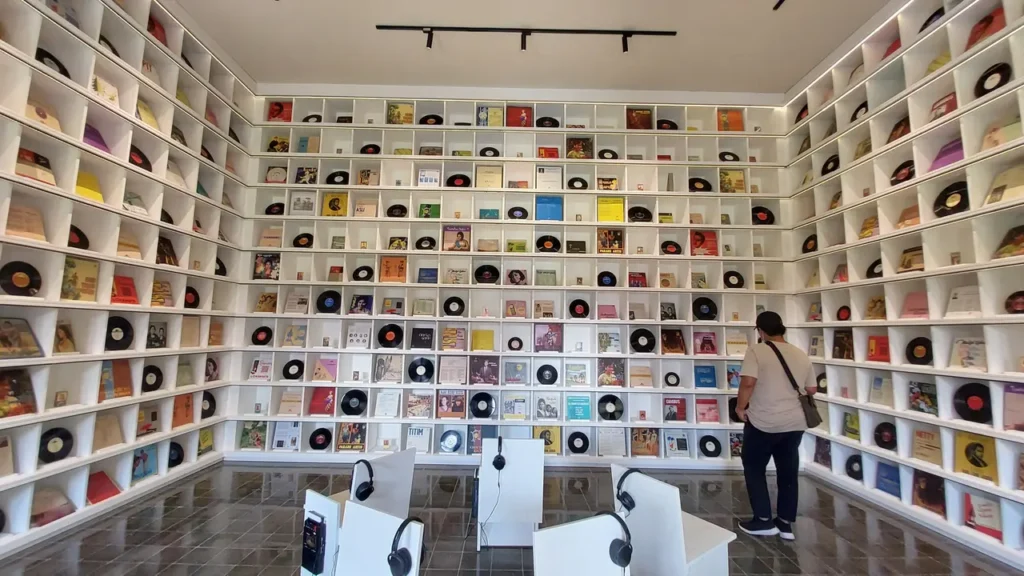
Lokananta Gallery houses more than 50,000 vinyl records, preserving a long era during which music was carefully pressed onto physical formats. From traditional genres and regional songs to keroncong and national music, the collection holds particular historical value because Lokananta played an important role in documenting and producing some of Indonesia’s earliest recordings.
Creative Spaces & Public Area
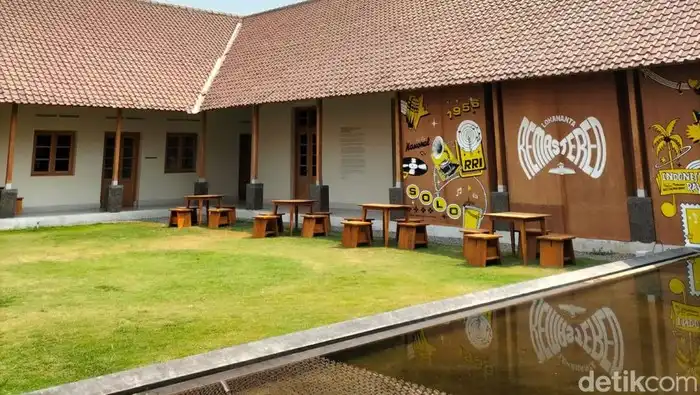
Lokananta’s revitalisation has introduced a more contemporary side to the historic complex. Aside from its archives and recording studio, the area now features public spaces, exhibition areas, merchandise shops, dining spots, and community spaces. Together, these new additions have turned Lokananta into somewhere visitors can spend time even without following a formal museum visit.
Planning Your Visit
Lokananta is located on Jalan Ahmad Yani in Kerten. Its location makes it relatively easy to reach from the city centre by private vehicle or online transportation services, sitting near Solo Paragon Lifestyle Mall and Solo Square.
Lokananta Area
| Entrance Fee | Free |
| Operating Hours | 8 AM – 12 AM |
| Reservation Information | Not required |
Lokananta Gallery
| Entrance Fee | IDR40,000 adultsIDR45,000 adults (weekend)IDR30,000 children, student, elderly |
| Operating Hours | 10 AM – 8 PM |
| Reservation Information | Required via online reservation |
Best Time to Visit
It’s easy to say that Lokananta is best visited all day around. If you want to focus on its historical side, visiting earlier in the day gives you more time to explore the gallery at a relaxed pace before spending time at the public area.
Meanwhile, afternoons and evenings can be a better choice for visitors who want to enjoy the more social side of the complex. If you’re hoping to experience Lokananta beyond its permanent displays, it’s worth checking its latest event calendar before visiting.
Frequently Asked Questions
What is Lokananta?
Lokananta is Indonesia’s first state-owned recording company and recording studio, established in Solo in 1956. It played an important role in documenting, producing, and distributing Indonesian music and key national and international recordings.
Why is Lokananta important?
Lokananta holds an important place in Indonesia’s cultural history because it helped preserve and document thousands of musical recordings from across the country.
How much is the entrance fee?
Entering the Lokananta public area is generally free of charge. However, access to the Lokananta Gallery requires an entrance ticket, starting from IDR40,000 for adults and IDR30,000 for children, students, and senior citizens on weekdays.
Can visitors enter the recording studio?
Access to the recording studio may depend on the day’s activities and visiting arrangements. As the studio remains connected to active music production and creative programmes, certain areas may not always be open for unrestricted public access.
Does Lokananta still produce music today?
Yes, Lokananta continues its connection with Indonesia’s music industry through its revitalised recording facilities and creative programmes.
Despite having been closed for some time, Lokananta continues to stand boldly as a place connecting Indonesia’s musical past with its present. Better yet, its revitalisation has transformed the historic complex into a space where new voices and generations can continue to create, connect, and thrive.
For a deeper look into Solo’s cultural heritage, explore House of Danar Hadi and De Tjolomadoe, both great additions to any list of things to do in Solo.