

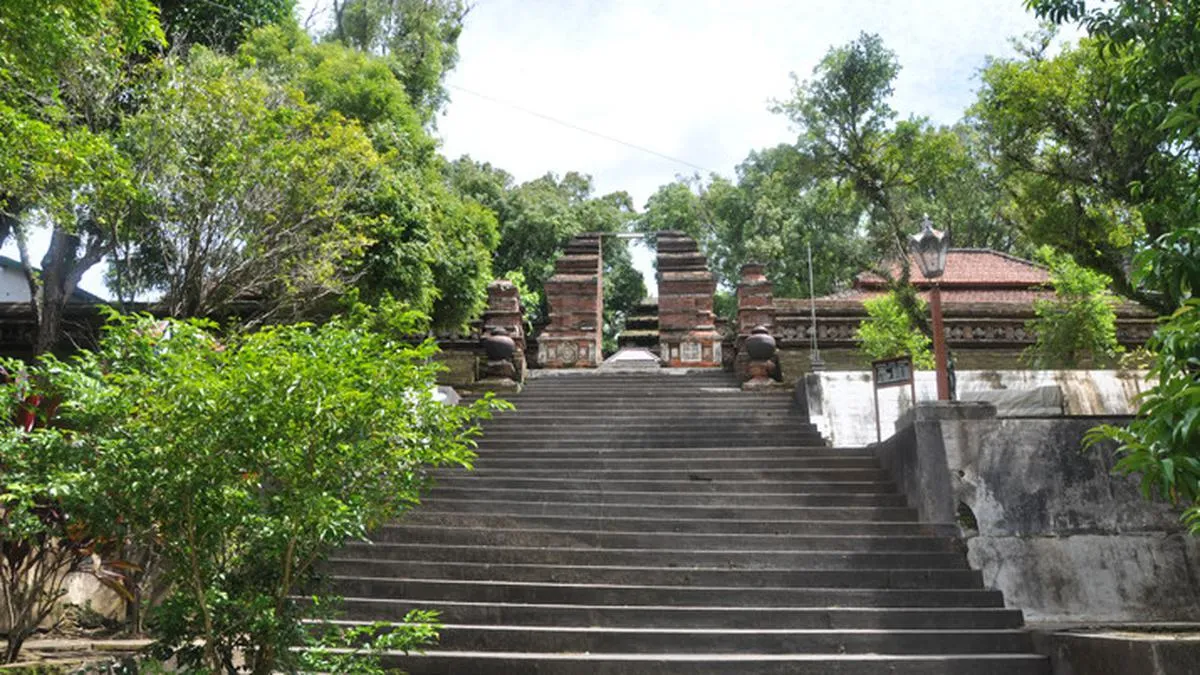
Imogiri Royal Cemetery is a 17th-century royal burial complex situated in the hills of Bantul, Yogyakarta. Built for Sultan Agung of the Islamic Mataram Sultanate, it later became the resting place of rulers from the Yogyakarta and Surakarta royal courts.
Table of Contents
Beyond its role as a royal burial ground, Imogiri holds deep cultural and spiritual significance in Javanese tradition. Visiting the complex, however, requires some preparation, from climbing hundreds of stone steps to observing limited opening hours and traditional etiquette.
The History and Cosmology of Imogiri
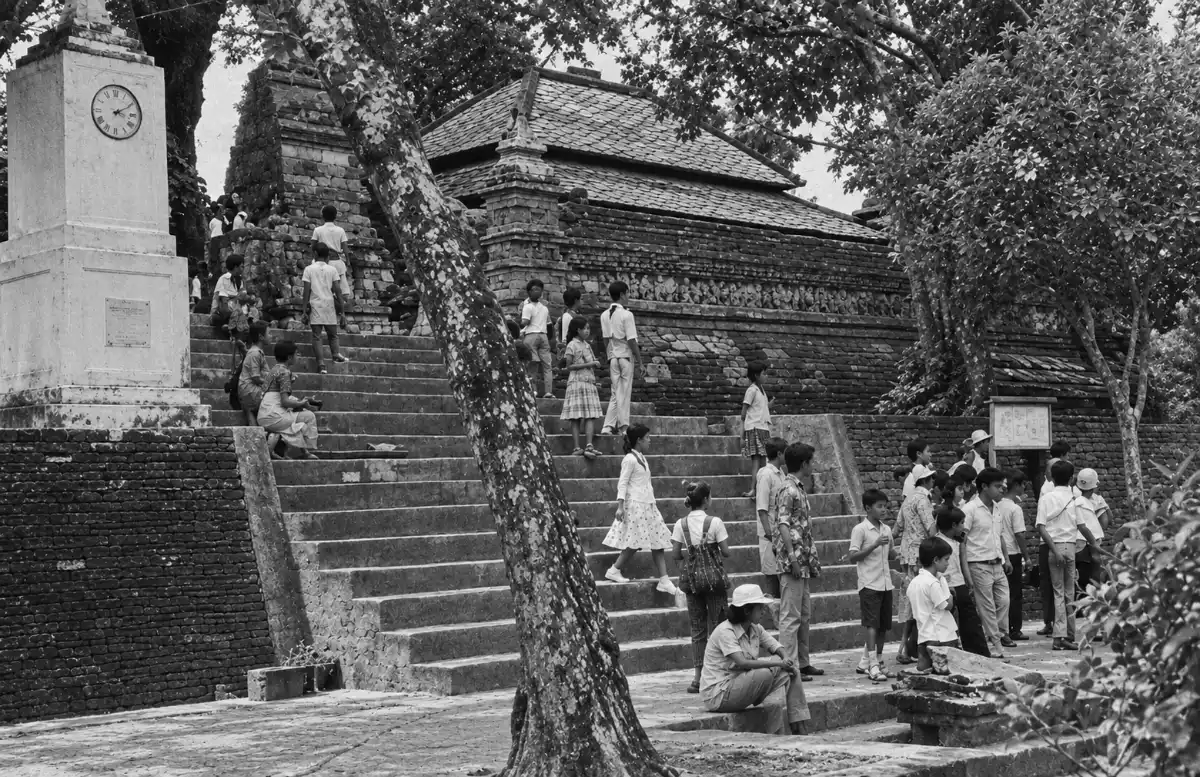
Perched on Bukit Merak, Imogiri Royal Cemetery was commissioned by Sultan Agung, the ruler whose reign from 1613 to 1645 marked a golden age for the Mataram Islam Kingdom. Local legend has it that the site’s selection stemmed from Sultan Agung’s act of scattering soil associated with a sacred place.
The soil is said to have landed on Bukit Merak, leading to the hill’s selection as the location for the royal cemetery. Following Sultan Agung’s death in 1646, Imogiri became the burial place of subsequent rulers and members of the royal families.
Its history continued through the political division of the Mataram Sultanate under the 1755 Treaty of Giyanti, which established the Yogyakarta Sultanate and the Surakarta Sunanate. The cemetery’s burial compounds, known as kedaton, reflect this division, with the western section associated with Surakarta and the eastern section with Yogyakarta.
Javanese Cosmology & The Imaginary Line
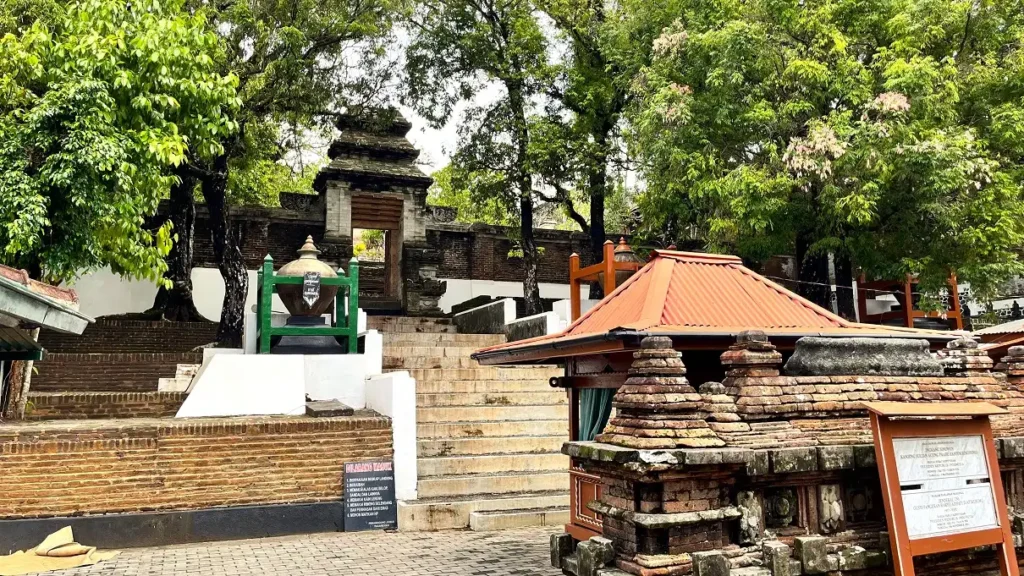
Javanese cosmology places spiritual significance on certain landscapes and locations, a tradition reflected in Yogyakarta’s royal heritage. Imogiri Royal Cemetery is tied to a belief that elevated places bring the deceased closer to the heavens, where ancestral spirits are thought to reside.
Although this is a traditional belief rather than a historical fact, it helps explain the spiritual significance attached to the cemetery’s hilltop setting. The cemetery also forms part of the wider cultural landscape surrounding Yogyakarta’s imaginary line, or cosmological axis, which connects Mount Merapi, the royal palace, and the southern coast.
While Imogiri lies outside this central axis, its location in the southern hills reflects the broader Javanese understanding of harmony between humanity, nature, and the spiritual world.
The 409 Steps: A Physical and Spiritual Journey
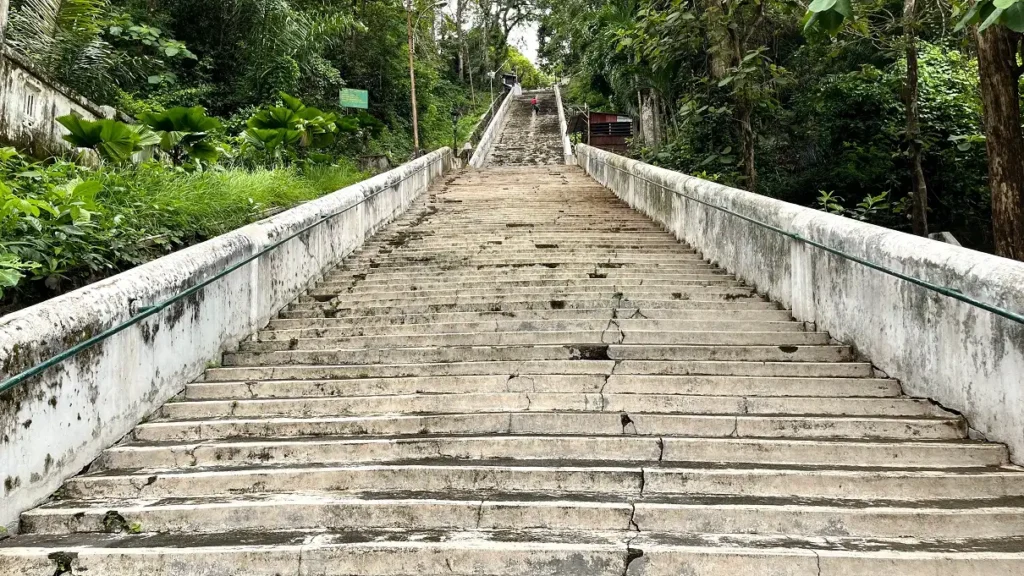
One of the most defining features of Imogiri Royal Cemetery is the long stone staircase. Visitors approaching the upper burial complex must climb 409 steps along a steep hillside, 498 if they wish to reach Sultan Agung’s grave.
The Traitor Beneath the Steps (Tumenggung Endranata)
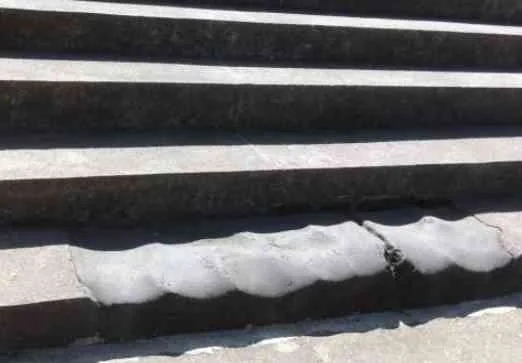
Local accounts connect part of the staircase with Tumenggung Endranata, a figure remembered in stories about betrayal during Sultan Agung’s military campaigns against the Dutch in Batavia in the 1620s. According to the legend, Endranata betrayed Mataram by revealing information about the kingdom’s military plans and food supplies to the Dutch.
He was reportedly captured and executed, with his remains said to have been buried beneath or around the cemetery entrance and staircase. This punishment was intended as a lasting humiliation, ensuring that visitors would symbolically step over the place where he was buried as they climbed toward the royal cemetery.
The Staircase Myth
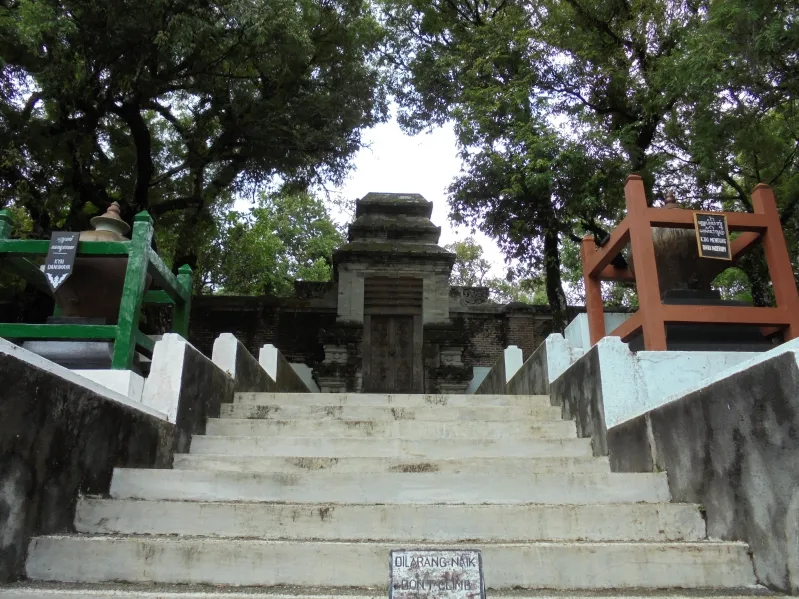
Another local belief concerns the number of steps leading to the royal cemetery. According to the story, visitors who manage to count the steps correctly on their way up and down may have their wishes fulfilled.
It’s said that the number of steps seems to vary or is difficult to count accurately for pilgrims who attempt to count them one by one from the bottom to the top.
Strict Etiquette and the Traditional Dress Code
Imogiri Royal Cemetery is a sacred burial ground, not simply a historical attraction. Visitors are expected to behave respectfully, and additional rules apply when entering certain sections of the complex.
Before visiting, keep these guidelines in mind:
- Wear traditional clothing where required.
To enter the main burial grounds, visitors must wear traditional clothing. Men are required to wear peranakan or beskap jackets with a jarik (traditional batik cloth), while women must wear a kemben and traditional cloth.
If you do not have the required attire, rental services are often available around the cemetery. - Remove footwear.
Visitors must go barefoot in certain sections of the complex. Follow the instructions provided on arrival - Keep the atmosphere quiet.
Avoid loud conversations, music, or behavior that could disturb people praying or paying their respects. - Follow photography restrictions.
Photography and the use of communication devices may be restricted in sacred areas. Ask the caretakers before taking pictures and follow their instructions. - Respect the buildings and surroundings.
Do not touch, damage, or mark historic structures, and avoid disturbing plants or other parts of the site.
Practical Information for Visitors
Location and How to Get There
Imogiri Royal Cemetery is located in Pajimatan, Girirejo, Imogiri District, Bantul Regency, south of Yogyakarta. Situated on a hill, the cemetery can generally be reached by car or motorcycle from central Yogyakarta in around 45 to 60 minutes, depending on traffic.
Opening Hours
Imogiri Royal Cemetery doesn’t operate like a conventional attraction that opens every day. The published visiting schedule lists the following hours:
- Monday and Sunday, 10 AM–1 PM
- Friday, 1.30 PM–4 PM
The cemetery closes during Ramadan or major Islamic holidays.
Entrance Fees and Clothing Rental
Entry is generally based on a voluntary donation, while traditional clothing rentals and other services may incur separate charges.
Frequently Asked Questions
Can non-Muslims or foreign tourists enter Imogiri Royal Cemetery?
Visitors from different backgrounds can visit the cemetery, provided they follow the site’s access rules and behave respectfully.
Do I need traditional clothing if I only want to see the exterior?
Traditional clothing is required for entry to designated sacred areas, rather than necessarily for every part of the grounds. If you only intend to explore the exterior or lower areas, wear modest, respectful clothing and confirm which sections are accessible without traditional attire.
Is Imogiri Royal Cemetery wheelchair accessible?
No. The main route to the upper burial complex involves a long, steep stone staircase, making it unsuitable for most wheelchair users.
At first glance, Imogiri Royal Cemetery may appear to be simply the final resting place of rulers from the Mataram Sultanate and the later royal courts of Surakarta and Yogyakarta. However, its significance extends far beyond its role as a burial ground. I
ts hilltop setting, long staircase, and enduring customs reveals how ancestry, spirituality, and royal identity remain intertwined in Javanese tradition. If you find this topic inspiring, continue exploring the region’s royal heritage with our guides to Keraton Yogyakarta Palace and the history of the Mataram Kingdom.