

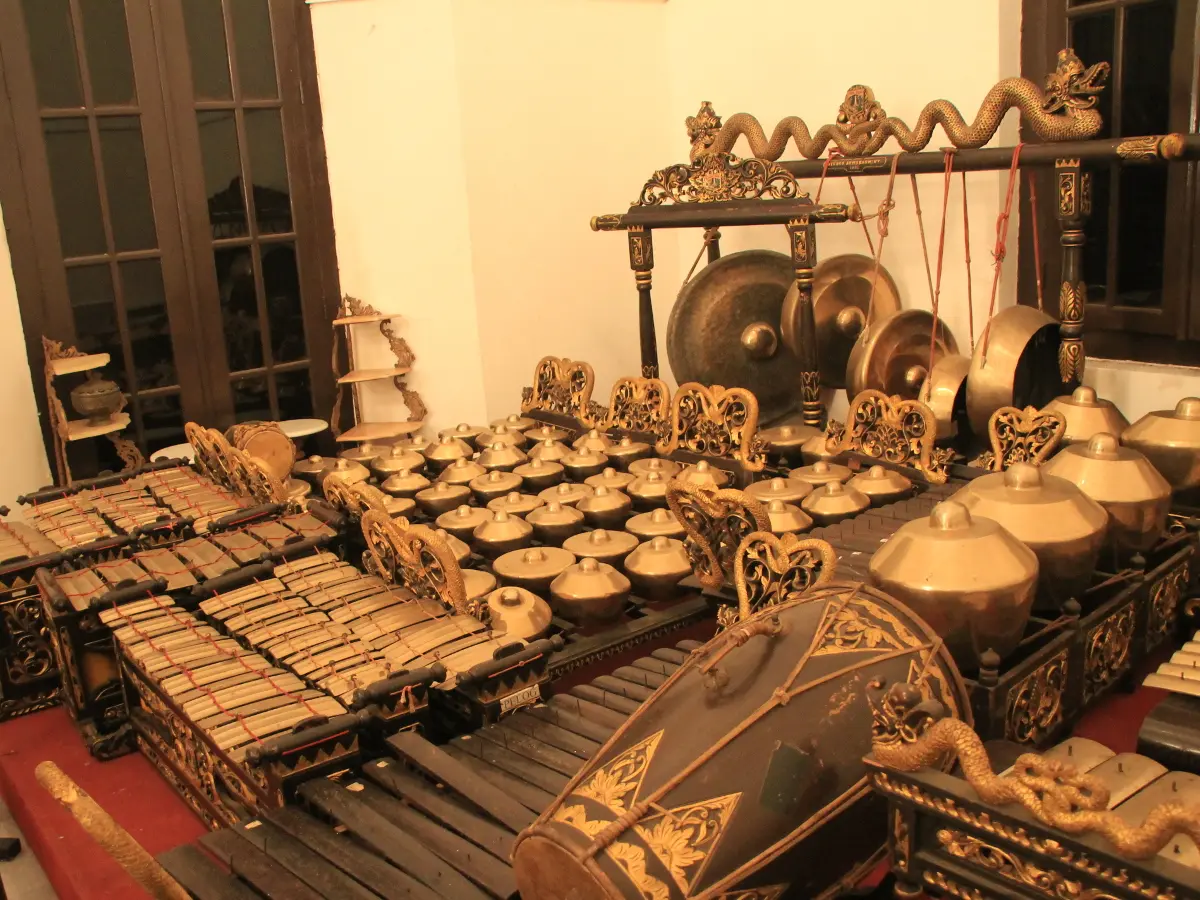
When you witness cultural performances or traditional ceremonies in Java, you’ll almost certainly hear the harmonious resonance of gamelan filling the air. Gamelan is a traditional musical ensemble deeply rooted in Javanese culture, known for its layered melodies created by multiple instruments. For centuries, it has embodied philosophy, spirituality, and communal harmony within Indonesian cultural life.
Table of Contents
Through its rhythms and harmony, gamelan invites audiences to reflect on balance in life, harmony within the universe, and the importance of social cohesion.
What is Gamelan?
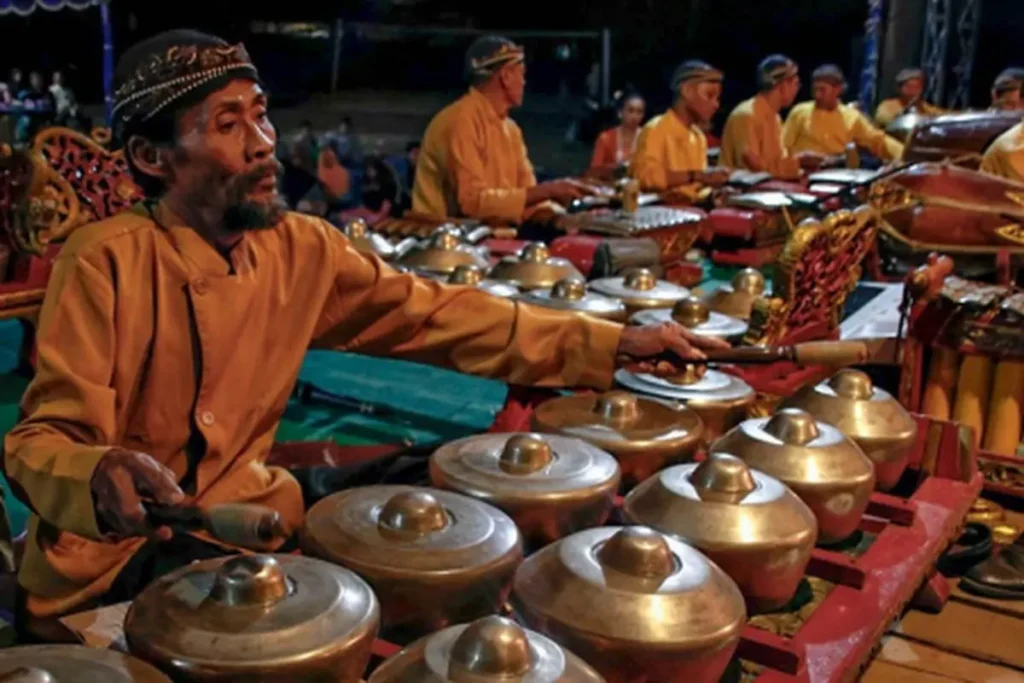
Gamelan is a traditional Javanese ensemble built primarily around bronze percussion instruments. Performed collectively, gamelan music uses two primary tuning systems known as slendro and pelog. In 2021, UNESCO officially recognized gamelan as an Intangible Cultural Heritage of Humanity.
The History of Gamelan
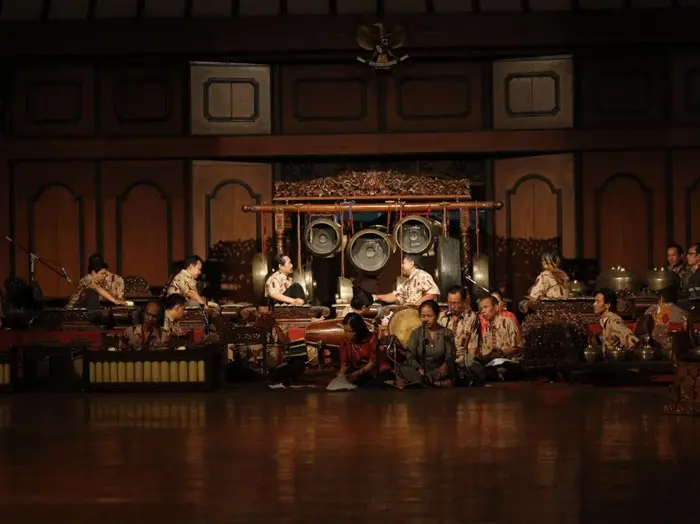
In the Javanese mythology, gamelan was first created in 230 AD by Bathara Guru, the supreme deity believed to rule the Javanese island from a palace on Wukir Mahendra Giri in Medang Kamulan today’s Mount Lawu. Legend says he created the first gong to summon the gods before eventually developing a complete musical system for communication.
Historically, gamelan evolved alongside the great kingdoms of Java. Evidence of early gamelan-like instruments can already be found in ancient temple reliefs dating back to the Hindu-Buddhist era, including those at Borobudur Temple.
During the Majapahit Empire period, gamelan became increasingly refined and underwent more complex development, with stronger Javanese identity gradually becoming attached to the tradition. Between the 16th and 18th century, gamelan later flourished under the Mataram Sultanate, especially within the royal courts of Yogyakarta and Surakarta.
Court gamelan, often referred to as gamelan keraton, developed into highly structured musical systems deeply connected to ritual, etiquette, and spirituality. This era reflected strong cultural syncretism, where Hindu-Buddhist heritage was adapted and reinterpreted within Islamic Javanese traditions.
Instruments of the Gamelan Orchestra
A full Gamelan ensemble can contain dozens of instruments, each with a specific role within the musical architecture of the performance.
Balungan Instruments (Melody Carriers)
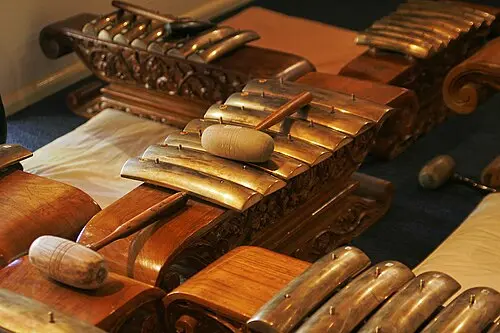
The balungan instruments carry the core melody of the composition. Saron produces clear metallic tones and is played using a wooden mallet. Demung functions similarly to the saron but produces lower and deeper notes. Slenthem adds softer resonant tones through thin bronze keys suspended above tubes.
Punctuation Instruments
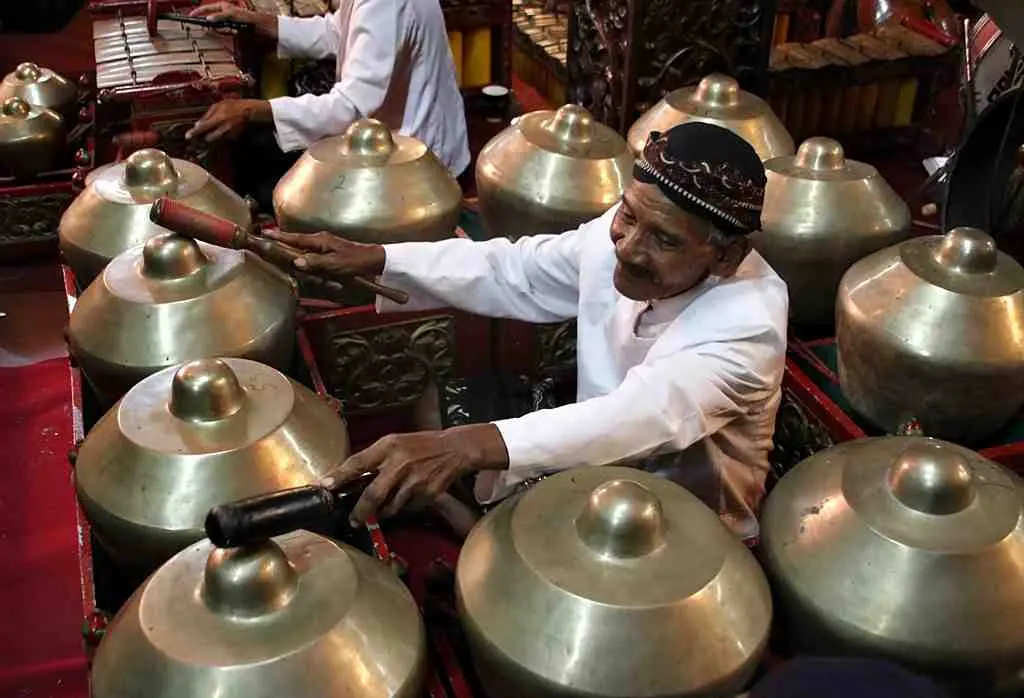
Certain instruments function as markers that organize musical time and structure. While Kenong divides melodic sections into cycles, Kempul provides intermediate accents. Gong marks the completion of major musical cycles and is often considered the spiritual center of the ensemble.
Elaborating Instruments
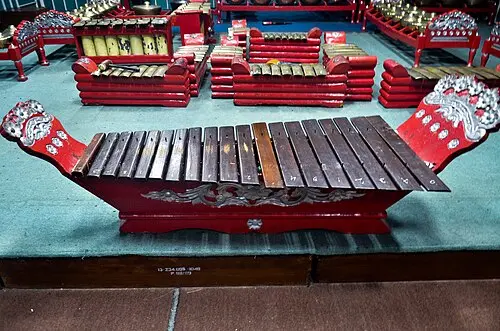
Elaborating instruments are there to enrich the sound. Bonang creates flowing melodic variations. Gender produces softer, more intricate layers. Gambang, made from wooden keys, adds lighter and more fluid textures. Together, these instruments create the shimmering complexity for which gamelan music is famous.
The Kendang (Drum)
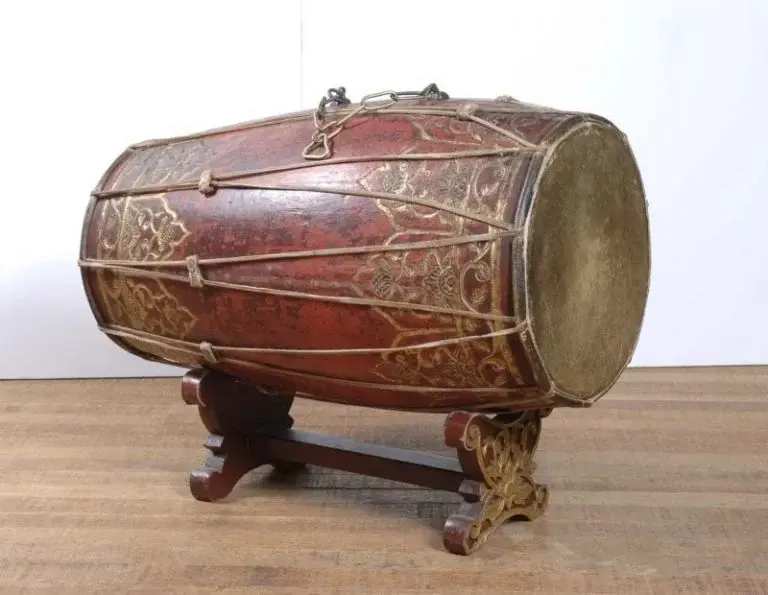
The Kendang acts as the leader of the ensemble. Played by hand, the kendang controls tempo, transitions, and overall dynamics. The drummer also communicates directly with dancers and puppeteers during performances, helping synchronize movements and dramatic pacing.
The Two Scales: Slendro and Pelog
One of gamelan’s most distinctive features lies in its two tuning systems: slendro and pelog.
Slendro uses a five-note scale with relatively even intervals. Its sound often feels lighter, softer, and more meditative. Meanwhile, pelog uses a seven-note scale with more varied intervals, producing richer and sometimes more emotional or dramatic moods.
Is Gamelan Music Religious?
Gamelan is not a form of religious worship in any formal sense. However, it carries strong spiritual and sacred significance within Javanese culture. Gamelan is commonly performed during palace rituals, Wayang Kulit performances, ceremonies, and traditional celebrations. In many contexts, the music is believed to help create harmony between the physical and spiritual worlds.
The Forbidden Act in Gamelan
One of the most well-known rules in gamelan culture is that people should never step over the instruments. This prohibition reflects deep respect toward the instruments themselves, which are often considered spiritually significant within Javanese tradition. Some communities believe gamelan instruments possess spiritual energy or symbolic souls tied to the harmony of the ensemble.
Where to Hear & Learn Gamelan in Yogyakarta
To experience gamelan in Yogyakarta is relatively easy, whether as a listener or as a student eager to learn the tradition firsthand.
Keraton Yogyakarta
Alongside classical dance presentations, the Keraton regularly hosts traditional gamelan performances every Tuesday and Thursday. Performances typically begin around 10 AM.
Sonobudoyo Museum
Head to Sonobudoyo Museum to experience wayang performances accompanied by gamelan royal orchestras driving the emotional atmosphere of the stories. Whether attending Wayang Kulit, wayang orang, or wayang topeng performances, each presentation offers a rich introduction to Javanese culture and performing arts.
Institut Seni Indonesia Yogyakarta
The Indonesian Institute of the Arts Yogyakarta is the city’s leading institution for the formal study of traditional arts, including Javanese music. The campus frequently hosts seminars, workshops, and webinars centered around time-honored traditions like gamelan, providing opportunities to learn directly from artists and scholars.
For those who want a more intimate learning experience, numerous private arts studios across the city offer Gamelan lessons for beginners and intermediate students.
The harmonious resonance of gamelan ultimately reflects life itself. Its hypnotic rhythms and layered melodies continue echoing through palaces, villages, and performances across Java, preserving centuries of cultural wisdom within every note. And those very rhythms remain inseparable from another iconic Javanese art form: Wayang Kulit.