
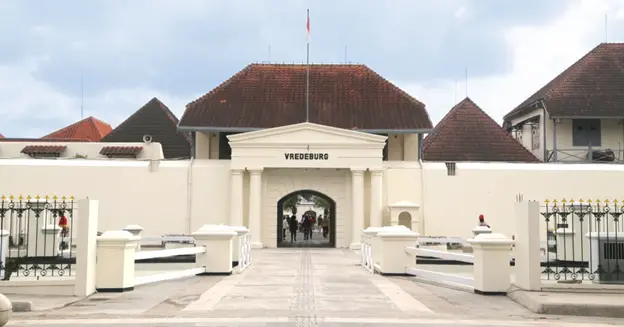
Fort Vredeburg Museum is one of Yogyakarta’s most important historical attractions. Located near Malioboro Street, the former Dutch colonial fort now serves as a museum showcasing Indonesia’s journey toward independence through immersive dioramas, historical artifacts, and interactive exhibits.
Table of Contents
This guide explores the museum’s history, key attractions, ticket information, and essential tips to help you plan your visit.
What Is Fort Vredeburg Museum?
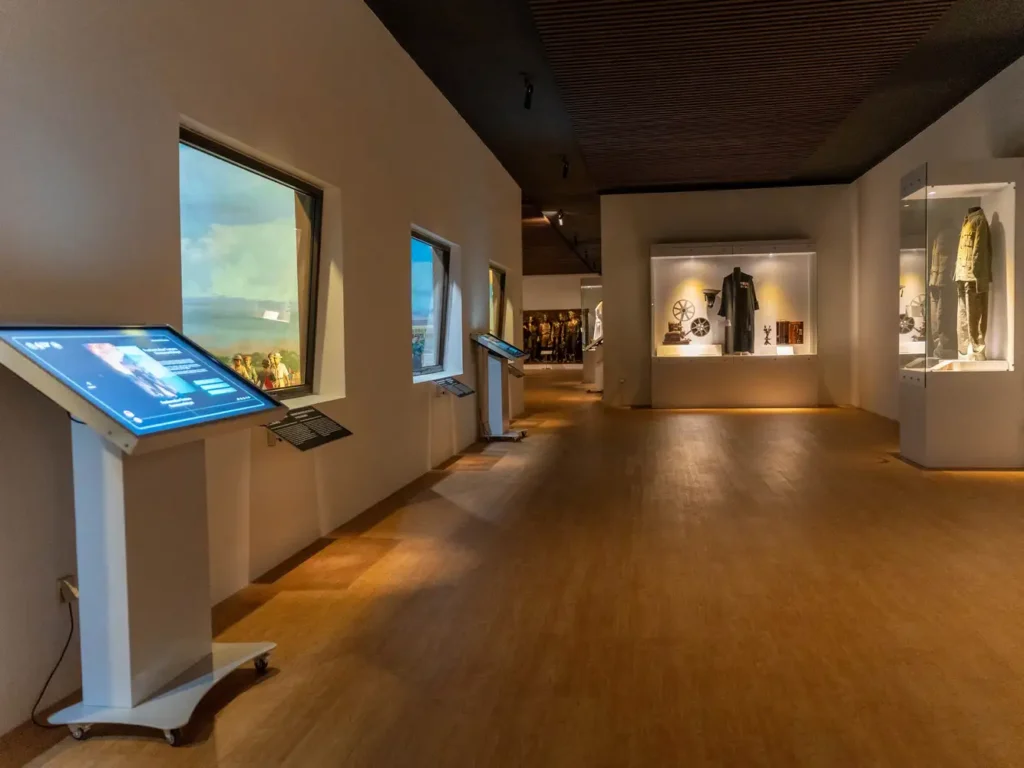
Fort Vredeburg Museum is a former Dutch colonial fortress in central Yogyakarta. Today, it has been transformed into one of the city’s most important historical museums, showcasing artifacts, exhibits, and stories about Indonesia’s struggle for independence and national history.
It sits at the southern end of Malioboro Street, directly across from Gedung Agung and within walking distance of Keraton Yogyakarta and Titik Nol.
Fort Vredeburg Museum at a Glance
| Location | Jl. Margo Mulyo No.6, Ngupasan, Kec. Gondomanan, Kota Yogyakarta, Daerah Istimewa Yogyakarta 55122 |
| Opening Hours | Tuesday to Thursday: 8 AM – 8 PMFriday to Sunday: 8 AM – 9 PM |
| Ticket Price | Starting from IDR10,000 |
| Best for | History enthusiasts, families, and students |
| Visit Duration | 1–2 hours |
Is Vredeburg museum worth to visit?
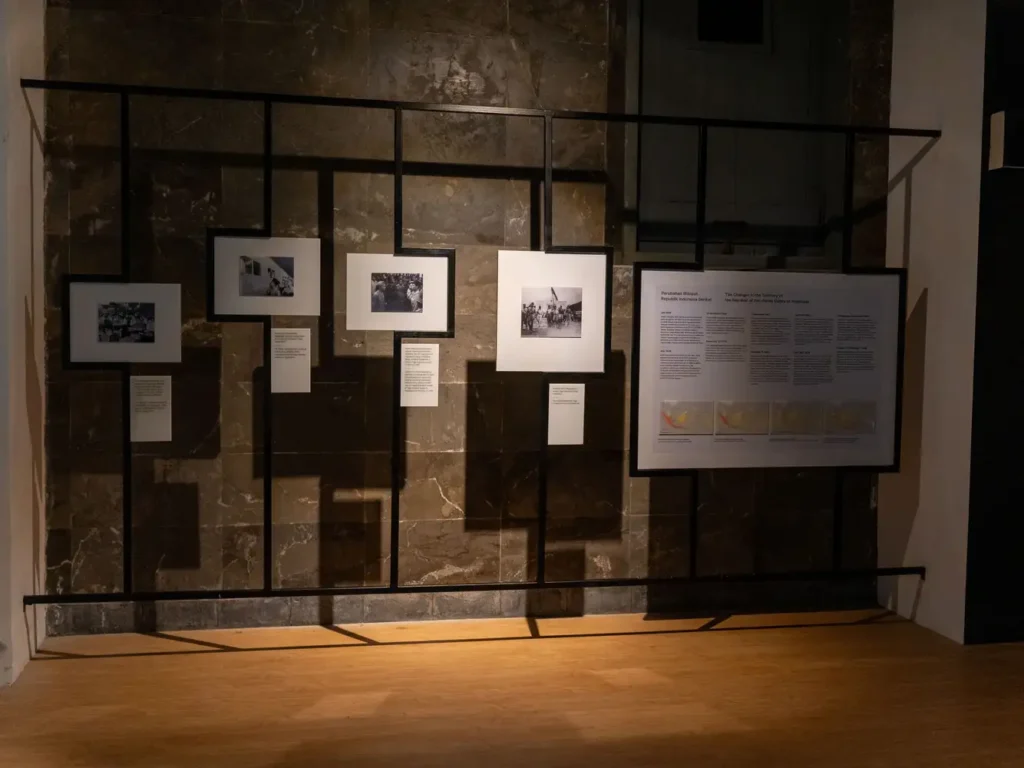
Fort Vredeburg Museum is well worth a visit, especially for history geeks and travelers interested in culture. As the oldest colonial legacy in Yogyakarta, the fort has stood at the heart of the city for more than two centuries, witnessing many of the events that shaped modern Indonesia.
What makes the museum particularly fascinating is how it connects multiple chapters of history. Originally built as a Dutch colonial defense fortification, it later served as an administrative and government space before being transformed into a museum dedicated to the nation’s past.
Today, its exhibits trace Indonesia’s story from the era of Prince Diponegoro and the Java War through the struggle for independence and into the New Order period.
A Brief History of Fort Vredeburg
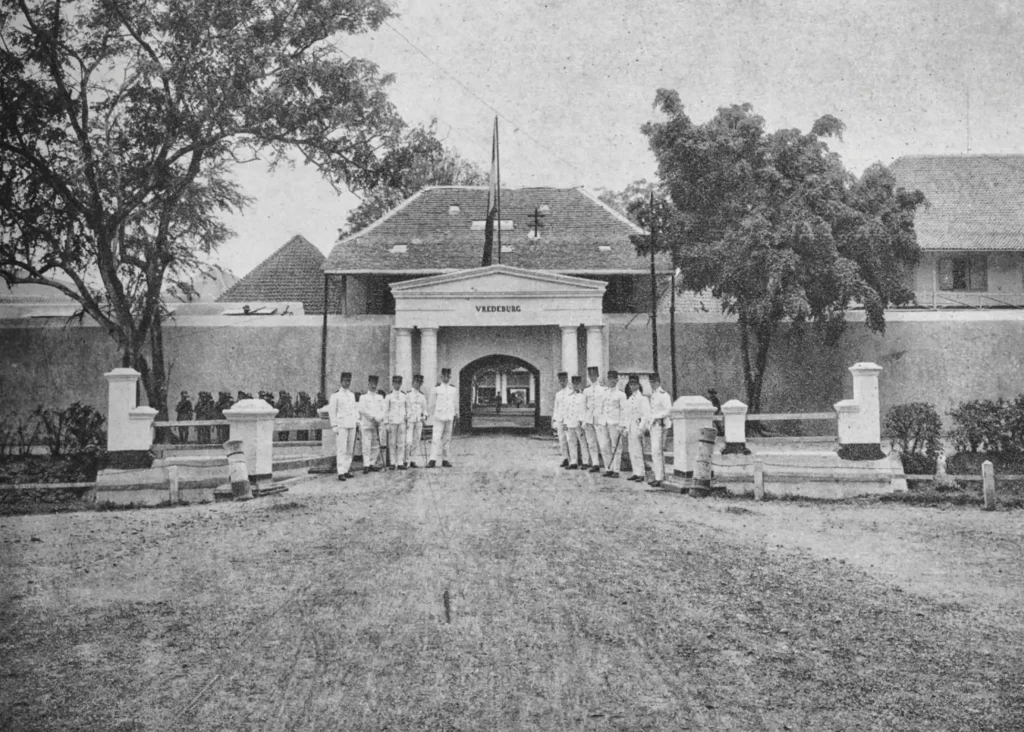
The history of Fort Vredeburg is closely tied to the establishment of the Yogyakarta Sultanate in 1755. As the newly founded kingdom grew in influence, the Dutch became concerned about its increasing power and requested permission to build a fort near the palace.
While officially intended to protect the area, the fort’s strategic location allowed the Dutch to monitor activities within the royal court and maintain control over the region.
Construction of the fort began in 1760 and was completed in 1787 during the reign of Sri Sultan Hamengku Buwono I. Originally named Rustenburg, the fortress was later renamed Vredeburg, meaning “peace fortress.” It wasn’t until 1992 for Fort Vredeburg to be officially transformed into a museum.
What to See Inside the Museum
Home to 605 collections representing various periods of Indonesia’s national struggle, there’s certainly a lot to see inside the Fort Vredeburg Museum. Here’s what to look for during your visit:
Dioramas and Historical Narratives
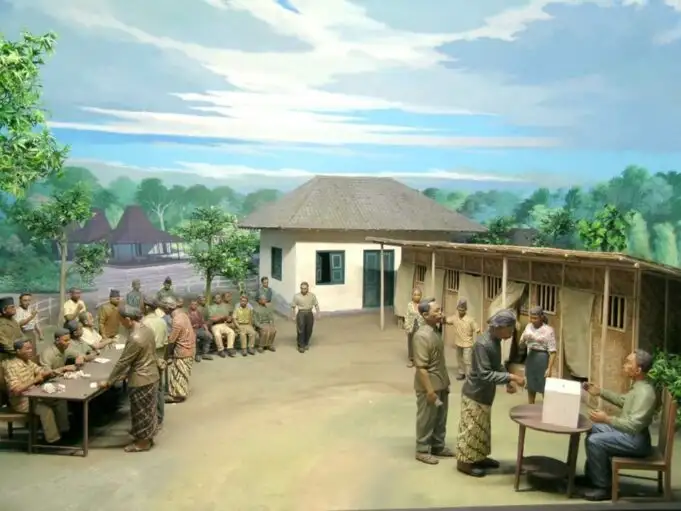
The museum’s four diorama rooms are its heart. Each room covers a distinct period of Indonesian history, presented through intricately crafted miniature scenes accompanied by written descriptions in both Indonesian and English.
In recent years, the museum has incorporated newer digital attractions alongside its historical exhibits, including video mapping displays, a Magic Wall, Moving Comic installations, and a Digital Relief feature. These additions make the space more engaging for younger visitors.
Objects Related to Household Life, War, and National Figures
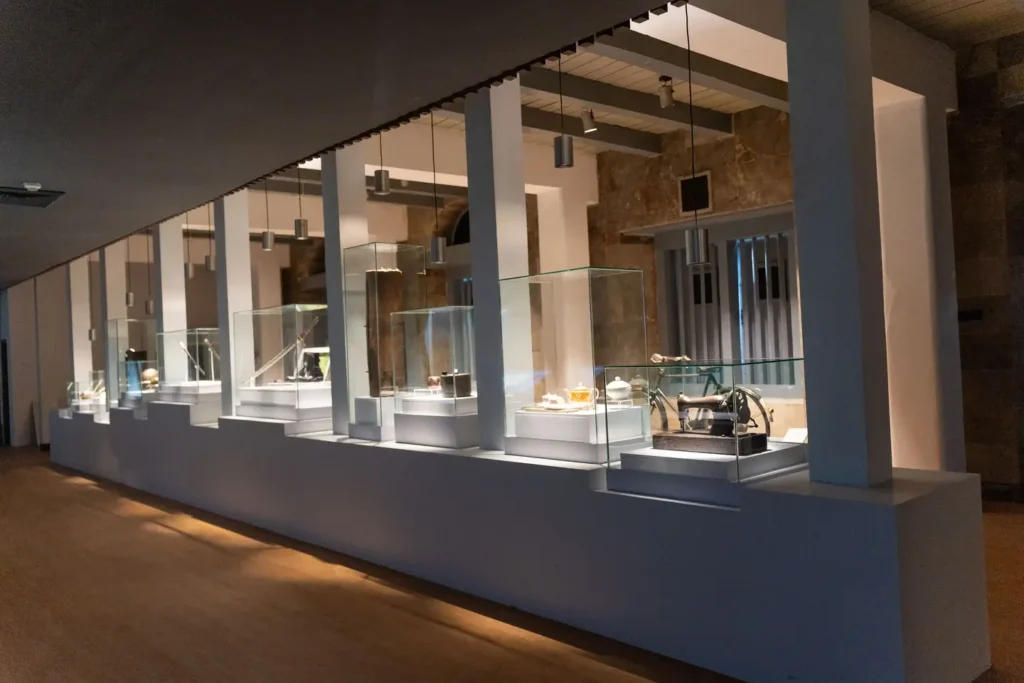
Fort Vredeburg Museum holds an extensive collection of original photographs, documents, weapons, and everyday objects connected to key figures and events in Indonesian history. Some of the most notable exhibits include foreign currencies once circulated in Indonesia, vintage typewriters, and dining utensils belonging to historical figures.
Architecture and Fort Layout
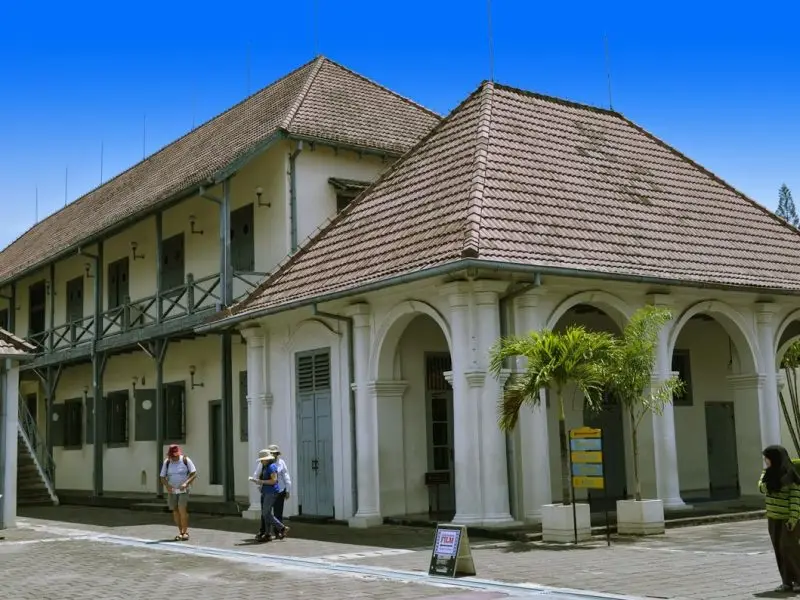
The fort structure itself is worth exploring slowly. The whitewashed walls, corner bastions, and central courtyard reflect classic Dutch colonial military architecture. The grounds also include a small pond, mature trees, and open courtyards that offer a quiet retreat from the bustle of central Yogyakarta.
Public Spaces and Photo-Friendly Corners
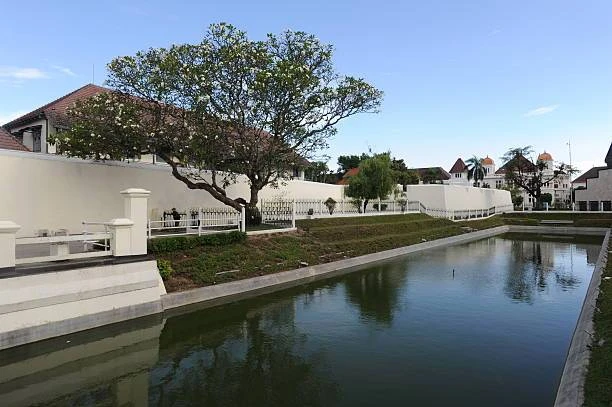
The open courtyard and surrounding architecture create natural spots for photography. The contrast between the colonial-era fort exterior and the greenery within the grounds makes for a visually compelling backdrop that goes beyond the typical museum visit.
Tips Before Visiting Fort Vredeburg
Fort Vredeburg is one of the more affordable heritage sites in Yogyakarta, and visiting requires minimal planning. Yet, a few details are worth knowing before you arrive.
Opening Hours
The museum is open Tuesday through Sunday, and Friday through Sunday. On weekdays (Tuesday to Thursday), hours run from 8 AM to 8 PM. On weekends (Friday to Sunday), extended hours apply from 8 AM to 9 PM.
Ticket Prices
Admission fees generally range from IDR10,000 to IDR100,000, depending on the visitor category and day of visit. Free admission is available for children aged 0–3, senior citizens aged 60 and above, people with disabilities and one companion, orphans, holders of Kartu Indonesia Pintar (KIP) and Kartu Indonesia Pintar Kuliah (KIP-K), as well as tour leaders accompanying groups of at least five people.
FAQ About Fort Vredeburg
What is Fort Vredeburg famous for?
Fort Vredeburg is famous as one of the best-preserved examples of Dutch colonial military architecture in Yogyakarta. Today, it stands as one of Indonesia’s most comprehensive museums, offering valuable insight into the nation’s journey from colonial rule to independence.
Is Fort Vredeburg near Malioboro?
Yes. Fort Vredeburg sits at the southern end of Malioboro Street, directly at the 0 Kilometer Point. From the main Malioboro strip, the fort is a short walk south.
What can you see inside Fort Vredeburg?
Inside the Fort Vredeburg Museum, visitors can explore four diorama rooms covering Indonesian history from the colonial era to the 1970s, a collection of historical photographs and artifacts, and the fort’s original colonial-era architecture including its bastions and courtyards. Descriptions are available in both Indonesian and English throughout the main galleries.
Is Fort Vredeburg good for foreign travelers?
Yes, particularly for those with an interest in Indonesian or Southeast Asian history. English-language descriptions accompany most of the major exhibits, and the visual nature of the diorama format makes the content accessible even without prior knowledge of Indonesian history.
Standing as the oldest colonial legacy in Yogyakarta, Fort Vredeburg Museum walks you through the nation’s past unlike any other of the city’s sites. It provides valuable context for understanding the nation’s journey through colonialism, independence, and modern statehood. After exploring the museum, continue your adventure in Malioboro Yogyakarta, where shopping, local cuisine, and cultural experiences await just a short walk away.