

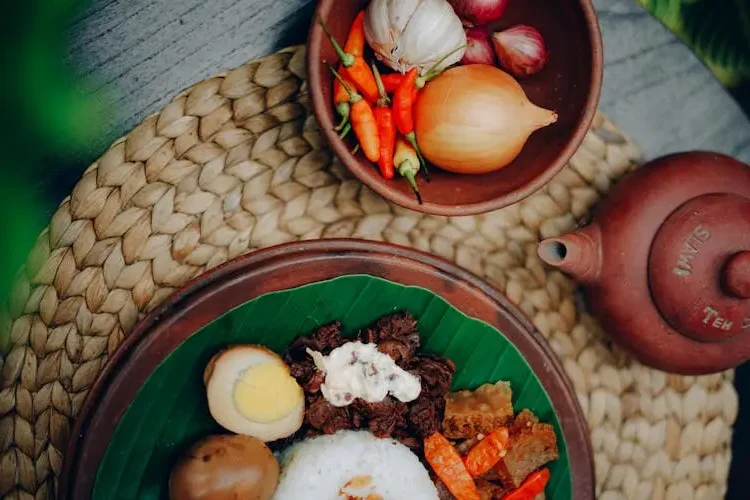
Gudeg is a soulful dish from Yogyakarta and is an important part of the city’s identity. It represents the city’s culture and heritage. In Yogyakarta and Java, Gudeg is often served as the main dish at special celebrations. This dish shows how Javanese people value harmony with the world around them and how food can help people connect with nature.
Table of Contents
People often say, “You haven’t really visited Yogyakarta until you’ve tried Gudeg”, and that’s true. Its sweet-and-savory taste is unforgettable. Gudeg is a tradition worth passing down through generations. To help you discover more about Gudeg and its story, we’ve collected everything you need to know and will share the best places to try it in town. Before we begin, let’s take a quick look at Gudeg and the history behind it:
- Gudeg is a traditional Yogyakarta dish made from young jackfruit cooked with coconut milk and palm sugar.
- The dish dates back to the Mataram Kingdom era in the 15th century.
- The word “Gudeg” comes from the Javanese word “hangudek”, meaning to stir.
- There are two main types of Gudeg: Gudeg Basah (wet) and Gudeg Kering (dry).
- Yogyakarta’s Gudeg is known for its sweet flavor, while Surakarta’s Gudeg tends to be more savory.
What’s Gudeg?
Gudeg is a traditional dish from Yogyakarta made with young jackfruit, slowly cooked in coconut milk, palm sugar, and spices such as garlic, shallots, candlenut, coriander seed, galangal, bay leaves, and teak leaves. This sweet, tender stew is often served with rice, chicken, boiled eggs, tofu, tempeh, and sambal krecek, offering a variety of flavors.
History of Gudeg

Culinary traditions play an important role in preserving heritage. In the 15th century AD, the Mataram Islamic Kingdom built its palace in the Mentaok forest, which is now known as Kotagede. The forest was full of trees such as jackfruit, palm, and melinjo (Gnetum gnemon). Since much of the fruit went to waste, workers began using jackfruit, coconut, and melinjo to prepare everyday meals.
This is how Gudeg was first made. It was created by the local people, not by the palace. At the time, colonizers did not want jackfruit, so locals could use it freely. They cooked with what they had, such as jackfruit (called gori), coconut, and gnetum gnemon, simmering them with palm sugar and spices like coriander, galangal, ginger, shallots, garlic, and black pepper, all common in Yogyakarta.
Gudeg is also mentioned in the Javanese literary work “Serat Centhini,” written between 1814 and 1823 during the reign of Adipati Anom Amangkunegara III, who later became Sunan Pakubuwono V, King of the Surakarta Royal Palace. The word Gudeg comes from the Javanese “Hangudek,” meaning “stirring.” This refers to the long process of stirring the dish for hours to thoroughly mix all the ingredients.
Later, gudeg became a popular dish. As Yogyakarta grew as a tourist city in the 1970s and 1980s, selling gudeg became a new way for people on Jalan Wijilan to earn a living. Today, Wijilan is known as the best place in town for authentic gudeg.
Gudeg became even more popular over time, not only in Yogyakarta but also across Central Java, such as Surakarta (Solo). It is now served not just at street stalls, but also as a specialty in hotels and restaurants. Today, gudeg is packaged not only in bamboo baskets (besek), but also in cans, making it easy to take home as a souvenir.
Types of Gudeg
There are two main types of Gudeg you should know about: dried and wet. Here is what makes them different:
| Difference | Gudeg Basah(Wet Gudeg) | Gudeg Kering (Dried Gudeg) |
| Flavour & Texture | Gudeg Basah contains more coconut milk, so it looks more soupy and has a softer texture. | Gudeg Kering has a firmer texture and a stronger flavor because the coconut milk is fully absorbed into the jackfruit. |
| Durability | The best way to enjoy Gudeg Basah is straight from the pot. It is usually served fresh with warm rice, egg, chicken, and sambal krecek. | Gudeg Kering lasts longer because many vendors serve it in cans to keep it sterile and make it easier to take home as a souvenir. |
The Difference Between Gudeg Yogyakarta and Surakarta

As mentioned earlier, Gudeg has become a beloved dish in both Yogyakarta and Surakarta. However, Gudeg from Yogyakarta and Surakarta differ in their unique qualities. Here are the main differences between the two:
| Difference | Gudeg Yogyakarta | Gudeg Surakarta (Solo) |
| Flavour | Yogyakarta’s Gudeg tastes sweeter because it uses palm sugar. The side dishes, like eggs and chicken, are also cooked in a similar way. | Gudeg Surakarta has a more savory flavor than Gudeg Yogyakarta, making it a good choice for those who prefer less sweetness. |
| Visual & Serving | Yogyakarta’s Gudeg is dark brown and served with side dishes such as egg, chicken, tofu, tempeh, and sambal krecek. | Surakarta’s Gudeg is brighter and redder in color. Its side dishes are different too, including cassava leaves, chicken feet, and sambal krecek. |
Gateway of Java has also compiled the best recommendations for exploring the most delicious and authentic Gudeg dishes. Find out more here: