

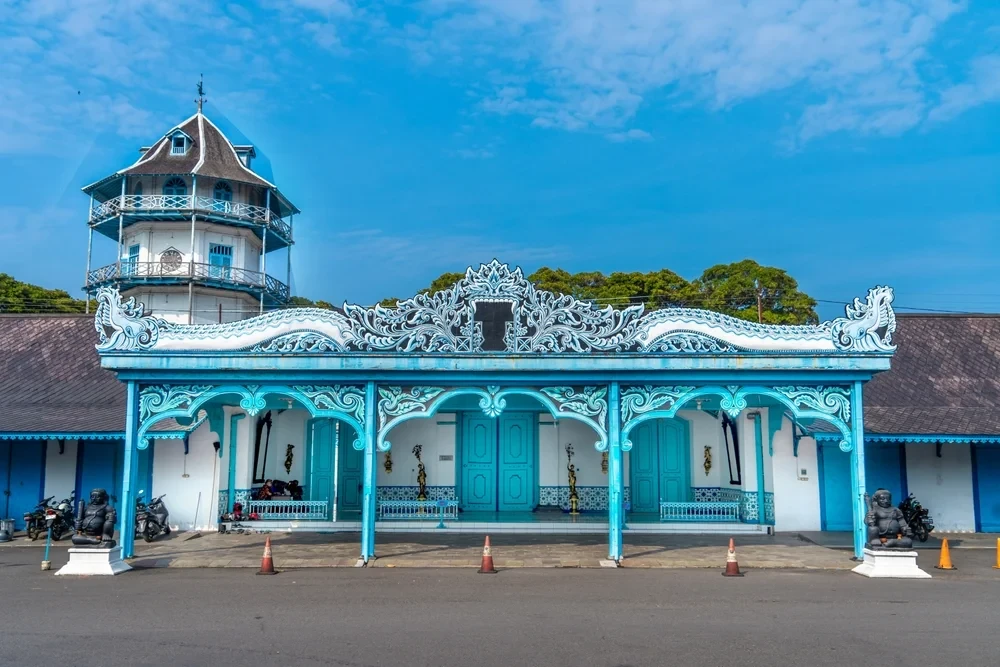
At the heart of Surakarta stands a palace that continues to shape the city’s cultural identity for centuries. Known as Keraton Solo or Keraton Surakarta Hadiningrat, this royal complex is a living symbol of Javanese court tradition, art, and heritage.
Table of Contents
For travelers exploring Central Java, a visit to Keraton Solo offers a deeper understanding of the royal culture that helped shape modern Surakarta. Along with its ceremonial halls and historic collections, the palace presents glimpses into time-honored traditions influencing everyday life throughout the region.
What Is Keraton Solo?
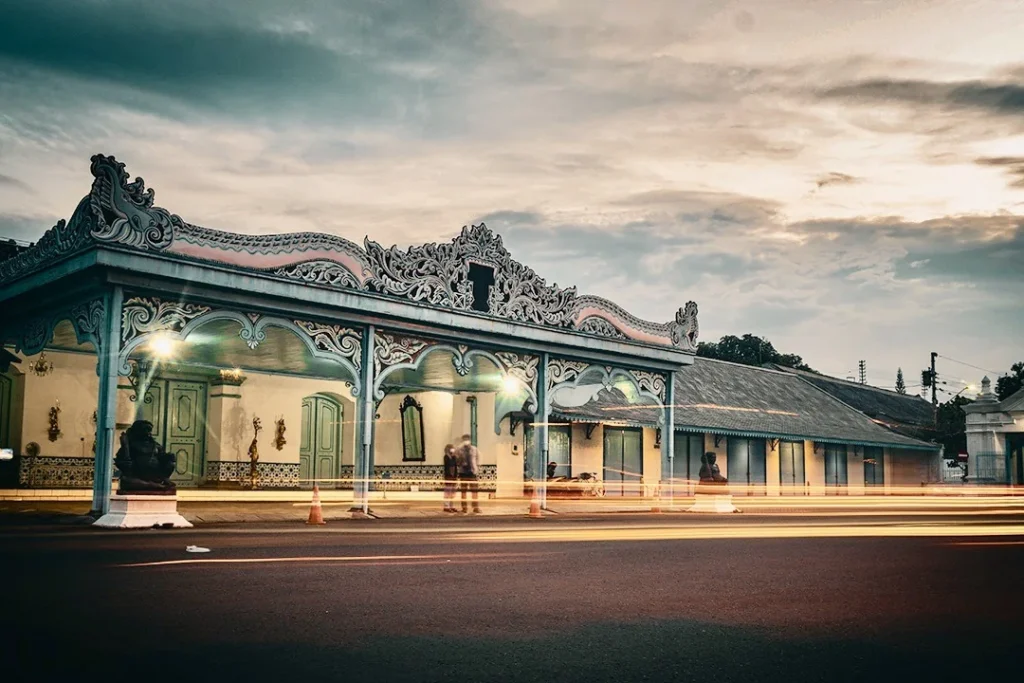
Keraton Solo, officially known as Keraton Surakarta Hadiningrat, is the royal palace of Kasunanan Surakarta. It’s located in the center of Surakarta, Central Java and is closely connected to Javanese court traditions. Members of the royal family still reside within parts of the complex, while traditional ceremonies, artistic performances, and cultural events are periodically held on palace grounds.
Visitor Information
- Address: Jl. Sasono Mulyo, Baluwarti, Kec. Ps. Kliwon, Kota Surakarta, Jawa Tengah 57144
- Operating Hours: Monday–Sunday (Friday closed) | 9 AM – 2 PM
- Ticket: IDR35,000 for domestic tourists, IDR60,000 for foreign tourists
A Brief History of Keraton Surakarta
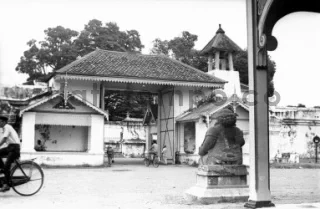
Keraton Kasunanan Surakarta Hadiningrat was originally located in Kartasura. However, following periods of instability and decline, Sri Susuhunan Pakubuwana II relocated the royal court to Desa Sala, near the Bengawan Solo River.
The relocation marked a significant transition in post-Mataram royal history. Keraton Surakarta was officially established in 1743, signaling the beginning of a new royal era.
Over time, Surakarta developed into an important cultural center of Java, preserving court traditions, arts, and etiquette even as political power shifted. Its continuity of royal customs helped shape Surakarta’s identity as a living center of Javanese heritage.
What to See Inside Keraton Solo
A visit to Keraton Solo offers more than a walk through historic buildings. The palace complex is home to architectural landmarks, royal collections, and ceremonial spaces that reveal different aspects of court life.
Palace Courtyards
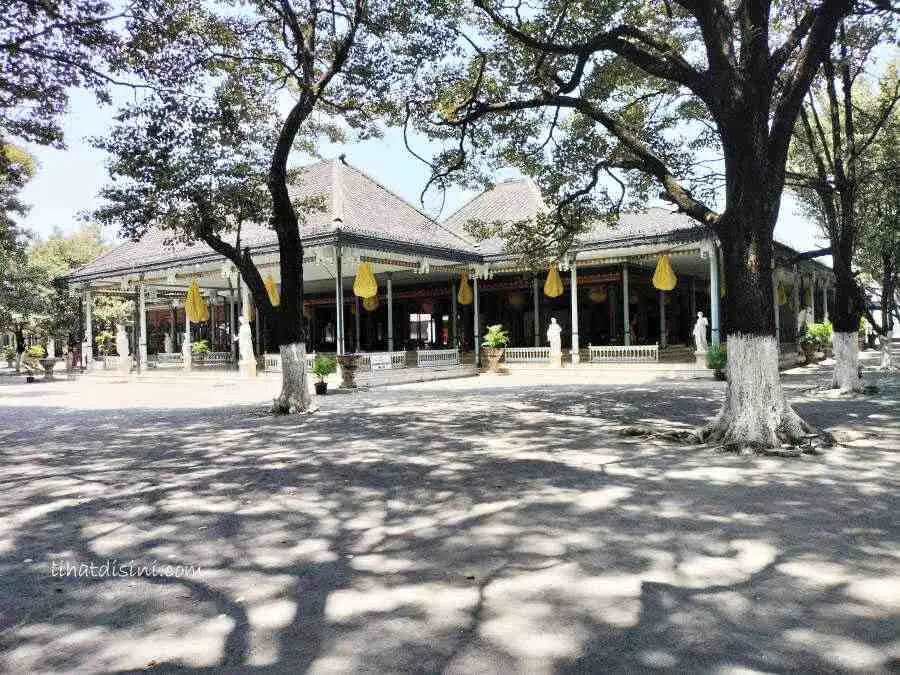
One of the first things visitors notice is the sequence of large open courtyards that structure the palace grounds. These spaces were historically used for royal ceremonies, official receptions, military gatherings, and public events. There are several courtyards, including Kamandhungan, Sri Manganti, and the Kedhaton, each with its own function and distinctive character.
Museum Collections
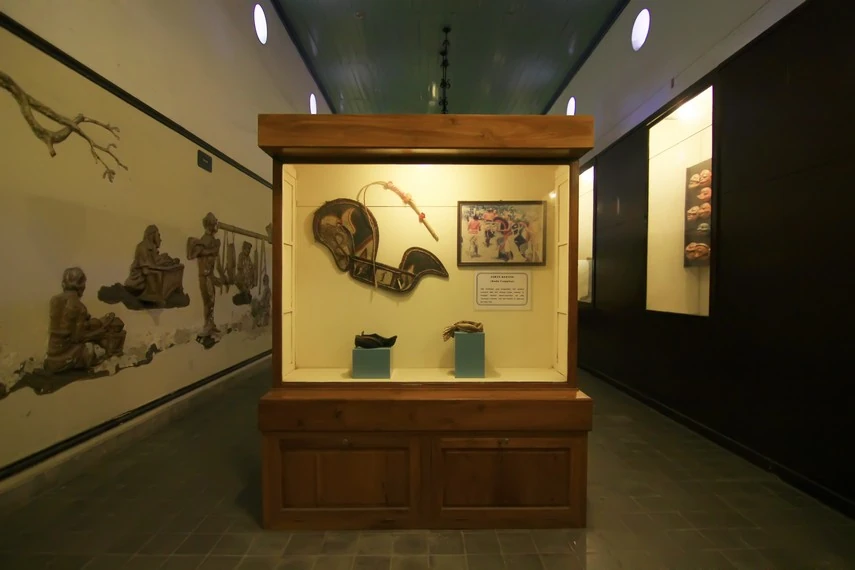
A visit to Museum Keraton Surakarta lets you take a closer look at objects connected to the history of the Surakarta court. Collections may include traditional attire, cultural artifacts, ancient manuscripts, and many more.
Royal Architecture
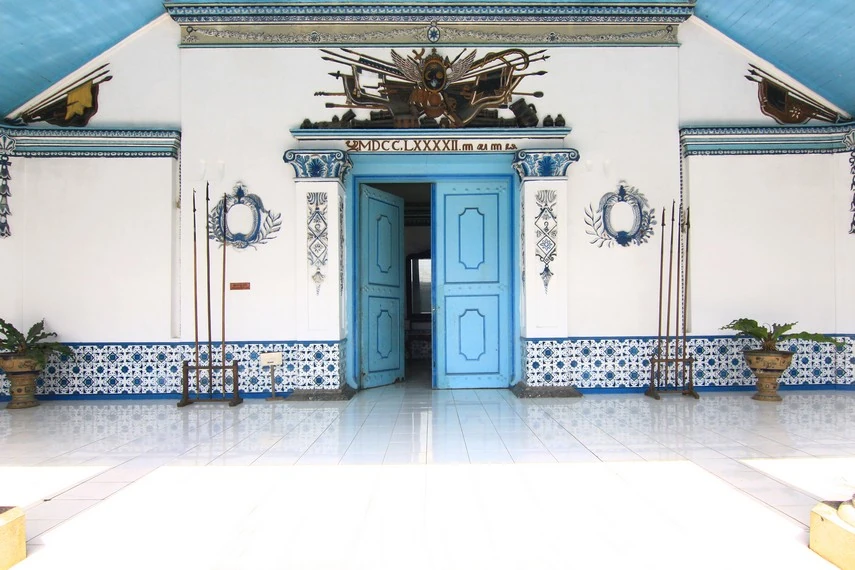
Even a simple walk through the palace reveals the beauty of Keraton Solo’s architecture. The palace showcases traditional Javanese design principles, featuring a blue-and-white color scheme that symbolizes greatness, peacefulness, and harmony with the universe.
Heirlooms, Carriages, and Ceremonial Objects
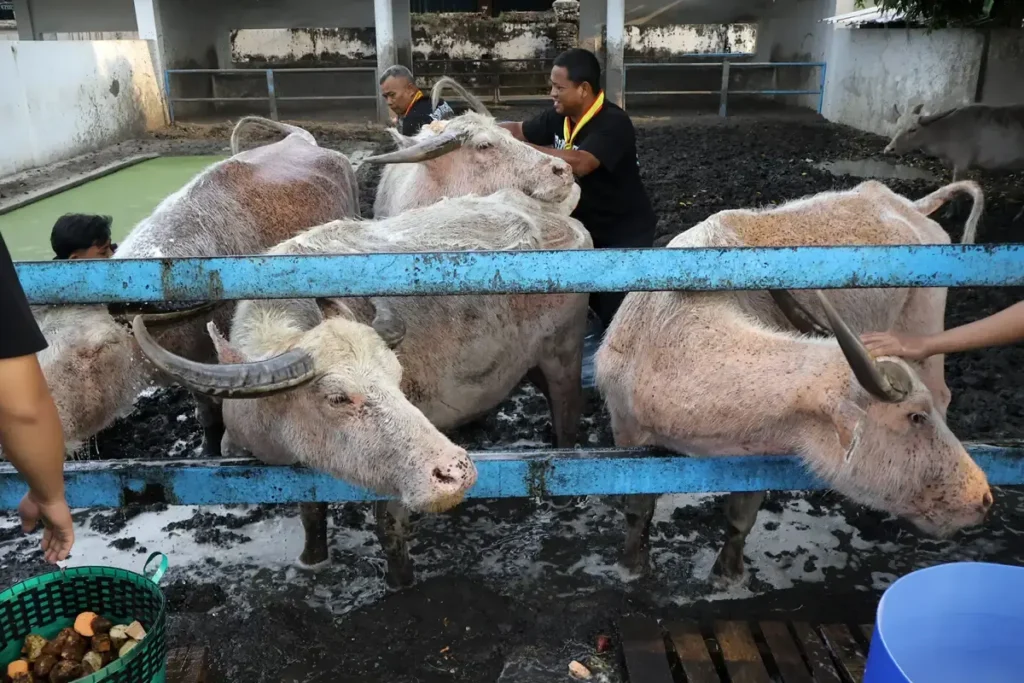
Depending on accessibility and current exhibitions, visitors may also encounter royal heirlooms, ceremonial equipment, and historic carriages used during important court events.
These objects carry the fascinating legacy of centuries-old traditions that are preserved today.
Get to Know More About Keraton Solo and Puro Mangkunegaran
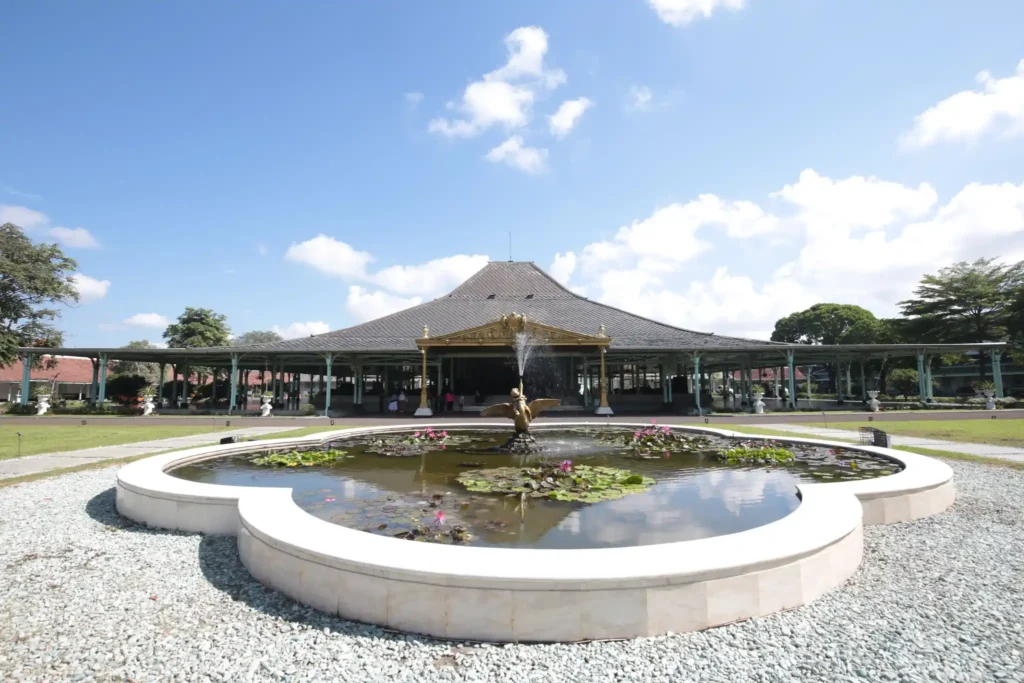
Many first-time visitors are surprised to learn that Solo is home to more than one royal institution. While Keraton Solo serves as the palace of the Kasunanan Surakarta, Puro Mangkunegaran represents a separate royal house with its own history and traditions.
Keraton Solo generally feels more closely tied to the legacy of the Surakarta kingdom and the broader history of the Mataram royal lineage. Its atmosphere emphasizes court traditions, ceremonial heritage, and the historical role of the Kasunanan. Meanwhile, Puro Mangkunegaran was developed as an independent principality and is often appreciated for its elegant architecture and well-preserved heritage spaces.
Rather than choosing between them, travelers often find that visiting both sites provides a fuller picture of Solo’s royal history.
FAQ About Keraton Solo
Is Keraton Solo still active?
Yes, Keraton Solo is still active. Although it no longer functions as a political center, Keraton Solo remains active as a cultural institution.
What is Keraton Surakarta famous for?
Keraton Surakarta is best known for its role in preserving Javanese court culture. It is closely associated with the development and continuation of cultural traditions such as traditional dance, gamelan music, batik, literature, language, ceremonial practices, and royal heritage.
Can tourists visit Keraton Solo?
Yes, tourists can visit Keraton Solo. Parts of the palace complex are open to visitors, allowing travelers to explore selected courtyards, museum areas, and historical spaces. Availability may vary depending on ongoing ceremonies or palace activities.
What is near Keraton Solo?
Several of Solo’s most popular attractions are located nearby, including Puro Mangkunegaran, Pasar Gede, Kampung Batik Kauman, Triwindu Antique Market, and the Ngarsopuro heritage area. These sites can easily be combined into a cultural day trip around the city center.
Keraton Solo is an invaluable reminder of Java’s royal past. It continues to be an important cultural landmark where history, tradition, and identity intersect. Whether you’re interested in architecture, history, traditional culture, or simply understanding the spirit of Solo, Keraton Surakarta is definitely an unmissable destination.