

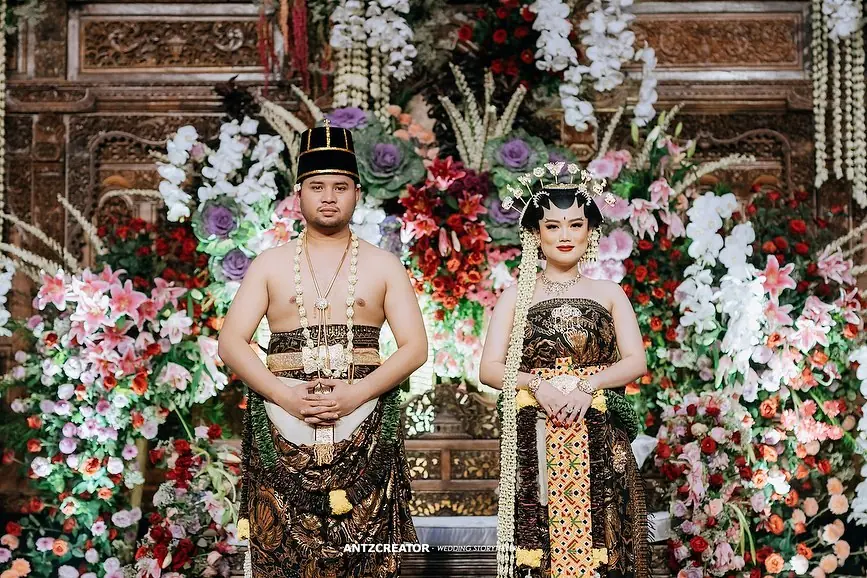
A Javanese wedding is more than a ceremony that marks the union of two people. It’s a cultural journey shaped by generations of customs, values, and symbolism. Across Central Java and Yogyakarta, wedding rituals are taken as an important way for families to honor tradition while celebrating a new chapter in life.
Table of Contents
A Javanese wedding tradition combines spiritual beliefs, family involvement, and social etiquette into a series of meaningful ceremonies. While practices may differ between regions and families, the core purpose remains the same: to prepare the couple for marriage and strengthen the bond between two families.
What Is a Javanese Wedding Tradition?
A Javanese wedding tradition is a series of cultural and ceremonial rituals performed before, during, and after marriage in accordance with Javanese customs. These traditions are rooted in family values, spirituality, respect for elders, and the pursuit of social harmony.
Rather than focusing solely on the wedding day itself, a traditional Javanese wedding ceremony often unfolds over several stages. Each ritual carries symbolic meaning and serves as a form of preparation for married life.
Although the general framework is widely recognized throughout Java, specific customs may vary depending on regional traditions, family heritage, and religious background.
Pre-Wedding Rituals in Javanese Tradition
Before the wedding day, several important rituals help prepare the couple and their families for the wedding ceremony.
Lamaran (Proposal)
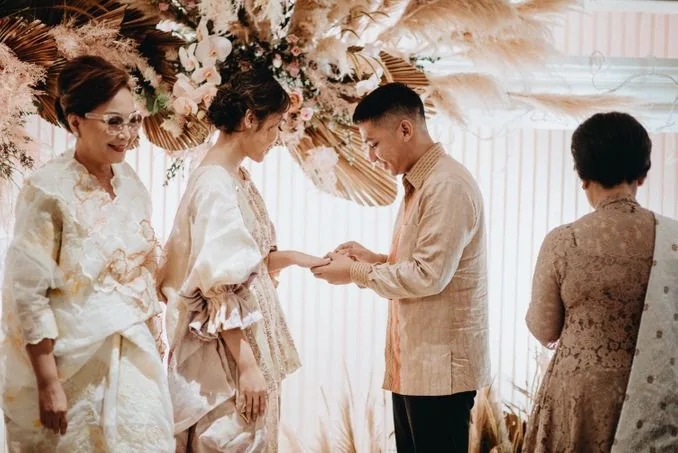
The lamaran is the formal proposal process, during which the groom’s family visits the bride’s family to express their intention for marriage. Traditionally, discussions regarding wedding arrangements, schedules, and family expectations may also take place during this stage.
Siraman: A Ritual of Purification
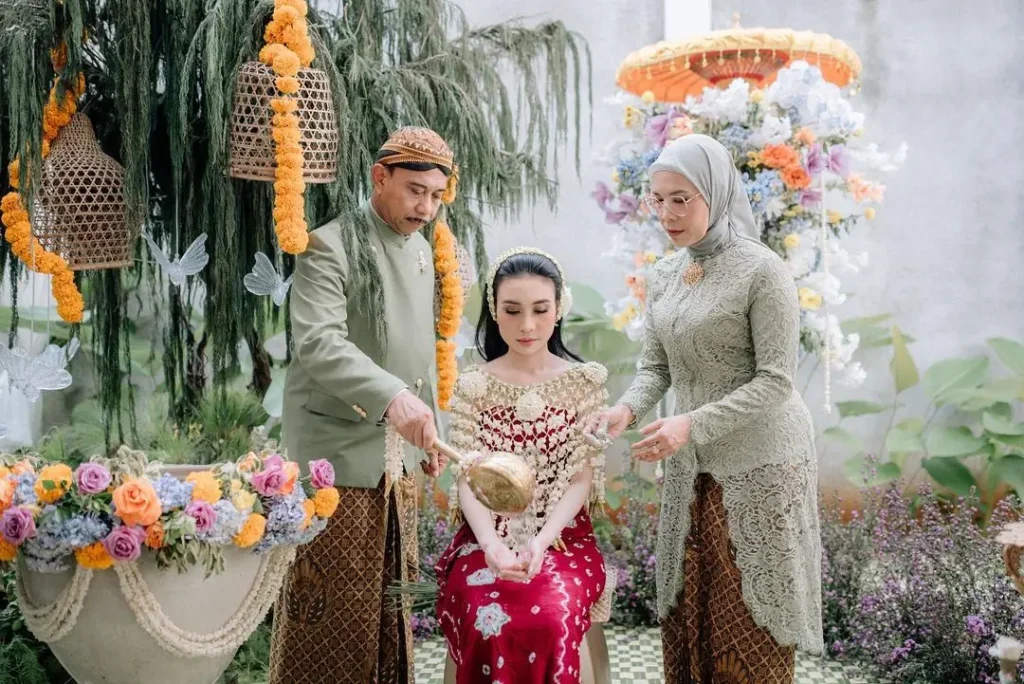
One of the most distinctive pre-wedding rituals in the Javanese wedding tradition is siraman, a ceremonial bathing ritual conducted shortly before the wedding day.
The bride and groom usually undergo separate siraman ceremonies at their respective homes, where they are bathed with water infused with fragrant flowers and traditional herbs. The ritual symbolizes purification and spiritual cleansing as the couple prepares to enter a new chapter of married life.
Midodareni: Sacred Preparation Before Marriage
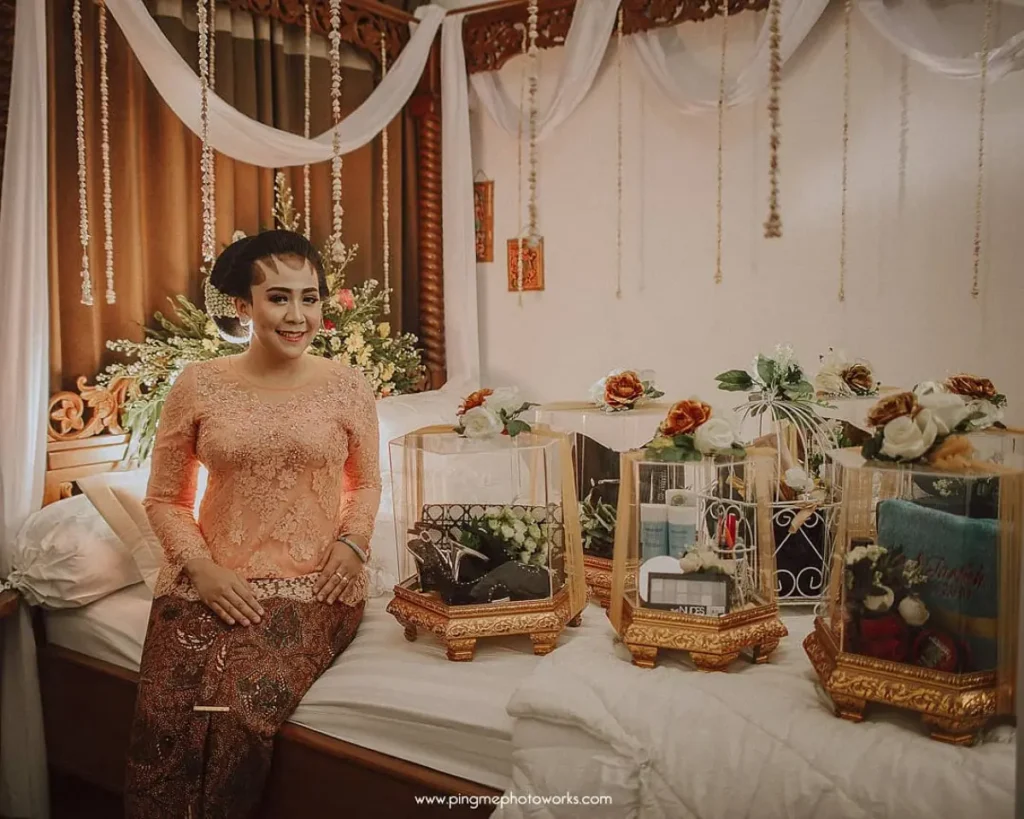
Midodareni is a sacred pre-wedding ritual held on the evening before the wedding day. According to tradition, the bride remains at home with her family while receiving blessings, advice, and prayers for her future marriage. The term comes from the Javanese word widodari, meaning a heavenly maiden or angel.
Family Involvement and Etiquette
Throughout the pre-wedding process, family participation plays a central role. Parents, grandparents, and extended relatives often contribute to planning, hosting, and carrying out ceremonial responsibilities.
Main Wedding-Day Processions
The wedding day features several symbolic ceremonies that highlight the couple’s union and their responsibilities toward one another and their families.
Ijab: The Religious Marriage Ceremony
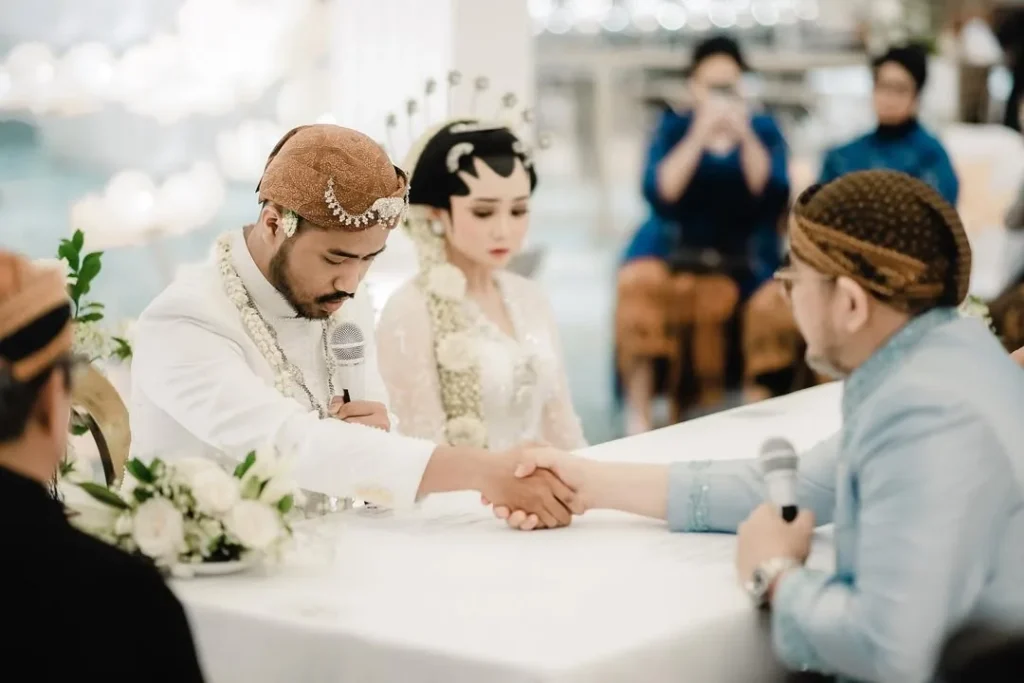
The wedding officially begins with the ijab, or marriage contract ceremony. While the exact proceedings vary according to the couple’s religious beliefs, the purpose remains the same: to formalize the marriage. The ceremony is conducted before the penghulu (marriage registrar), guardian, witnesses, and invited guests, marking the couple’s legal and religious union.
Panggih: The Meeting of Bride and Groom
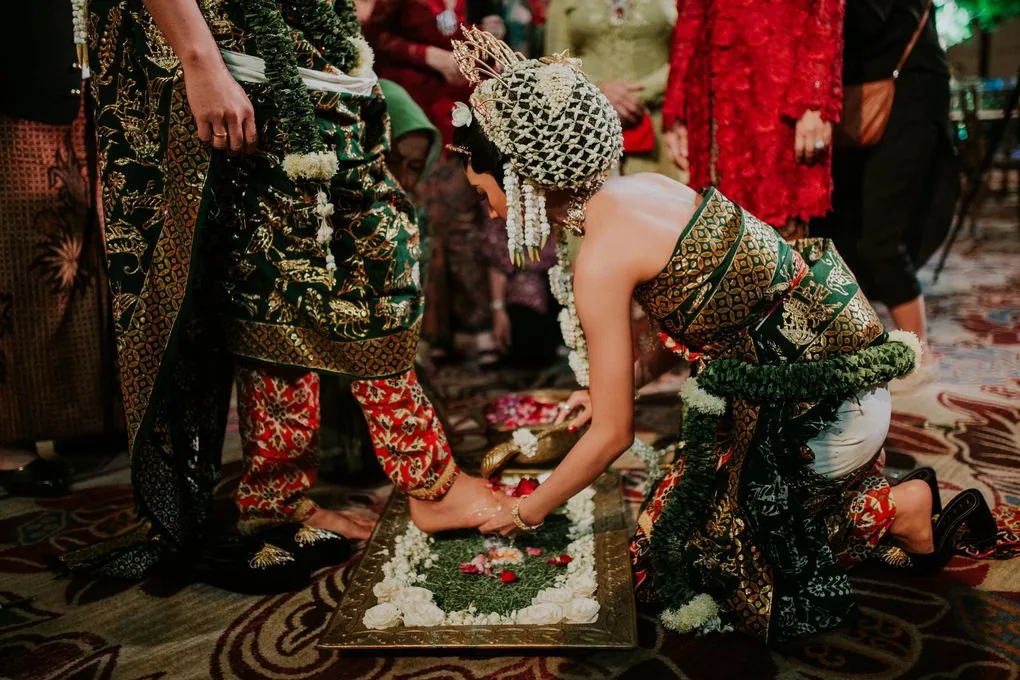
After the marriage contract, many traditional weddings continue with the panggih ceremony. The word panggih means “meeting,” referring to the symbolic first meeting of the bride and groom as a married couple.
One of the most memorable moments with panggih is balangan gantal. The bride and groom gently throw small rolls of betel leaves at each other, symbolizing mutual affection, sincerity, and the willingness to enter married life together.
Another highlight of this ritual is the wiji dadi. Traditionally, the groom steps on an egg, after which the bride washes his foot. The ceremony represents readiness to build a family, responsibility within the household, and mutual support between husband and wife.
Sungkeman to Parents
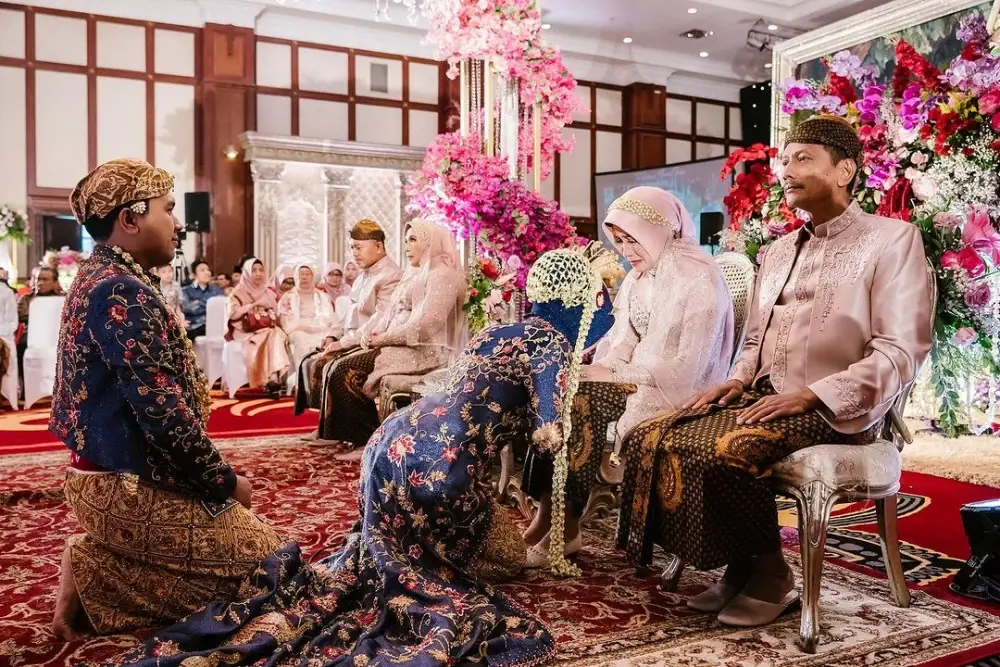
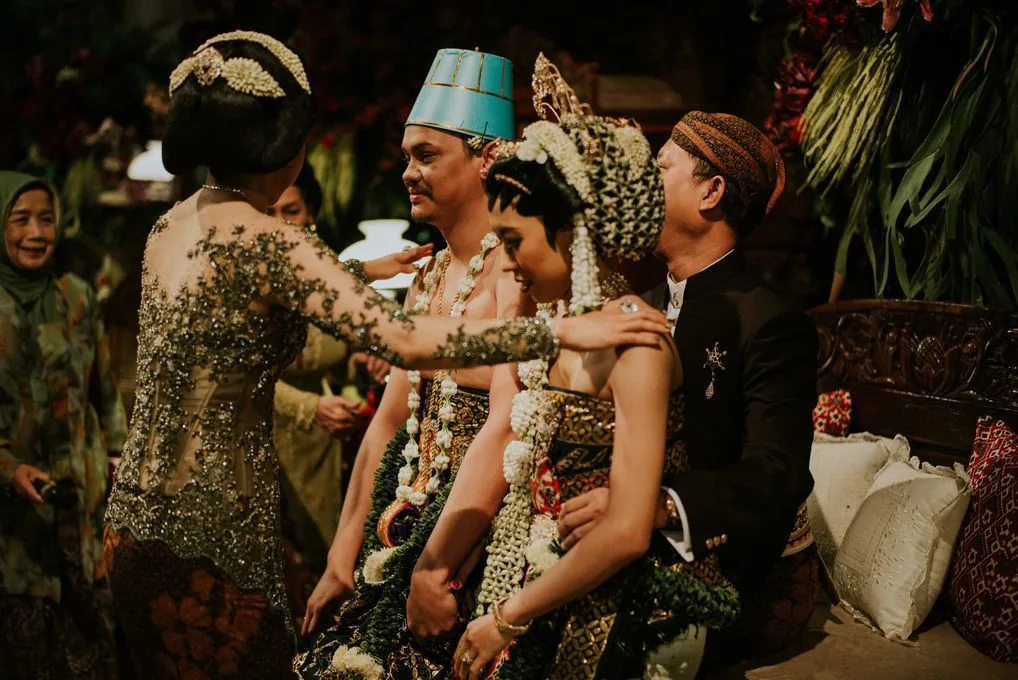
Another deeply emotional moment is sungkeman. During this procession, the bride and groom kneel before their parents to express gratitude and seek blessings for their future together. Parents then offer prayers, advice, and words of encouragement.
Javanese Wedding Attire and Visual Identity
Traditional attire is one of the most recognizable elements of a Javanese wedding ceremony. Every garment, accessory, and style carries cultural significance beyond appearance alone.
Kebaya and Batik
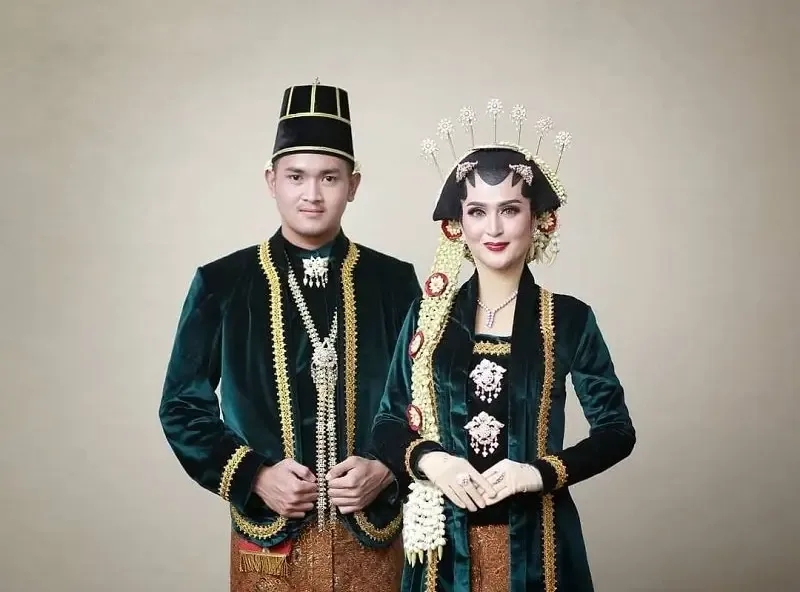
Brides commonly wear a kebaya paired with batik textiles, while grooms wear traditional Javanese formal attire complemented by a batik sarong and ceremonial accessories like blangkon headpiece. The patterns chosen for the batik often hold symbolic meanings related to prosperity, harmony, wisdom, or family values.
Paes and Bridal Makeup
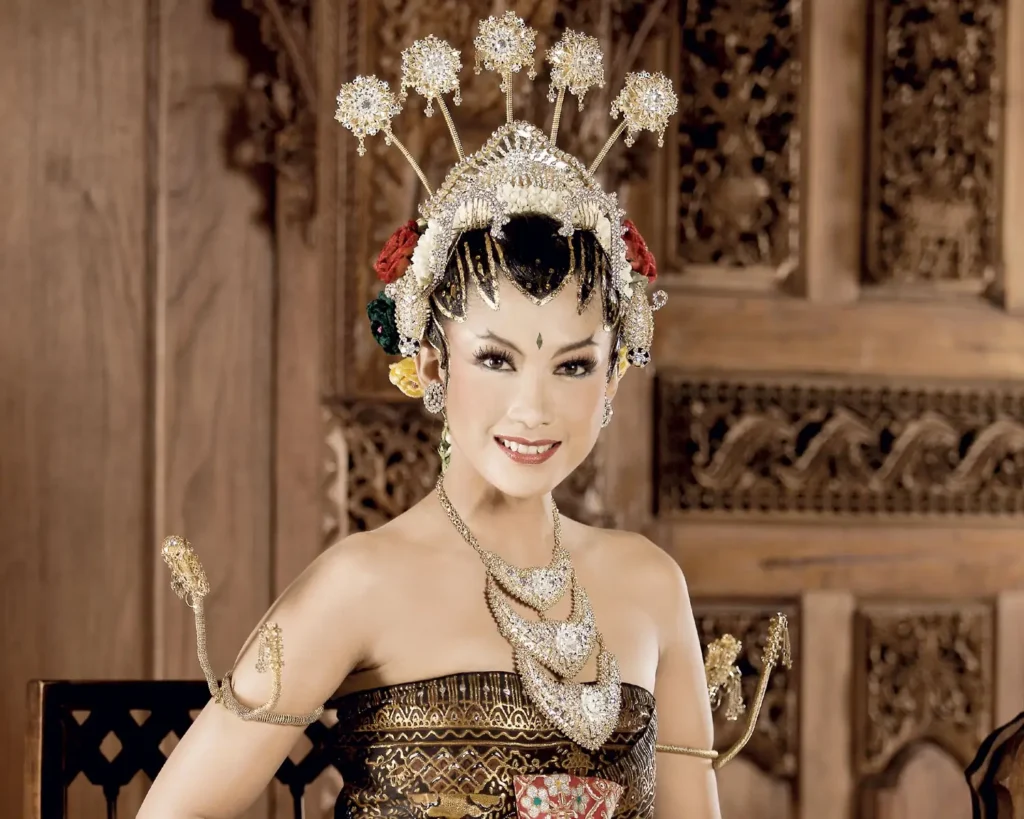
For Javanese brides, paes is one of the most recognizable elements of traditional bridal makeup. The distinctive black forehead decoration, carefully shaped according to established styles, is often associated with elegance, maturity, and beauty.
Surakarta and Yogyakarta Style Differences
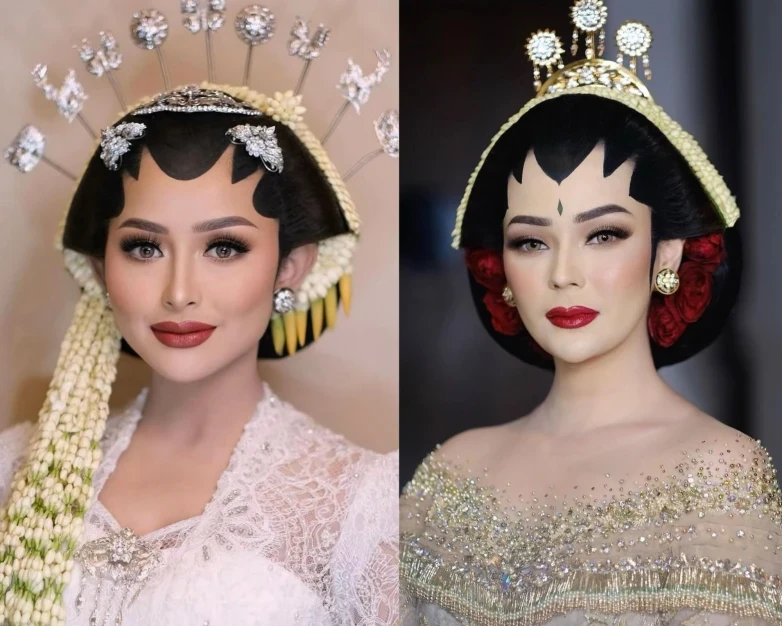
Two of the most influential Javanese wedding styles originate from Surakarta and Yogyakarta. While both share many similarities, differences can be seen in bridal makeup, costume details, ceremonial accessories, and aesthetic presentation.
For example, the paes style in Surakarta typically features softer, rounded curves, while the Yogyakarta style is characterized by sharper, pointed angles. The bridal head accessories also differ. Surakarta brides traditionally wear centhung, sisir jungkat, and kembang goyang, accompanied by tibo dada and pengasih arrangements. Meanwhile, brides in Yogyakarta commonly wear gunungan, kembang goyang, and bunga jebehan.
Regardless of the style, every element of a Javanese wedding communicates identity, respect, refinement, and an appreciation for tradition. The visual presentation of the bride and groom reflects the cultural values of dignity, harmony, and grace.
Through both pre-wedding and wedding rituals from siraman and midodareni to panggih and sungkeman—the ceremony celebrates not only the union of two individuals but also the coming together of two families.
If you find Javanese wedding traditions appealing, you may also be interested in the deeper meanings behind the Javanese kebaya and batik. Much like the wedding ceremony itself, both cultural elements carry rich symbolism in preserving Javanese identity.