

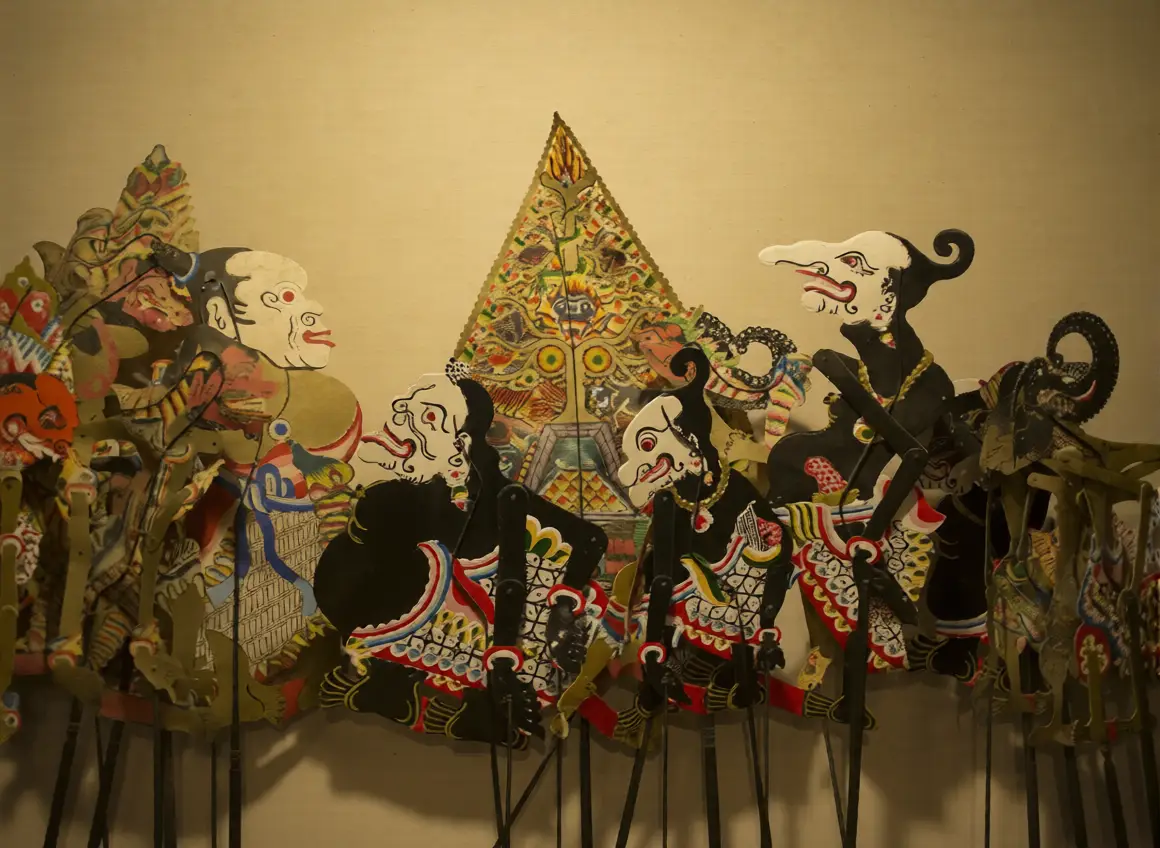
Long before cinema took over modern storytelling, Java already had its own mesmerizing theatrical tradition. Wayang Kulit, derived from the phrase ma hyang, meaning “toward the spiritual realm,” and the Javanese word wayang, meaning “shadow,” is an ancient shadow puppet theater originating in Java, Indonesia.
Table of Contents
Far beyond mere entertainment, Wayang Kulit is a time-honored art form carrying the soul of Javanese culture its history, spirituality, and philosophy.
What is Wayang Kulit?
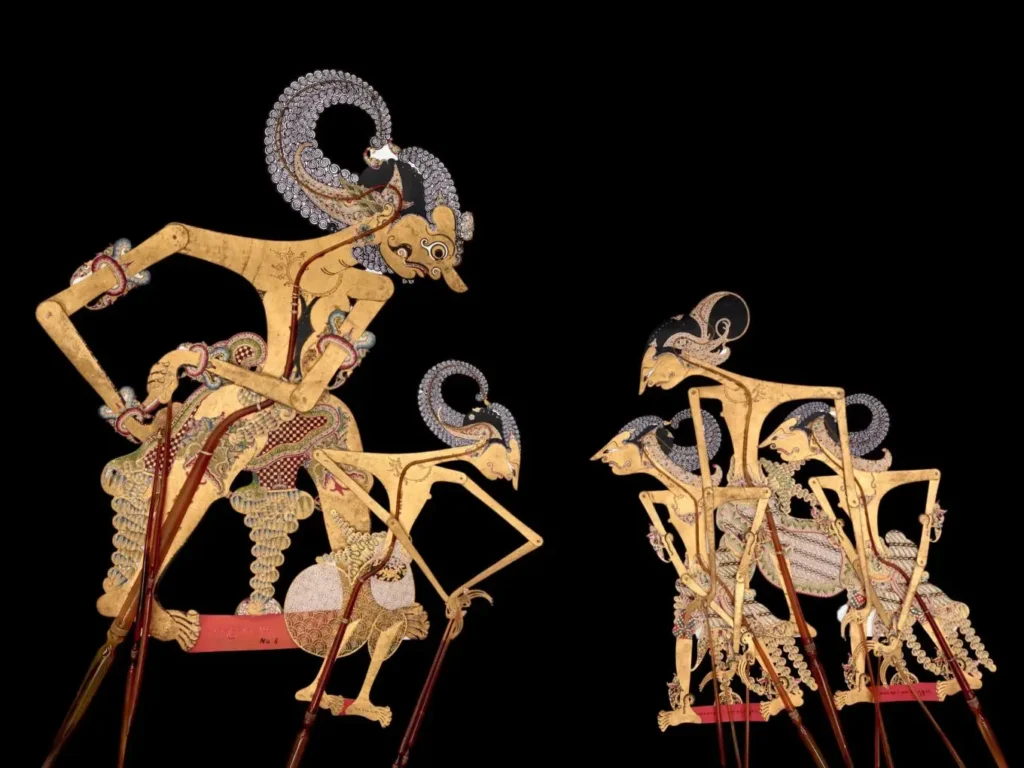
Wayang Kulit is a traditional shadow puppet performance originating from Java, Indonesia. Made from intricately carved leather puppets, the art is performed behind a backlit white screen in the Javanese language, combining storytelling, music, philosophy, and spirituality into one immersive performance. Since 2003, Wayang Kulit has been recognized by UNESCO as an Intangible Cultural Heritage of Humanity.
The History of Wayang Kulit
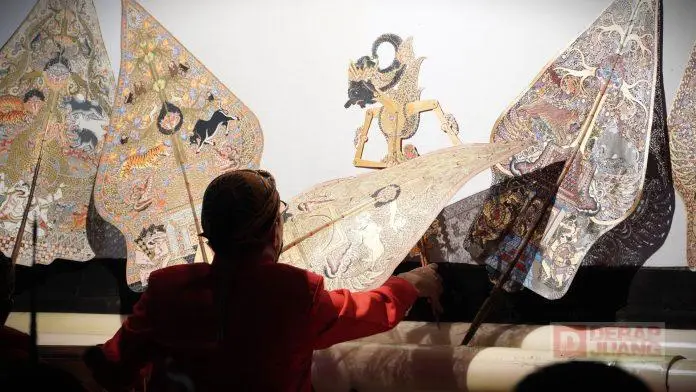
The origins of Wayang Kulit are diverse and layered. Many scholars believe indigenous communities in Java had long practiced ancestral spirit rituals using shadow figures even before Hindu influences arrived. Ritual performances connected to harvests, protection, and spiritual ceremonies were among the commonly practiced, with some surviving until today.
Wayang Kulit later became associated with strong Hindu and Buddhist influences, during which the great epics, the Mahabharata and the Ramayana, were introduced and adapted into poetic narratives rich in Sanskrit-derived words.
The arrival of Islam in Java then marked another major turning point for the theatrical tradition. Sunan Kalijaga, one of the revered Walisongo saints, is especially celebrated for using Wayang Kulit as a medium for Islamic teachings. He replaced certain elements with Islamic values while preserving the performance’s essential Javanese identity.
Today, Wayang Kulit continued to thrive in traditional ceremonies, cultural festivals, tourism events, and even modern collaborations with digital art and contemporary theater.
How Wayang Kulit Works
A Wayang Kulit performance is a carefully orchestrated world unto itself, built from the seamless interplay of puppeteer, screen, music, and craftsmanship.
The Dalang (Puppeteer)
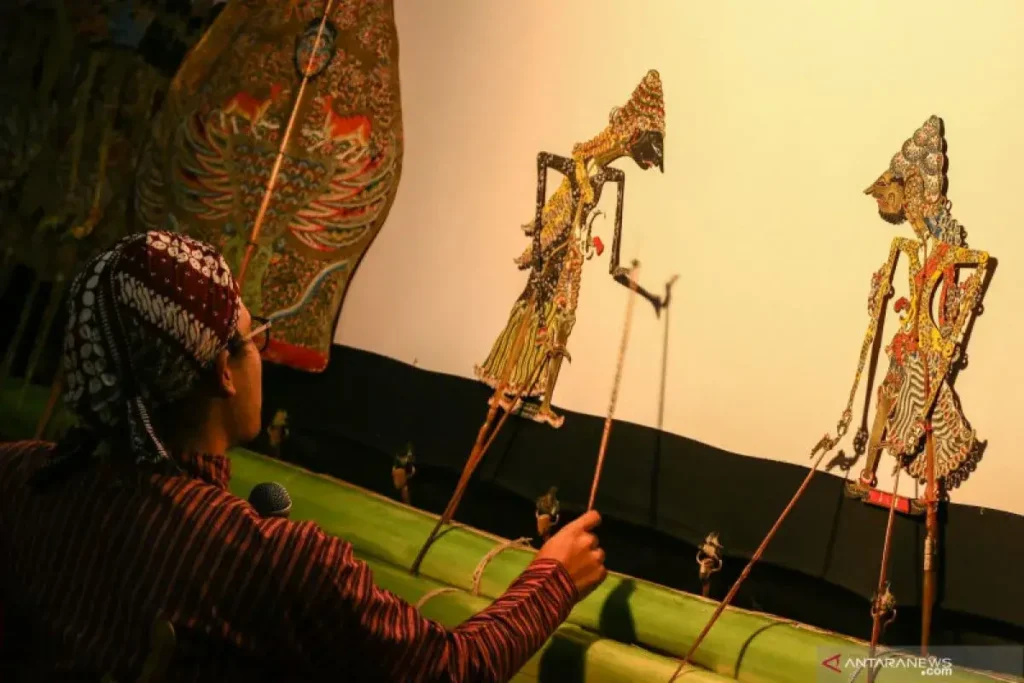
The dalang stands at the center of every Wayang Kulit performance. Far beyond simply moving puppets, a dalang must perform multiple roles at once. They narrate the story, voice different characters, control the pacing, direct the musicians, and often open the performance with prayers or chants. In many ways, the dalang acts as the soul of the entire performance.
The Screen & Lamp (Kelir & Blencong)
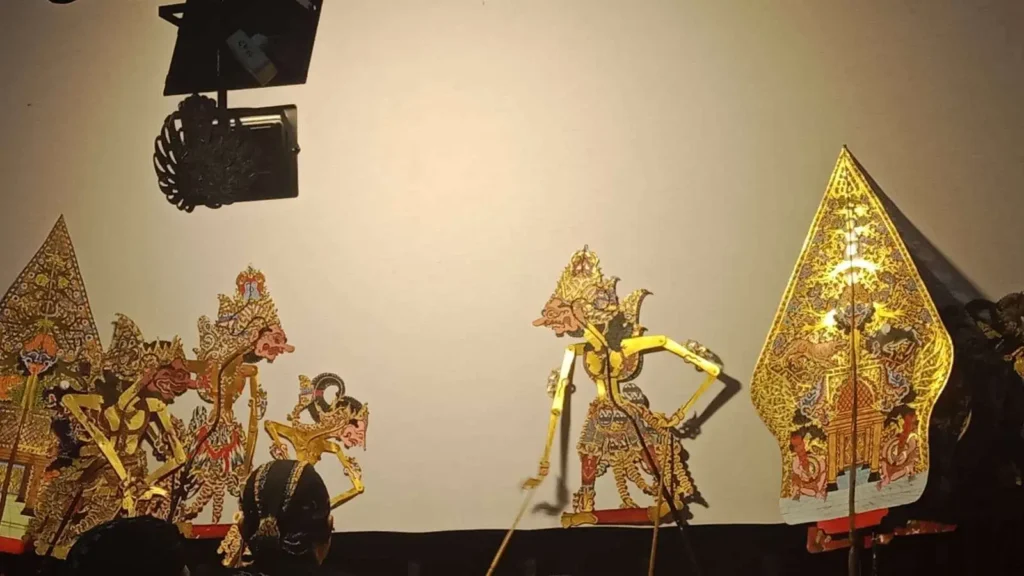
The performance takes place behind a white cotton screen called the kelir, illuminated from behind by an oil lamp known as the blencong. The symbolism is deliberate and profound. The light represents divine truth and ultimate reality, while the shadows cast upon the screen represent the impermanent, illusory world that humans inhabit.
The Gamelan Accompaniment
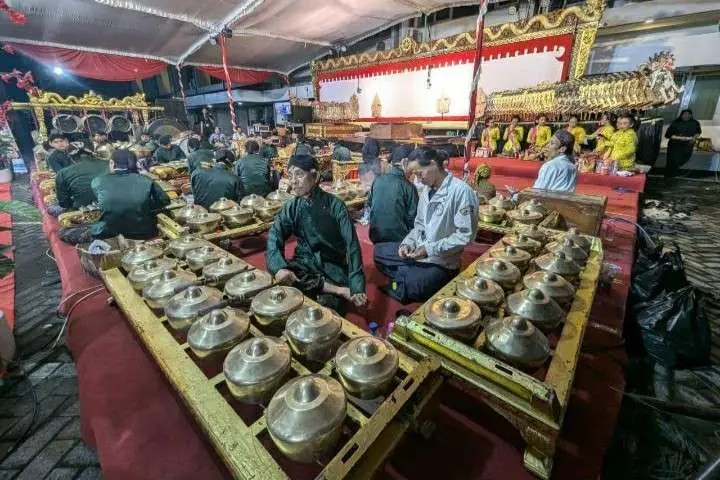
While Wayang Kulit is visually captivating, its emotional depth is equally carried by the Gamelan orchestra. The music brings each scene to life, shaping how audiences experience battles, romance, sorrow, humor, and celebration. The harmony between instruments such as the kendang, saron, gong, and bonang also symbolizes balance and cooperation in life, reflecting core values within Javanese philosophy.
The Puppets Themselves
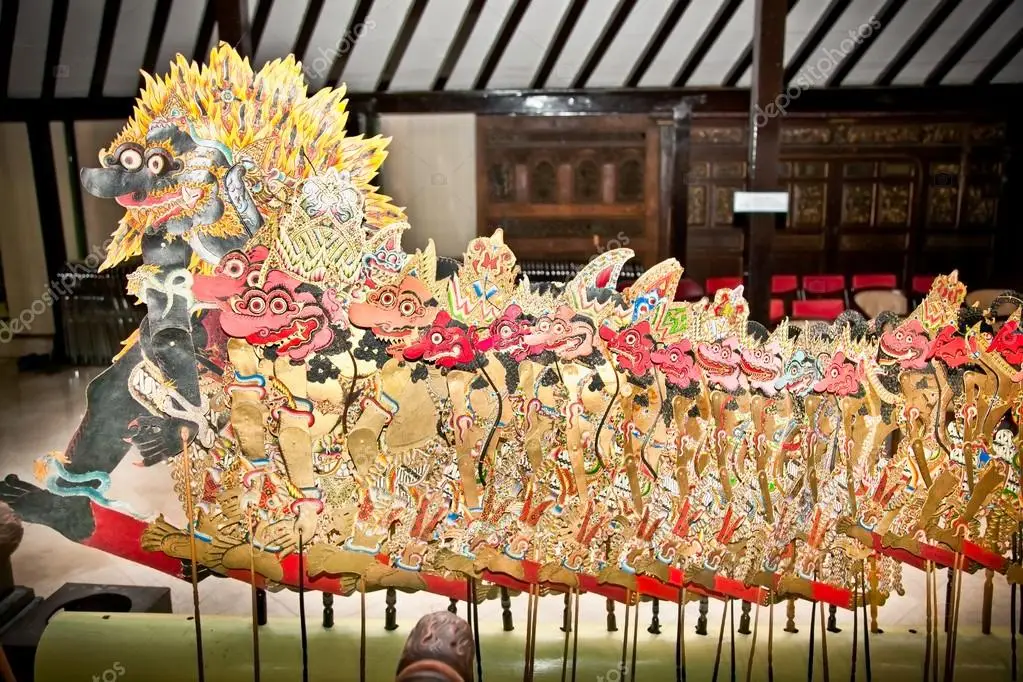
Wayang Kulit puppets are traditionally crafted from buffalo leather. Producing a high-quality puppet can take up to a month, as the process demands patience, precision, and extraordinary attention to detail.
To craft one, the leather is first cleaned and scraped, then patterns are drawn on its surface. These patterns guide the carving process, where intricate holes and decorative elements are carefully chiseled by hand.
Once carved, the puppet is sanded until smooth before entering the coloring stage, known in Javanese as sungging. The final step involves attaching the cempurit, or handle, made from shaped buffalo horn. This allows the puppet to move fluidly during performances.
Each puppet’s anatomy reflects its personality and moral traits. Noble characters usually have refined facial features, downward eyes, and elegant movements, while aggressive or evil figures tend to appear larger, rougher, and more expressive.
The Stories: Mahabharata & Ramayana in Java
Most Wayang Kulit performances revolve around localized adaptations of the Mahabharata and Ramayana epics. However, the Javanese versions often differ significantly from the original Indian narratives.
Characters like Arjuna are portrayed as symbols of wisdom and self-control, while Bima represents strength and honesty. One of the most beloved figures is Semar, a uniquely Javanese character absent from the Indian epics. Despite his humble appearance, Semar is considered spiritually wise and often delivers philosophical advice mixed with humor.
These local adaptations make Wayang Kulit deeply rooted in Javanese identity rather than simply functioning as imported mythology.
Javanese vs Balinese Wayang Kulit
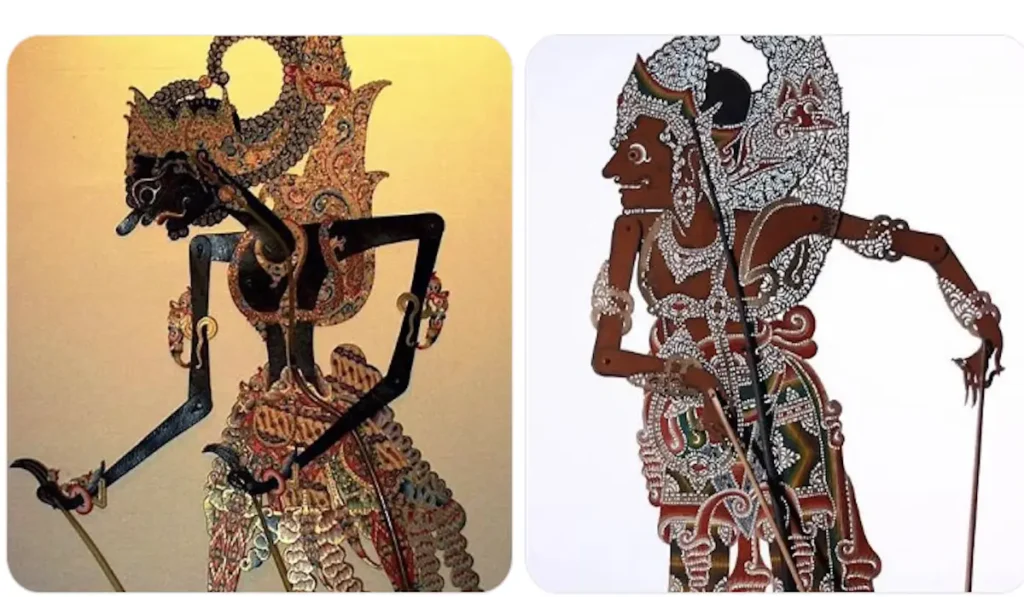
While both traditions share ancient roots, Javanese and Balinese Wayang Kulit have evolved into distinct art forms over the centuries.
| Javanese Wayang Kulit | Balinese Wayang Kulit | |
| Visual Style | Slimmer and more elongated, with delicate details and softer colors. | More bold and expressive carvings, with brighter and more striking colors. |
| Story Focus | Mahabharata, Ramayana, philosophy. | Ramayana, Mahabharata, Panji, Cupak Calonarang, Tantri Kamandaka. |
| Musical Style | Javanese Gamelan—slower and softer. | Balinese Gamelan—more dynamic and energetic. |
| Cultural Context | Life values rooted in the teachings of Hinduism, Buddhism, and Islam. | Greater emphasis on the teachings of Hindu Dharma and humanity’s connection to the universe. |
Is Wayang Kulit Indonesian or Malaysian?
Wayang traditions exist in both Indonesia and Malaysia as part of the broader cultural heritage of the Nusantara region. However, Wayang Kulit is most strongly associated with Indonesia, particularly Java and Bali.
That said, UNESCO’s 2003 recognition of Wayang Kulit as an Intangible Cultural Heritage of Humanity specifically acknowledges the Indonesian tradition, citing Java as its primary heartland.
Where to Watch Wayang Kulit in Yogyakarta
Yogyakarta is the best city in the world to experience Wayang Kulit, with regular performances across several venues.
Keraton Yogyakarta
The Keraton regularly hosts traditional performances, including Wayang Kulit during special cultural events and ceremonies.
Sonobudoyo Museum
Sonobudoyo Museum is one of the prime destinations for cultural exploration. In addition to its extensive collections, the museum frequently alternates Wayang Kulit performances with Wayang Orang and Wayang Topeng Panji shows.
Taman Budaya Yogyakarta
Taman Budaya Yogyakarta is deemed the city’s main cultural center. The venue hosts larger-scale performances and festivals throughout the year, often featuring some of the region’s most celebrated Dalang.
Beyond these permanent venues, visitors may also encounter Wayang Kulit performances during community celebrations, royal ceremonies, and cultural festivals throughout the city. One of the most remarkable recent events was Swarnacitta – XX Anniversary Plaza Ambarrukmo at Ambarrukmo Plaza, which earned a MURI record for the longest nonstop Wayang Kulit performance held inside a shopping center. The event lasted 20 hours and involved 20 dalang, 20 sinden, and 20 different story performances.
More than simply shadow puppets dancing across a screen, Wayang Kulit embodies centuries of Javanese philosophy, spirituality, artistry, and storytelling traditions. The art form continues evolving while preserving its cultural roots, proving why it remains one of Indonesia’s most treasured cultural masterpieces.
If you are interested in exploring further, continue with articles about Wayang Orang and the deeper philosophy behind wayang traditions in Java.