

The abundance of historical places in Jogja stands as living proof of the city’s centuries-long connection to royal culture, colonial history, the struggle for independence, ancient temples, and Javanese philosophy. Every corner of Yogyakarta tells a different story, and most of them continue to shape the lives of the Javanese people to this day.
Table of Contents
For first-time visitors, the sheer number of landmarks can make it difficult to know where to begin. Some landmarks are conveniently located in the city center and can be explored on foot, while others require a short drive but reward visitors with impressive architecture, panoramic views, or deeper insights into Yogyakarta’s past.
This Yogyakarta travel guide walks you through the must-visit historical places in Jogja to make planning your heritage adventure easier.
Why Jogja Has So Many Historical Places
Yogyakarta is widely recognized as the beating heart of Javanese culture. Over the centuries, the city has witnessed the rise and fall of kingdoms, colonial rule, and Indonesia’s fight for independence. These layers of history are reflected in everything from ancient temples and royal palaces to colonial buildings and independence landmarks.
Home to the Yogyakarta Sultanate, the city continues to preserve traditions that have been passed down for generations, with the Keraton Jogja serving as the cultural and ceremonial heart of the Yogyakarta Sultanate. Its strong heritage identity is also reflected in the Philosophical Axis, a historical axis connecting significant landmarks which represents the balance between humans, nature, and the Creator.
Historical Places in Central Yogyakarta
Keraton Yogyakarta
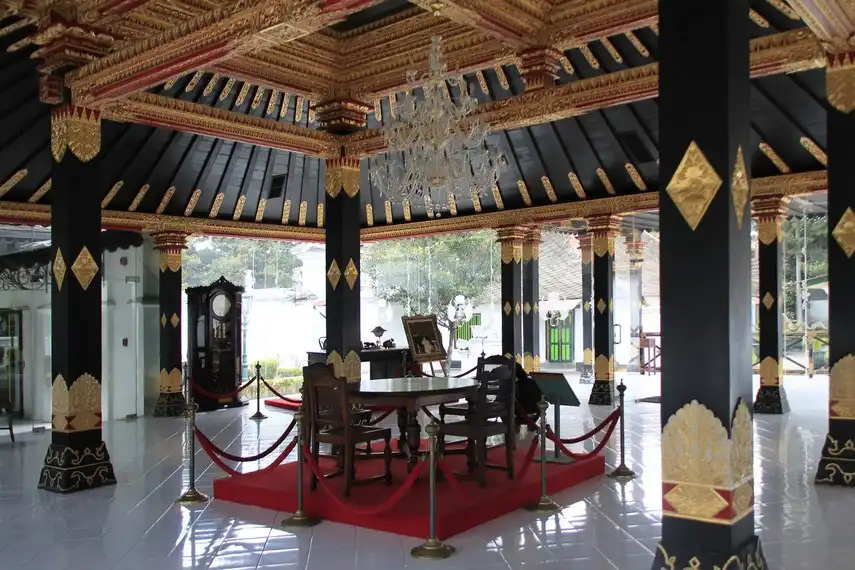
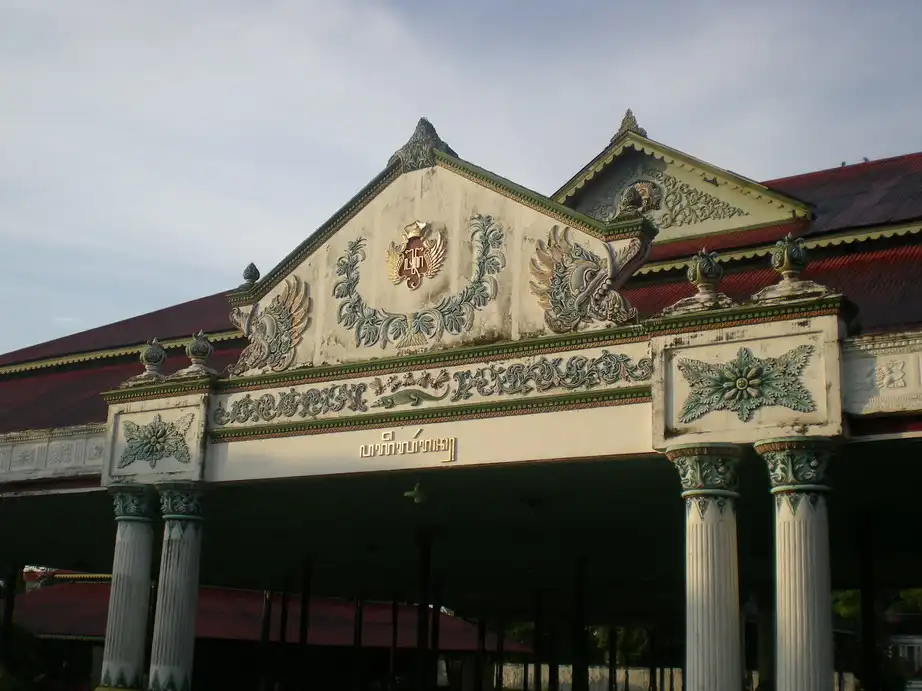
At the heart of Yogyakarta lies its foremost heritage site, the Keraton Yogyakarta. Built in 1757 by Sultan Hamengkubuwono I, the royal palace continues to serve its original function as the house of the Yogyakarta Sultanate while preserving Javanese culture and royal traditions. For visitors, a trip to Keraton offers a closer look at the traditions and cultural heritage of the kingdom that have endured for centuries, including the opportunity to admire its elegant architecture and enjoy cultural performances.
- Visitor note: Dress modestly and arrive in the morning for the best weather
Taman Sari
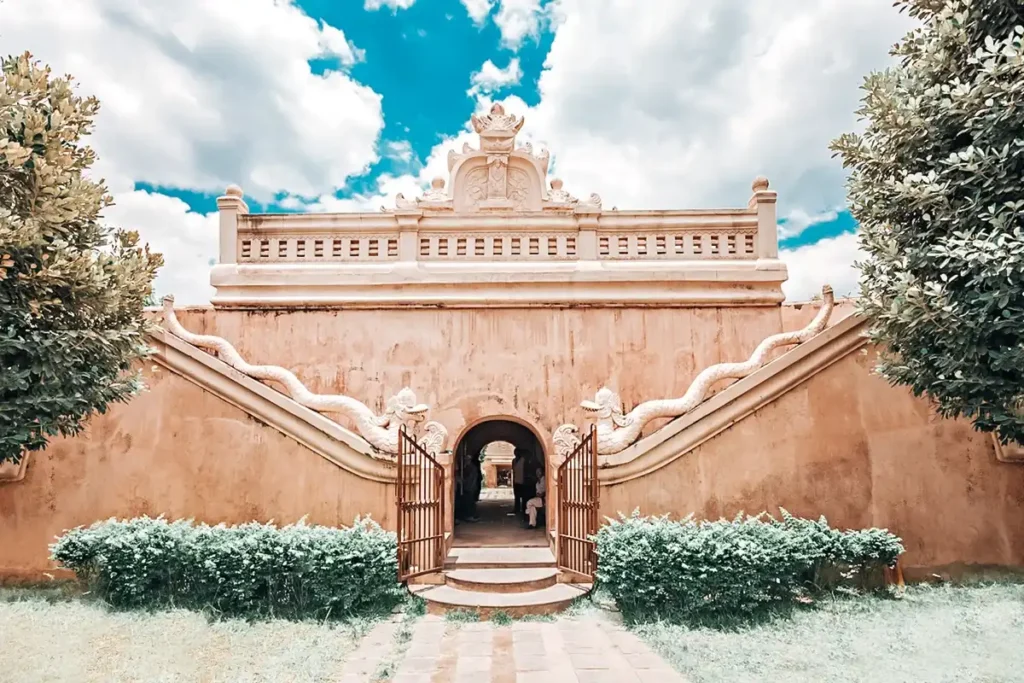
A short walk from Keraton Yogyakarta brings you to Taman Sari, one of the most iconic historical places in Jogja. Taman Sari was the former royal garden and bathing complex of the Yogyakarta Sultanate built in the 18th century. Although much of the original complex has been lost over time, the remaining ruins and restored parts still evoke its past beauty that can be enjoyed by visitors, whether capturing photographs or simply admiring its timeless architecture
- Visitor note: Wear comfortable shoes, as exploring Taman Sari involves walking through narrow alleys.
Fort Vredeburg Museum
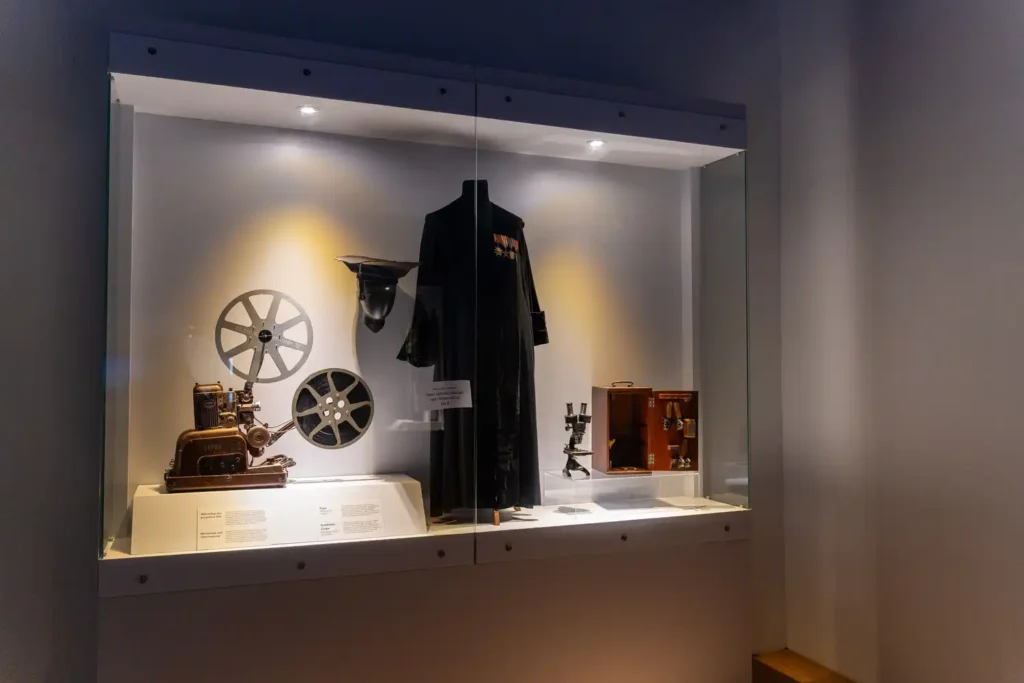
Formerly a Dutch colonial fortress, Fort Vredeburg Museum has become one of the most important historical places in Jogja. For more than two centuries, the fort has witnessed many of the defining moments in Yogyakarta’s history. Today, those stories are brought to life through dioramas, historical artifacts, photographs, and interactive exhibits.
- Visitor note: Allocate around one to two hours if you wish to explore all exhibition halls.
Gedung Agung
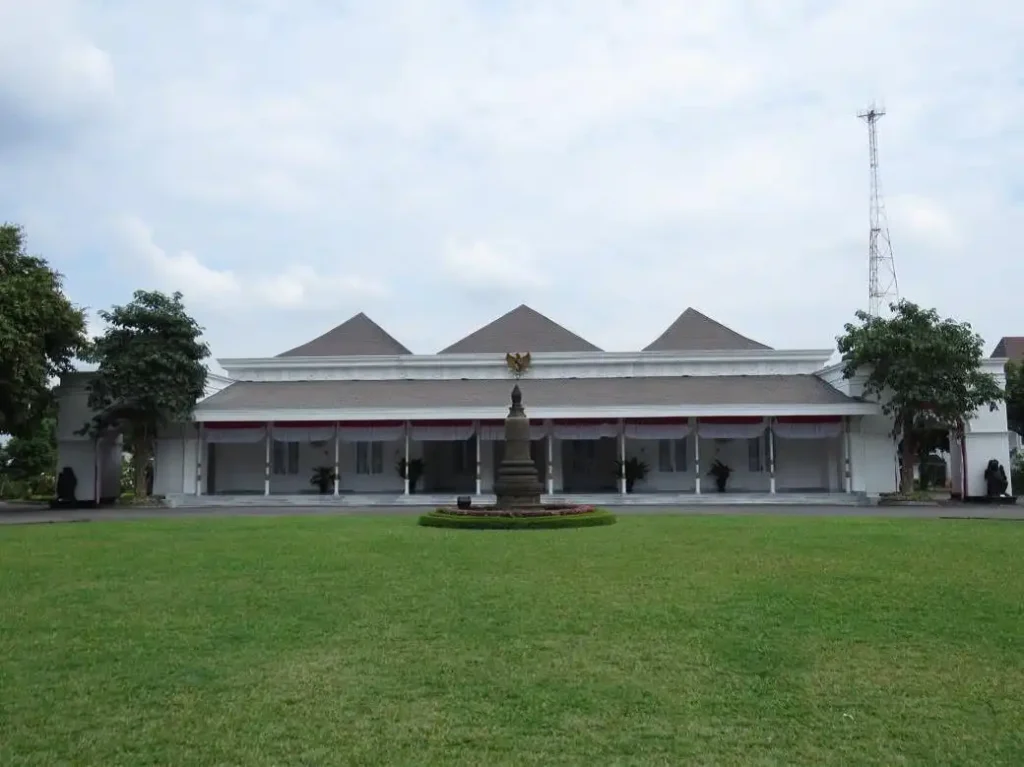
Despite its limitation to public access, Gedung Agung remains one of the must-see historical places in Jogja. The building was originally built during the Dutch colonial era in the early 19th century, with it later becoming the temporary seat of the Indonesian government. Today, visitors can appreciate the building’s historic façade and surrounding gardens from outside as part of a heritage walk through the city center.
- Visitor note: The palace is best viewed while exploring the Titik Nol and Malioboro area on foot.
Sonobudoyo Museum
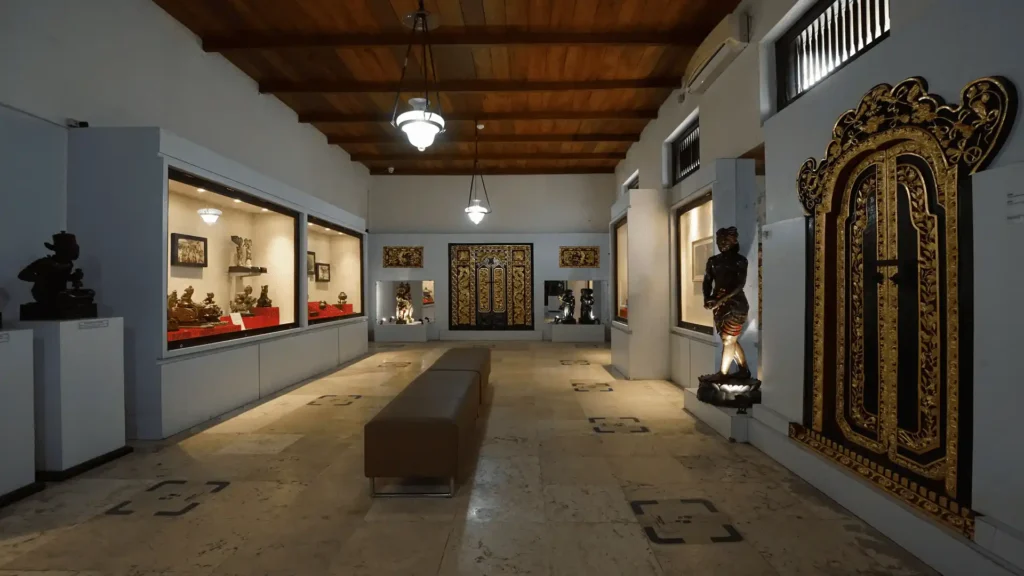
For travelers who want to understand the stories behind Jogja’s historical landmarks, Sonobudoyo Museum offers an excellent introduction to Javanese culture and heritage. The museum houses one of Indonesia’s largest collections of Javanese artifacts, including traditional weapons, batik textiles, masks, ancient manuscripts, archaeological discoveries, and wayang puppets. Beyond its permanent collection, the museum regularly hosts educational programs and cultural performances.
- Visitor note: If possible, visit in the evening to watch the museum’s traditional wayang kulit performance.
Kotagede
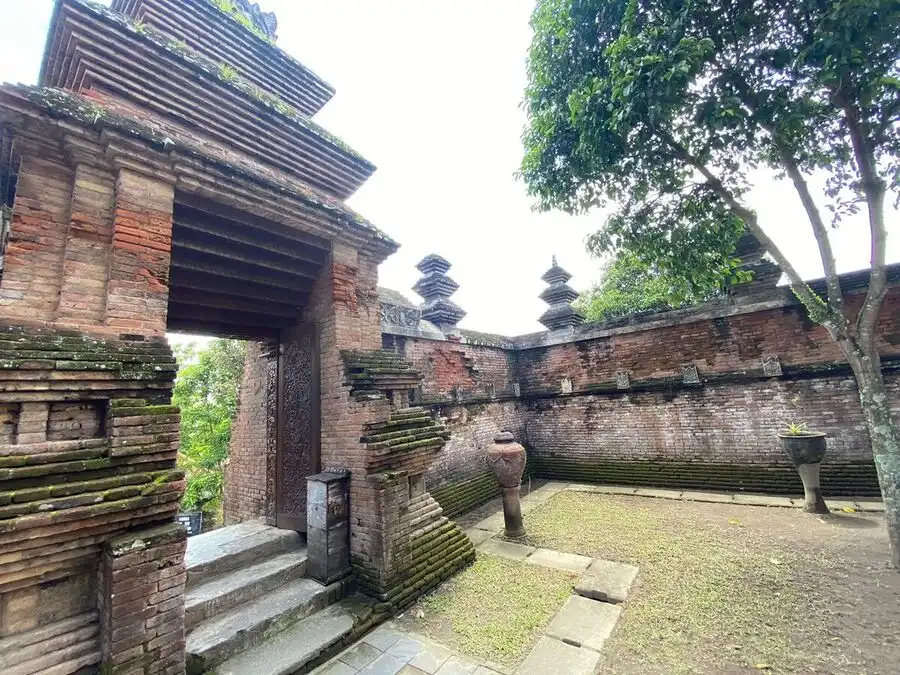
Before Yogyakarta became the capital of the Sultanate, Kotagede was the center of the Mataram Kingdom in the late 16th century. One of its most important landmarks is the Kotagede Royal Cemetery, where the founders of the Mataram Kingdom are buried.
Today, this historic district preserves much of its old-world charm through narrow lanes, traditional Javanese houses, ancient stone walls, and centuries-old mosques. The district is also famous for its silver craftsmanship, a tradition that has been passed down through generations.
- Visitor note: Wear comfortable footwear, as the best way to explore Kotagede is on foot.
Panggung Krapyak
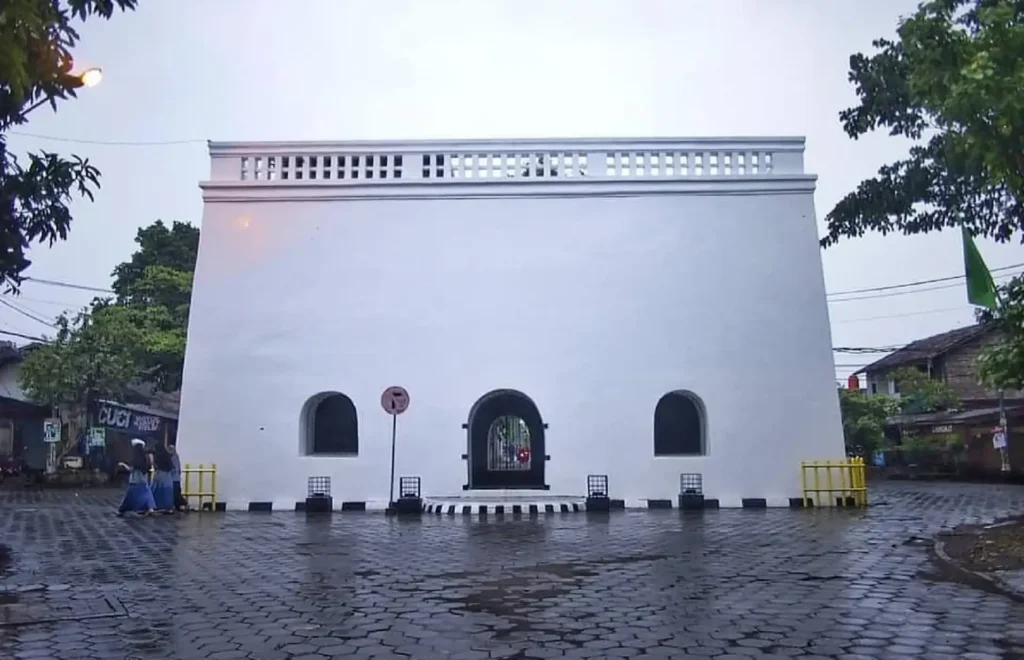
Panggung Krapyak is one of the lesser-known historical places in Jogja that in reality holds a massive historical and cultural significance. Forming part of the city’s renowned Sumbu Filosofi, the structure was built in 1760 as a hunting lodge for the Sultan. Panggung Krapyak is now valued more for its symbolic meaning than its original purpose, representing the philosophical journey of human life in Javanese belief.
- Visitor note: Best to combine Panggung Krapyak with a tour of the Keraton and Taman Sari.
Imogiri
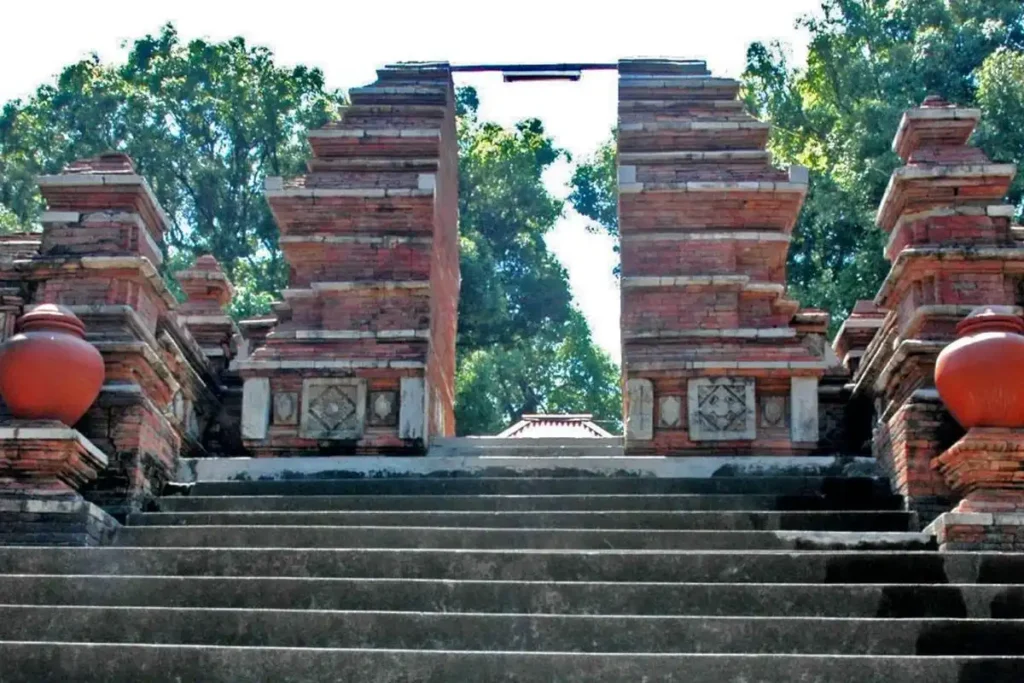
Perched on the hills of Bantul Regency, Imogiri is best known for being home to the historic Imogiri Royal Cemetery. Established in the 17th century by Sultan Agung of the Mataram Kingdom, the cemetery serves as the final resting place of the kings and royal families of Yogyakarta and Surakarta. Reaching it requires climbing hundreds of stone steps, but the journey is rewarded with peaceful surroundings and panoramic views of the countryside.
- Visitor note: Always follow the guidance of local caretakers and maintain respectful behavior.
Prambanan Temple
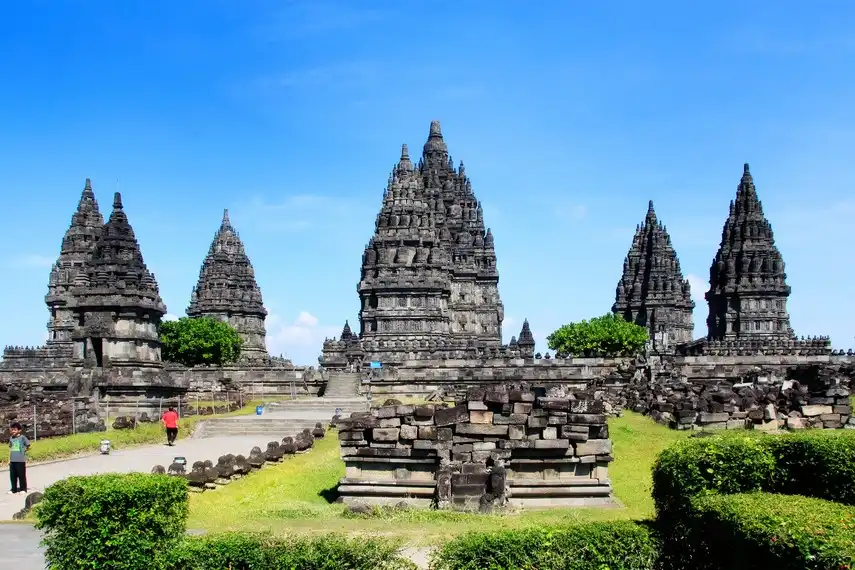
No heritage trip to Yogyakarta is complete without a visit to Prambanan Temple. Standing just east of Yogyakarta, Prambanan Temple is the largest Hindu temple complex in Indonesia and one of Southeast Asia’s most remarkable archaeological sites. The UNESCO World Heritage Site offers valuable insight into the region’s religious and cultural history alongside intricate stone reliefs depicting scenes from the Ramayana epic.
- Visitor note: Visit early in the morning or late in the afternoon to avoid the midday heat.
Ratu Boko
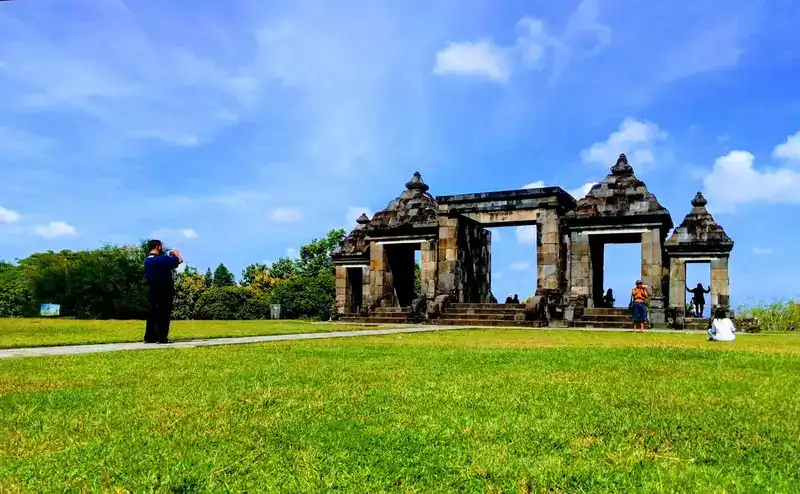
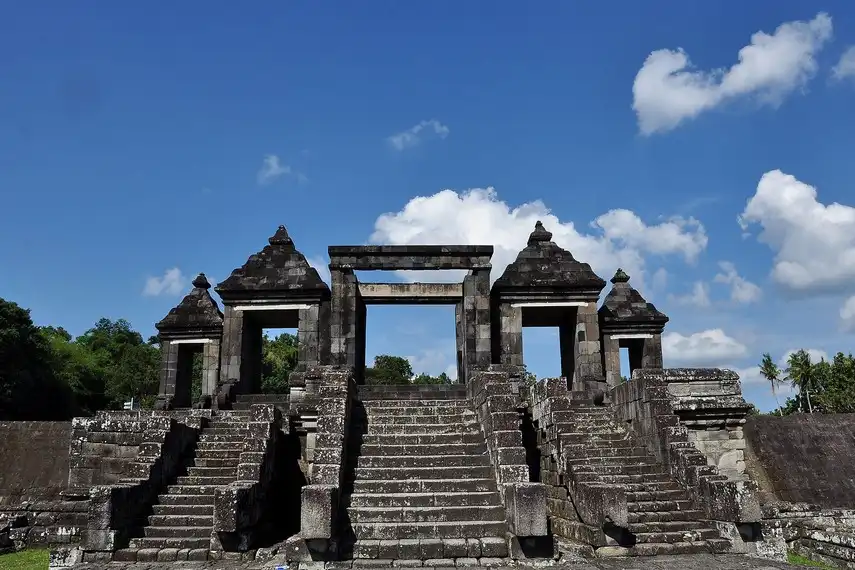
Another way to take in Yogyakarta’s unique side is through a stop at Ratu Boko. Rather than a temple, the site is believed to have been the remains of a royal palace or fortified complex dating back to the 8th century. Visitors can wander among gateways, terraces, stone pavilions, meditation caves, and ancient bathing pools while enjoying sweeping views of the surrounding landscape.
- Visitor note: Consider purchasing a combination ticket with Prambanan Temple if you plan to visit both sites on the same day.
Historical Places Around Malioboro and Titik Nol
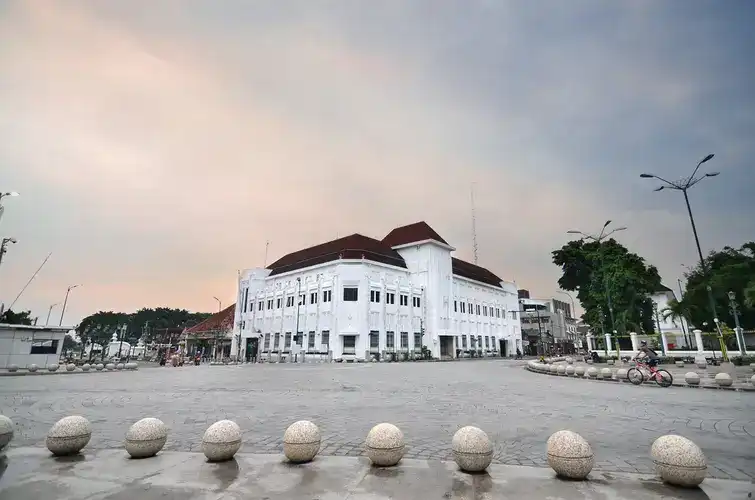
A convenient starting point is Titik Nol Kilometer, the symbolic heart of the city where several colonial-era buildings still stand. From there, continue to Gedung Agung before visiting Fort Vredeburg to learn about the city’s role in several chapters of history.
Just a few minutes away on foot, you’ll reach Beringharjo Market, Yogyakarta’s oldest traditional market, where visitors can browse local snacks, batik, spices, and traditional products. End your walk along the lively Malioboro Street. Although best known for shopping and street food, the famous street also reflects Jogja’s evolution from a royal city into a vibrant cultural destination.
Tips Before Visiting Historical Sites in Jogja
Exploring Yogyakarta’s historical attractions is more enjoyable with a little preparation. Here are a few practical tips to take note:
- Check opening hours in advance. Most museums, palaces, and heritage sites operate during daytime hours, while some may close on Mondays or any specific days.
- Prepare cash or digital payment. Entrance fees vary between attractions, and some smaller sites may only accept cash.
- Dress respectfully. Religious sites and royal complexes often require modest clothing.
- Consider hiring a local guide. Guides can explain the historical background, cultural significance, and stories that are not always available on information boards.
- Use convenient transportation. Attractions in the city center are easy to reach by walking, while destinations outside the city are best accessed by private vehicles, rental cars or scooters, or ride-hailing services.
- Respect photography rules. Some buildings, museum collections, or sacred areas have restrictions on photography. Always check the signage and avoid disturbing other visitors.
FAQ
Is Jogja good for heritage travel?
Yes, Yogyakarta is widely considered a great destination for heritage travel. The city has a unique combination of royal palaces, colonial landmarks, museums, archaeological sites, and UNESCO-recognized cultural heritage, with many historical sites located within a short distance of one another.
What is the most famous historical site in Yogyakarta?
The Keraton Yogyakarta and Prambanan Temple are both recognized as the city’s most iconic historical landmarks, as they hold great cultural and historical significance for Yogyakarta.
Exploring historical places in Jogja is about more than visiting old landmarks. Each destination reveals a different chapter of the city’s journey, from the legacy of ancient kingdoms and the Yogyakarta Sultanate to the colonial era and Indonesia’s struggle for independence. Together, these sites offer a deeper understanding of the traditions and values that have shaped the city over the centuries.
To complete your trip, explore our Yogyakarta Travel Guide for more destination ideas.