

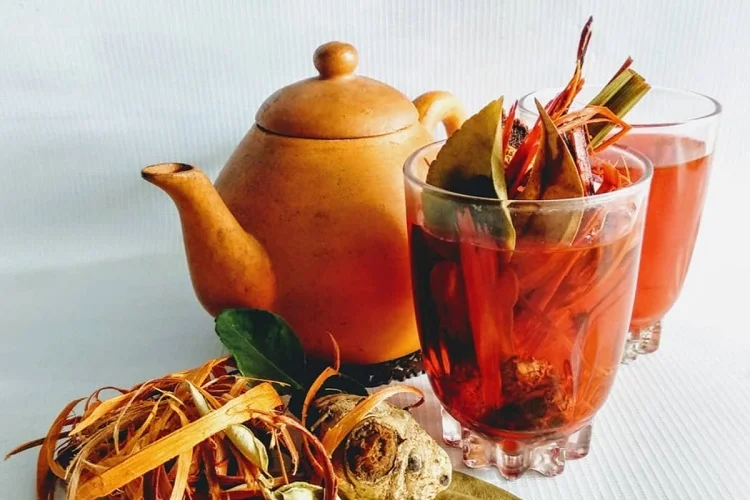
In Java’s culinary heritage, traditional drinks are as varied as the island’s ingredients, landscapes, and local traditions. One familiar category is wedang, a range of traditional beverages known for their use of aromatic spices, warming flavours, and associations with everyday comfort and well-being.
Table of Contents
From the sweet, ginger-infused broth of wedang ronde to the aromatic blend of spices in wedang uwuh, these are five traditional drinks worth trying when visiting cities such as Surakarta and Yogyakarta.
What Is Wedang in Javanese Culture?
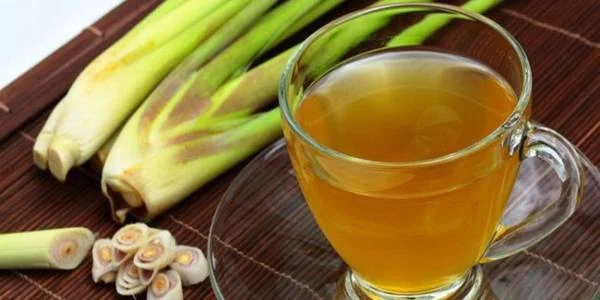
The word wedang refers to a drink or beverage in Javanese, commonly associated with warm drinks. Many varieties are prepared by simmering or steeping ingredients such as ginger, lemongrass, cloves, cinnamon, and other aromatic spices in hot water.
Enjoying wedang is part of everyday food culture in many Javanese communities. These drinks are often enjoyed warm, particularly in the morning or evening, and can be found at street stalls, traditional markets, and local eateries. Adding to their comforting flavours, they also symbolize warmth, hospitality, and togetherness.
5 Traditional Javanese Drinks to Try
Wedang Ronde
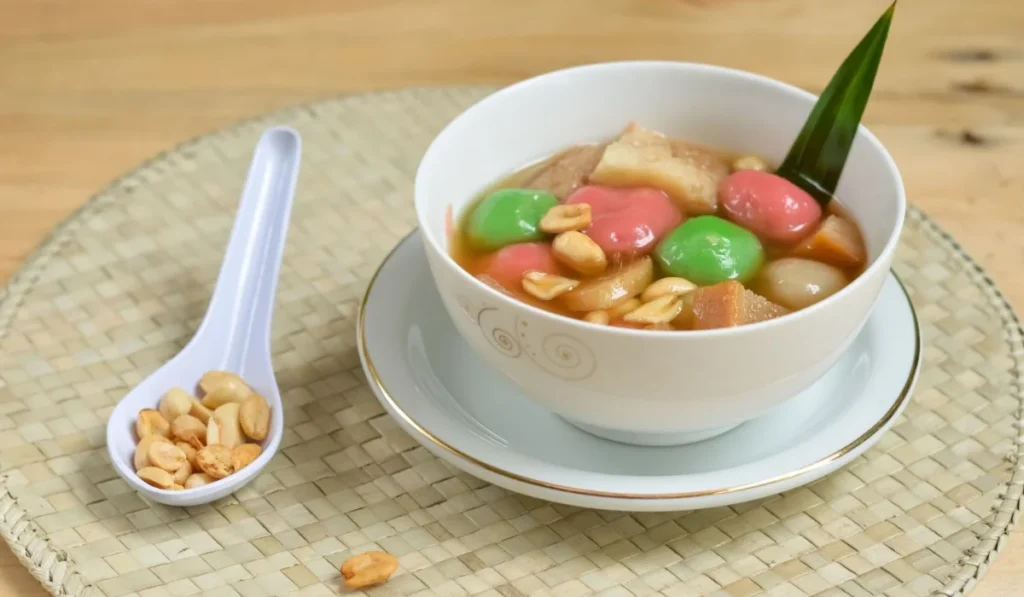
Wedang ronde is one of the best-known traditional Javanese drinks, featuring chewy rice-flour balls served in a sweet ginger broth. The ronde typically contains a crushed peanut filling, while the broth is made with ginger and palm sugar.
Additional toppings, such as roasted peanuts, bread cubes, and kolang-kaling, may also be included depending on the vendor. Its combination of fragrant ginger broth and varied textures makes it a comforting treat on a cool night.
Wedang Uwuh
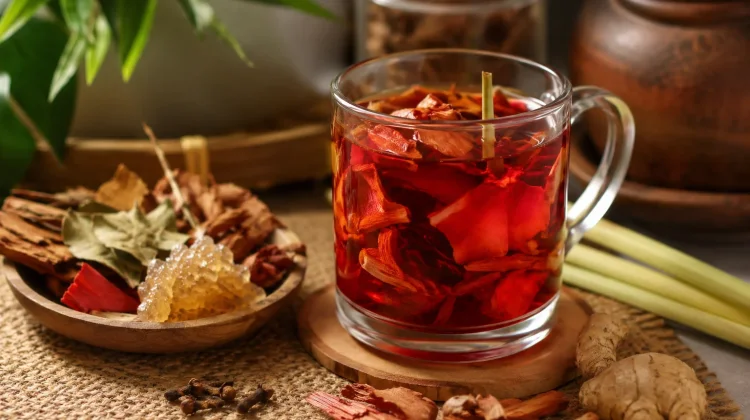
With its vivid reddish colour, wedang uwuh is recognizable for its distinctive blend of herbs and spices. Common ingredients include dried sappanwood shavings, rock sugar, roasted ginger, dried cinnamon leaves, dried clove leaves, nutmeg leaves, and cloves. Together, they create a warming, mildly sweet drink with a slightly spicy taste and a strong herbal aroma.
Wedang Secang
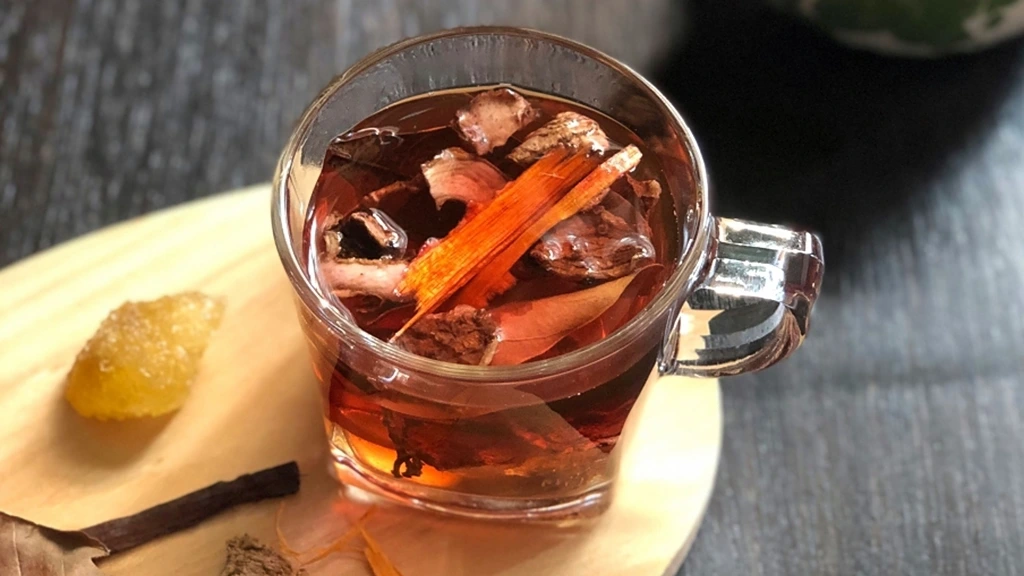
Another traditional drink known for its reddish colour is wedang secang. Compared with wedang uwuh, wedang secang is often prepared with a simpler combination of ingredients, such as sappanwood, ginger, lemongrass, and cloves.
Some recipes also include cinnamon or other spices, as well as palm sugar or honey for an added sweetness.
Wedang Sereh
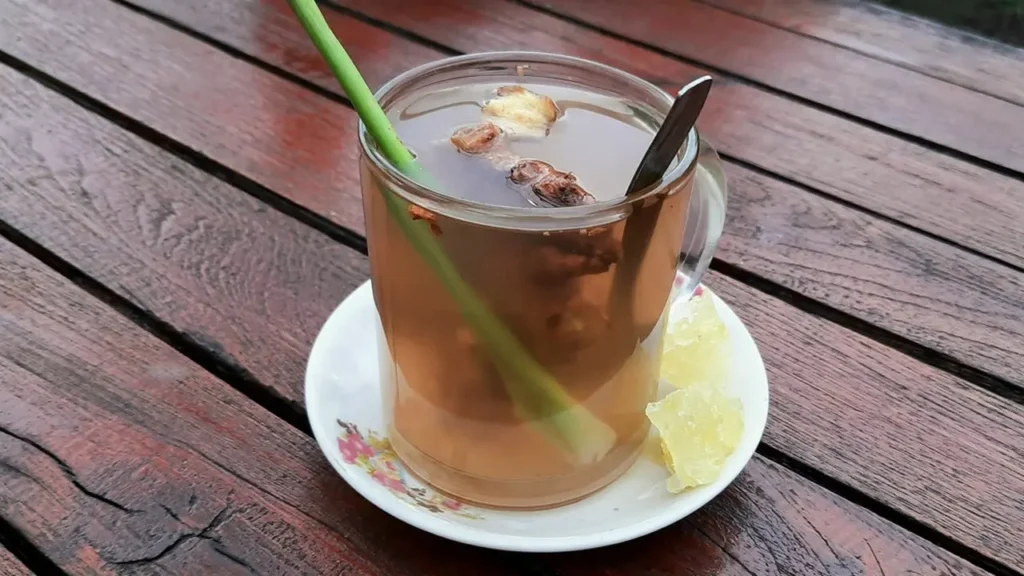
Wedang sereh is a fragrant herbal drink made primarily from lemongrass, known in Indonesian as sereh. It’s commonly prepared by simmering or steeping bruised lemongrass stalks in hot water to release their fresh, citrus-like aroma.
Depending on the recipe, ginger, lime leaves, or palm sugar may be added for extra fragrance, warmth, and sweetness. The result is a light herbal infusion with a refreshing aroma and a milder spice profile than ginger-based drinks such as wedang ronde.
Sekoteng
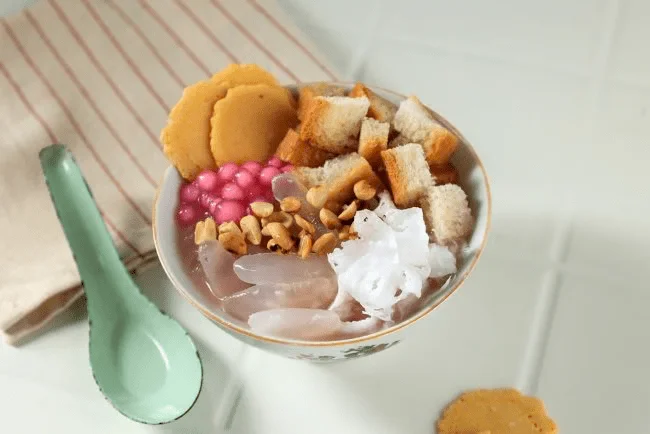
Similar to wedang ronde, sekoteng is a warm traditional drink served with a ginger-based broth. However, its toppings are often more varied, giving it a distinctive combination of flavours and textures.
The drink typically features a sweet ginger broth with bread cubes, roasted peanuts, and pacar cina (small tapioca-based pearls). Sekoteng balances the spicy warmth of ginger with the sweetness of its broth and the contrasting textures of its toppings.
Where to Try Traditional Javanese Drinks in Solo and Yogyakarta
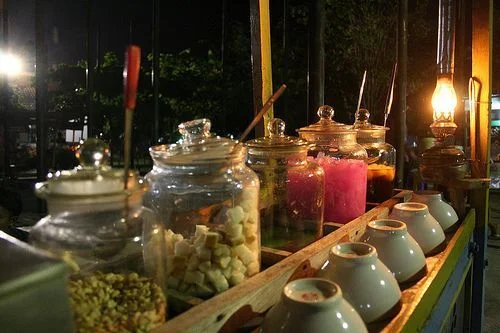
One of the easiest ways to discover traditional drinks is to visit local food stalls and traditional markets. In Surakarta, Pasar Gede and its surrounding area is a good starting point for exploring the city’s traditional food scene. Visitors can look for local stalls selling traditional drinks and pair them with other Solo specialities.
For those visiting Yogyakarta, the Malioboro area offers another starting point. Traditional food and drink vendors can be found around the shopping district, including Teras Malioboro and Pasar Beringharjo.
Frequently Asked Questions
How many types of traditional drinks are there in Indonesia?
There is no single definitive number for the total number of traditional drinks in Indonesia because recipes vary between regions and communities, and some drinks have numerous local variations.
What are the most popular traditional drinks?
Popular traditional drinks vary across Indonesia. Examples include wedang jahe, wedang ronde, wedang uwuh, jamu, es cendol, dawet, bajigur, bandrek, and bir pletok.
What are traditional drinks from Java?
Traditional drinks from Java include wedang jahe, wedang ronde, and wedang uwuh. Other regional examples include es dawet telasih from Solo and bajigur from Sundanese West Java.
What are the different types of wedang?
Wedang varieties differ in their ingredients and preparation. Some are primarily ginger-based, such as wedang jahe and wedang ronde. Others combine aromatic spices and plant materials, such as wedang uwuh and wedang secang. There are also lighter herbal infusions, including wedang sereh.
The variety of wedang adds another dimension to Java’s culinary heritage. From the sweet and spicy broth of wedang ronde to the complex herbal blend of wedang uwuh, each drink offers its own combination of ingredients, aromas, and flavours.
To make your culinary journey even more complete, let’s explore Must-Try Traditional Javanese Snacks and Street Food in Solo.