

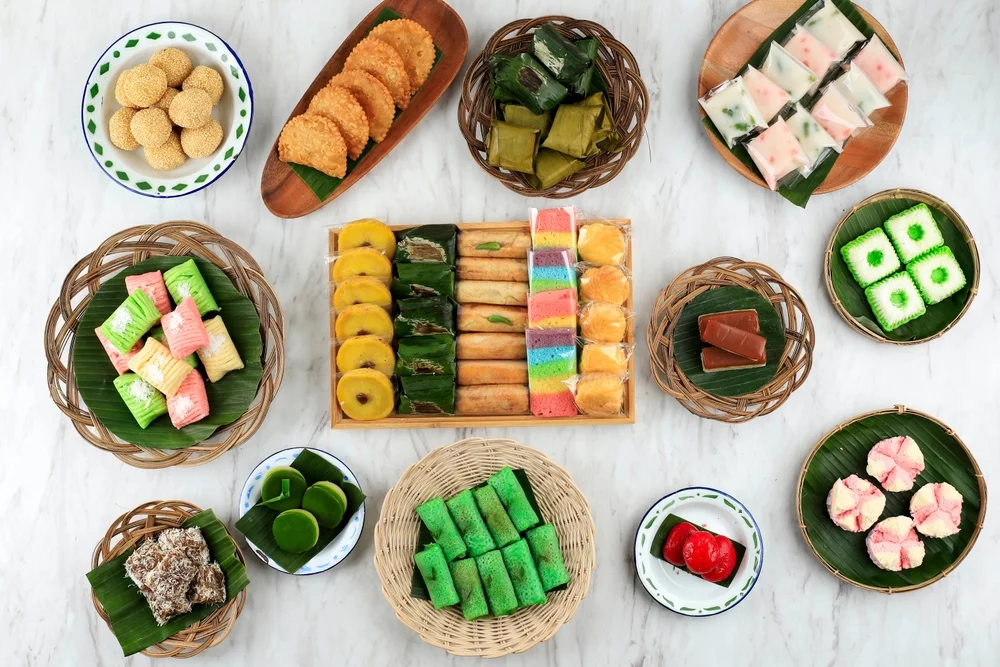
The Javanese dessert scene is one not to be overlooked. Rooted in local traditions, these sweets—commonly called “hidangan penutup” or “pencuci mulut”—showcase the rich culinary heritage of Java. Whether you’re a devoted dessert lover, an adventurous foodie, or simply curious about Indonesian cuisine, trying these Javanese desserts is a must for every visitor alike.
Table of Contents
The Sweet World of Javanese Desserts
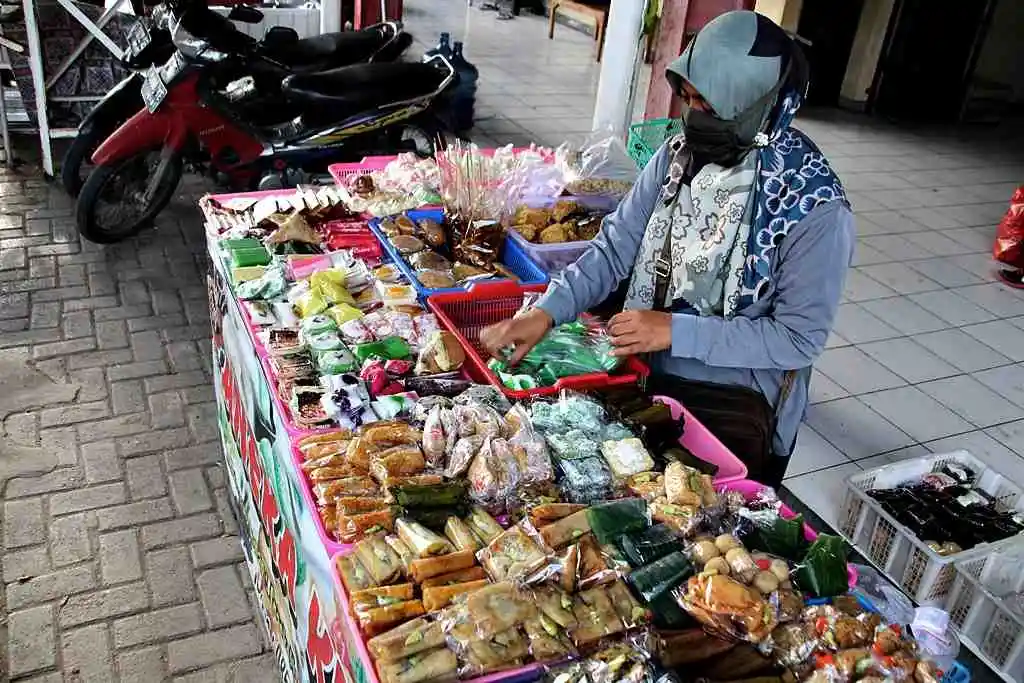
More than simply satisfying a craving, Javanese dessert represents the very familiarity of the community’s character: hospitality and friendliness. Built around humble ingredients such as coconut milk, palm sugar, pandan leaves, and rice flour, these flavors come together to create treats that are comforting yet unforgettable.
Typically found at celebrations, family gatherings, and traditional markets, serving these sweets embodies the welcoming spirit of Javanese culture, where guests are often treated as royalty.
Javanese Traditional Sweets You Must Try
Klepon – The Pandan Rice Ball
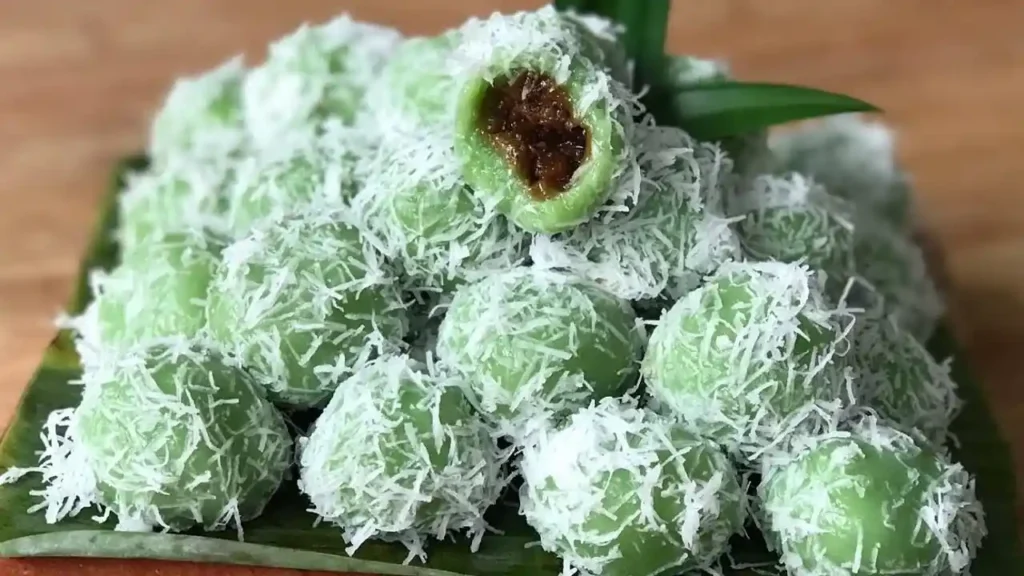
One of the most popular Javanese desserts, klepon is a chewy rice ball made from glutinous rice flour and naturally colored green with pandan leaves. Inside is a molten filling of melted palm sugar, while the outside is coated with freshly grated coconut. The result is a chewy treat that’s perfectly sweet with a subtle savory touch from the coconut.
Geplak — Coconut & Pandan Candy from Bantul
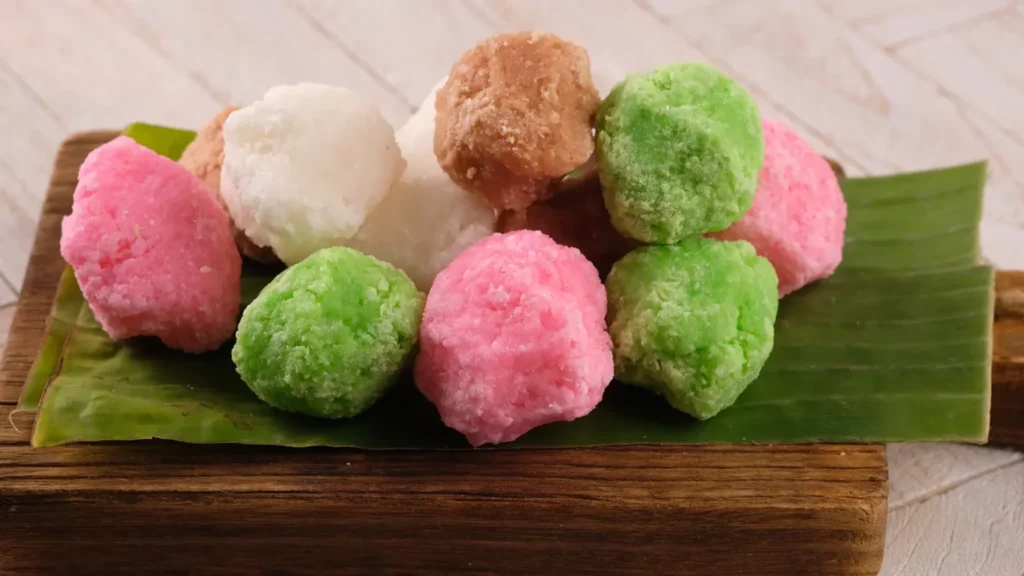
Geplak is a colorful coconut candy originated from Bantul regency, Yogyakarta. Its bright pink, green, yellow, and white colors make it instantly recognizable among traditional Indonesian sweets. Made primarily from grated coconut and sugar, geplak has a sweet flavor and crumbly texture.
Wingko Babat — Chewy Coconut Cake
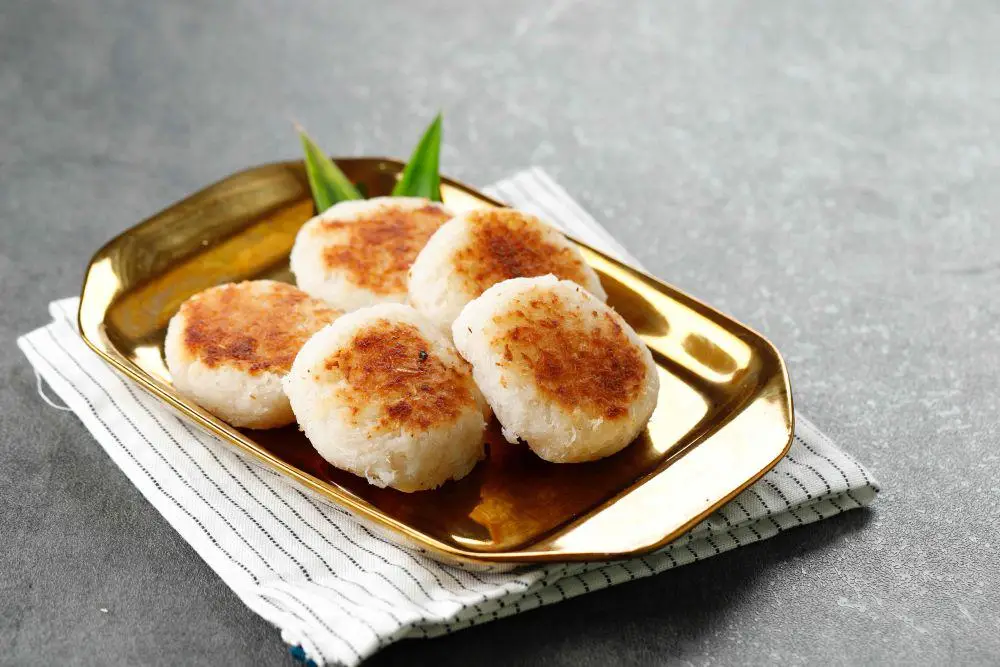
Wingko babat is widely known as a Semarang souvenir, made from glutinous rice flour and coconut. Because it’s traditionally grilled over hot charcoal, the snack develops a distinct aroma that instantly stimulates the appetite. Every bite offers a combination of a slightly crispy exterior and chewy center, best enjoyed alongside a cup of tea or coffee.
Es Dawet Ireng — Black Cendol from Purworejo
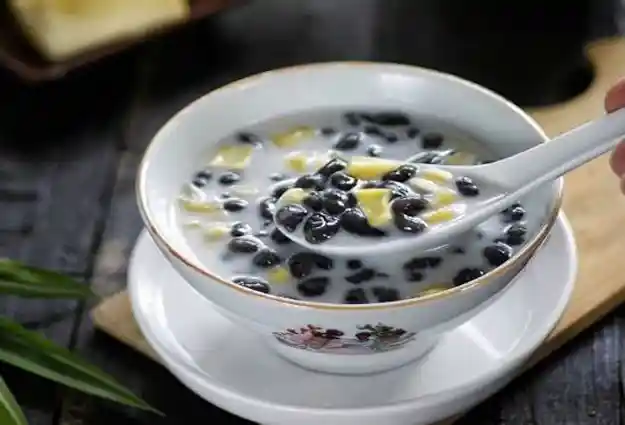
When the tropical heat arrives, es dawet ireng is unquestionably the go-to Javanese dessert to enjoy. This traditional drink-dessert is famous for its distinctive black cendol which comes from rice-straw ash. Served with coconut milk, palm sugar syrup, and ice, es dawet oreng delivers a delightful balance of sweetness and creaminess.
Jadah Tempe — Sticky Rice & Tempeh Combo
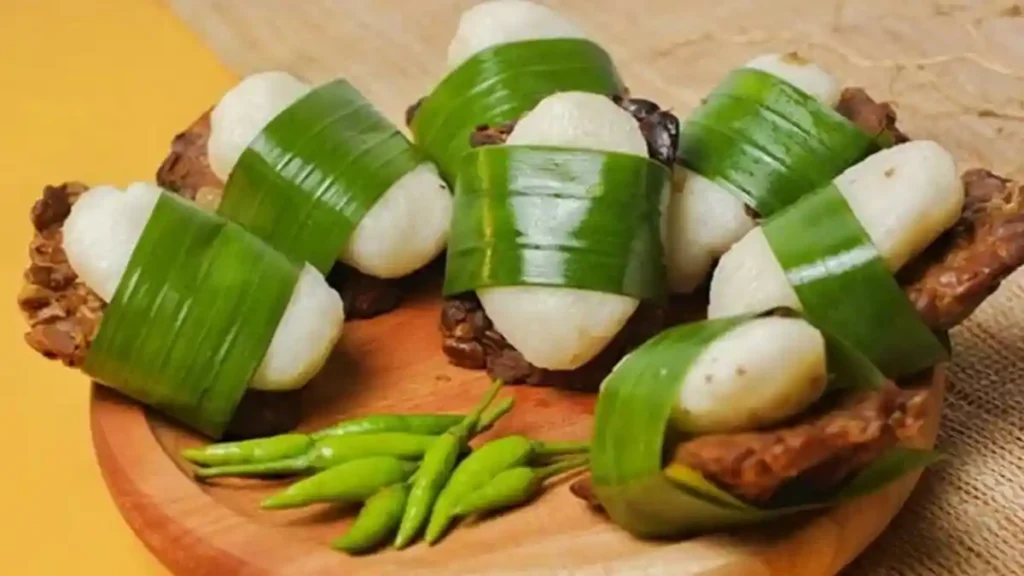
If you’re around Kaliurang, it’s impossible to skip on jadah tempe the region’s most iconic traditional snack. Although not strictly a sweet treat, the combination of savory taste of jadah, a sticky rice cake made from glutinous rice, and the sweetness of tempe bacem creates a flavor pairing that is unmistakably Javanese and irresistibly tempting.
Thiwul — Cassava Sweet from Gunungkidul
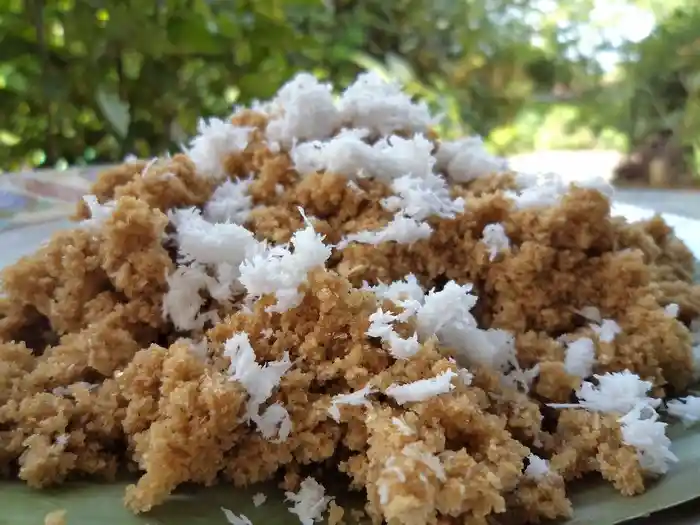
In Gunungkidul, thiwul has long been consumed as a substitute for rice. It’s made from dried cassava, one of the region’s most abundant crops, which is ground into granules and steamed until fully cooked. As a dessert, thiwul is typically served with grated coconut and palm sugar.
Putu — Steam Rice Cake with Pandan
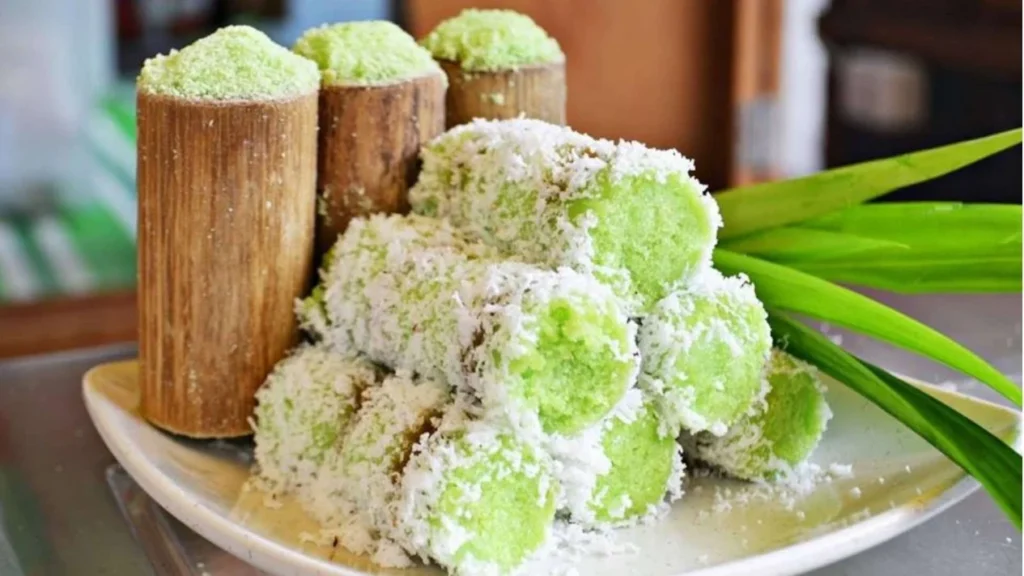
Not only is putu itself beloved, but the signature sound of its sellers’ bamboo steamers is also a nostalgic part of childhood for many Indonesians. Kue putu is made from rice flour filled with palm sugar and steamed inside bamboo tubes. Once cooked, the cakes are topped with grated coconut, resulting in a fragrant aroma that perfectly complements their soft texture and sweet filling.
Wajik — Glutinous Rice Diamond Cake
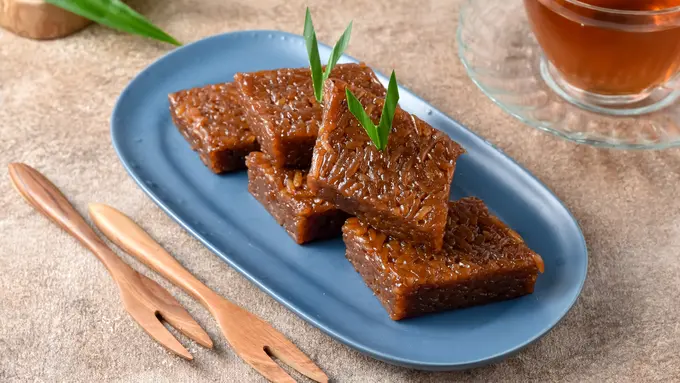
Wajik is a sticky rice cake made from glutinous rice, coconut milk, and palm sugar. It is typically cut into diamond-shaped pieces, which is where its name originates. This dessert frequently appears at weddings, traditional ceremonies, and family celebrations.
Onde-onde — Sesame Seed Fried Balls
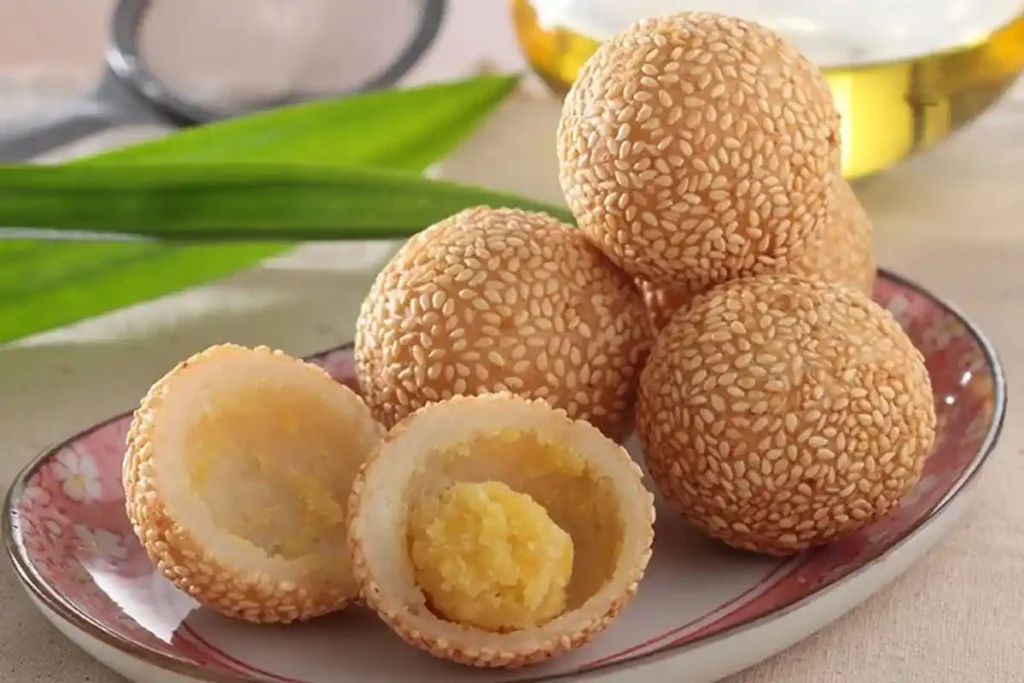
Onde-onde is one of the many Javanese desserts that showcases the cultural exchange shaping the nation’s cuisine. Influenced by Chinese culinary traditions, these rice balls are coated in golden sesame seeds and deep-fried until perfection. The crispy exterior gives way to a sweet mung bean filling, creating a delightful contrast in texture.
Nagasari — Steamed cake with banana
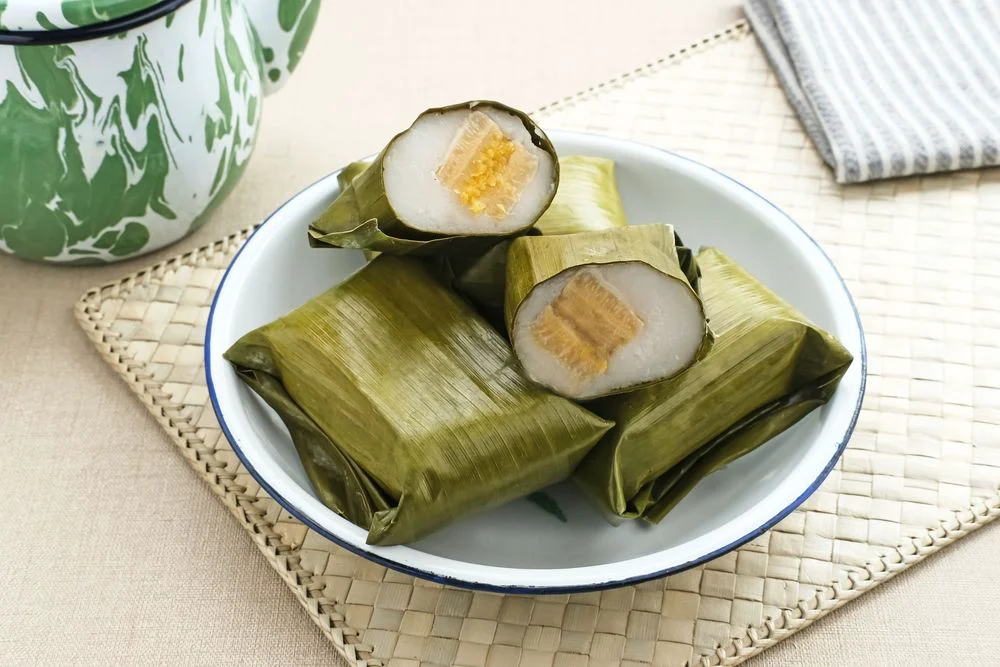
Simple yet satisfying, nagasari is a steamed cake made from rice flour, coconut milk, and banana. The batter is wrapped around a piece of ripe banana before being steamed inside a banana leaf. The result is a soft, fragrant dessert with a subtle sweetness and creamy texture.
Where to Find These Sweets in Yogyakarta
If there’s one place to explore Javanese dessert, Yogyakarta makes it effortless. Here are a few spots to sample these traditional sweets.
Pasar Beringharjo
Apart from local handicrafts, Pasar Beringharjo is also a hotspot for Javanese dessert. From klepon and wajik to nagasari and putu, the bustling market offers a glimpse into Yogyakarta’s everyday food culture.
Pasar Kotagede
Kotagede is famous for its silver craftmanship, but its appeal extends well beyond cultural shopping. At Pasar Kotagede, you can discover everything from everyday snacks to traditional desserts that are becoming increasingly difficult to find elsewhere.
Malioboro Street
Along Malioboro Street, you’ll also find numerous food stalls and souvenir shops selling classic Javanese sweets. Making a stop at any of these vendors is a great way to round out your adventure by bringing a taste of Java home with you.
Looking at these Javanese desserts, it’s easy to see how the region’s richness shines through every aspect of its culinary traditions, even in ingredients as simple as grated coconut. Exploring them is therefore a journey through history and culture. The same richness applies to food of Yogyakarta, as well as culinary gems you’ll find at Kampung Ketandan.
What is a popular Javanese dessert?
Some well-known Javanese desserts are klepon, which is sweet; jadah tempe, which has a savory taste; nagasari, known for its red color and sweet flavor; and onde-onde, a deep-fried pastry made with glutinous rice flour.
What is klepon made of?
Klepon is a treat made from glutinous rice flour and gets its green color from pandan leaves. It has a soft center filled with melted palm sugar and is rolled in freshly grated coconut.
Where can I try Javanese desserts in Yogyakarta?
You can find Javanese desserts in many traditional markets. In Yogyakarta, try visiting Ngasem Market, Kranggan Market, or Beringharjo Market to enjoy authentic flavors.
What is the Indonesian dessert wrapped in a banana leaf?
In Indonesia, banana leaves are commonly used to wrap desserts. Some examples are Nagasari, Lemet, Lemper, Tape, and Lupis, but there are many more. People use banana leaves to wrap food in most regions of Indonesia, not only in Java. Banana leaves can withstand heat, impart a unique aroma, help keep food moist, contain polyphenol antioxidants, and are environmentally friendly because they decompose quickly.