

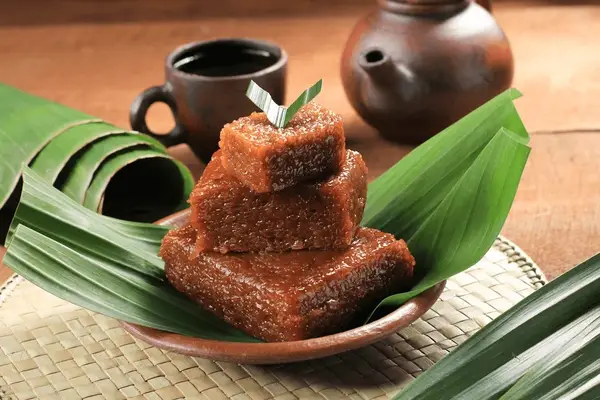
With their wide variety of flavours, textures, and ingredients, traditional snacks are an integral part of the Javanese culinary scene. More than just food, these treats are part of a culinary heritage passed down through generations, reflecting the island’s everyday food culture and local traditions.
Table of Contents
From colourful steamed cakes and sweet rice treats to savoury bites made with cassava and coconut, these snacks are easy to find at traditional markets, neighbourhood food stalls, street vendors, cultural celebrations, and family gatherings.
What Are Javanese Traditional Snacks?
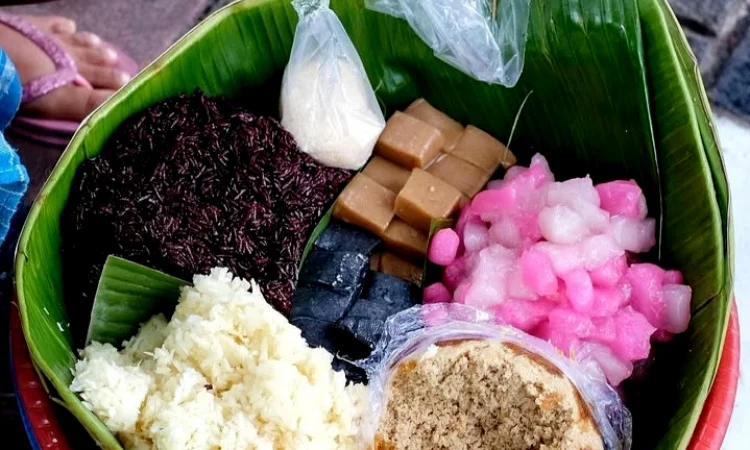
When it comes to Javanese traditional snacks, one term that often comes to mind is jajanan pasar. Literally translated as market snacks, the term refers to a variety of traditional treats commonly sold at local markets and enjoyed across generations.
Although each snack has its own characteristics and flavour, many share familiar ingredients that have long been part of everyday Javanese cooking. Rice flour and glutinous rice provide their distinctive textures, while coconut milk and grated coconut contribute a rich, savoury flavour.
Palm sugar adds natural sweetness, and ingredients such as bananas, cassava, and pandan bring different aromas and variations. Together, these ingredients create a familiar combination of sweet and savoury flavours, often accompanied by the fragrant aroma of coconut.
11 Javanese Snacks Every Traveler Should Try
Klepon – Chewy Rice Cakes with a Palm Sugar Center
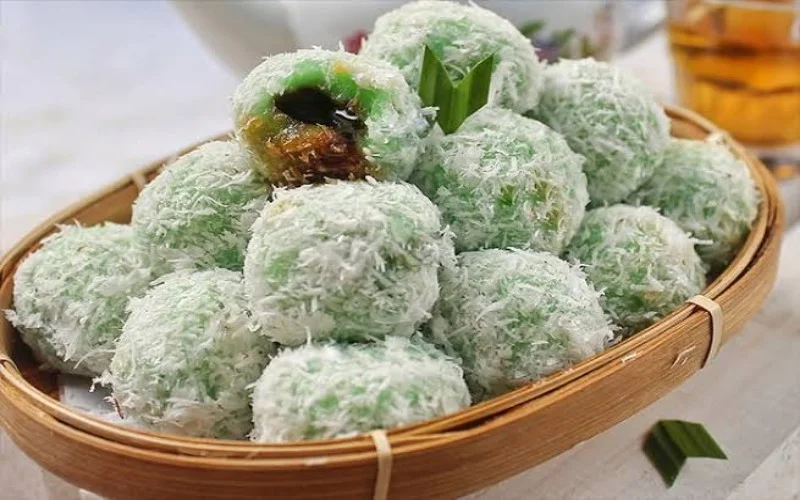
Klepon is one of the most beloved Javanese traditional snacks. With its small, round shape and green colour, this chewy rice cake is particularly appealing because of its melted palm sugar filling inside. Meanwhile, the outside is coated with grated coconut, offering a slightly savoury contrast to its sweetness.
In a single bite, you get a soft, chewy texture followed by a burst of sweet filling and a hint of coconut aroma.
Serabi – Traditional Javanese Pancakes
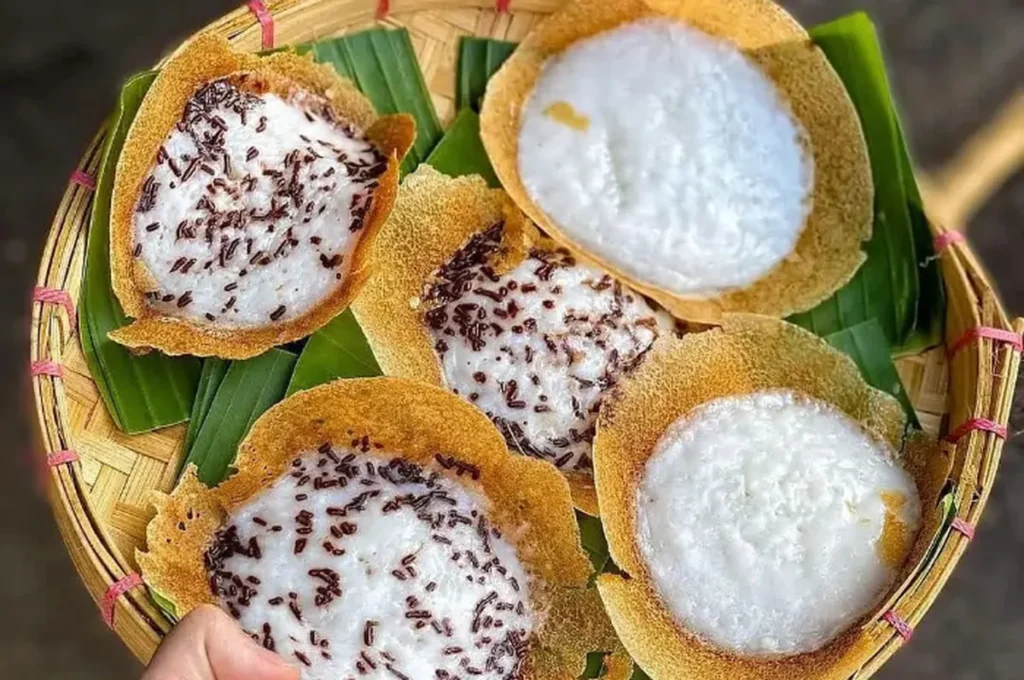
Indonesia has many regional variations of serabi, but Serabi Solo is one of the best-known. Made from rice flour and coconut milk, this traditional pancake has a soft, slightly chewy centre, while the edges are slightly crisp, releasing a fragrant aroma from the coconut.
Enjoying it plain is already a treat, but additional toppings such as chocolate or jackfruit can make its flavour even richer.
Getuk – Cassava with a Colorful Twist
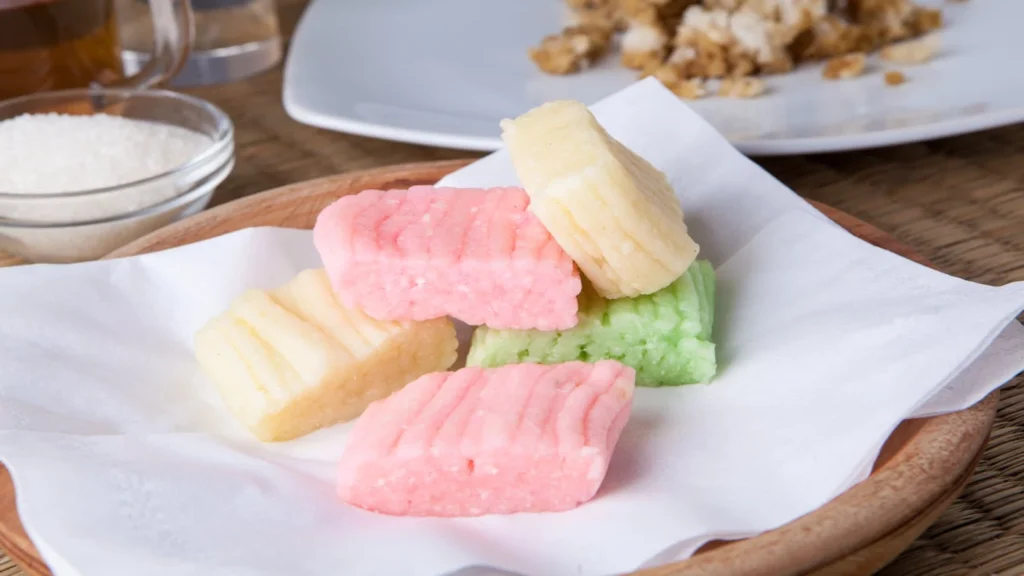
Getuk is a traditional snack made from cassava, a root vegetable widely used in Indonesian cooking. The cassava is steamed or boiled until soft, then mashed and mixed with sugar and other ingredients to create a smooth, slightly dense texture.
Getuk comes in different colours and shapes, but its taste remains familiar, with a mild sweetness and earthy flavour from the cassava.
Lupis – Sticky Rice with Coconut and Palm Sugar
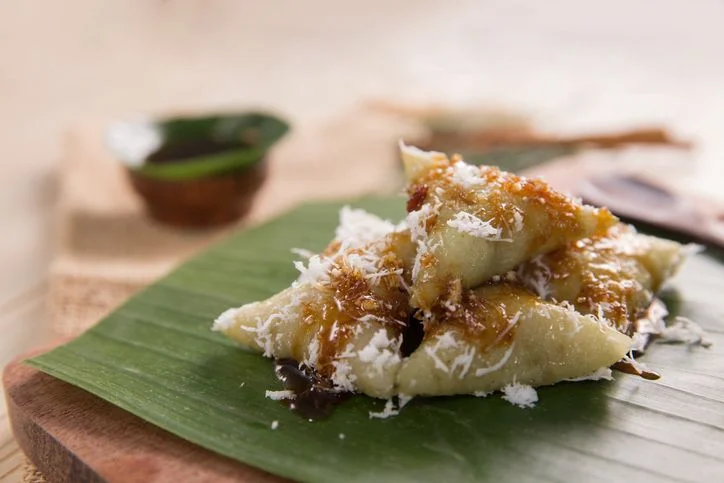
Lupis’ primary ingredient is glutinous rice. It’s wrapped in banana leaves, usually in a triangular shape, and boiled until soft and sticky. Once cooked, it’s coated with grated coconut before being served with a generous drizzle of palm sugar syrup for an added sweetness.
Cenil – Colorful Chewy Market Snack
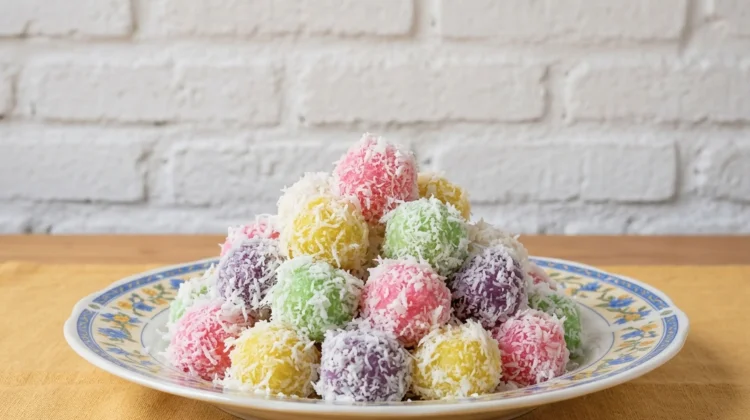
Cenil is another Javanese traditional snack with a colourful appearance and chewy texture. Made from tapioca flour, each piece of cenil is usually served with freshly grated coconut and palm sugar syrup, bringing together sweet and savoury flavours.
When you’re craving cenil, you’ll often notice vendors selling it alongside other jajanan pasar that share similar ingredients, cooking methods, and complementary toppings.
Nagasari – Banana-Filled Steamed Cake
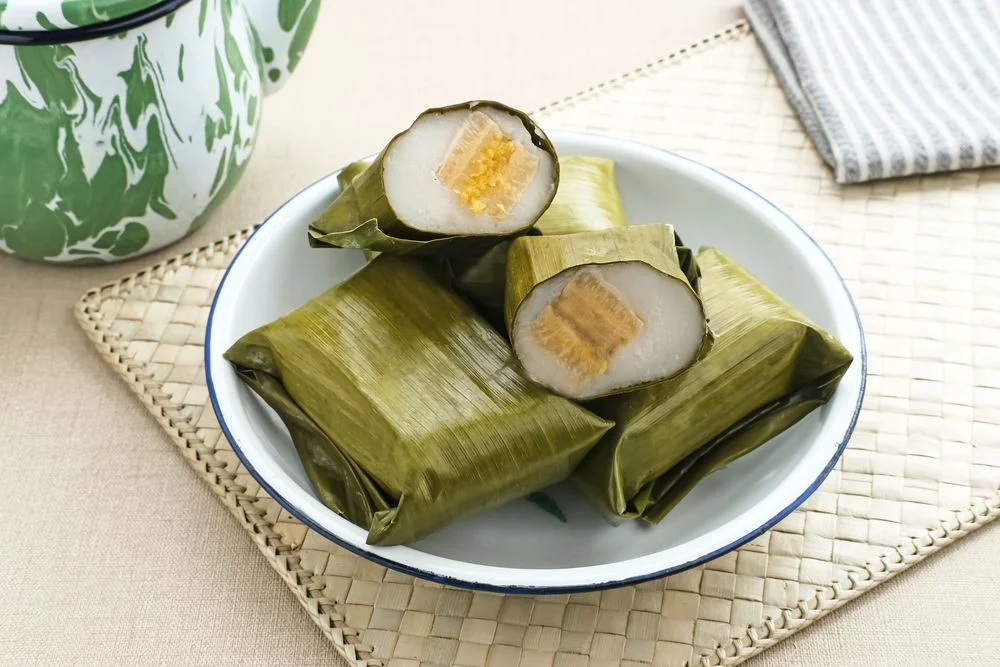
Often found at traditional markets and family gatherings, nagasari is a soft steamed cake made from rice flour, coconut milk, and sugar. What makes it particularly distinctive is the slice of banana placed at its centre, offering a delicate sweetness and fruity flavour.
The cake is wrapped in banana leaves before steaming, which helps retain moisture and gives it a subtle, fragrant aroma.
Onde-Onde – Sesame-Covered Glutinous Rice Balls
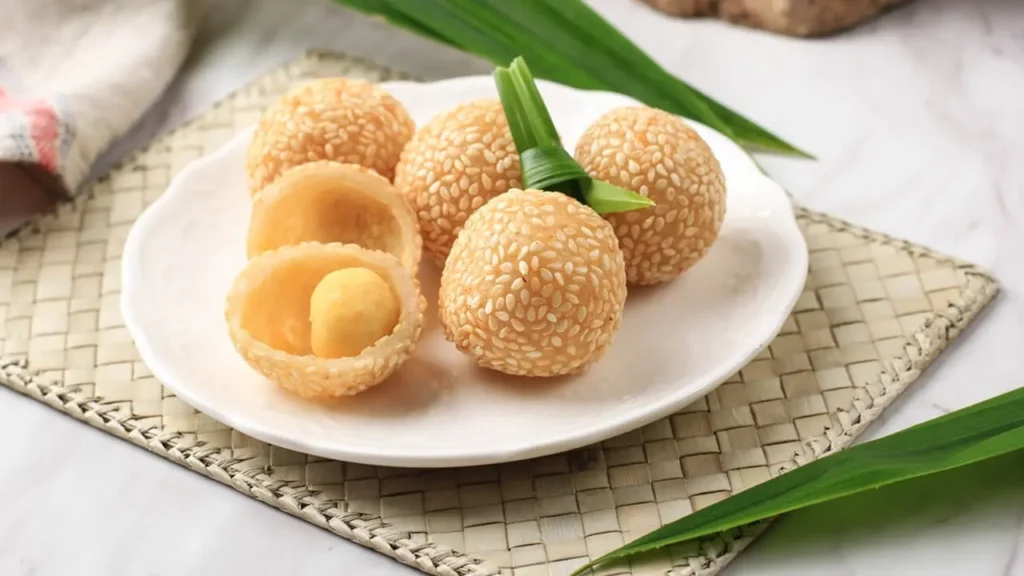
With historical connections to Chinese culinary traditions, onde-onde has become a familiar snack across Indonesia, including Java. It’s made from glutinous rice flour shaped into small round balls, coated with sesame seeds, and deep-fried until golden.
The frying process creates a lightly crisp exterior, while the inside remains soft and chewy. Many common versions are filled with sweet mung bean paste, providing a smooth and mildly sweet centre.
Apem – A Soft Javanese Cake
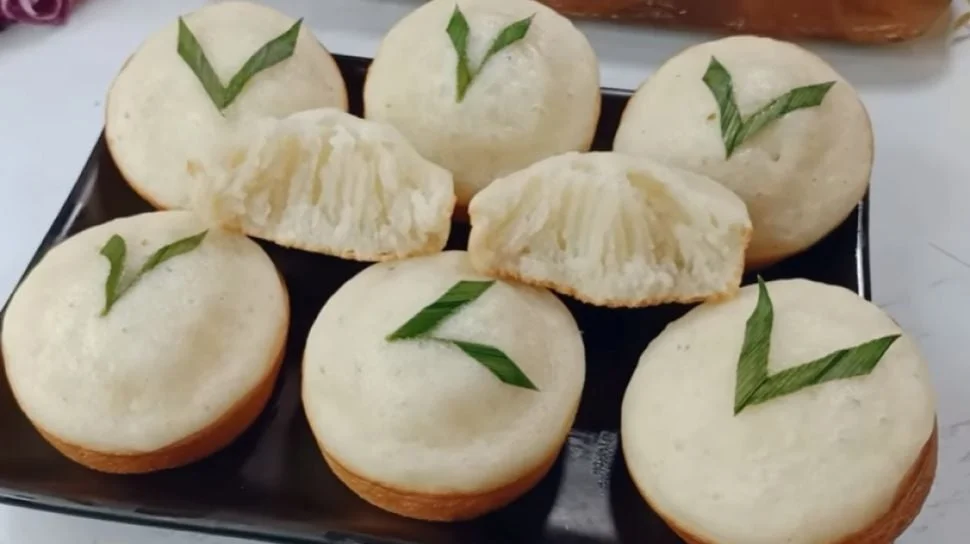
Apem is a traditional cake made from ingredients such as rice flour, sugar, and coconut milk, often with yeast or fermented ingredients added to help create its soft, slightly spongy texture. It’s usually grilled over a small pan, although some regional variations are steamed
Its mildly sweet taste is accompanied by a cultural significance that goes beyond food. In some Javanese traditions, apem is associated with prayers for forgiveness, protection, and blessings.
Wajik – Sticky Rice and Palm Sugar Sweet
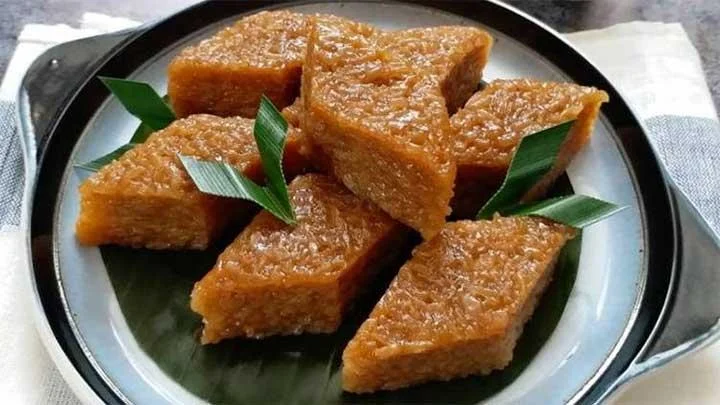
Wajik is a sweet snack made from glutinous rice, coconut milk, and palm sugar. The ingredients are cooked together until the rice becomes sticky and absorbs the rich sweetness of the sugar, creating a dense texture with a caramel-like flavour.
Traditionally cut into diamond-shaped pieces, wajik is often served at family gatherings, weddings, and other cultural celebrations.
Jadah – Savory Glutinous Rice Cake
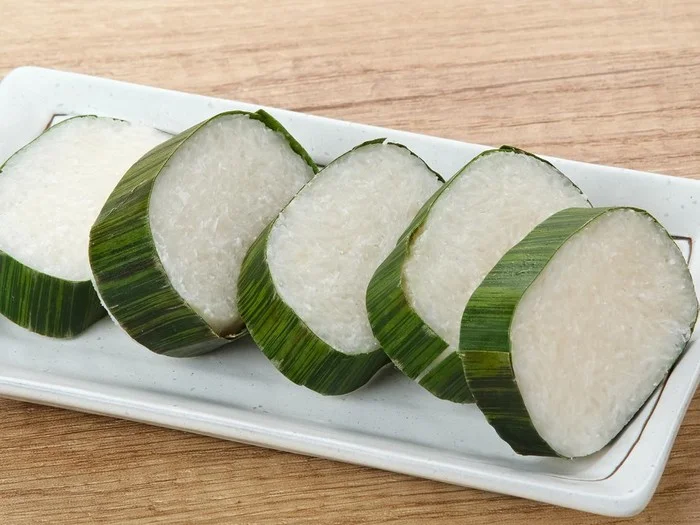
If you prefer a simpler taste, jadah is worth trying. Made from glutinous rice and grated coconut, the ingredients are steamed and pounded together until they form a dense, sticky cake. Unlike many Javanese market snacks that are predominantly sweet, jadah has a more noticeable coconut taste and a gentle savoury character.
Bakpia – A Yogyakarta Favorite
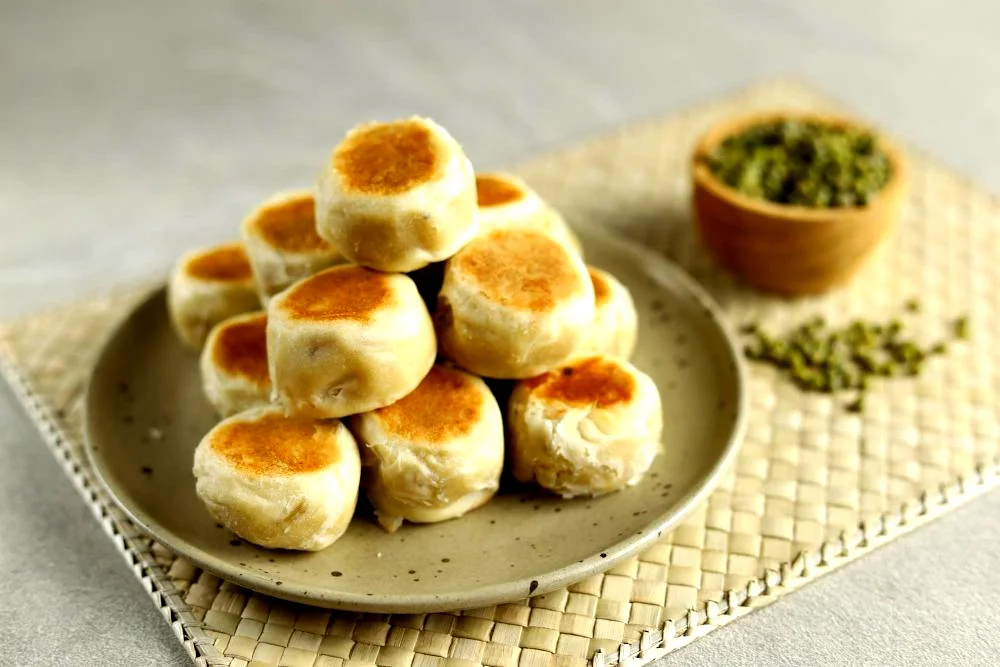
Not necessarily exclusive to Javanese culinary traditions, Bakpia is one of Yogyakarta’s most recognizable food souvenirs. These small pastries have a thin, layered outer crust and a sweet filling, traditionally made from mung beans.
The outside layer is lightly golden, while the filling remains soft and dense. Over time, bakpia producers have introduced various flavours, including chocolate, cheese, and other modern fillings.
Where to Find Traditional Javanese Snacks
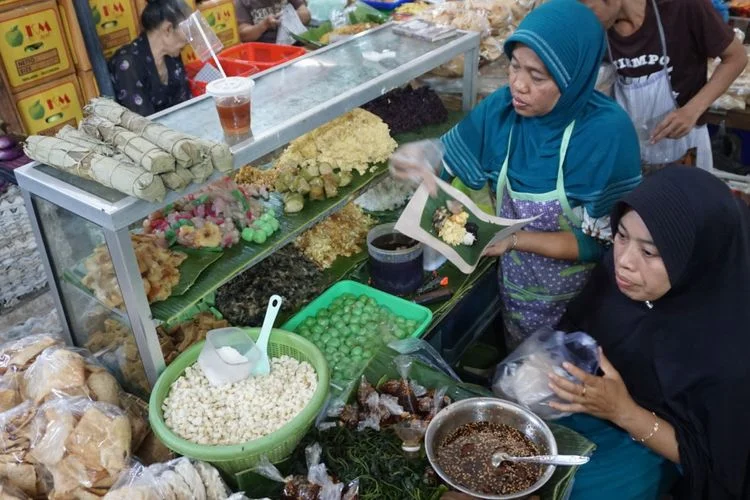
These traditional snacks are not difficult to find, especially if you know where to look. Traditional markets are a good starting point, where you can find different varieties of snacks in one place. Sunday markets and morning markets are also worth exploring, as vendors often prepare and sell fresh jajanan pasar early in the day.
Some snacks, such as wajik and apem, can also be found at cultural events, traditional ceremonies, and local celebrations. Meanwhile, bakpia, serabi, and getuk are commonly sold as regional specialities and souvenirs.
Javanese Snacks You Should Try in Solo and Yogyakarta
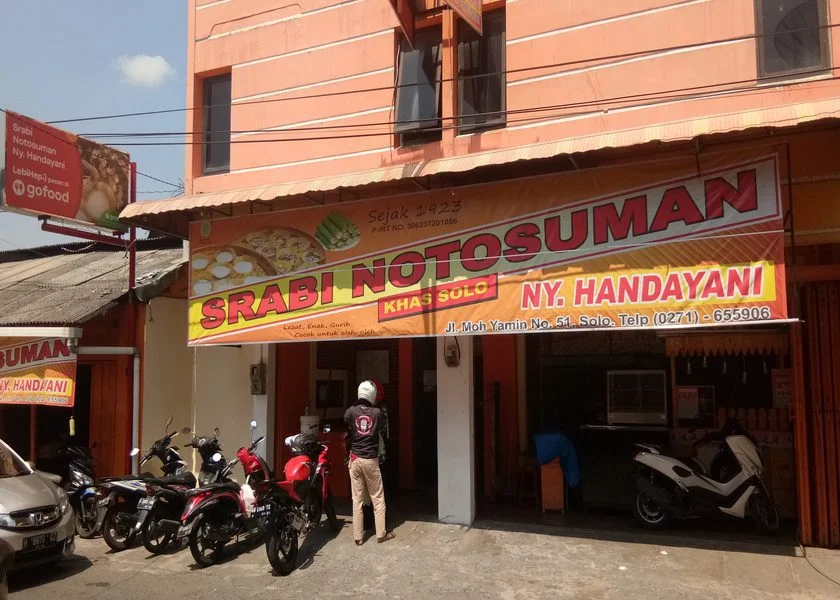
Solo and Yogyakarta share many culinary traditions, including their appreciation for jajan pasar. However, each city also has snacks and preparations that have become closely tied to its local food identity.
In Solo, make time to try Serabi Solo, apem, and jadah. Traditional markets such as Pasar Gede provide a good starting point for exploring local snacks.
When you’re in Yogyakarta, bakpia is one of the unmissable treats, having become one of the city’s most beloved food souvenirs. Another local favourite is jadah tempe, especially around the Kaliurang area. You can also find other traditional snacks, including klepon, lupis, and nagasari, at local markets and food stalls.
Some snacks, of course, are enjoyed in both cities and across wider parts of Java. Rather than assigning every food to a single place of origin, it’s more useful to appreciate how regional recipes and serving traditions give familiar snacks their own local character.
Frequently Asked Questions
What Are Traditional Indonesian Desserts?
Traditional Indonesian desserts include a wide range of sweet foods made with ingredients such as rice flour, glutinous rice, coconut milk, palm sugar, and tropical fruits. Examples include klepon, lupis, nagasari, wajik, cenil, and various steamed cakes.
What Is Jajan Pasar?
Jajan pasar refers to traditional snacks commonly made from local ingredients and sold at local markets in Indonesia.
What Is Klepon Made Of?
Klepon is made primarily from glutinous rice flour, usually coloured with pandan, and filled with palm sugar. After boiling, the small rice balls are coated in freshly grated coconut. The result is a chewy snack with a sweet, melted filling.
Where Can I Find Traditional Snacks in Java?
Traditional Javanese snacks are commonly available at morning markets, neighbourhood food stalls, street food centres, and souvenir shops. Cities such as Solo and Yogyakarta offer plenty of opportunities to try jajan pasar.
From chewy rice cakes and coconut-covered sweets to savoury glutinous rice treats, Javanese traditional snacks offer a varied introduction to the island’s culinary heritage. Some are enjoyed as everyday refreshments, while others carry cultural significance through their connections to family gatherings and traditional celebrations.
Excited for more culinary inspiration? Let’s take a closer look at different kinds of Javanese Desserts, as well as Serabi Solo.