

Despite their humble appearance, street food in Solo captures the rich flavors and culinary traditions of Javanese cuisine. Compared with Yogyakarta’s delicacies, Solo’s dishes are often perceived as more savory, defined by rich spices, coconut milk, and meat broth.
Table of Contents
With dishes like nasi liwet, tengkleng, and selat solo, the city offers more than just a meal, but serves up culinary traditions shaped over centuries. Best of all, these street foods in Solo can be enjoyed throughout the day, from early-morning markets to late-night stalls, ensuring there’s always something local to savor, no matter the hour.
Must-Try Authentic Street Foods in Solo
Nasi Liwet (Savory Coconut Rice)
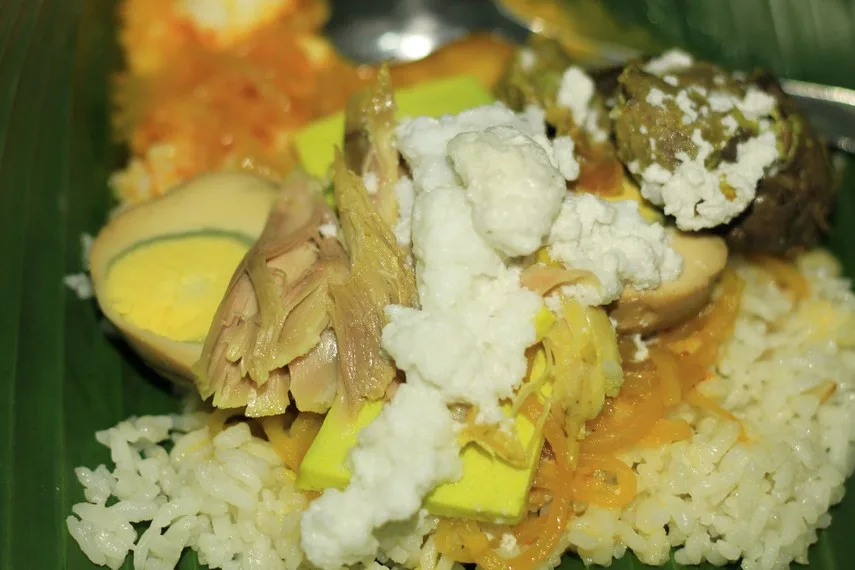
Nasi liwet was born out of the people of Menuran Village’s love for Prophet Muhammad, who was believed to have enjoyed nasi samin. To replace the clarified butter traditionally used in nasi samin, they used coconut milk, creating a savoury rice dish known locally as sego gurih.
True to its name, nasi liwet is rich and savoury, traditionally served on a banana leaf and accompanied by shredded chicken, spicy chayote stew, and a thick coconut cream topping known as kumut. With its comforting taste, this Solo specialty can be enjoyed anytime, whether for breakfast or as a late-night supper.
Tengkleng (Spicy Mutton Bone Soup)
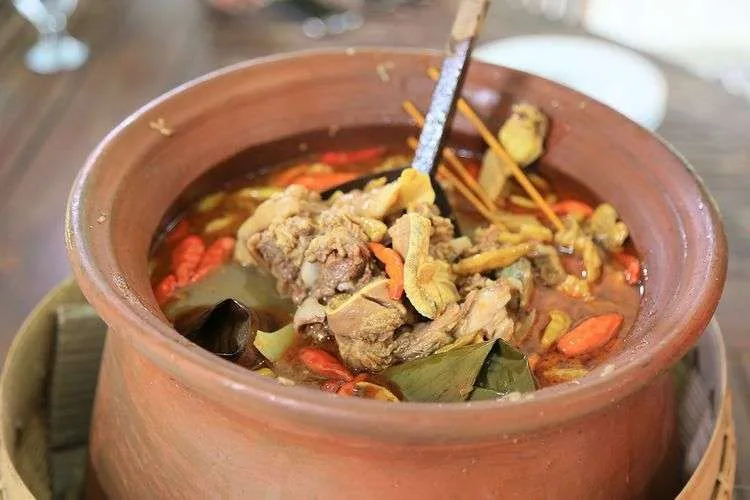
Tengkleng originated from the resourcefulness of ordinary people in the past, when goat meat was largely reserved for the nobility. Making the most of what was available, they turned goat bones, ribs, and offal into a flavourful soup with a light, yellow coconut milk broth.
What makes tengkleng even more distinctive is how it is enjoyed. Diners get to pick the remaining meat from the bones and savour every last bite.
Selat Solo (Javanese-Dutch Beef Salad)
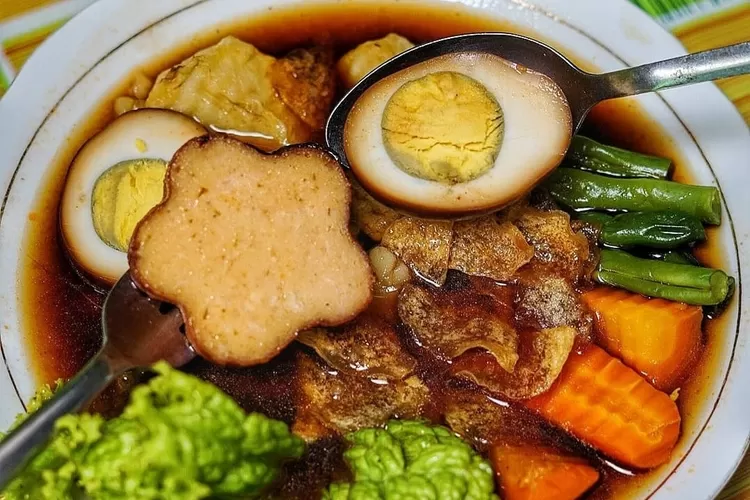
A region rich in history, Solo’s cultural acculturation is reflected in its many traditional dishes, with selat Solo being one notable example. Nicknamed “Javanese-style steak,” this dish blends European culinary traditions with influences from the Kasunanan Surakarta royal court.
A typical serving features boiled beef or galantin in a light, sweet-and-savoury broth made with soy sauce, accompanied by fried potatoes, green beans, carrots, and Javanese-style mustard sauce.
Timlo Solo (Clear Chicken and Egg Soup)
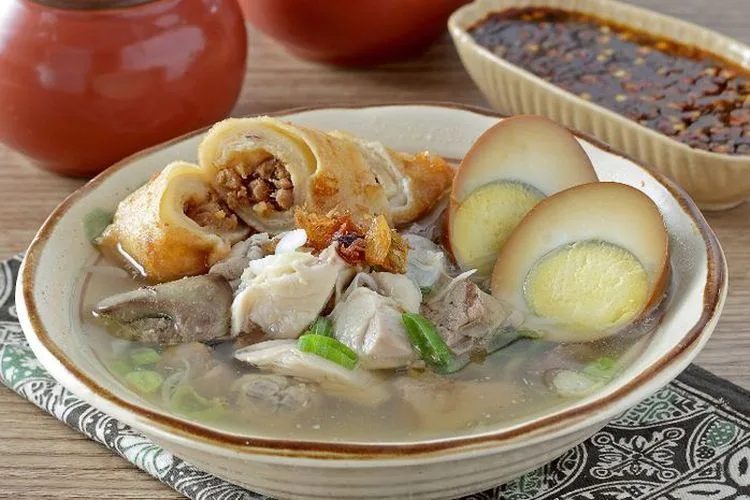
Timlo Solo is another street food in Solo that reflects the region’s encounter with other culinary traditions, particularly Chinese influences. Its clear, savoury broth brings a refreshing contrast to Solo’s tropical heat, while the toppings bring plenty of flavour and texture.
A typical bowl comes with shredded chicken, chicken liver and gizzard, braised eggs, and slices of sosis Solo, a local savoury roll filled with seasoned meat.
Serabi Notosuman (Javanese Coconut Pancake)
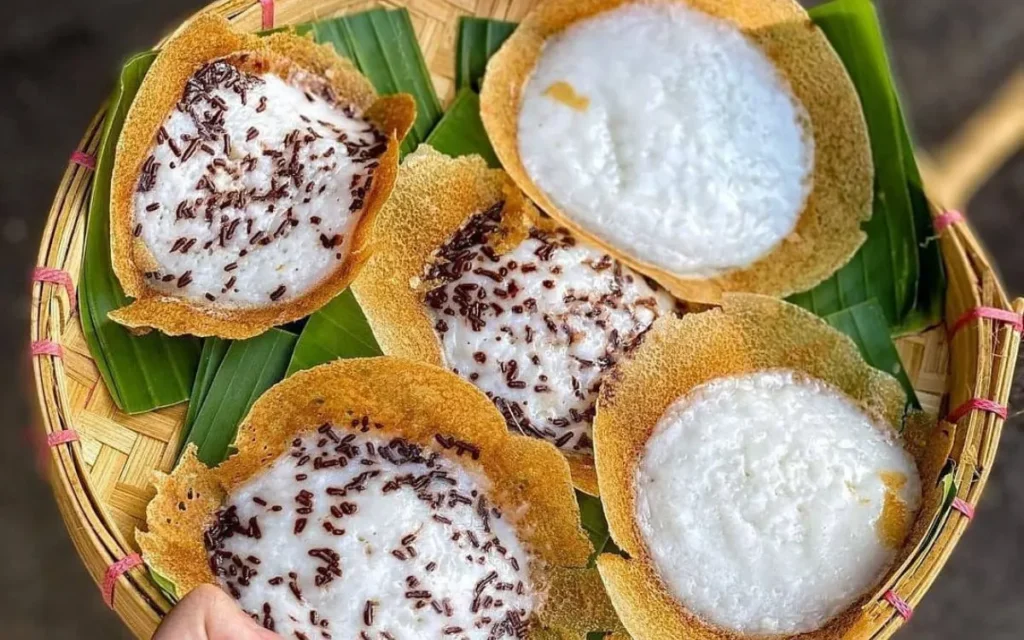
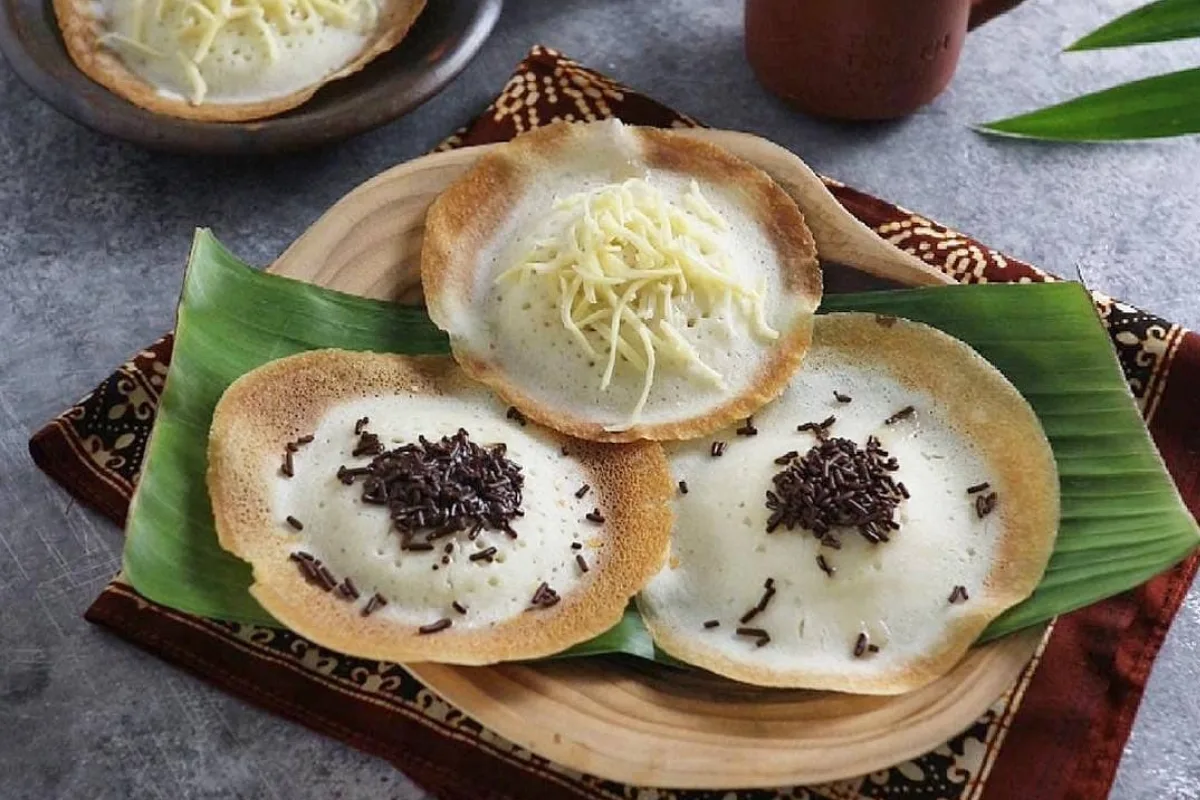
Your exploration of street food in Solo is incomplete without something sweet to round it off. For this idea, Serabi Notosuman is the perfect choice. Dating back to the 1920s, the legendary local pancake is loved for its chewy centre, lightly crisp edges, and delicate balance of sweet and savoury flavours. Even more unique, the pancakes are typically folded or rolled and separated by pieces of banana leaf.
Although often mistaken for the same dish, Serabi Solo and Surabi Bandung are two distinct varieties of Indonesian serabi, differing in texture, toppings, and presentation.
Where to Find the Best Street Food in Solo
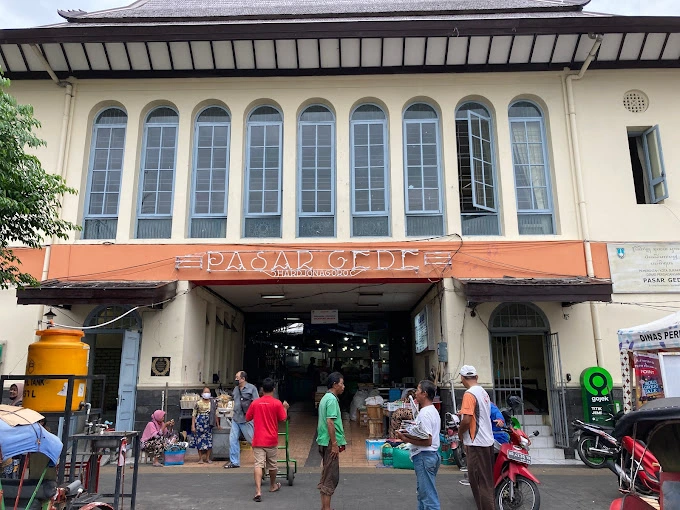
Some places stand out when it comes to finding the best street food in Solo. Pasar Gede Hardjonagoro, the city’s largest traditional market, is unthinkably one of the premier spots. Surrounded by distinctive Javanese, Chinese, and Dutch architectural influences, visitors can explore stalls selling traditional snacks, including a refreshing dawet telasih and chewy lenjongan.
If you’re craving nasi liwet, the Keprabon area is a great place to start. Around the neighbourhood, you’ll find legendary nasi liwet stalls, where each plate offers an authentic taste of savoury rice, tender chicken, chayote stew, and rich coconut cream.
Practical Tips for Eating Street Food in Solo
- Carry cash in small denominations
Although digital payments have become more common, carrying smaller banknotes is always useful as some may still prefer cash. - Choose busy food stalls
For foreign visitors, stalls with a steady flow of customers can be a useful indicator of popular dishes and a high turnover of ingredients. However, crowds alone do not guarantee food safety, so look for vendors who handle food hygienically, cook dishes thoroughly, and keep ingredients properly stored. - Respect local dining customs
Some traditional dishes, such as nasi liwet, are served lesehan, where diners sit on mats on the floor. If you choose to eat with your hands, using your right hand is customary.
Alongside its traditional art performances, Solo’s culinary scene is just as rewarding to explore. Each dish offers more than a distinct flavour; it tells a story of the people, their history, and their traditions. By enjoying these local specialities, you also help keep Solo’s culinary heritage alive.
Ready to plan an itinerary beyond food? Explore our complete Surakarta Travel Guide for more ways to immerse yourself in the city’s charm.