

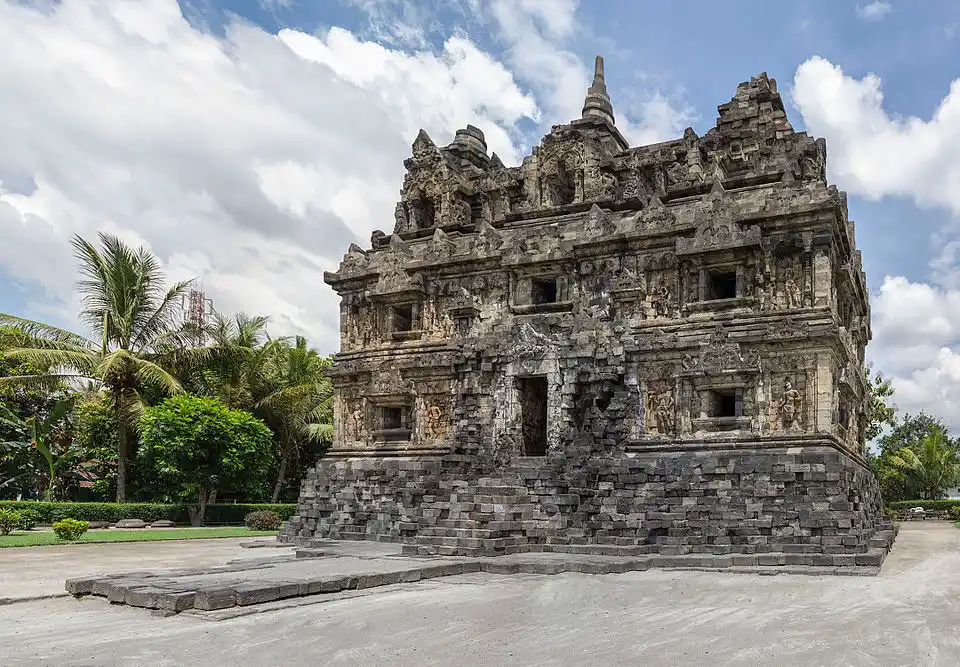
Sari Temple is often overlooked by tourists rushing toward more famous sites like Borobudur or Prambanan. Yet, this ancient structure tells a deeply fascinating story of Buddhist learning, royal patronage, and architectural elegance from Central Java’s golden age.
Table of Contents
Once a thriving monastery, Sari Temple now stands as a serene reminder of Indonesia’s early Buddhist civilization. A visit here promises a quiet yet meaningful discovery.
History of Sari Temple Yogyakarta
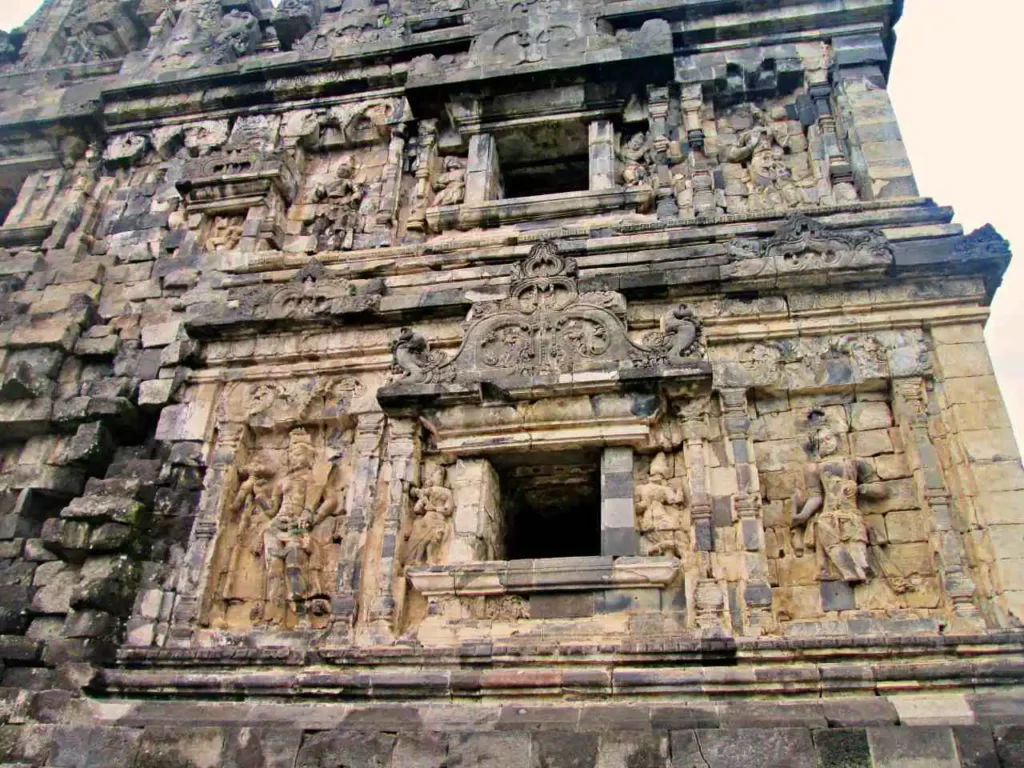
Sari Temple is a Buddhist temple believed to have been built in the 8th century during the reign of the Sailendra Dynasty. It’s often tied to King Rakai Panangkaran, as referenced in the Kalasan Inscription dated 778 AD.
Unlike most temples in the region built solely for worship, Sari Temple functioned as a Buddhist monastery, where monks dwelled, studied, and worshiped. It was discovered in the 20th century and later restored after suffering significant damage over time.
Architecture and Design of Sari Temple
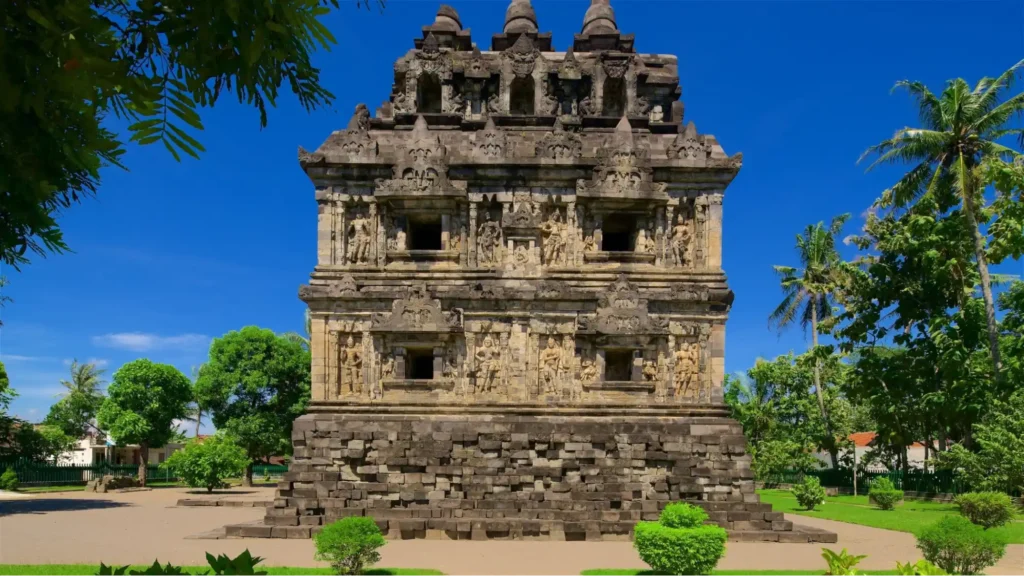
Sari Temple stands out as one of the few remaining examples of Buddhist monastery architecture from the Sailendra era. Unlike most temples in the region, which were built purely for worship, Sari was designed as a functional living and learning space for monks.
Evidence of this monastic life is reflected in its two-level structure, rare among temples in Yogyakarta. The upper floor was used to store religious items, while the lower floor was used for religious activities such as teaching, learning, and discussion. Three rooms run along the structure, each connected by a doorway.
The doorways and windows of Sari Temple are flanked by a total of 36 human-sized statues of male-female pairs standing upright, each holding a lotus flower. The outer walls are filled with intricate carvings of Kinara-Kinari (half-human, half-bird celestial beings), floral scrollwork, and kumuda.
These intricate details proved that Sari Temple’s carvings go beyond decoration, instead serving as visual narratives of Buddha’s teachings and spiritual symbolism.
Visitor Information for Sari Temple Yogyakarta
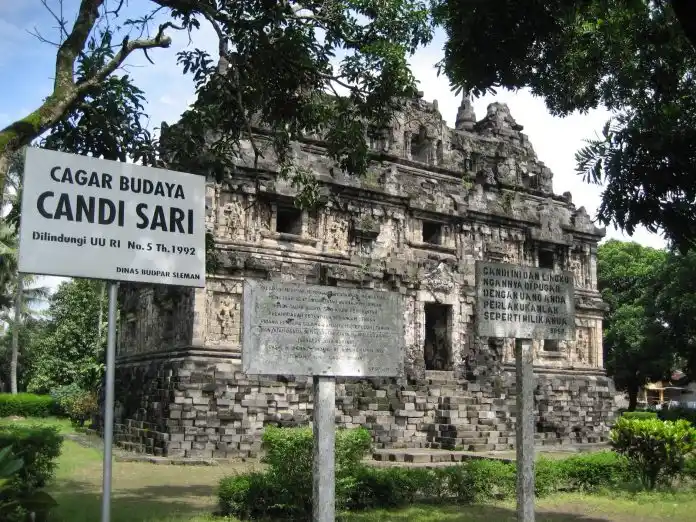
Sari Temple is located in the peaceful Bendan Village near Kalasan, Sleman Regency. From Yogyakarta city center, it takes around 30 to 40 minutes by car heading east. The temple is situated just 750 meters from Kalasan Temple.
The temple is generally open daily from 8 AM to 3 PM, making it an easy stop for a morning or afternoon heritage visit. Entrance tickets are affordable at around IDR 5,000.
For a more enriching experience, visitors are encouraged to combine their trip with nearby temples such as Sambisari Temple, Kalasan Temple, and Kedulan Temple. For those seeking exploration beyond cultural sites, Yogyakarta reveals its charm through a variety of top landmarks and scenic coastal escapes, such as Timang Beach.