

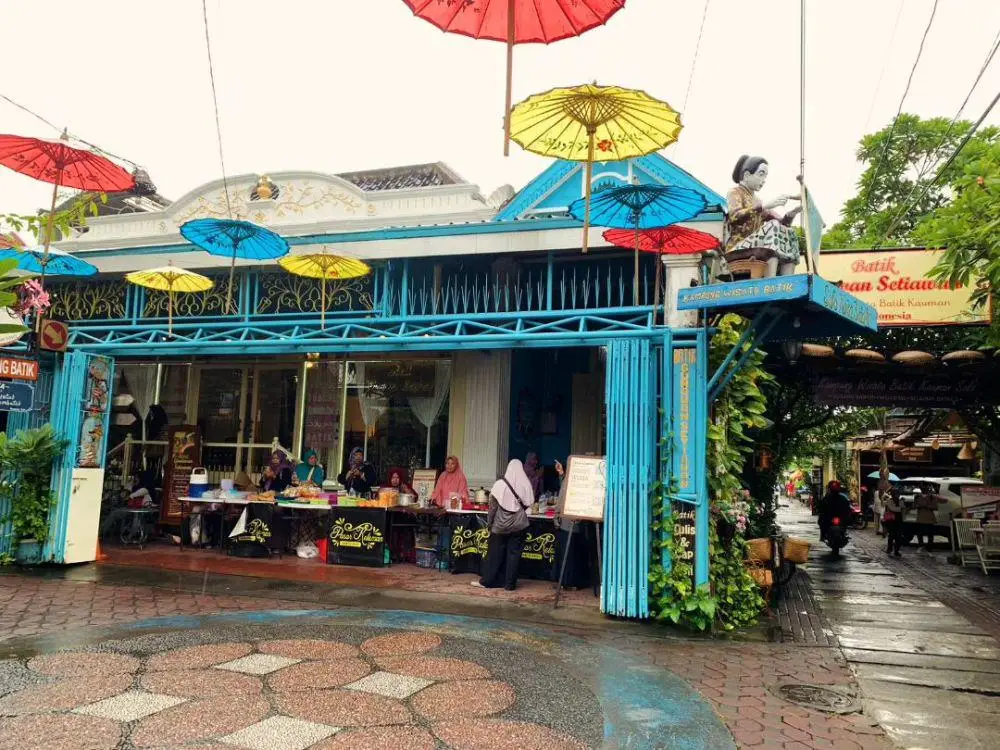
Surakarta, also known as Solo, may be famous for its royal palaces and historic landmarks, but the city’s allure stretches far beyond them. Step into the captivating craft village in Surakarta, where local kampungs have become closely tied to traditional crafts and creative industries for generations.
Table of Contents
It’s not just about batik villages, either. Several craft communities across Solo are shaped by different traditions and industries, from blangkon making and jewellery to smaller-scale home industries. Distinctively, each craft village in Surakarta has its own character, history, and speciality, yet they all share a common thread: keeping local craftsmanship alive.
What Are Craft Villages in Surakarta?
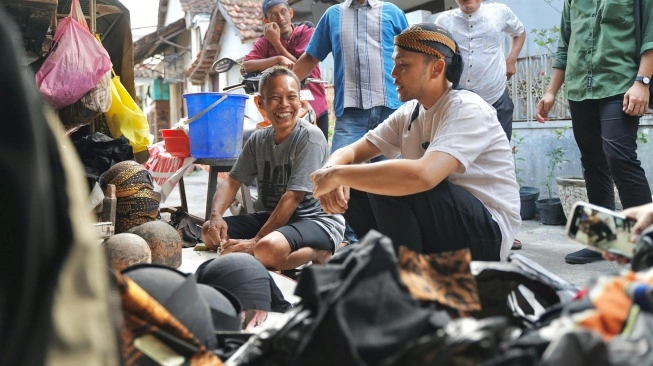
The idea of a craft village in Surakarta is essentially a neighbourhood that has developed around a certain craft, with production, trade, and local knowledge becoming closely linked to the community. Some remain working neighbourhoods, with artisans producing goods from small workshops or even their homes, while others have developed into thematic tourism destinations featuring showrooms, galleries, and visitor activities.
Batik is perhaps the most recognizable example, particularly in the well-known Kauman and Laweyan. Alongside that industry are blangkon making, jewellery, and smaller home-based industries such as shuttlecock production.
Best Craft Villages in Surakarta You Must Visit
With so many options for craft villages in Surakarta, it helps to narrow down your choices based on what you want to experience. From well-known batik neighbourhoods to lesser-known production communities, these craft villages showcase different sides of Solo’s creative traditions.
Kampung Batik Kauman
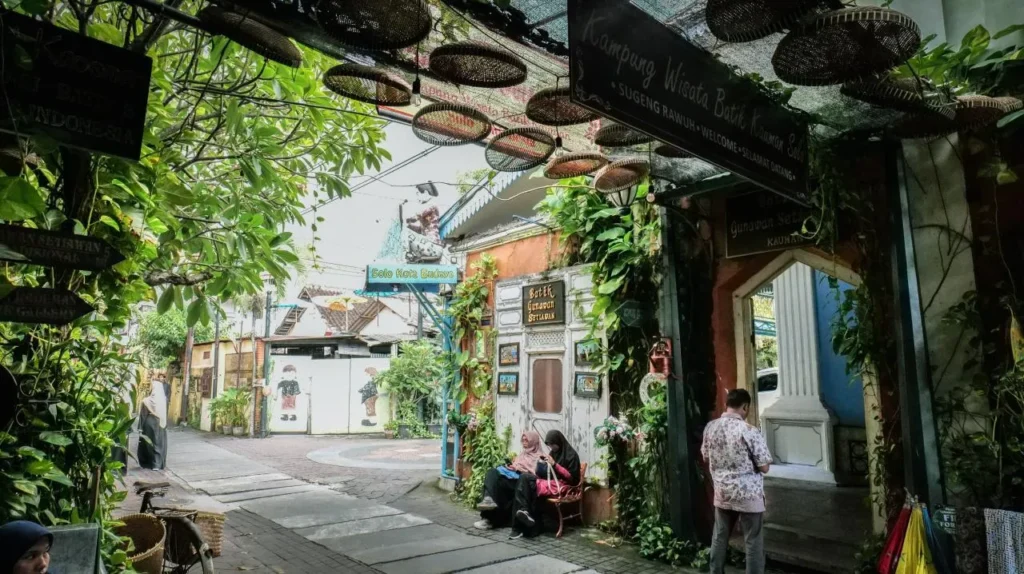
Historically a residential area for abdi dalem, Kampung Batik Kauman is one of Solo’s batik villages closely connected to the royal court. Batik produced in Kauman is strongly influenced by classical Javanese styles and motifs associated with the Keraton.
Today, Kauman has developed into a well-known craft village in Surakarta, where visitors can discover and engage with the local batik community through production houses, showrooms, museums, and hands-on workshops. Its proximity to major destinations such as the Kasunanan Surakarta Palace, the Great Mosque, and Pasar Klewer also makes it a spotless addition to a heritage itinerary.
- Operating Hours: 9 AM – 6 PM
- Entrance Fee: Free
Kampung Batik Laweyan
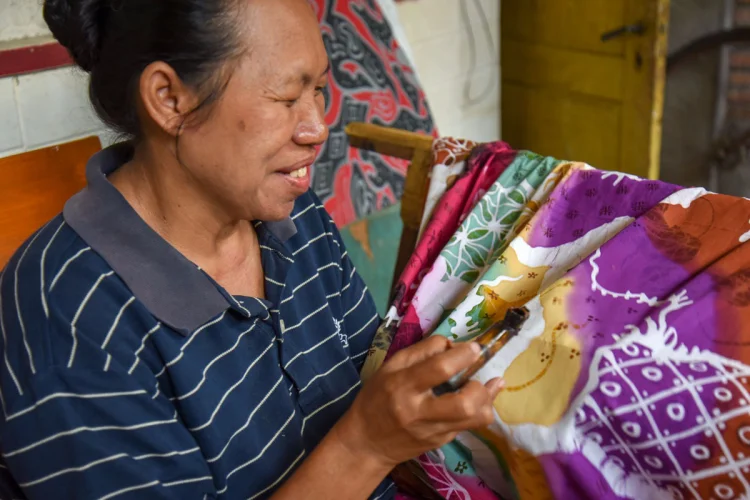
Laweyan is one of the oldest batik neighborhoods in Solo. Its identity is rooted in the growth of batik merchants and artisans, which gradually transformed the area into a key batik centre.
Old merchant houses, narrow lanes, high walls, and a blend of architectural influences define Laweyan’s distinctive character. More than just a place for sightseeing and shopping, the neighbourhood also offers opportunities to join batik workshops and learn about the craft directly from local makers.
- Operating Hours: 8 AM – 8 PM, may vary between businesses.
- Entrance Fee: Free
Kampung Blangkon Potrojayan
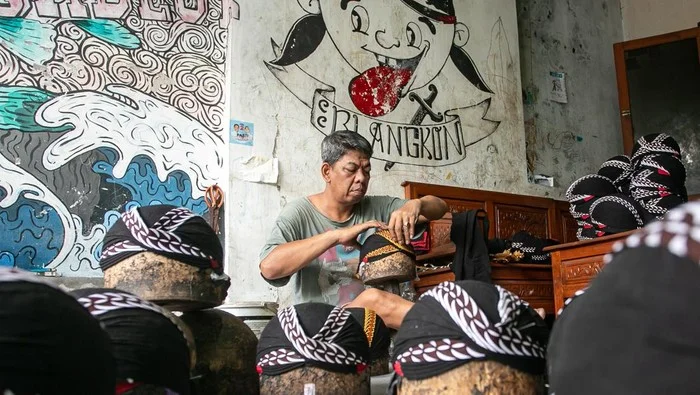
The story of Kampung Blangkon Potrojayan can be traced back to the 1970s. After Mbah Joyo, an experienced Keraton blangkon artisan, moved to Kampung Potrojayan, the neighbourhood gradually began to develop into a centre for blangkon production.
Decades later, Potrojayan has established a reputation as a sentra blangkon, where an important part of traditional Javanese clothing and cultural identity continues to be made. Visitors are welcome to observe the production process, learn about different shapes and motifs, and purchase a blangkon if products are available.
- Operating Hours: 8 AM – 4 PM
- Entrance Fee: Free
Jayengan Kampoeng Permata
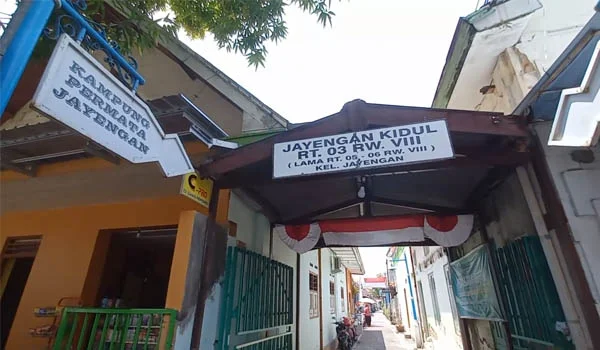
Along with Javanese batik and blangkon, one craft village in Surakarta is also active in the gemstone jewelry industry. Step into Jayengan Kampoeng Permata, a neighbourhood with roots in the Banjar community, whose residents were involved in diamond processing and jewellery trading from the 19th century. A visit here offers an opportunity to discover those stories through a stroll around the neighbourhood, conversations with local artisans, and the chance to purchase a piece of jewellery
- Operating Hours: 10 AM – 5 PM (Sunday closed)
- Entrance Fee: Free
Kampung Joho / Joho Kampoeng Hepi
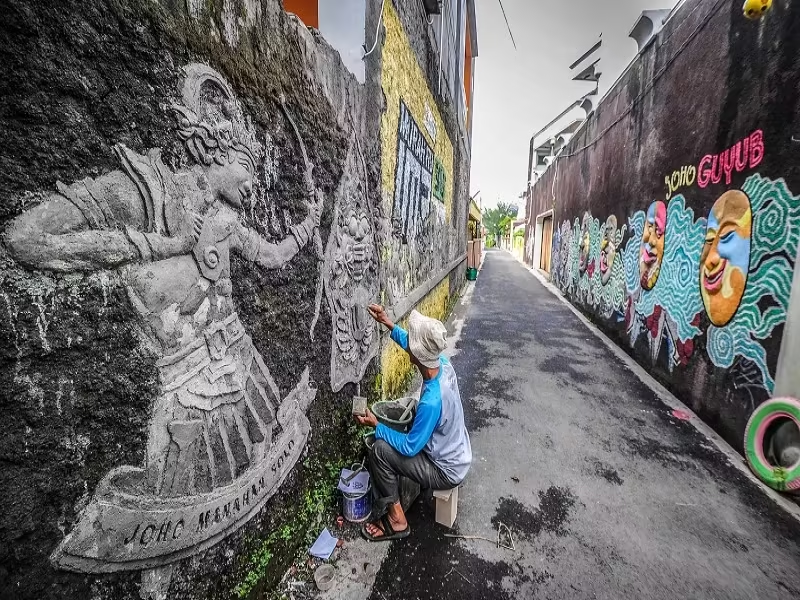
Not every creative neighborhood in Solo is centred on a single traditional craft. Joho Kampoeng Hepi is better understood as a community-based and thematic neighbourhood where local creativity, public spaces, and community activities form part of the visitor experience.
What defines the area most are its murals and reliefs. More than simply being visually appealing, these artworks tell stories about local history, communicate meaningful messages, and serve as informal educational platforms.
Solo’s Shuttlecock Craft Village
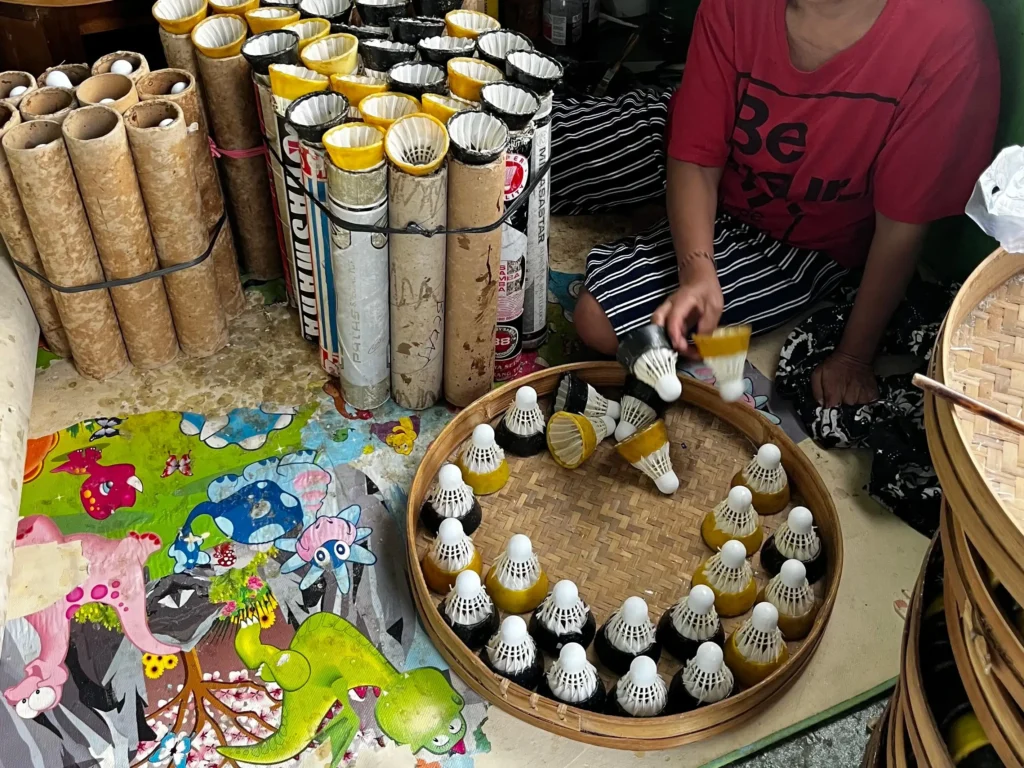
In Serengan, a local craft industry has developed around the production of shuttlecocks. Beginning around 1975, some residents learned the necessary skills and began producing shuttlecocks. This industry has gradually spread throughout the region and now consists of 15 small-scale home-based businesses. As of now, Serengan is still best approached as a hidden local craft industry rather than a conventional tourist attraction.
Tips for Exploring Craft Villages Respectfully
When visiting these residential-based destinations, it’s important to be respectful all the time. A little consideration can make your visit more comfortable for both you and the local community.
- Ask before taking photographs.
Always seek permission before photographing artisans, residents, or active production areas. - Do not enter homes or workshops without permission.
A craft village may be open to visitors, but individual homes and workspaces remain private. - Respect the neighbourhood.
Keep noise low and avoid blocking narrow streets or entrances while exploring. - Support local artisans.
If you find a product you like, consider purchasing directly from local makers or businesses whenever possible. - Dress appropriately.
Some craft villages are closely connected to Solo’s royal and cultural traditions, so modest clothing is recommended.
Frequently Asked Questions
What is the most famous craft village in Solo?
Kampung Batik Kauman and Kampung Batik Laweyan are arguably the best-known craft villages in Solo.
What is Kampung Batik Kauman known for?
Kampung Batik Kauman is known for its traditional batik production and its historical connection to the Kasunanan Surakarta Palace.
What can you do in Kampung Batik Kauman?
Visitors can wander around the historic neighbourhood, browse batik products, visit local showrooms, and join workshops to learn the basics of making batik where available.
How much is the entrance fee to Kampung Batik Laweyan?
Kampung Batik Laweyan doesn’t generally function like a conventional attraction with a single entrance ticket. However, individual museums, workshops, and activities may apply their own fees.
What is the difference between Kauman and Laweyan?
Both are historic batik communities, but they grew up around different social and economic backgrounds. Kauman has a strong connection to the Kasunanan royal court and its traditional batik culture, while Laweyan became known for its batik merchants and commercial success.
Exploring a craft village in Surakarta offers more than an opportunity to shop for traditional products. These neighbourhoods reveal how craftsmanship has become intertwined with local history, community life, and the everyday economy of Solo.
If you want to see more of Solo’s craft traditions, explore our guide to Laweyan Batik Village, Kauman, or discover the broader batik insight.