

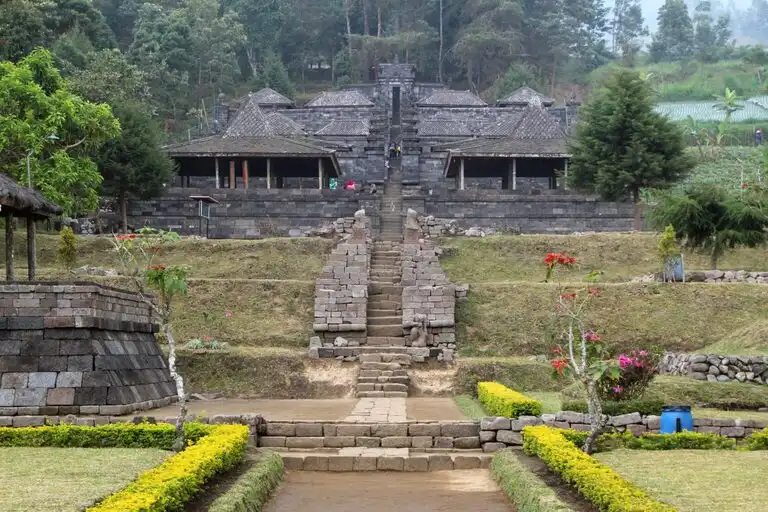
The ancient heritage of the Majapahit Kingdom continues to make Central Java a fascinating destination for history and culture enthusiasts. Among its remarkable remnants is Cetho Temple, a sacred site that blends ancient architecture with living Hindu traditions.
Table of Contents
Perched on the western slope of Mount Lawu in Karanganyar, Cetho Temple is one of the few ancient temples in Central Java that remain active Hindu places of worship. Visitors can immerse themselves in the misty mountain landscape while exploring its historic relics, as Hindu devotees continue to come here to pray, meditate, and perform rituals for spiritual protection.
What Is Cetho Temple?
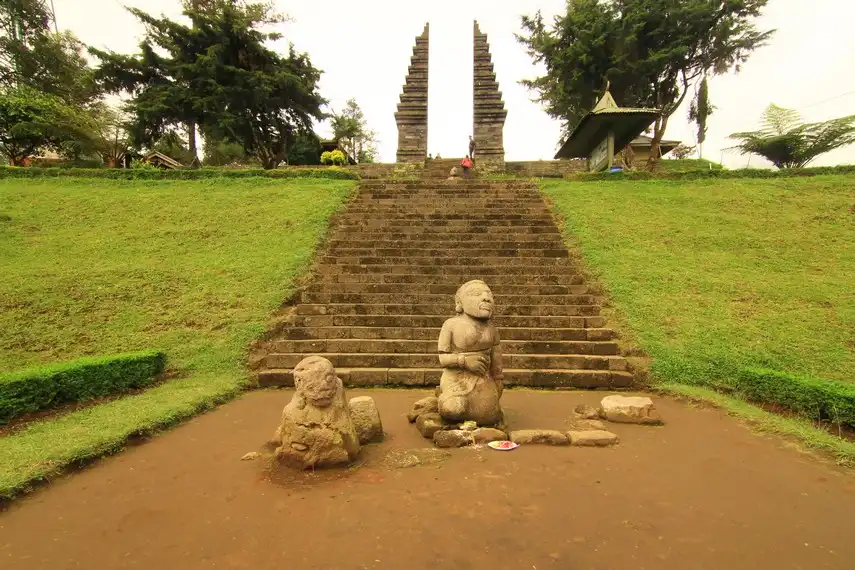
Sitting at an elevation of around 1,496 meters above sea level, Candi Cetho is a 15th-century Hindu-Javanese temple complex located in Karanganyar Regency, Central Java. Unlike many historical temples preserved primarily as archaeological sites, Cetho Temple remains an active place of worship for Hindus today.
Alongside its lush views of Mount Lawu and year-round cool mountain climate, Cetho Temple is best known for its distinctive terraced, punden berundak architecture. Visitors gradually ascend through a series of courtyards, each leading toward increasingly sacred spaces. This reflects a distinctive layout rarely seen in other Javanese temples.
The Story Behind Cetho Temple
Cetho Temple is believed to have been built during the late Majapahit period, between 1451 and 1470, around the reign of Brawijaya V. Based on historical inscriptions and research, the temple was built as a place for ruwatan, a purification ritual intended to restore spiritual balance during a period marked by social and political turmoil.
The name “Cetho” is thought to come from the village it’s located in Desa Cetho. In Javanese, the term also means “clearly visible” or “apparent,” fitting its elevated location where the surrounding landscape can stretch clearly into view on a bright day. The name feels even more fitting today, as Cetho continues to host Hindu ceremonies and remains a living place of worship, allowing visitors to witness traditions that have endured for centuries.
What Makes Cetho Temple Unique?
Terraced Architecture
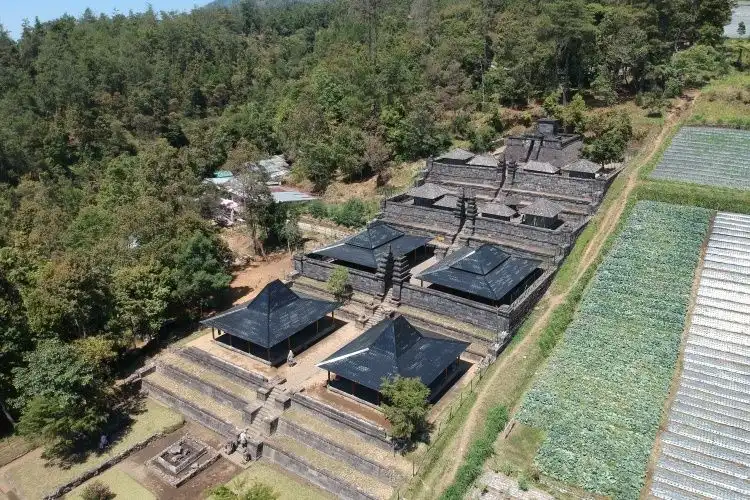
One of the most distinctly captivating features of Cetho Temple is its terraced architecture. This defining structure reflects the Javanese concept of punden berundak, symbolizing a spiritual journey from the earthly realm toward higher levels of purity. It also differs Cetho to many other Hindu temples in Java which typically boasts a wide landscape with a towering central structure.
Still an Active Hindu Temple
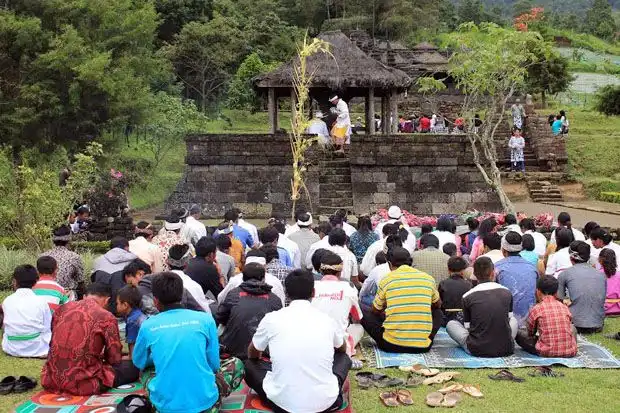
Cetho Temple invites visitors not just to wander around a historical site, but one that’s an active Hindu sanctuary. Religious ceremonies are still held throughout the year, particularly during important Hindu celebrations.
Mountain Setting and Sunrise Views
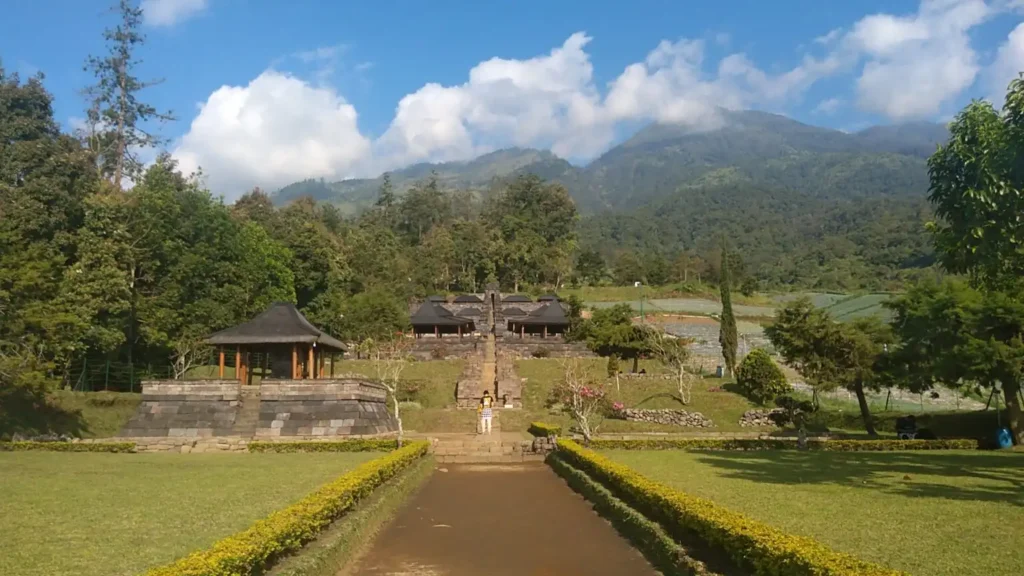
Cetho’s location on Mount Lawu is part of its appeal. The cooler mountain air, surrounding tea plantations, and rolling hills create a peaceful atmosphere that feels worlds away from the city below. Early mornings are especially popular among photographers, offering photogenic views across the temple terraces and surrounding landscape.
What to See Inside Cetho Temple
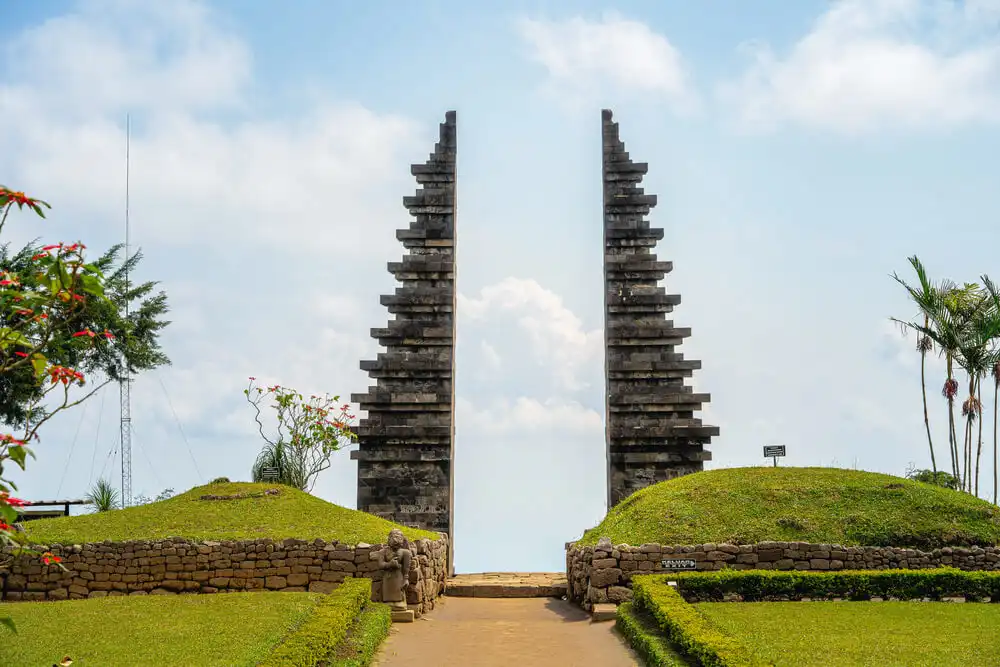
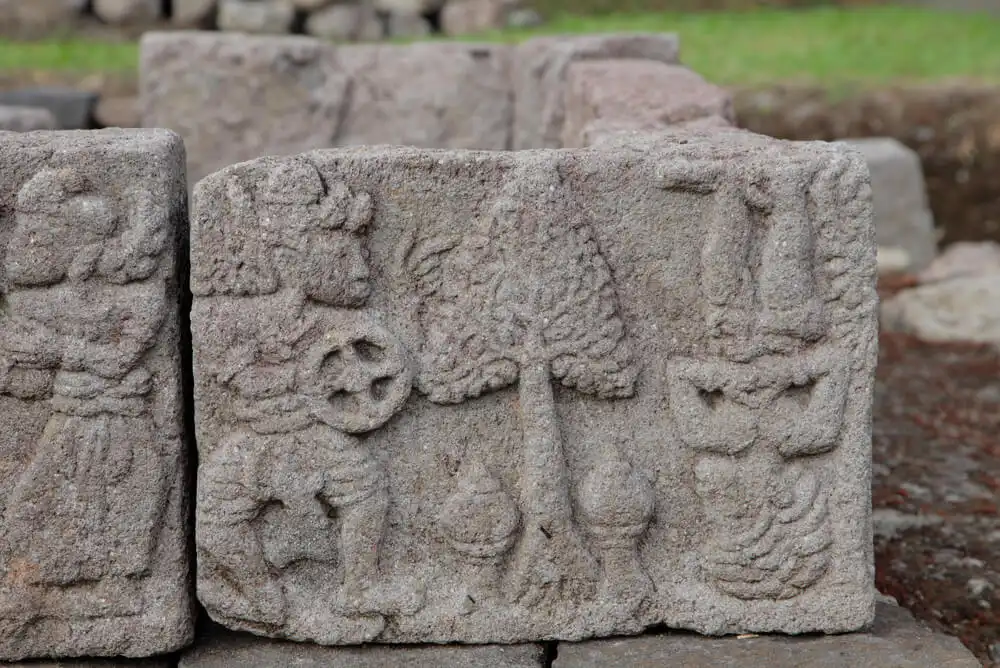
Of the 14 original terraces, only nine have been restored and are accessible to visitors. Exploring the complex means ascending through a series of stepped levels, each revealing different architectural features and symbolic elements. At the entrance, a large gate, also known as gapura, welcomes visitors, followed by stone arrangements depicting a tortoise and scenes from the Samudramanthana and Garudeya stories on the third and fourth terraces, respectively.
The ninth and highest terrace, however, is not open to visitors at all times. Its entrance is marked by a locked gate, which is only opened during special occasions, including Hindu prayer ceremonies. This restricted access adds another layer of sacredness to the temple’s uppermost space.
Planning Your Visit to Cetho Temple
Location and How to Get There
Cetho Temple is located in Ceto Hamlet, Gumeng Village, Jemawi Subdistrict, Karanganyar Regency, Central Java, specifically on the slopes of Mount Lawu. To get there, visitors must navigate an uphill road with some fairly sharp turns. From Solo, the trip can take about 1.5 to 2 hours. Make sure your vehicle is in top condition to ensure a smooth trip.
- Operating Hours: 7.30 AM – 4.30 PM
- Domestic Visitor Entrance Fee: IDR 15,000
- Foreign Visitor Entrance Fee: IDR30,000
- Car Parking Fee: IDR10,000
- Motorcycle Parking Fee: IDR3,000
Frequently Asked Questions
Is Candi Cetho Still Used for Worship?
Yes, Cetho Temple remains an active Hindu place of worship, and religious ceremonies continue to take place throughout the year alongside tourism activities.
What Does “Cetho” Mean?
The name “Cetho” is commonly interpreted as meaning “apparent” in Javanese, reflecting the temple’s highland setting.
Who Built Candi Cetho?
While the exact individual who commissioned its construction remains uncertain, Cetho Temple is believed to have been built during the late Majapahit period, between 1451 and 1470, around the reign of Brawijaya V.
While it may be quieter than some of Java’s more famous temples, Cetho Temple offers an equally memorable glimpse into the island’s spiritual and cultural heritage. Its terraced architecture, living Hindu traditions, and breathtaking Mount Lawu scenery create an experience that feels both historic and deeply alive.
And the highlands of Karanganyar have another remarkable site waiting to be explored. Let’s discover Sukuh Temple, a natural continuation of your heritage journey and a perfect addition to your list of things to do in Surakarta.