

In the late 13th century, a new kingdom emerged in East Java and monumentally developed into one of the most influential political powers in the history of the Indonesian archipelago. It was known as the Majapahit Kingdom.
Table of Contents
Founded by Raden Wijaya, Majapahit was historically recorded as possessing immense political and trade power over most of Indonesia, extending even to some parts of the wider Southeast Asian region. That height occurred specifically during the reign of King Hayam Wuruk and prime minister Mahapatih Gajah Mada.
Let’s take a closer look at the history, expansion, and legacy of the Majapahit Kingdom.
What Was the Majapahit Kingdom?
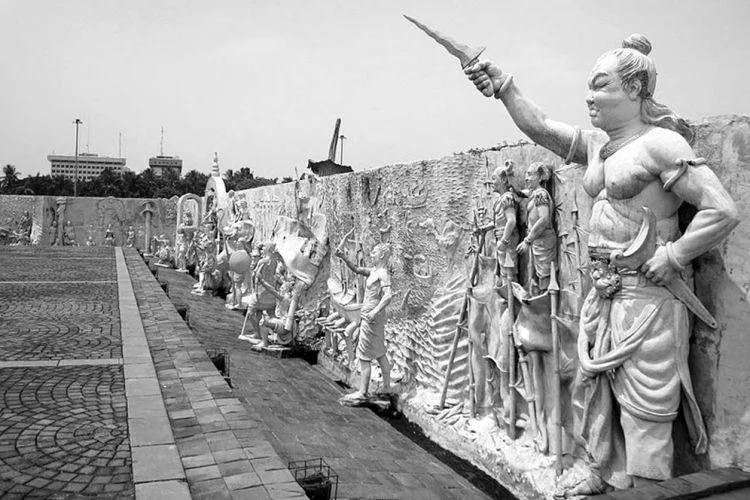
Majapahit was a Hindu-Buddhist kingdom that emerged in 1293. The origins of this kingdom can be traced back to the clearing of the Tarik Forest in Mojokerto, East Java.
Its founder, Raden Wijaya, was connected to the ruling family of the Singasari Kingdom, which had fallen after Jayakatwang of Kediri launched an invasion. As Raden Wijaya fled, the Mongols arrived in Java with a mission to avenge Kertanegara, only to discover that he had already been killed.
Raden Wijaya then took advantage of the conflict involving the Mongols and rebelled against Jayakatwang before turning against the Mongols themselves. He subsequently established his own kingdom, which later became known as Majapahit.
The name Majapahit is said to have originated from a bitter fruit found by Raden Wijaya and his forces while clearing the Tarik Forest. When their food supplies ran out, they ate the fruit of the maja tree, which reportedly tasted bitter, or pahit in Indonesian. The combination of maja and pahit is therefore believed to have inspired the name Majapahit.
The Rise of Majapahit
Raden Wijaya and the Founding of Majapahit
The founding of the Majapahit Kingdom by Raden Wijaya was closely linked to the collapse of the Singasari Kingdom and the arrival of the Mongols in Java. While he was in hiding, plotting to seize power from Jayakatwang, Raden Wijaya found himself in a golden opportunity to pretend to be an ally of the Mongols.
After the Mongols helped him defeat Jayakatwang, Raden Wijaya turned against his former allies, forcing them to retreat from Java. He then established the Majapahit Kingdom in 1293 under the title Kertarajasa Jayawardhana.
Hayam Wuruk and Gajah Mada
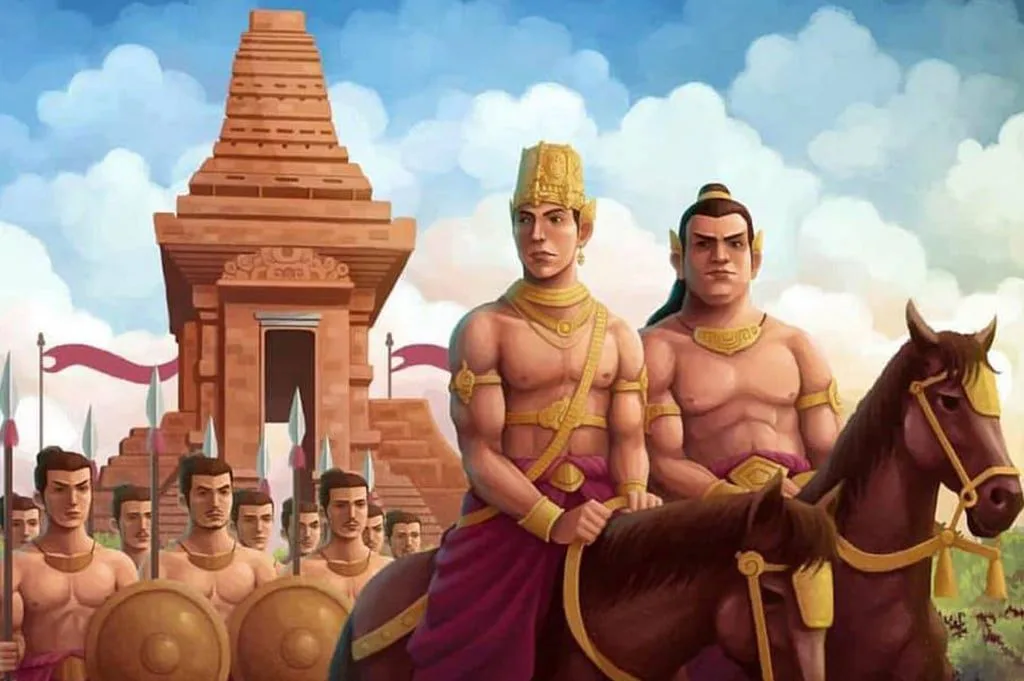
In the mid-14th century, the Majapahit Kingdom reached its most prominent period under the leadership of Hayam Wuruk. Ruling from 1350 to 1389, Hayam Wuruk presided over a period when Majapahit’s political influence reached much of its historical extent.
He was supported by Gajah Mada, the kingdom’s influential mahapatih. Gajah Mada is particularly associated with the political ambition to bring various parts of Nusantara into Majapahit’s sphere of influence. His famous Sumpah Palapa, recorded in the Pararaton, mentions a number of regions that he sought to bring under Majapahit’s influence.
During this period, Majapahit’s influence extended to various parts of the archipelago. Bali, Sumatra, the Malay Peninsula, and areas farther east appear in historical sources associated with the kingdom’s political and diplomatic networks.
How Powerful Was Majapahit?
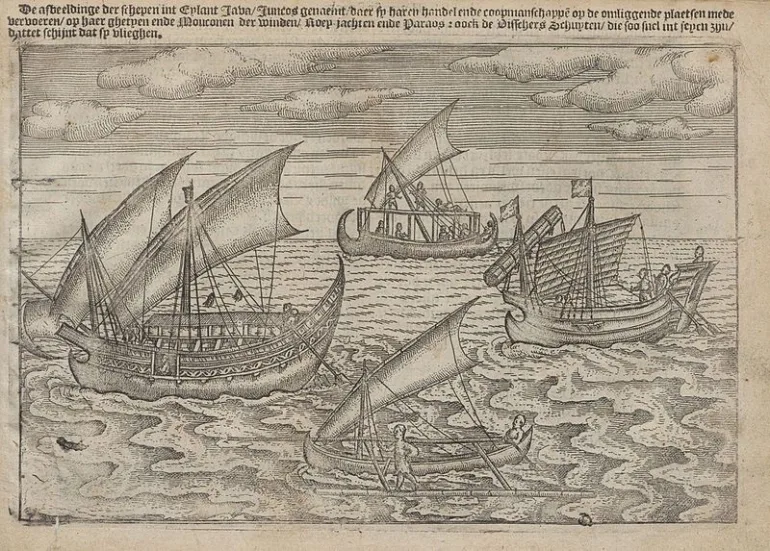
Majapahit’s power stemmed from more than its military campaigns. Under Hayam Wuruk and Gajah Mada, the kingdom developed an extensive political network while maintaining connections with different regions across the archipelago and Southeast Asia
Its economic strength was also supported by agriculture and trade. Located near the Brantas River system, the Majapahit heartland benefited from fertile agricultural areas, while coastal ports and trading centers such as Gresik, Surabaya, and Canggu supported commercial and maritime activity.
Majapahit therefore became a major political and economic power in Java, with connections extending across Sumatra, Kalimantan, Bali, Nusa Tenggara, Sulawesi, the Moluccas, and parts of the Malay Peninsula. Historical sources describe these relationships in different ways, ranging from political allegiance and tribute to trade and diplomacy, rather than a single system of direct territorial control.
How Large Was the Majapahit Empire?
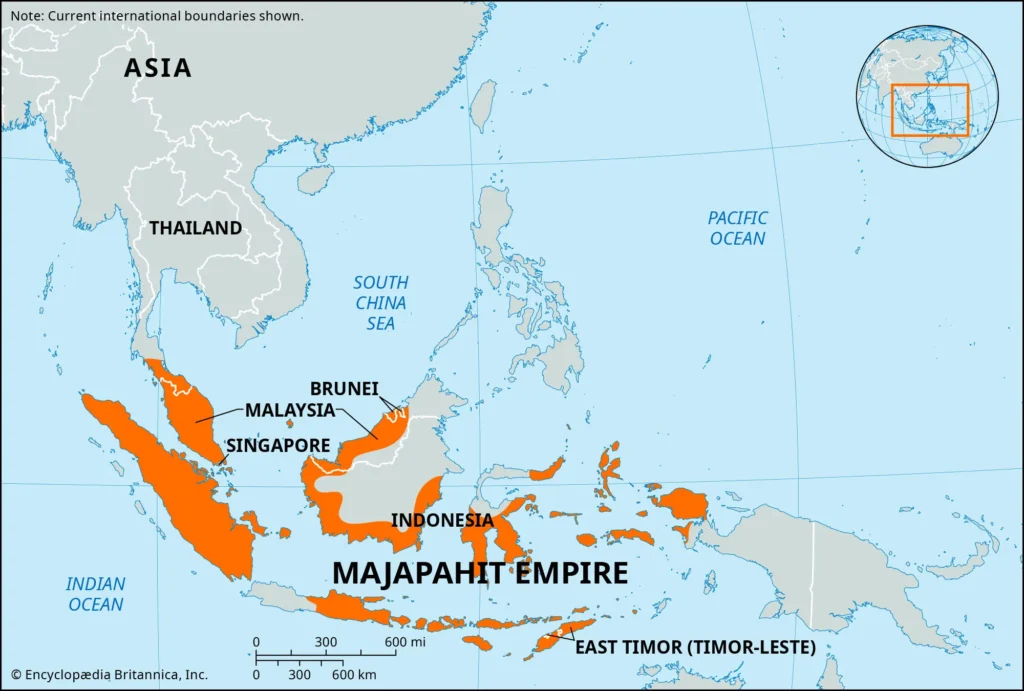
The size of Majapahit’s empire is difficult to measure using modern ideas of national borders. Historical sources describe a large network of territories and political relationships, but not all places mentioned in Majapahit sources were necessarily under direct administration.
The Nagarakretagama, a 14th-century Javanese court poem written by Mpu Prapanca, contains an extensive list of regions associated with Majapahit’s sphere of influence. These included areas in Sumatra, the Malay Peninsula, Borneo, Bali, Nusa Tenggara, Sulawesi, and the Moluccas, as well as places beyond the core Nusantara region such as Tumasik and parts of the Malay Peninsula.
Religion and Society in Majapahit
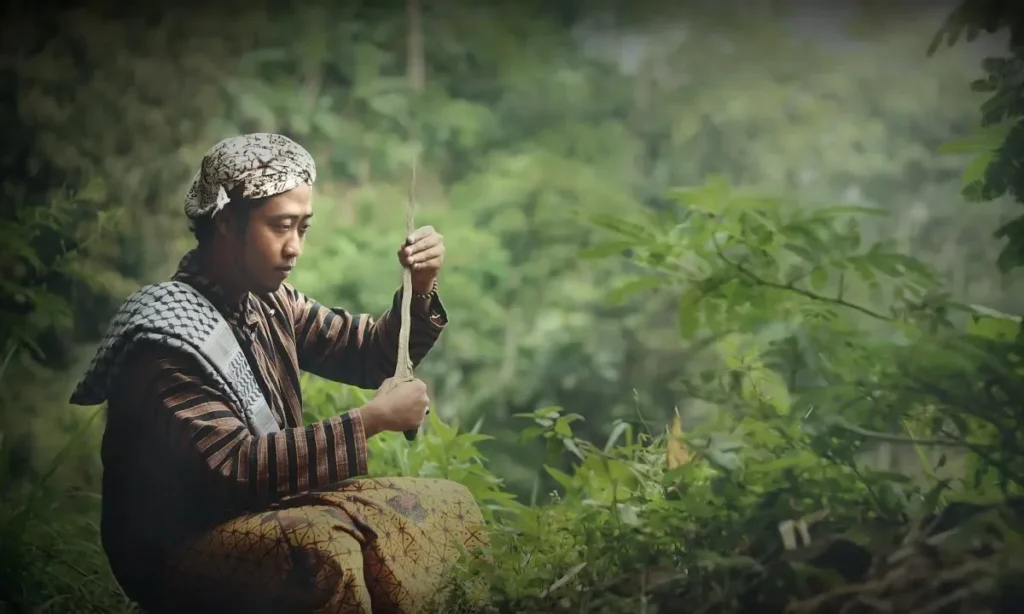
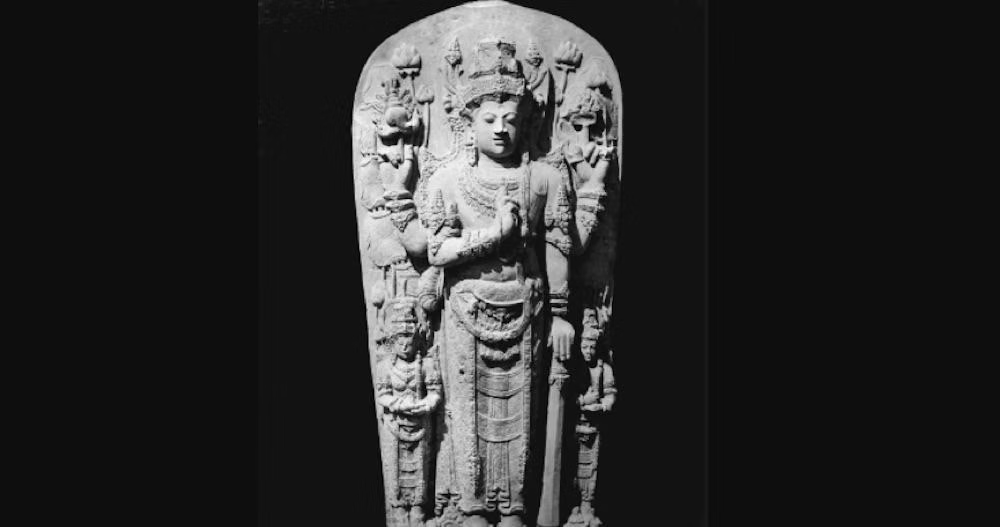
Majapahit is generally known as a Hindu-Buddhist kingdom, but the religious life of its society was also characterized by elements of syncretism. Various cultural traditions and beliefs existed alongside one another, creating a religious landscape that was closely intertwined with local customs and traditions.
Additionally, the kings and other members of the royal elite were often regarded as spiritual figures. Their ability to maintain harmony among different beliefs earned them great respect among the people, eventually creating a culturally rich society.
Why Did Majapahit Decline?
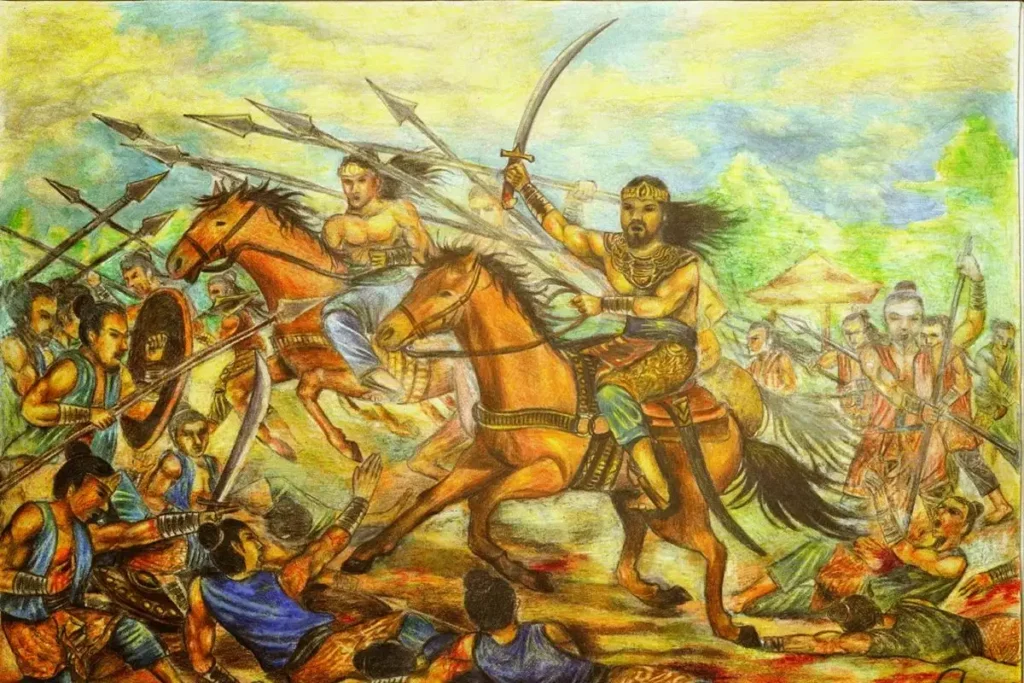
There was no single event that caused Majapahit’s decline by the late 15th and early 16th centuries. Instead, its weakening was a gradual process. After the death of Hayam Wuruk in 1389, the kingdom faced political difficulties, including disputes over succession and conflicts within the royal family—one of the most major being the Paregreg Civil War in the early 15th century.
At the same time, Majapahit faced growing competition from Muslim communities and emerging political powers along Java’s regional trade routes. The rise of new trading centers and Muslim-led polities, including Demak, gradually shifted the political and economic landscape of Java and contributed to the weakening of Majapahit’s influence.
The Legacy of Majapahit in Java Today
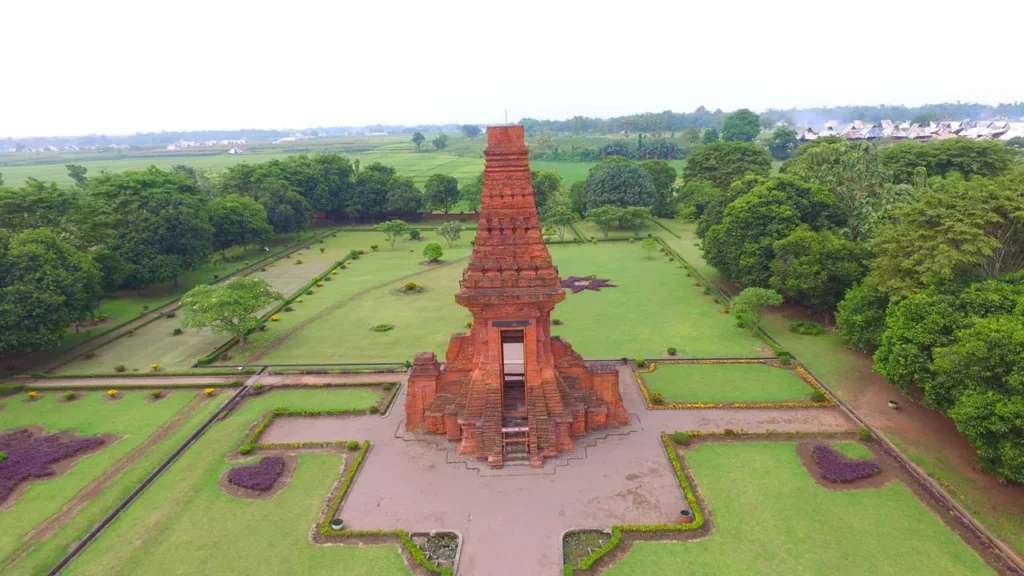
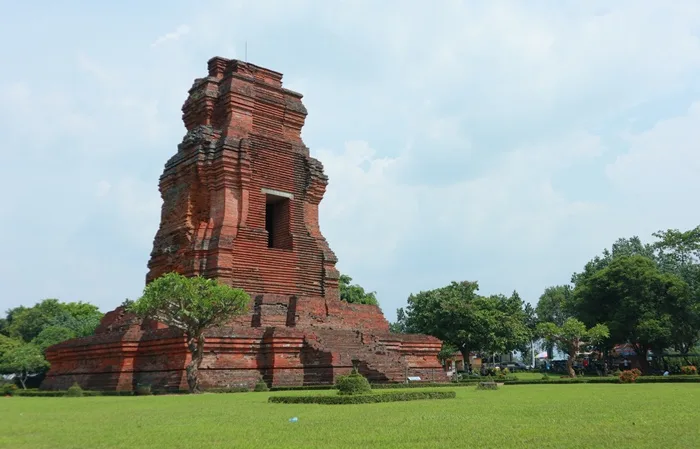
Although the Majapahit Kingdom no longer exists as a political entity, its legacy endures throughout Java, particularly in East Java. The Trowulan archaeological site in Mojokerto is one of the most important places for exploring this history and has been identified as the site of the former capital of Majapahit.
Trowulan contains numerous archaeological artifacts related to the Majapahit era such as Brahu Temple, Tikus Temple, Bajang Ratu Temple, Kedaton Temple, and Segaran Pool.
Majapahit’s influence also continued through later Javanese historical traditions. Later kingdoms often connected their royal genealogies to the Majapahit dynasty, including one surrounding Raden Patah and the Demak Sultanate, as well as the Mataram Islam Kingdom.
The history of the Majapahit Empire may at first seem like simply a story of territorial expansion. Looking closer, however, reveals a much richer and longer story of how the kingdom shaped the political landscape, cultural traditions, and historical identity of Java and the wider Indonesian archipelago.