

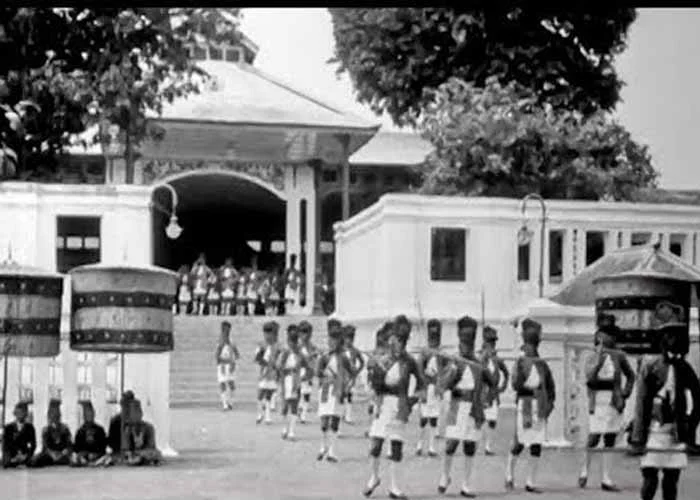
The island of Java was once home to several influential kingdoms. Interestingly, each played a different role in shaping the island’s history as well as that of the wider Indonesian archipelago.
Table of Contents
Their roles also differed depending on the period in which they existed, with their influence continuing to shape Java and Indonesia in different ways over time. Some, such as Majapahit and Demak, belong to much earlier periods and left long-lasting political, religious, and cultural legacies. Others, particularly the royal courts that still existed in the 20th century, had a more direct relationship with the Indonesian Republic after independence was proclaimed in 1945.
From Javanese Kingdoms to the Indonesian Republic
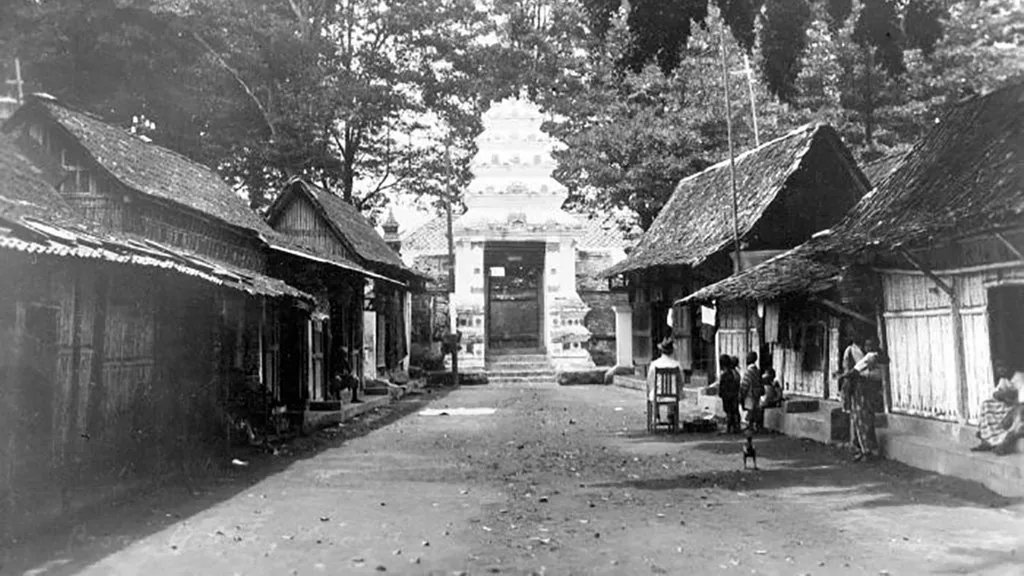
The history of Javanese kingdoms is by no means brief. Over the centuries, political centers and ruling dynasties changed considerably. A simplified timeline can help illustrate this transformation:
Majapahit (1293 – 1527)
↓
Demak (1478 – 1549)
↓
Mataram (1586 – 1755)
↓
Yogyakarta & Surakarta (1755 – present)
↓
Indonesian Republic (1945 – present)
This periodical timeline doesn’t imply that one form of government directly became the next. Each kingdom stood as a distinct political entity with its own territory, institutions, rulers, and historical circumstances.
Majapahit’s Legacy: Historical Ideas of Java and the Archipelago
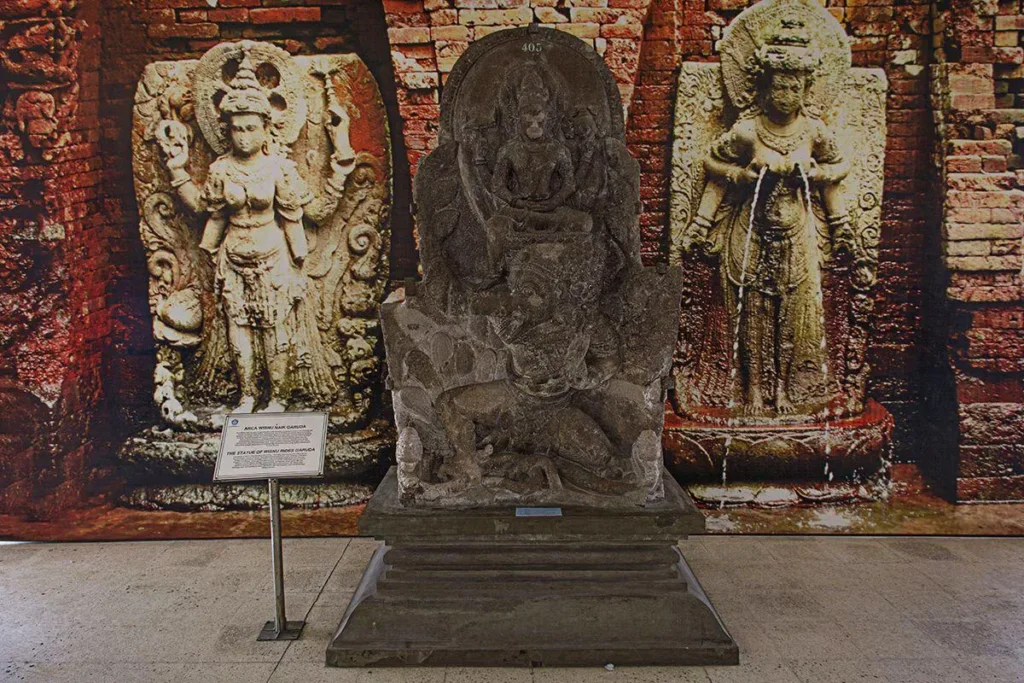
Centered in East Java, Majapahit is often remembered as one of the most significant kingdoms in the history of the Indonesian archipelago. The kingdom reached its height during the 14th century, particularly under the reign of Hayam Wuruk and the influence of Gajah Mada.
To describe Majapahit as the direct predecessor of Indonesia, however, can be misleading. The kingdom existed within a very different political system from the modern Indonesian nation-state. That being said, its history later became an important reference point in discussions about the unity and political geography of the archipelago.
In the early 20th century, Indonesian nationalists sometimes looked to Majapahit’s past as an example of a powerful polity associated with a wide geographical sphere. Gajah Mada’s famous Palapa Oath, which expressed the ambition to bring various regions of Nusantara under Majapahit’s influence, was later reinterpreted in the context of Indonesian nationalism.
Demak and the Islamic Legacy of Java
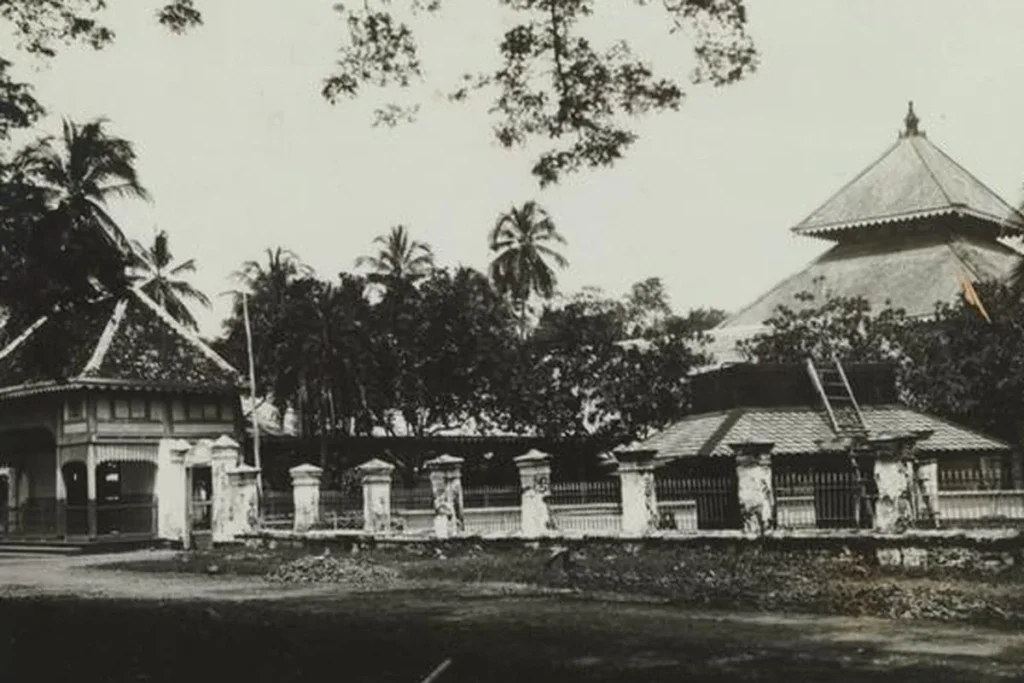
The Demak Sultanate emerged during a transitional period as the Majapahit Kingdom was declining, around the late 15th and early 16th centuries. It became one of the earliest major Islamic political powers in Java and played an important role in the development and spread of Islam across the island.
Demak is also closely associated with the Wali Songo, the nine figures traditionally regarded as important Islamic missionaries in Java. Their legacy is often associated with an approach to spreading Islam that incorporated elements of local culture and traditions.
Demak’s significance extended beyond its own period of political power. After its decline, political authority shifted toward Pajang and later Mataram. These Islamic kingdoms continued the development of religious institutions, political networks, and cultural traditions that had emerged during the broader Islamization of Java.
Mataram’s Political Legacy and the Javanese Royal Courts
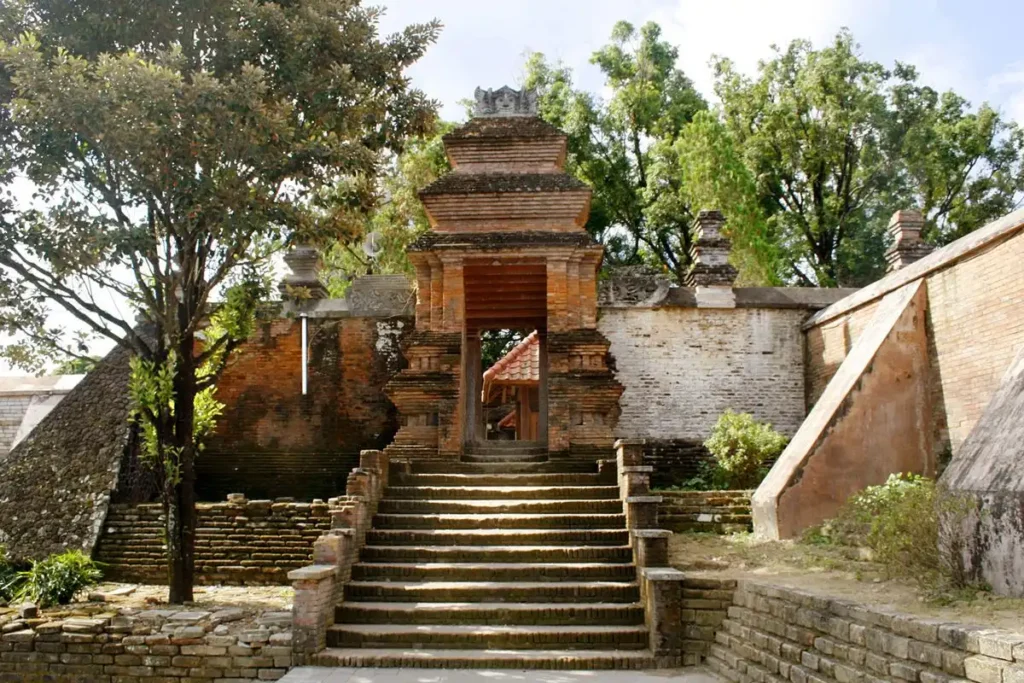
While the political power of Demak eventually disappeared, Mataram had a more lasting institutional legacy. The Mataram Sultanate became a major political power in Central Java, particularly during the reign of Sultan Agung in the 17th century.
Over the following decades, however, succession disputes, internal conflicts, and the growing influence of the Dutch East India Company contributed to the fragmentation of Mataram. This eventually led to the Treaty of Giyanti in 1755, which divided Mataram into two main political entities: the Kasunanan Surakarta and the Kasultanan Yogyakarta.
Two years later, the establishment of Mangkunegaran created another political center within the Surakarta sphere. Meanwhile, Pakualaman was established within the Yogyakarta sphere in 1813.
The four royal institutions developed their own political histories, territories, and relationships with surrounding powers. Nevertheless, they shared a broader connection to the legacy of Mataram and became important centers of Javanese court culture until present day.
Yogyakarta and Its Decision to Join the Republic
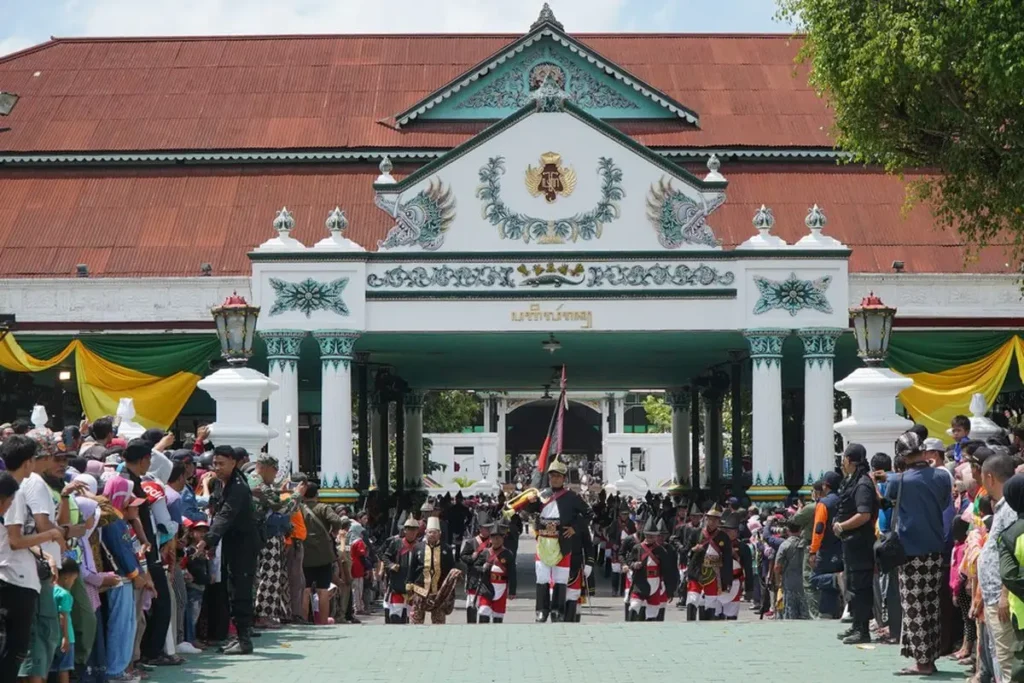
Yogyakarta is one of the Javanese royal courts that had a direct political relationship with the Indonesian Republic. Following the earlier division of Mataram and the establishment of Pakualaman, Yogyakarta continued to exist as a distinct political entity under its own royal government.
Following Indonesia’s proclamation of independence in 1945, Sri Sultan Hamengku Buwono IX and Sri Paku Alam VIII expressed their support for the Republic through the declarations of 5 September 1945.
The declarations affirmed that the Kasultanan Yogyakarta and Kadipaten Pakualaman were part of the Republic while retaining their status as special regions. This decision became an important foundation for Yogyakarta’s distinctive relationship with the Indonesian state.
Today, Yogyakarta continues to hold the legal status of a special region, known as the Daerah Istimewa Yogyakarta.
Yogyakarta as the Republican Capital
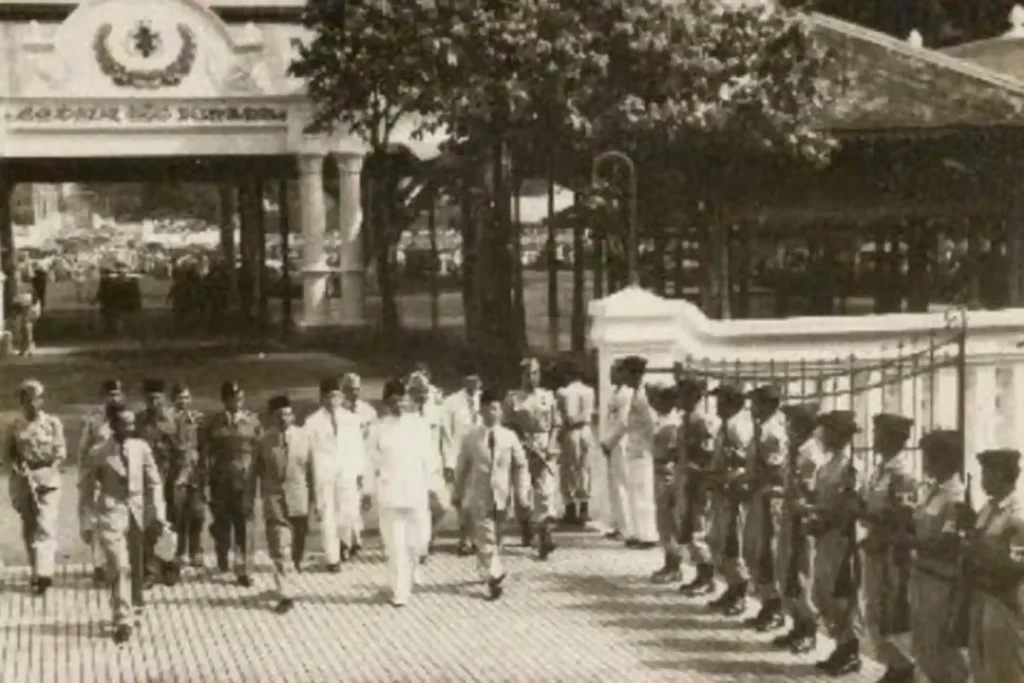
Following its decision to join the Republic, Yogyakarta gained another important role by becoming the temporary capital of Indonesia during the revolutionary period.
After independence was proclaimed, Jakarta faced increasing political and military pressure from the returning Dutch forces. Against this backdrop, Sri Sultan Hamengku Buwono IX and Sri Paku Alam VIII offered Yogyakarta as a safer location for the Republican government.
On 2 January 1946, a letter was sent to the central government offering Yogyakarta as the location for the capital. President Soekarno, Vice President Mohammad Hatta, and other political leaders then travelled to Yogyakarta by train, arriving on 4 January 1946.
Yogyakarta subsequently served as the capital of the Republic until 1949. Gedung Agung became the presidential residence and an important site for the Republican government during this period.
Surakarta, Mangkunegaran, and the Early Republic
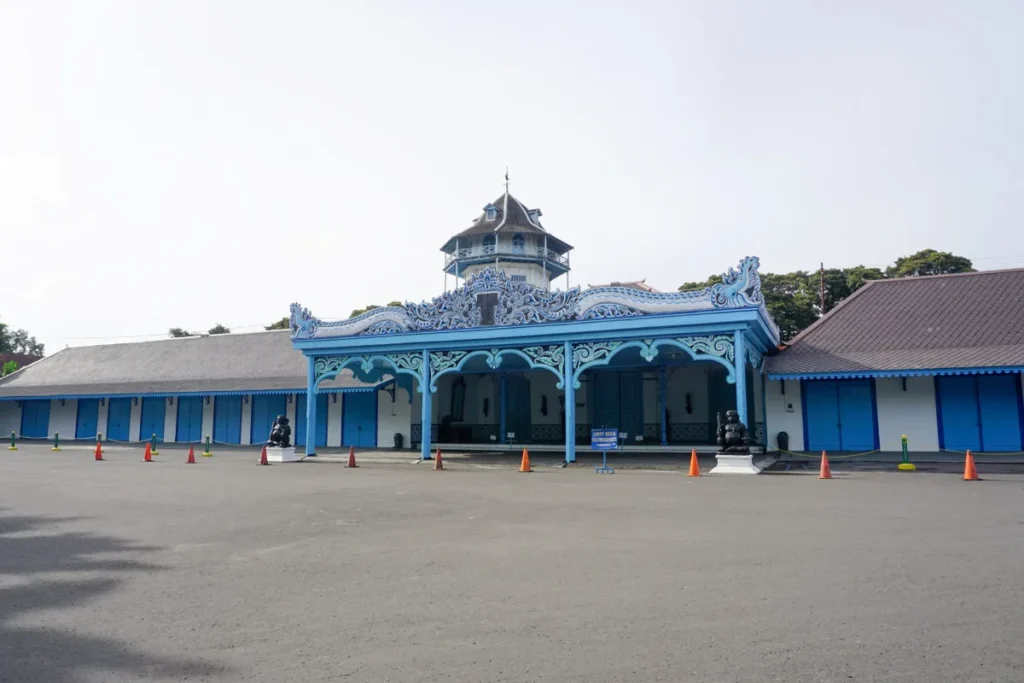
Surakarta experienced a rather different political relationship with Indonesia compared to Yogyakarta. Following independence, the Kasunanan Surakarta and Mangkunegaran were initially recognized within the Republican framework. A presidential charter issued on 19 August 1945 confirmed the positions of Pakubuwono XII and Mangkunegara VIII and recognized Kasunanan and Mangkunegaran as special regions within the Republic.
At the same time, however, political developments in Surakarta were more complicated. The establishment and strengthening of the Komite Nasional Indonesia Daerah (KNID) Surakarta created another source of political authority, while local groups pushed for changes to the existing political structure.
The resulting tensions reflected a wider conflict over the role of traditional aristocratic institutions in the new republican system. During 1945 and 1946, anti-swapraja movements became increasingly influential in Surakarta.
By 1946, the political authority of the Kasunanan and Mangkunegaran outside their palace institutions had substantially weakened. Surakarta was subsequently placed under a residency structure, ending its special regional government arrangement.
This highlights the difference between Surakarta and Yogyakarta. Despite both being Javanese royal institutions, their relationships with the post-independence Indonesian government developed in significantly different ways.
What Did These Kingdoms Contribute to the Republic?
The relationship between Javanese kingdoms and the Indonesian Republic took different forms. This ranges from political support and territorial integration to institutional, revolutionary, and cultural contributions.
| Type of Connection | Yogyakarta | Surakarta |
| Political Support | Sultan Hamengku Buwono IX and Paku Alam VIII declared their territories part of the Republic of Indonesia on 5 September 1945. | Initially recognized within the Republican framework, although its political arrangement later changed significantly. |
| Territorial Integration | Retained a distinctive position that eventually developed into the modern Daerah Istimewa Yogyakarta. | Became part of the regular administrative structure of Central Java after the political changes of 1946. |
| Institutional Support | Keraton Yogyakarta provided facilities and administrative resources during the early years of the Republic, including the use of Gedung Agung as the presidential palace during its role as the Republican capital. | Local Republican institutions, including the KNID Surakarta, became involved in the transfer of local authority during the early Republican period. |
| Revolutionary and Military Involvement | Sri Sultan Hamengku Buwono IX supported the relocation of the Republican government to Yogyakarta amid the deteriorating security situation in Jakarta. | Became a site of armed resistance during the Indonesian Revolution, including the Four-Day Battle of Solo (7–10 August 1949) led by Brigjen Slamet Riyade. |
| Cultural Legacy | Javanese court traditions, batik, performing arts, gamelan, dance, literature, and royal ceremonies. | Batik and textiles, wayang, gamelan, Javanese dance, literature, and Surakarta court traditions. |
Frequently Asked Questions
Which Javanese kingdoms supported Indonesian independence?
Yogyakarta and Surakarta were the clearest examples of Javanese kingdoms that supported Indonesian independence. In 1945, the rulers of Yogyakarta and Pakualaman formally declared their territories part of the Republic, while Kasunanan Surakarta and Mangkunegaran were also initially recognized within the Republican framework.
What happened to Javanese kingdoms after Indonesia became independent?
The Javanese kingdoms didn’t all experience the same outcome. Some royal institutions were incorporated into the Republic while retaining cultural or limited political roles. Yogyakarta retained a special regional status, while the political authority of Kasunanan Surakarta and Mangkunegaran was substantially reduced during 1946.
Why did Yogyakarta become part of Indonesia?
Yogyakarta became part of Indonesia following the decision of Sri Sultan Hamengku Buwono IX and Sri Paku Alam VIII to place their territories within the Republic. Their declarations of 5 September 1945 stated that the Kasultanan Yogyakarta and Pakualaman were special regions within the Republic of Indonesia.
The history of Javanese kingdoms cannot be reduced to a straight line leading from ancient kingdoms to modern Indonesia. Majapahit, Demak, Mataram, Yogyakarta, Surakarta, Mangkunegaran, and Pakualaman emerged in different political circumstances and had different relationships with the societies and governments around them.
However, their legacy continued to evolve long after their political structures changed or disappeared. Their influence can still be seen in the traditions, cultural practices, institutions, and historical identities of both Java and Indonesia today.
If you’re eager to learn more, let’s take a closer look at the once-thriving kingdoms of Java through our guides to the Majapahit to Mataram Kingdom.