

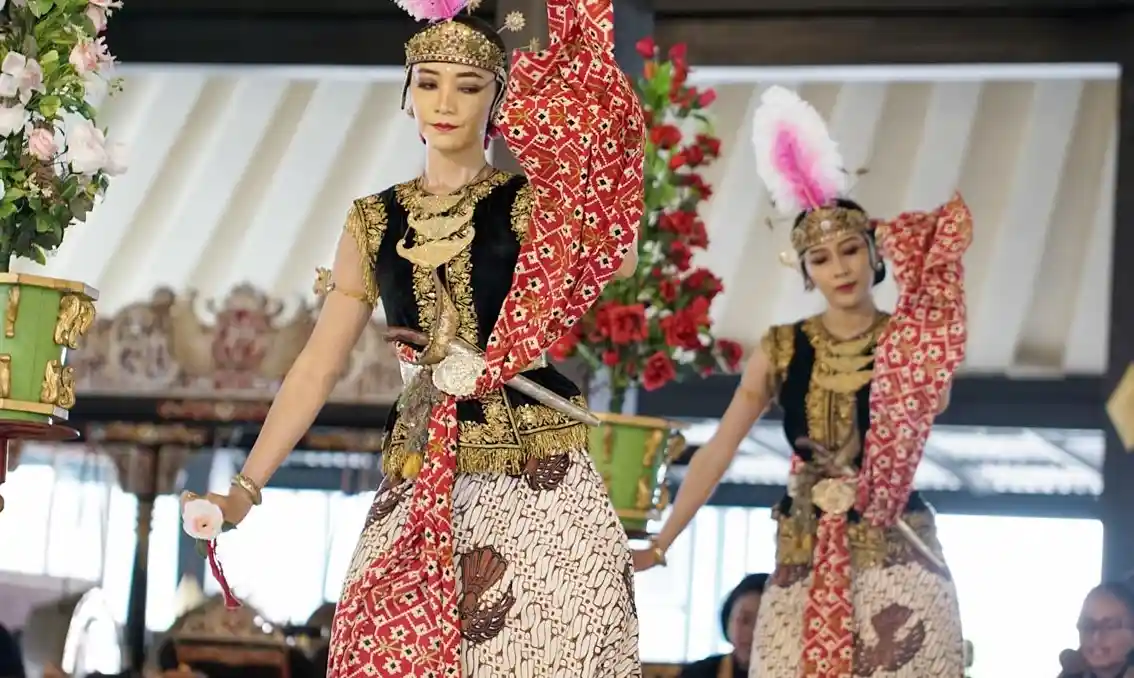
Serimpi Dance is one of the most graceful cultural treasures of Yogyakarta. Once performed exclusively within the royal court, Serimpi has gradually evolved into a performing art that can be appreciated by the wider public while maintaining its sacred essence.
Table of Contents
Serimpi, also written as Srimpi, is a classical Javanese court dance from the royal tradition of Yogyakarta and Surakarta. In Yogyakarta, it is typically performed by four female dancers with slow, refined movements, gamelan accompaniment, and symbolic choreography linked to balance, harmony, and court etiquette.
What is Serimpi Dance?
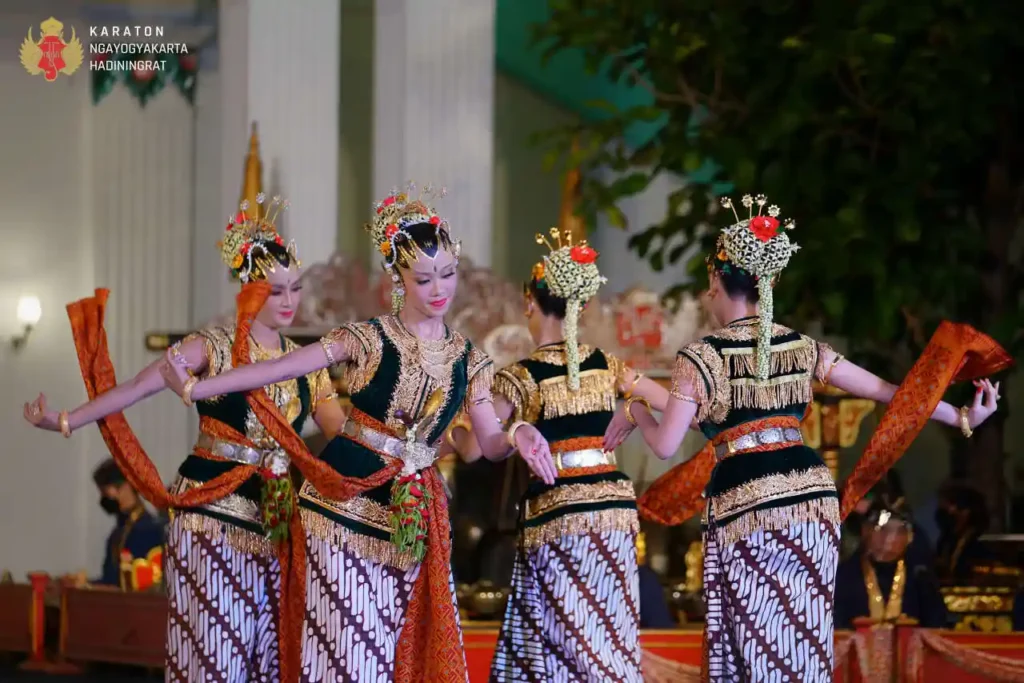
Serimpi is a classical Javanese court dance traditionally performed by four female dancers. Originating from the royal palaces of Java, particularly the Yogyakarta and Surakarta courts, the dance symbolizes the four elements of the universe fire, water, wind, and earth, in which the number of dancers. Once reserved exclusively for royal ceremonies, Serimpi is now occasionally performed for the public while retaining its sacred character.
The Sacred History of Serimpi
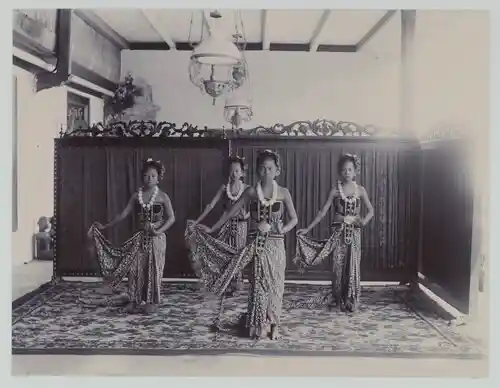
Serimpi Dance was developed during the era of the Mataram Sultanate. The art form flourished during the reign of Sultan Agung Hanyokrokusumo in the 17th century, a period often regarded as the golden age of classical Javanese culture.
The name “Serimpi” is believed to derive from the Javanese words semi (half) and impi (dream), reflecting the dance’s dreamlike quality and its connection to the spiritual realm. For centuries, Serimpi remained a highly exclusive art form, performed only within palace walls for royal ceremonies and special occasions. As cultural preservation efforts expanded over time, the dance gradually became accessible to wider audiences.
Who Created the Serimpi Dance?
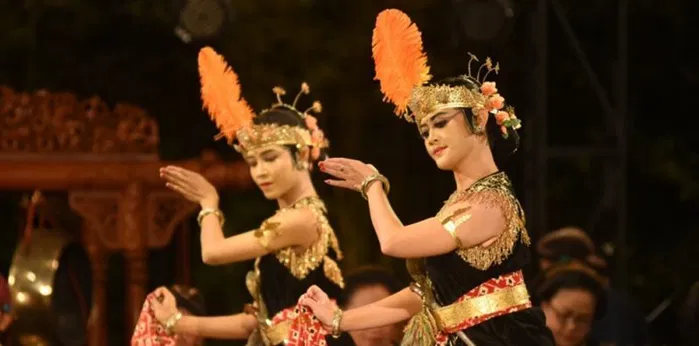
Serimpi Dance is commonly attributed to Sultan Agung Hanyokrokusumo of the Mataram Sultanate around the 17th century. However, many historians believe its roots extend even further back to pre-Islamic Javanese court traditions.
The Four Elements of Serimpi
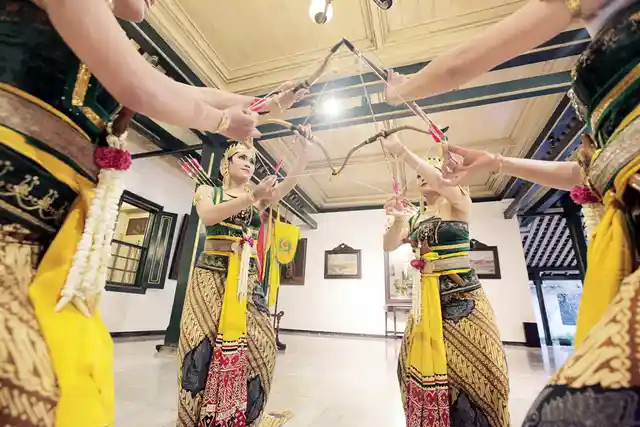
Serimpi Dance features exactly four dancers. Beyond being a choreographic choice, this number symbolizes the fundamental elements of Javanese cosmology: the four cardinal directions north, south, east, and west as well as the four elements of nature: fire, wind, water, and earth.
Throughout the performance, the dancers move in carefully coordinated formations that symbolize balance and harmony between these elements, representing the relationship between opposing forces and the importance of maintaining equilibrium in life.
Main Movements & Dance Language
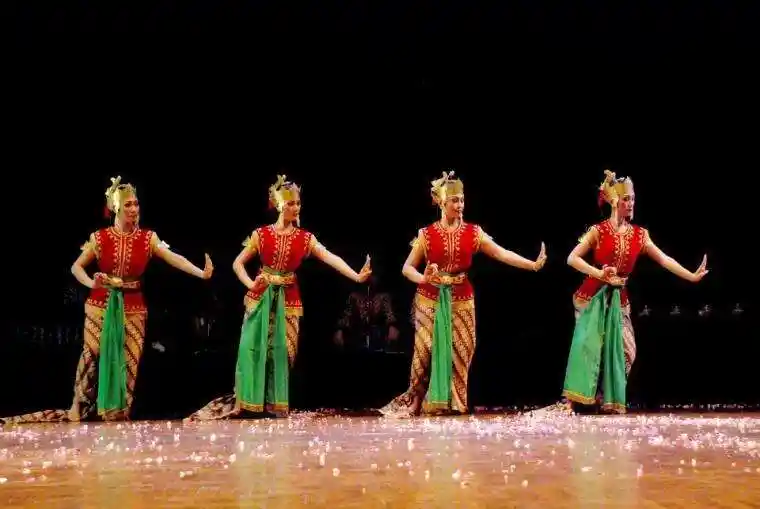
Serimpi is renowned for its exceptionally refined movement vocabulary. Unlike energetic folk dances, every gesture in Serimpi is slow, deliberate, and precisely controlled.
Several characteristics define the dance:
- Graceful hand positions inspired by classical Javanese dance traditions
- Subtle eye movements (lirikan)
- Controlled footwork and measured steps
- Upright posture that emphasizes elegance and composure
While both Yogyakarta and Surakarta preserve Serimpi traditions, their styles differ slightly, particularly in terms of costumes and the names of the basic movements.
Serimpi Costumes & Attire
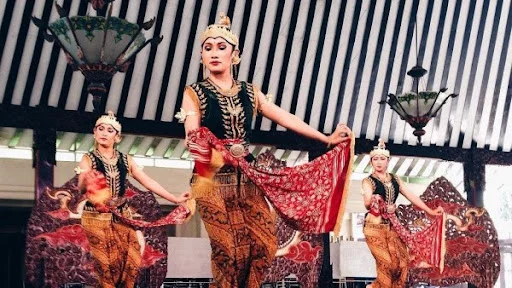
In addition to its graceful movements, Serimpi is equally renowned for its elaborate costumes and royal attire. In general, Serimpi dancers wear clothing and make-up similar to those traditionally worn by Javanese brides during royal wedding ceremonies.
The dancers wear a dodot ageng paired with cindhe-patterned cloth. Their make-up follows the paes ageng style, complemented by a bokor mengkurep hair bun. As for accessories, dancers wear a jamang headpiece, sumping ear ornaments, decorative scarves, and gold-colored metal bracelets that enhance the elegance and beauty of the performance.
The Gamelan Accompaniment
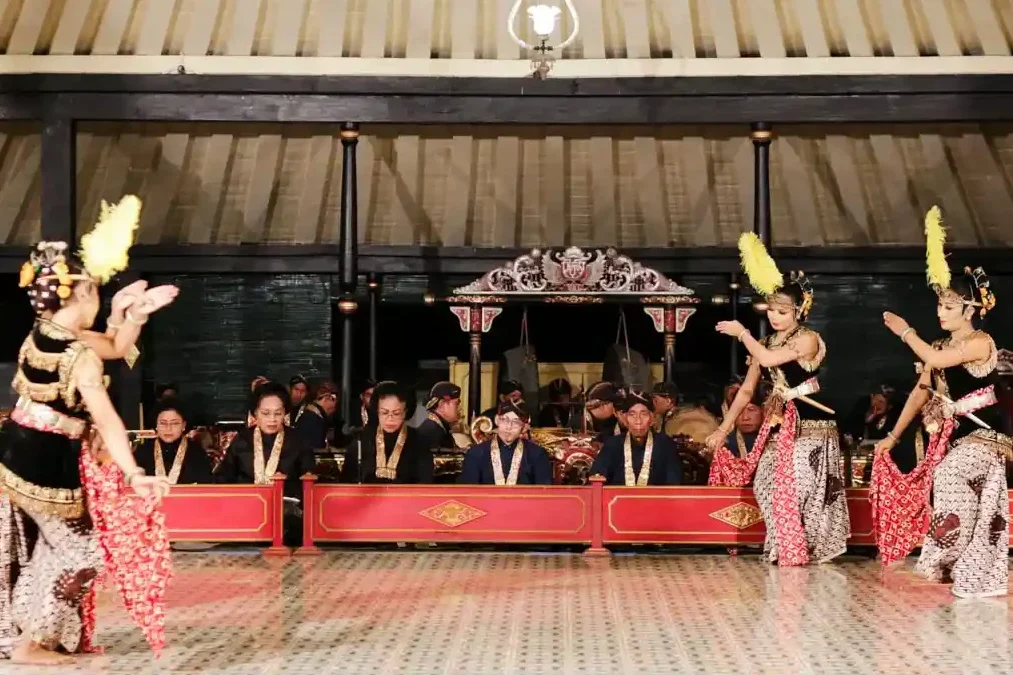
Gamelan plays a central role in every Serimpi performance. The slow, meditative movements of the dancers are synchronized with specially composed gending, or musical pieces, created specifically for court dances. The music establishes the emotional atmosphere of the performance and guides the dancers through each sequence, from their entrance onto the stage to the final closing movement.
Values Contained in Serimpi Dance
Serimpi Dance embodies several important Javanese values, including refined manners, balance, devotion, self-control, and the ideal of feminine grace. The dance teaches that true strength lies not in force, but in composure, harmony, and inner discipline.
Where to Watch Serimpi in Yogyakarta
Visitors interested in experiencing Serimpi can find performances at several cultural venues throughout Yogyakarta.
Keraton Yogyakarta
The royal palace remains the most authentic place to watch Serimpi. Cultural performances are held regularly as part of the palace’s efforts to preserve traditional arts.
- Address: Jalan Rotowijayan Blok No. 1, Panembahan, Kecamatan Kraton, Kota Yogyakarta.
- Instagram: @kratonjogja
Taman Budaya Yogyakarta
This cultural center frequently hosts traditional dance performances, exhibitions, and artistic events featuring classical Javanese arts.
- Address: Jl. Sriwedani No.1, Ngupasan, Kec. Gondomanan, Kota Yogyakarta, Daerah Istimewa Yogyakarta 55122
- Instagram: @tamanbudayayogya
Sekaten Festival
During the annual Sekaten celebration, visitors may have opportunities to witness traditional performances associated with the cultural heritage of Yogyakarta.
Is Serimpi Still Performed Today?
Despite its centuries-old origins, Serimpi remains actively preserved and performed today. Institutions such as Institut Seni Indonesia Yogyakarta, palace-affiliated dance schools, and cultural organizations continue teaching the dance to younger generations.
Through its elegant movements, symbolic choreography, and royal heritage, Serimpi dance continues to embody the values that have long defined Javanese culture. Fortunately, similar traditions continue to thrive through performances of Wayang Orang and Gamelan as well, ensuring that future generations can experience the richness of Java’s artistic legacy firsthand.