

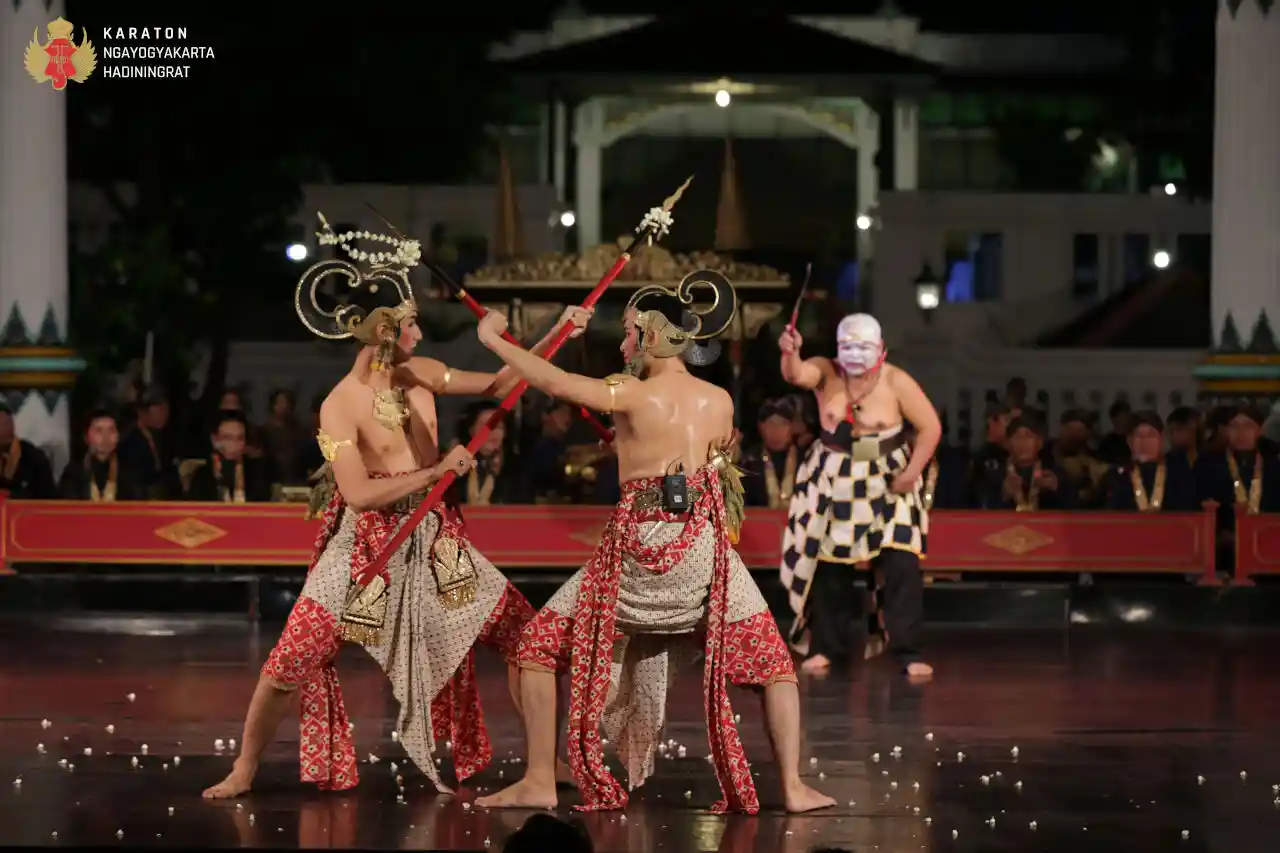
When talking about traditional Javanese performing arts, many people would immediately think of Wayang Kulit. In reality, however, Wayang Orang stands as an equally captivating art form that reflects the region’s cultural richness. Combining classical dance, theater, music, and storytelling, this centuries-old performance transforms legendary wayang tales into a living spectacle performed by real people.
Table of Contents
What is Wayang Orang?
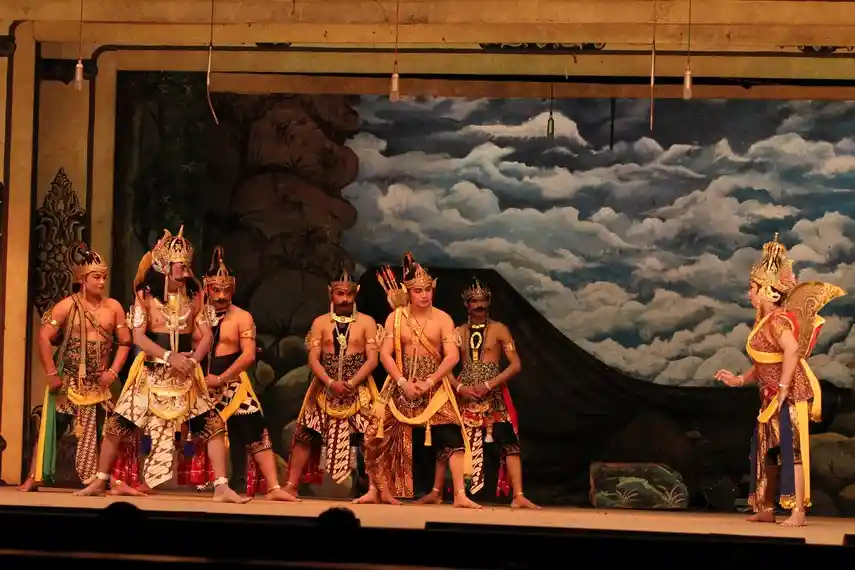
Originating from the royal court of Mataram in the 18th century, Wayang Orang or wayang wong is a classic Javanese theatrical adaptation of the well-known Wayang Kulit, performed by human dancers instead of puppets. Staying true to its shadow-puppet roots, Wayang Orang is accompanied by gamelan, alongside additional of Javanese vocal chants known as tembang.
History of Wayang Orang (Wayang Wong)
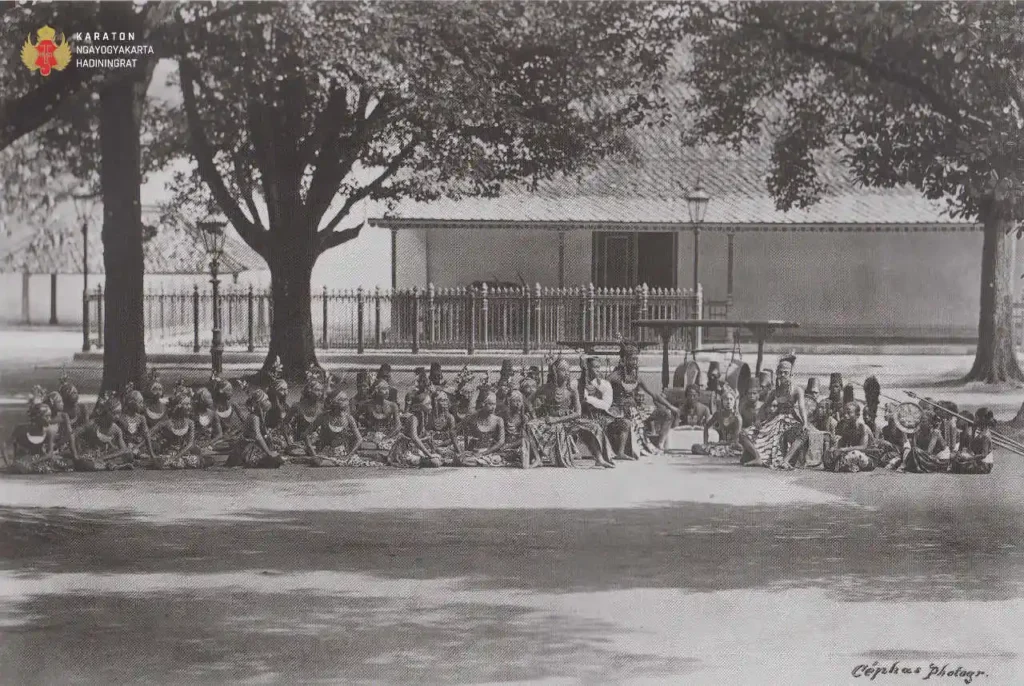
The origins of Wayang Orang can be traced back to the reign of Sultan Hamengkubuwono I, founder of the Yogyakarta Sultanate. During the late 18th century, performances were created within the royal court as a way to preserve the wayang tradition inherited from the Mataram Kingdom.
After remaining an exclusive palace performance for quite long, Wayang Orang gradually moved beyond the palace walls and became accessible to the public through dedicated theater troupes during the reign of Sultan Hamengkubuwono VII.
This period also saw the establishment of Kridha Beksa Wirama in 1918, a dance association that continues to play an important role in preserving many centuries-old Javanese performing arts.
How Wayang Orang Differs from Wayang Kulit
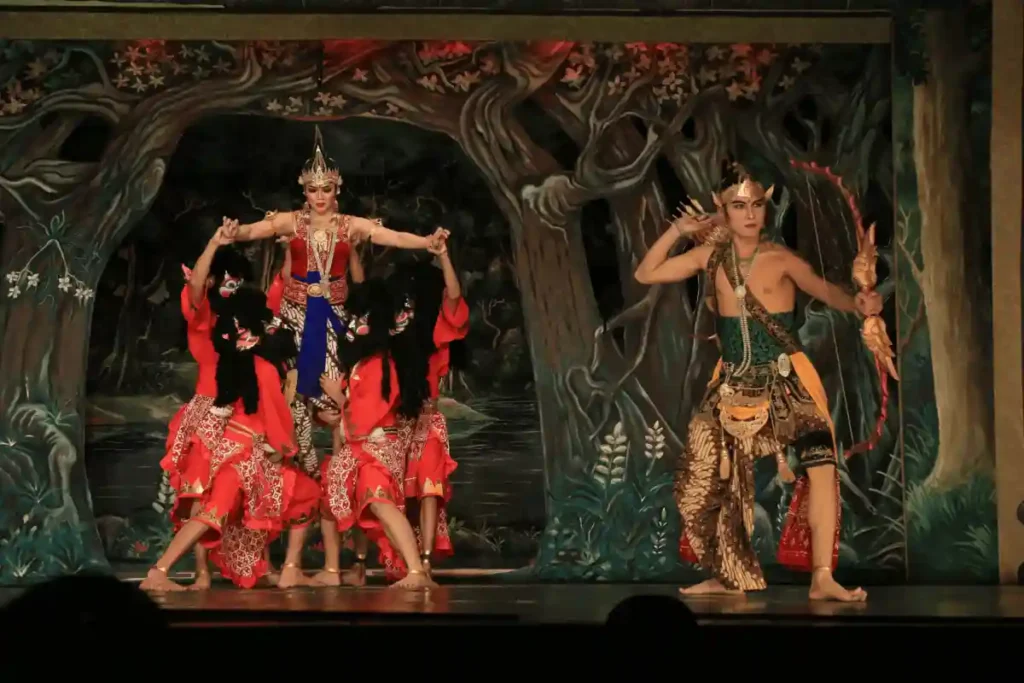
Although both belong to the same wayang tradition, Wayang Orang and Wayang Kulit offer very different experiences. The most obvious distinction lies in the medium itself. Wayang Kulit uses leather puppets projected as shadows onto a screen, while Wayang Orang uses human actors to portray the characters directly.
Another major difference is the role of the dalang. In Wayang Kulit, the dalang serves as narrator, puppeteer, storyteller, and conductor of the entire performance. In Wayang Orang, the story is carried by the actors, dancers, singers, and musicians instead.
Wayang Orang also tends to place greater emphasis on choreography, facial expressions, costumes, and stage interaction. Meanwhile, Wayang Kulit often focuses more heavily on narration and philosophical dialogue.
The Elements of a Wayang Orang Performance
Each element of a Wayang Orang performance works together to support the overall storytelling experience. At the same time, every aspect carries symbolic meanings that help audiences understand the personalities, emotions, and social status of the characters portrayed.
The Costumes & Make-Up
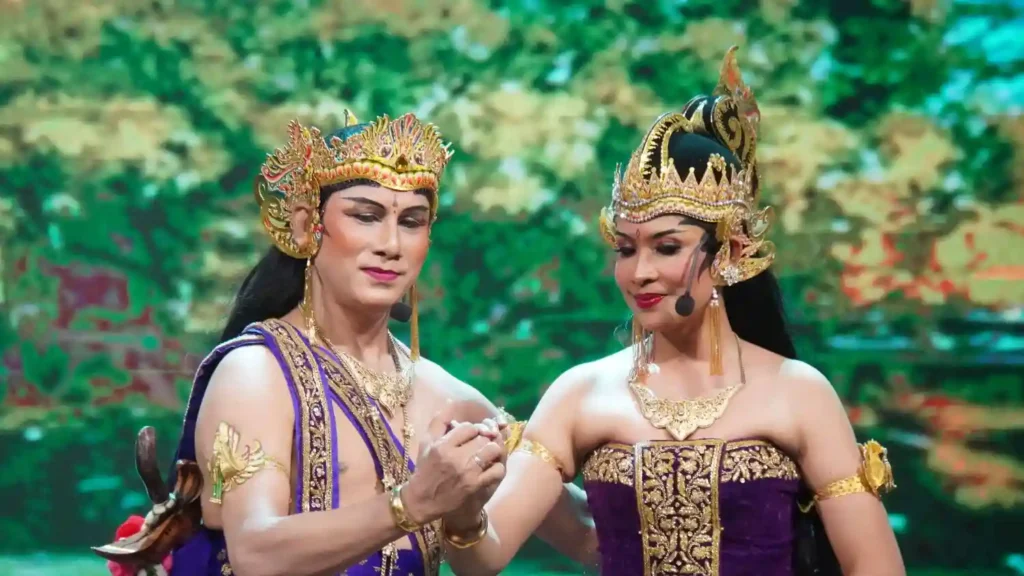
Performers of Wayang Orang typically adorn themselves in elaborate costumes and make-up inspired by traditional wayang illustrations. These elements also serve as important indicators of a character’s identity and role in the story, including color choices. Gold is commonly associated with nobility and virtue, red may symbolize courage or aggression, while darker tones frequently represent stronger or more intimidating figures. Intricate facial make-up further helps distinguish heroes, princesses, kings, and warriors.
The Dance Movements
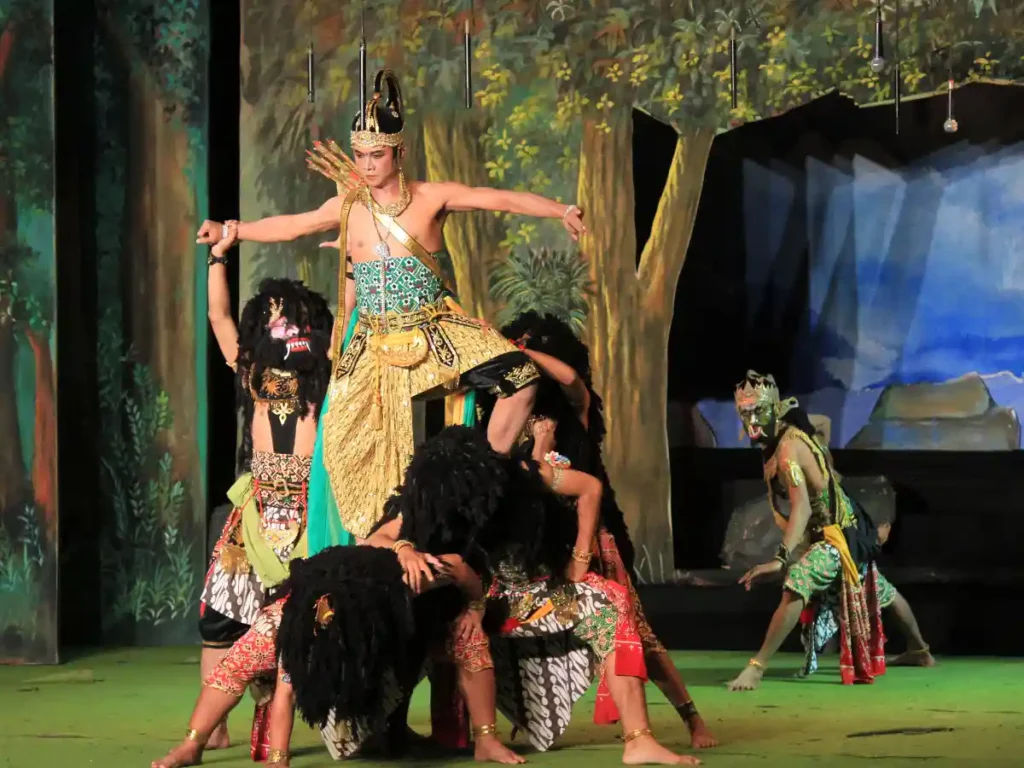
Wayang Orang places the storytelling directly in the hands of its performers. Every movement, no matter how subtle, carries a specific meaning. Characters are generally divided into four movement styles: halus (refined), gagah (powerful), kasar (rough or aggressive), and lucu (comic).
Noble heroes and royal figures perform graceful, controlled gestures, while warriors display stronger, more dynamic movements. Antagonists and giant-like characters often utilize rougher movements to depict greed, arrogance, and brutality, while comic characters employ humorous gestures that provide entertainment as well as social commentary.
The Gamelan & Tembang
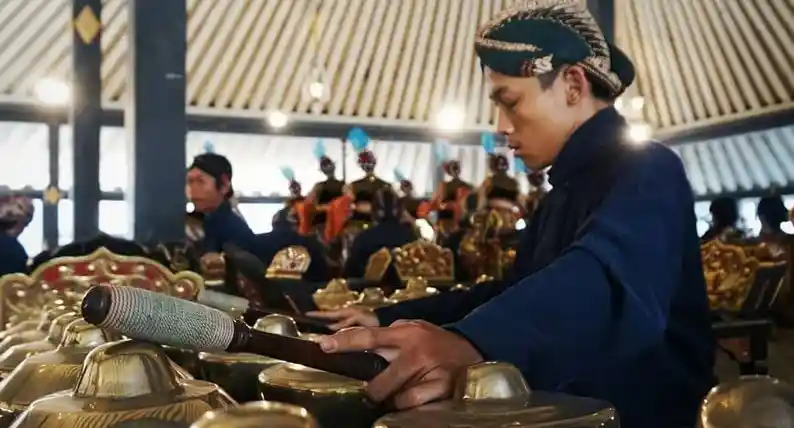
No Wayang Orang performance would be complete without the accompaniment of gamelan music. The ensemble creates the emotional atmosphere of each scene, guiding moments of tension, romance, battle, and reflection. Together with traditional Javanese vocal songs known as tembang function almost like musical dialogue, helping convey emotions and narrative developments throughout the performance.
The Stories Performed
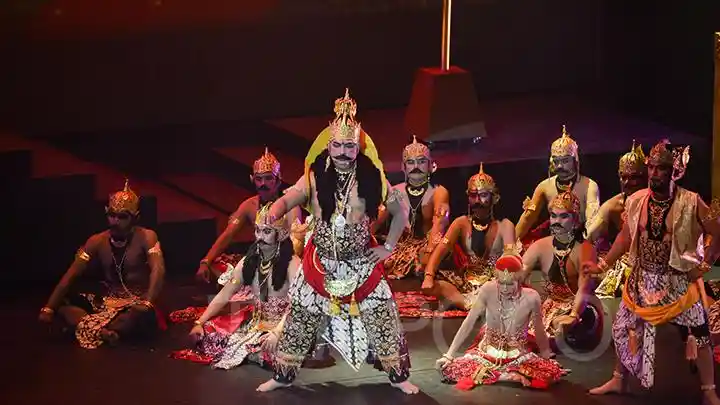
Most Wayang Orang performances adapt stories from the ancient Hindu epics Mahabharata and Ramayana. Audiences frequently encounter beloved characters such as Arjuna, Bima, Rama, Sinta, and Hanuman, with popular episodes revolving around heroic battles and royal conflicts.
Famous Wayang Orang Troupes
It would be impossible for the art of Wayang Orang to endure and remain respected through the centuries without the dedication of several legendary performing troupes including those listed below:
Wayang Orang Sriwedari, Solo
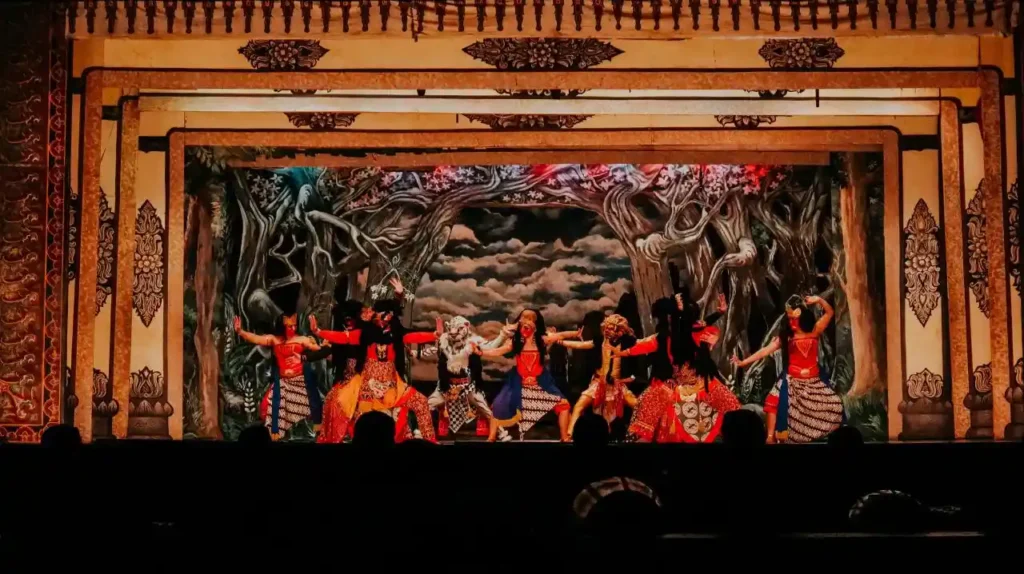
Wayang Orang Sriwedari in Solo is perhaps the most famous, known for maintaining regular performances for generations and preserving classical Javanese stage traditions.
- Address: Jl. Kebangkitan Nasional No.15, Sriwedari, Kec. Laweyan, Kota Surakarta, Jawa Tengah 57141
- Instagram: @wayang_orang_sriwedari
Ngesti Pandowo, Semarang
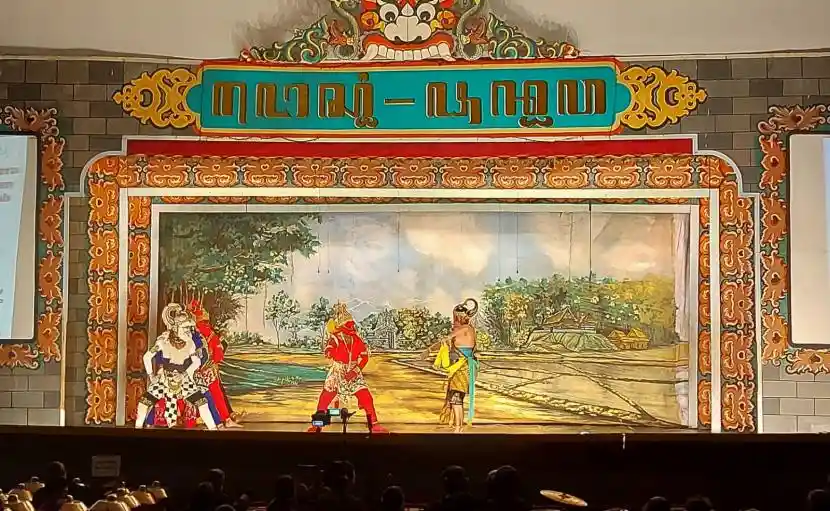
Another influential group is Ngesti Pandowo from Semarang. Founded in 1937, it remains an important cultural institution today and continues to host regular performances while introducing younger generations to the art of Wayang Orang.
- Address: Jl. Sriwijaya No.29, Tegalsari, Kec. Candisari, Kota Semarang, Jawa Tengah 50614
- Instagram: @ngestipandowo.official
Keraton Yogyakarta
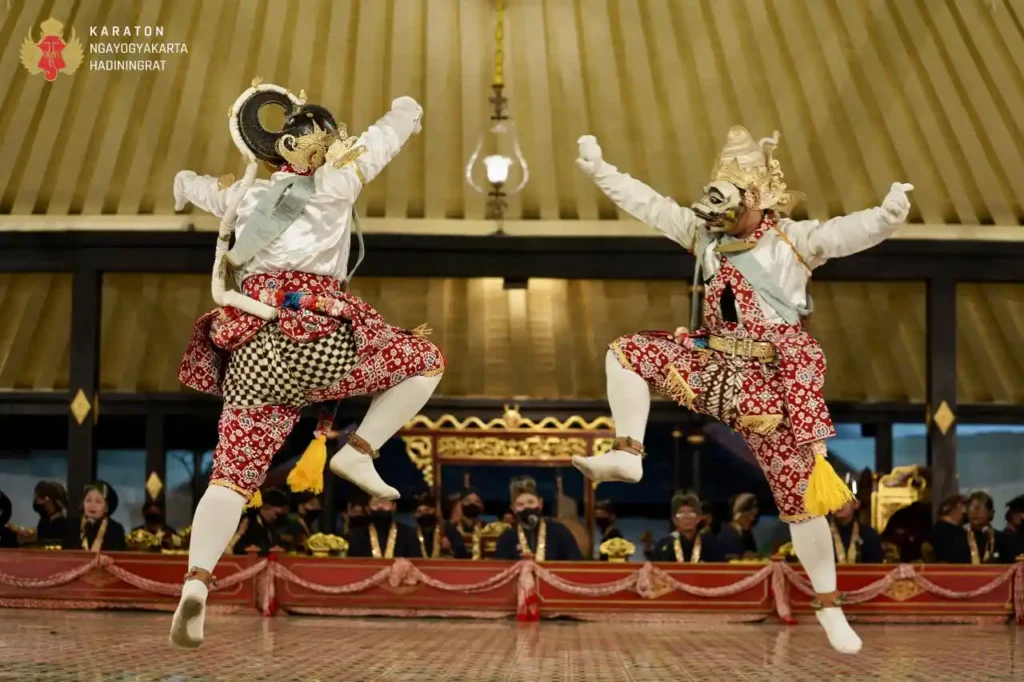
In Yogyakarta, performances connected to the Keraton Yogyakarta continue preserving many of the original artistic traditions that emerged from the royal court itself.
- Address: Jalan Rotowijayan Blok No. 1, Panembahan, Kecamatan Kraton, Kota Yogyakarta.
- Instagram: @kratonjogja
Where to Watch Wayang Orang in Yogyakarta
For visitors hoping to experience Wayang Orang firsthand, there are plenty of destinations in Yogyakarta where this wish can become a reality. One of the most accessible venues is Sonobudoyo Museum, which regularly hosts Wayang Orang performances alongside other traditional Javanese performing arts.
The Keraton Yogyakarta also continues to serve as an important center for preserving traditional performing arts through special cultural events and palace-related performances. Wayang Orang performances can occasionally be found at tourism-oriented venues as well, including Obelix Sea View and Hamzah Batik.
Because schedules may change throughout the year, checking the latest performance calendar before visiting is highly recommended.
As interest in traditional arts continues to grow among younger generations, Wayang Orang remains a powerful reminder that heritage can evolve while still preserving its roots. If you’re interested in exploring more of Java’s performing arts, don’t miss to take a closer look at Wayang Kulit and the elegant royal dance tradition of Serimpi.