

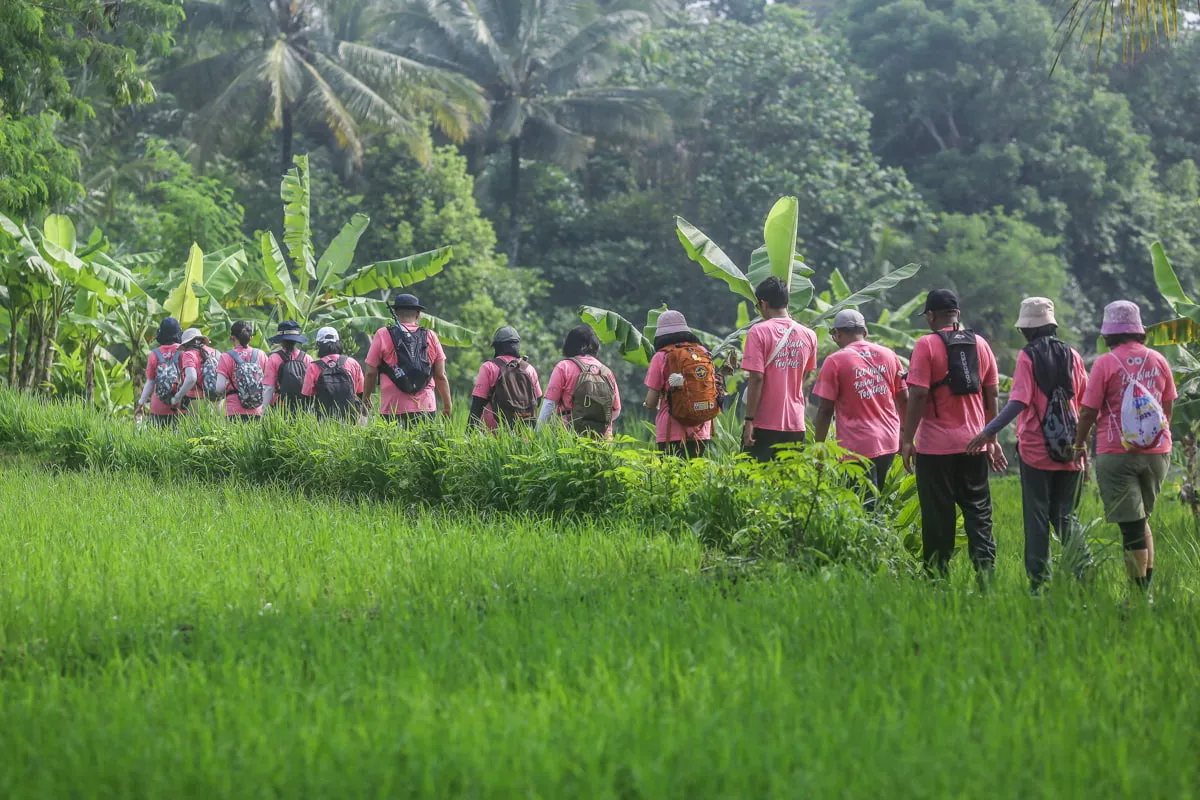
Exploring Yogyakarta’s cultural richness becomes even more meaningful when you take part in the Jogja International Heritage Walk (JIHW). This annual international walking festival combines physical activity, environmental awareness, and cultural tourism, offering a different way to experience the region beyond its usual tourist attractions.
Table of Contents
Embracing the concept of slow tourism, JIHW invites participants to explore heritage sites, local villages, and hilly landscapes on foot, prioritizing the journey itself over competitive time limits.
What is the Jogja International Heritage Walk (JIHW)?
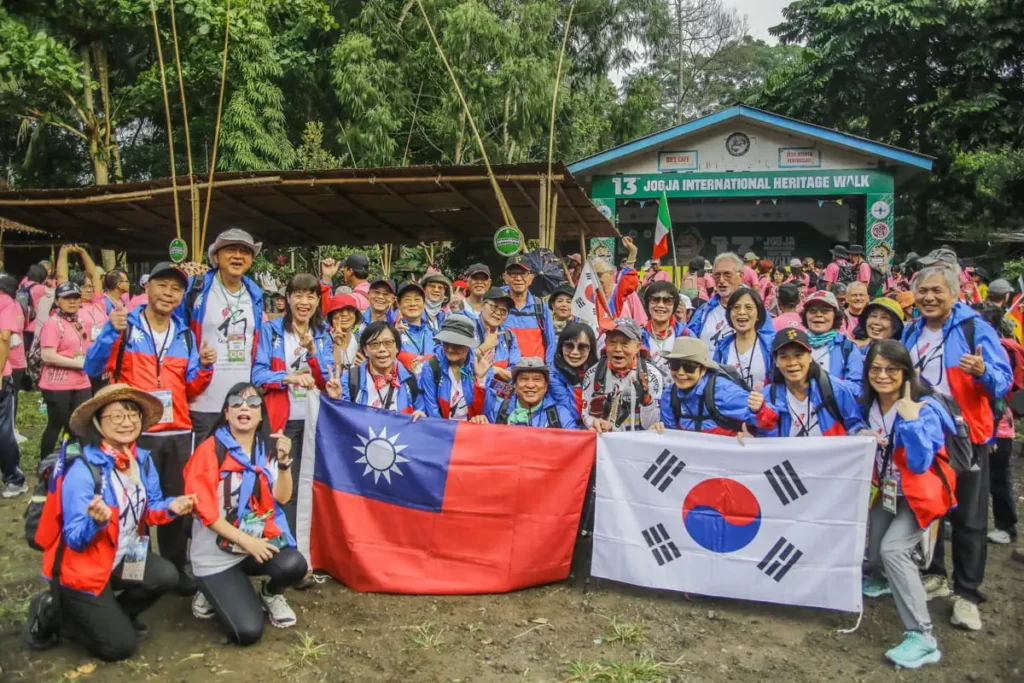
Jogja International Heritage Walk (JIHW) is the only walking festival in Indonesia that’s officially recognized by the International Marching League (IML Walking Association).
Usually held in November, JIHW is not a competitive race but an event that promotes healthy living, cross-cultural exchange, and appreciation for Javanese heritage. Participants follow designated routes through cultural landmarks, traditional villages, and natural landscapes at a relaxed pace.
The Routes: Heritage Sites to Rural Landscapes
The routes for Jogja International Heritage Walk can change from year to year. While previous editions have featured routes around historic temples, the 2026 event takes participants to two locations in Bantul Regency: Edupark Sriharjo in Imogiri and Kali Tepus Camping Ground in Wukirsari.
Each location offers several distance options to accommodate different walking abilities. Edupark Sriharjo features 5 km, 10 km, and 20 km routes, while Kali Tepus Camping Ground offers 7 km, 10 km, and 20 km options.
Edupark Sriharjo, Imogiri, Bantul (Day 1)
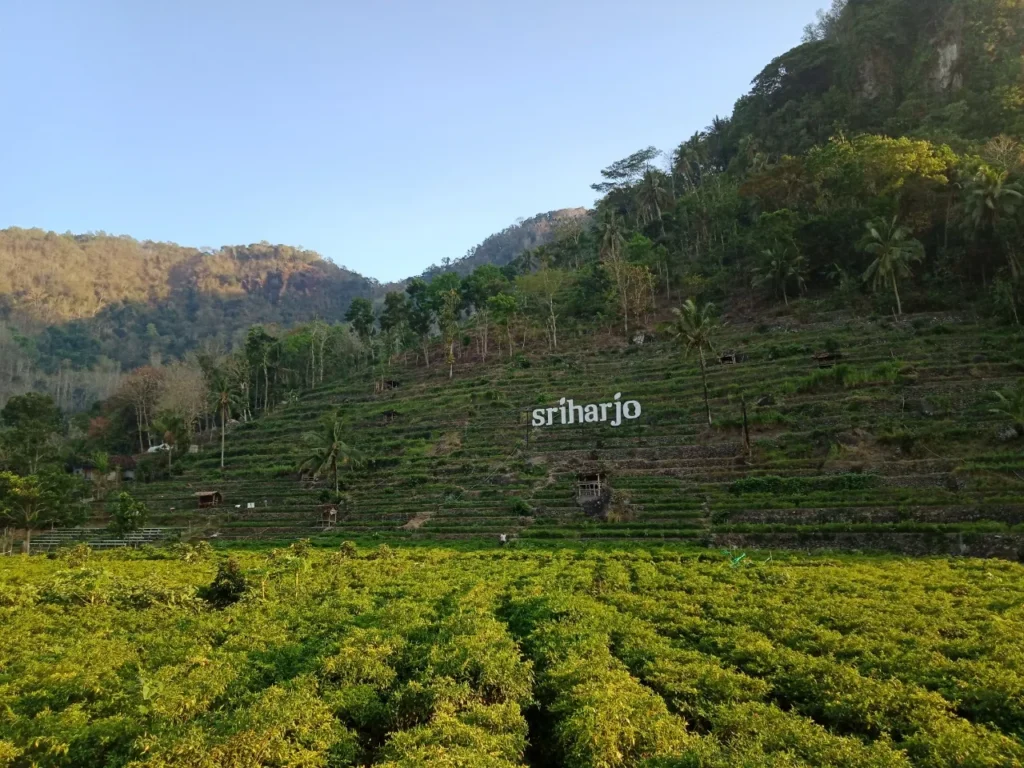
The first day follows the theme “Exploring the Heart of Oya,” taking participants along the Oya River and through the surrounding countryside. Imagine walking to the sound of flowing water, with views of terraced hills, dramatic cliffs, and the calming atmosphere of a rural village.
Kali Tepus Camping Ground, Wukirsari (Day 2)
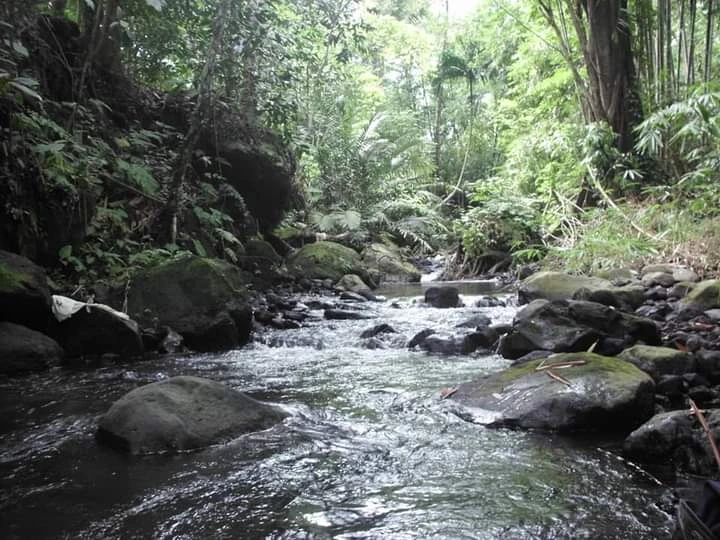
On the second day, the walk moves to Kali Tepus Camping Ground in Wukirsari, where the surrounding terrain includes rocky, water-lined paths and lush outdoor landscapes. Participants can look forward to exploring areas around bamboo groves, natural springs, and the local volcanic landscape.
Cultural Immersion Along the Way
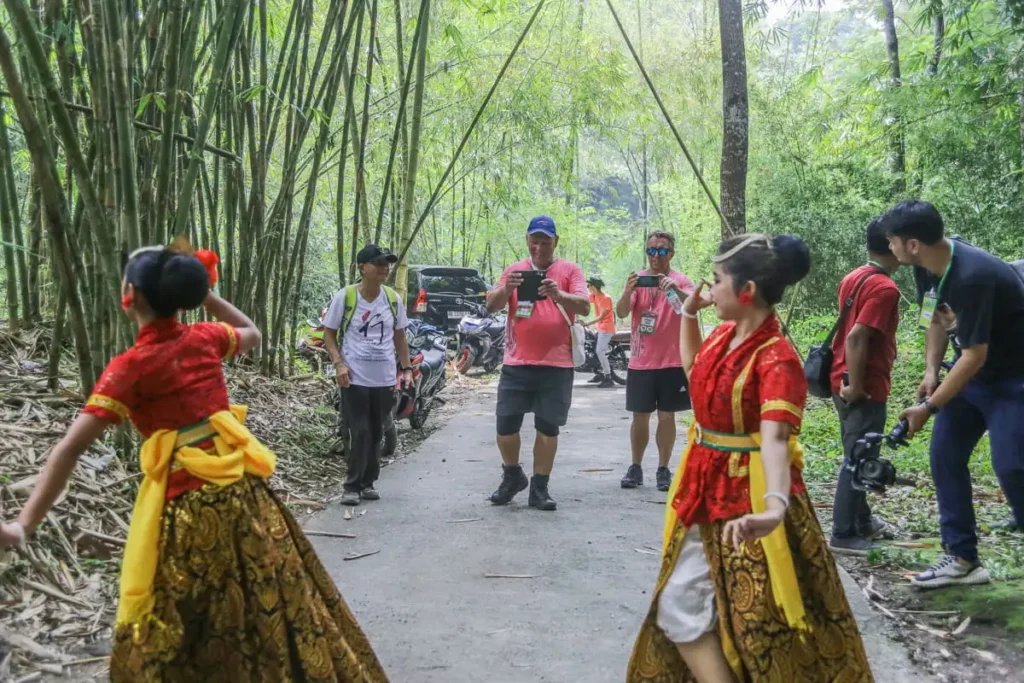
What makes JIHW especially appealing is the cultural immersion it offers along the walking routes. At checkpoints, local villagers often welcome participants with traditional performances, such as gamelan music and jatilan dance, alongside local snacks to help them recharge before continuing their journey.
These encounters turn the walk into more than a physical activity, giving participants opportunities to experience local traditions and connect with the communities they pass through.
Adding to the cultural appreciation, JIHW also promotes environmental awareness through its “Save the Earth” campaign. Activities such as tree planting and environmental education reflect the event’s commitment to encouraging more responsible interactions with nature.
Registration Fees and How to Participate
Registration fees for Jogja International Heritage Walk depend on whether participants are domestic or international and which walking day they choose. Based on the available event information, the fee is as follow:
- Domestic participants, IDR 450,000 for a one-day walk.
- International participants, approximately US$35–40, depending on the day.
The registration package typically includes several amenities to support participants throughout the event, such as:
- One event T-shirt per walking da
- Walking amenities
- Lunch during the walking event
- Tropical fruits, traditional snacks, mineral water, and cold drinks along the route
- A Royal Medal for eligible participants
If you plan to participate in November, it’s worth checking the website several months in advance for registration announcements and potential early-bird offers.
For those looking to discover Yogyakarta beyond its familiar tourist attractions, JIHW offers a rewarding way to experience the region on foot. By combining physical activity with cultural encounters and community interaction, the event brings participants closer to the landscapes and traditions that shape Yogyakarta’s identity.
Interested in learning more? Explore Prambanan Temple and the Imogiri Royal Cemetery, both of which are often part of the JIHW route.