

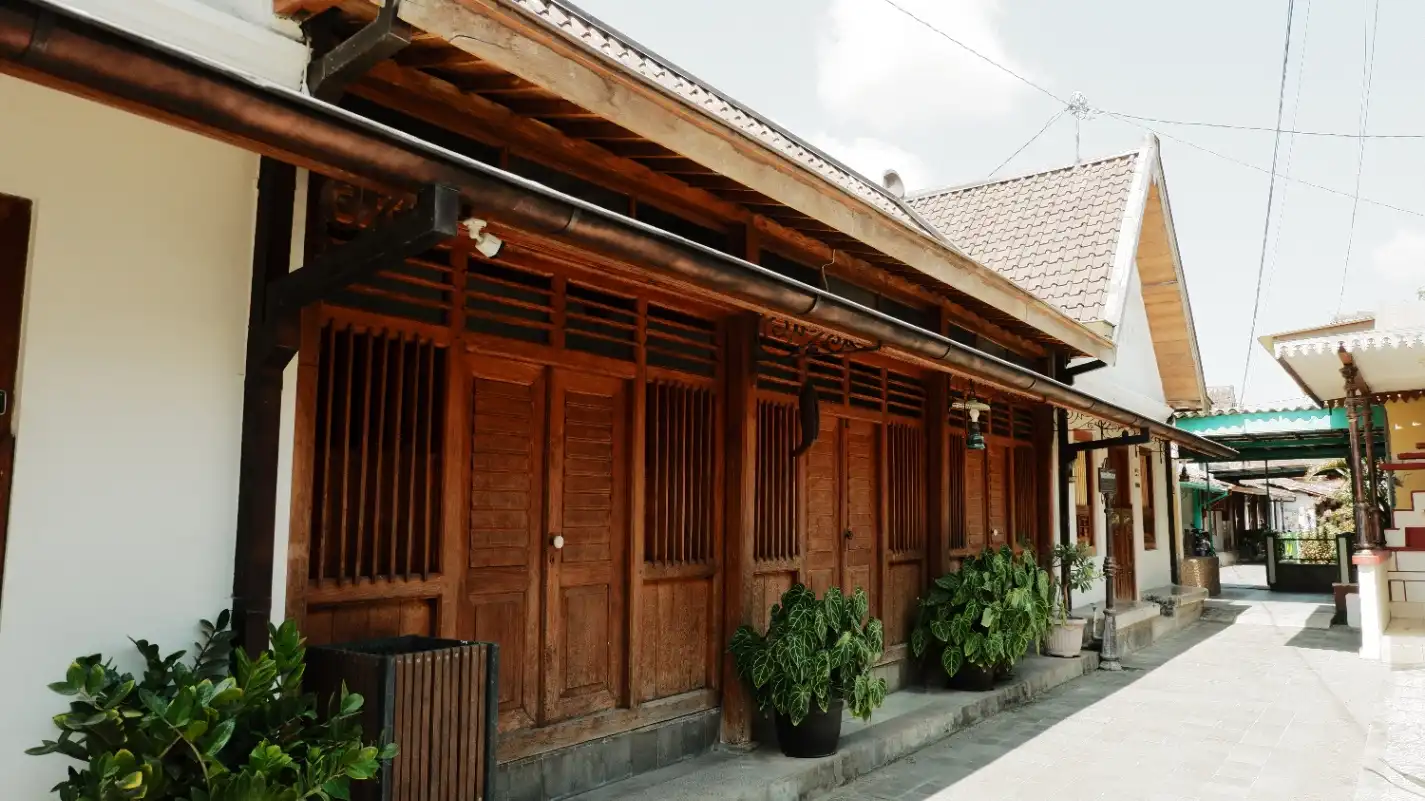
It’s a well-known fact that a slow-paced Kotagede heritage walk is one of the best ways to explore the neighborhood. Even officially recognized by the city government, with two routes covering “Dari Mataram Hingga Kalang” and “Arsitektur Tradisional Kotagede,” a walking tour allows you to see how each heritage site and unique experience has shaped Kotagede over time.
Table of Contents
Narrow alleys wind between traditional houses, historic sites, and mosques, while a market, royal cemetery, and silver workshops reveal different layers of the area’s past and present. Here’s your complete guide to Kotagede heritage walk.
Why Explore Kotagede on Foot?
Think historic landmarks standing alongside traditional homes, silver shops and workshops tucked into compact structures, and locals going about their everyday lives. Most of Kotagede’s defining features aren’t concentrated in a single complex or attraction. Instead, they are woven into the neighborhood itself.
This is precisely why Kotagede is better experienced on foot. The slower pace ultimately gives you the chance to notice details that can easily be missed when travelling by car or motorbike.
Understanding Kotagede Before the Walk
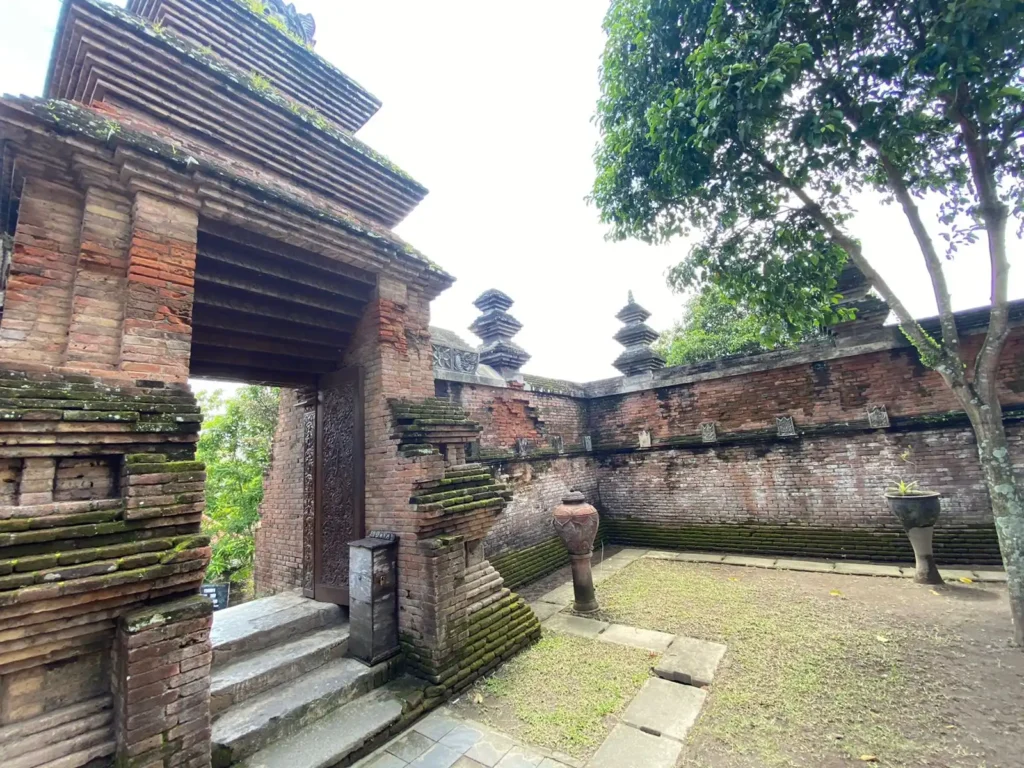
Kotagede was once a key center of the early Mataram Islam Kingdom, with its traditional urban layout shaped around elements such as the keraton, alun-alun, mosque, market, settlements, and royal cemetery. Despite significant changes to much of its original layout, traces of Kotagede’s rich history can still be found throughout the area.
Uniquely, they appear not only in major landmarks, but also in old houses, narrow lanes, architectural details, and the way different spaces are positioned around one another.
Kotagede Heritage Walk Route
There are two commonly recognised walking routes in Kotagede: “Dari Mataram Hingga Kalang” and “Arsitektur Tradisional Kotagede.” However, you don’t necessarily have to stick to one route from beginning to end. Combining several stops can make for a more rewarding walk.
Start at Kotagede Market
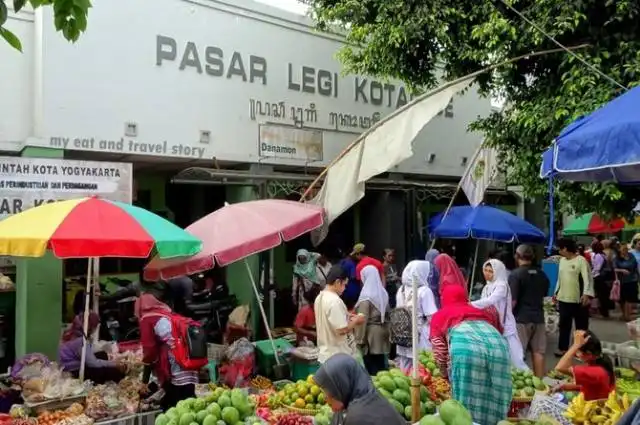
Begin your walk at Kotagede Market, also known as Pasar Legi. Come in the morning, when the area is at its liveliest, and you’ll immediately get a glimpse of local life. Traders set up their stalls, shoppers move between the market and surrounding streets, and food vendors add to the bustle. Historically, the market was an essential component of the traditional Mataram city structure.
Masjid Gedhe Mataram
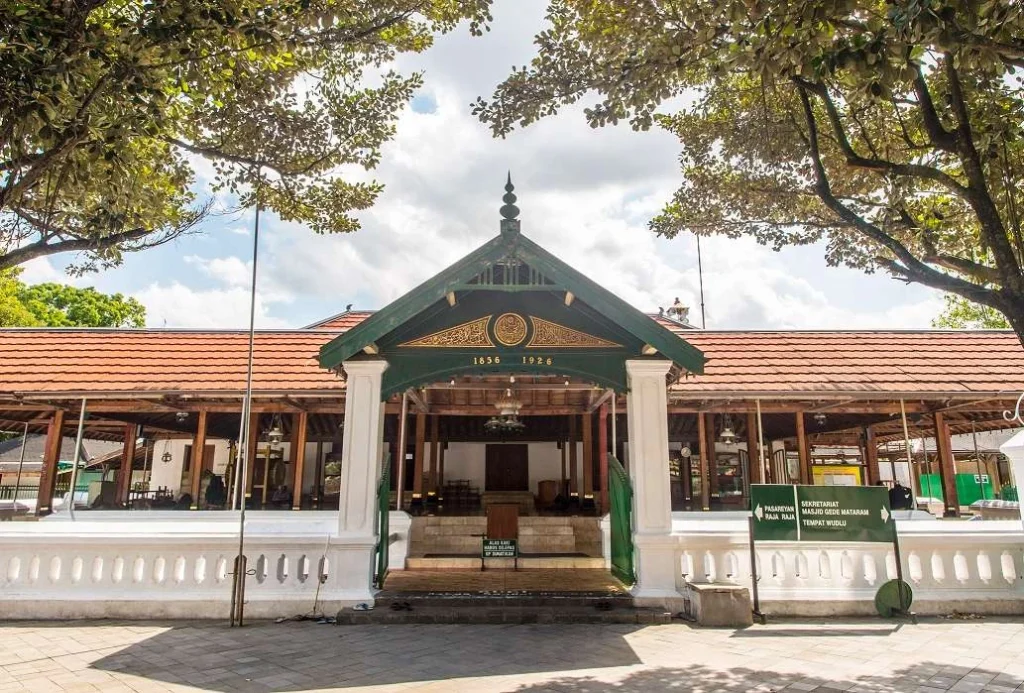
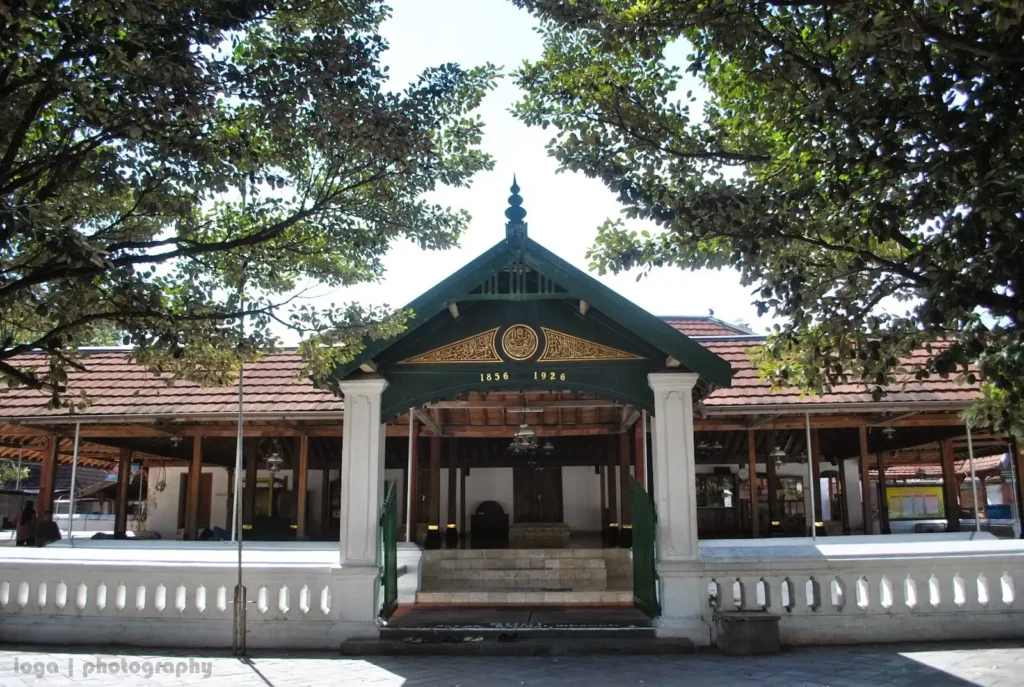
From the market, continue towards the grand Masjid Gedhe Mataram. As one of Kotagede’s most defining landmarks, the centuries-old mosque played an important role in the spread of Islam in Java, while its architecture reflects strong Javanese influences.
Another significant detail should be on top of your mind is its proximity to the royal cemetery complex. This was not simply a matter of convenience, but reflected the close relationship between religious and royal spaces in the traditional city.
Royal Cemetery and Sendang Seliran
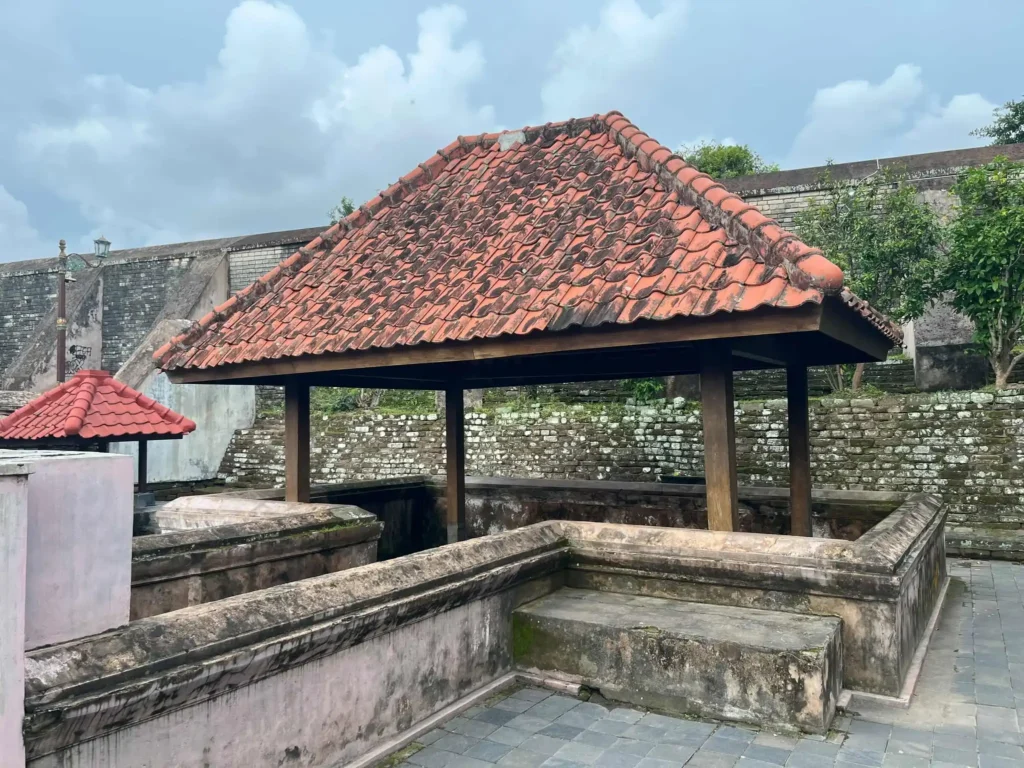
Just beside the mosque, you’ll find the Royal Cemetery and Sendang Seliran, two sites closely associated with the royal tales of Kotagede’s history. The Royal Cemetery is where members of the Mataram royal family are buried, while Sendang Seliran is associated with a bathing pool fed by a spring and traditionally linked to the royal family. Together, these spaces form another important layer of Kotagede’s historical landscape, alongside Masjid Gedhe Mataram.
If you enter the cemetery complex, remember that it is a sacred site. Dress respectfully, follow the local rules, and pay attention to any guidance from the caretakers.
Kampung Alun-Alun and Between Two Gates
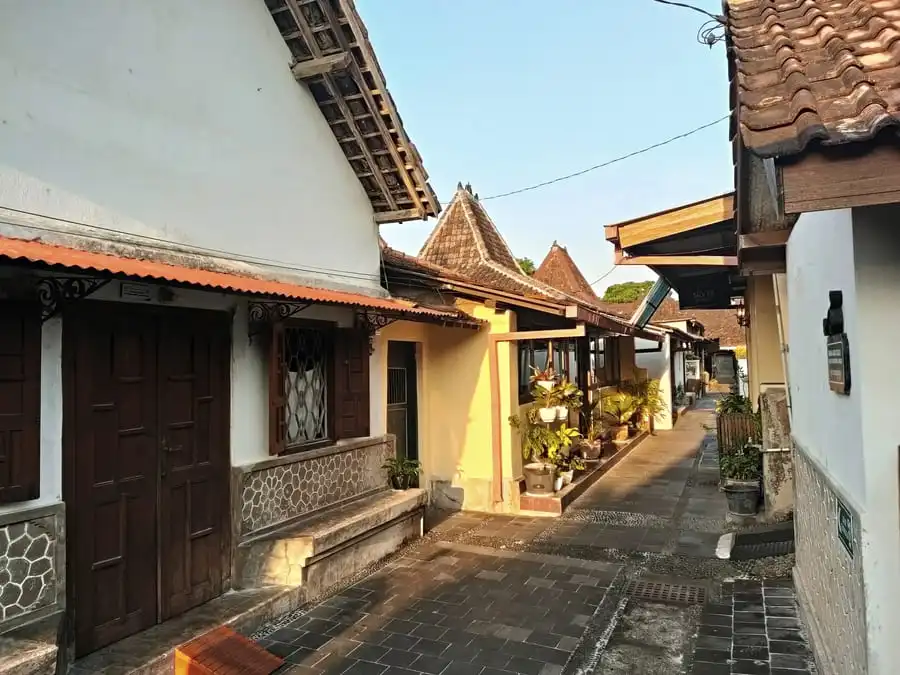
From the royal complex, you’ll begin to enter Kotagede’s living heritage as you step into Kampung Alun-Alun. The area is associated with the former alun-alun of the Mataram royal city and is now surrounded by residential spaces.
One of its best-known features is Between Two Gates, a semi-enclosed kampung where traditional houses line the narrow passage. You’ll find joglo-style homes with dalem and pendhapa spaces, which reflect how traditional architecture and communal life have developed side by side.
Watu Gilang and Watu Gatheng
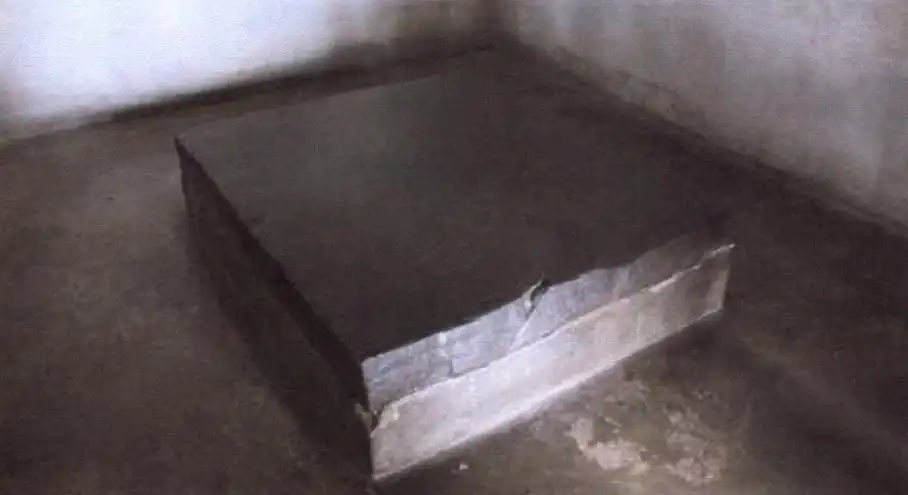
For another glimpse into Kotagede’s early Mataram days, make your way to Watu Gilang and Watu Gatheng. Watu Gilang is traditionally believed to have been connected to Panembahan Senapati, the founder of the Mataram Kingdom. Meanwhile, Watu getheng is surrounded by local folklore.
Though associated with varying interpretations, both remain notable stops for anyone interested in exploring the early history of Kotagede.
Walking Through Kotagede’s Traditional Houses
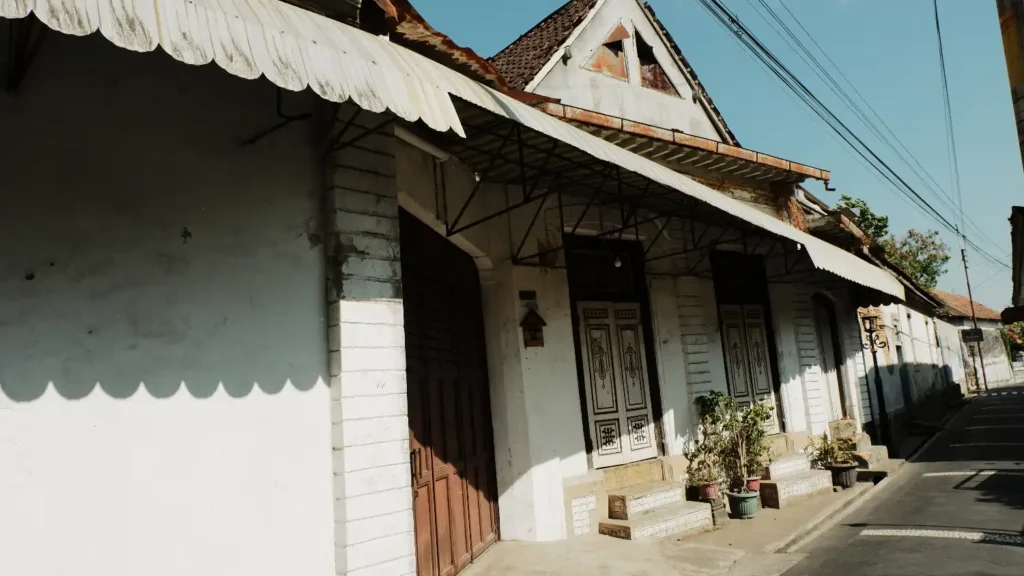
While Javanese traditional houses may appear simple at first glance, the details are what make them worth a closer look. As you’re on the Kotagede heritage walk, take time to observe the architecture around you.
Elements such as a pendopo, dalem, and gandhok are staples to traditional Javanese homes. Their roofs, gates, walls, and spatial arrangements can also reveal different aspects of traditional domestic architecture.
Omah Kalang and Tegal Gendu
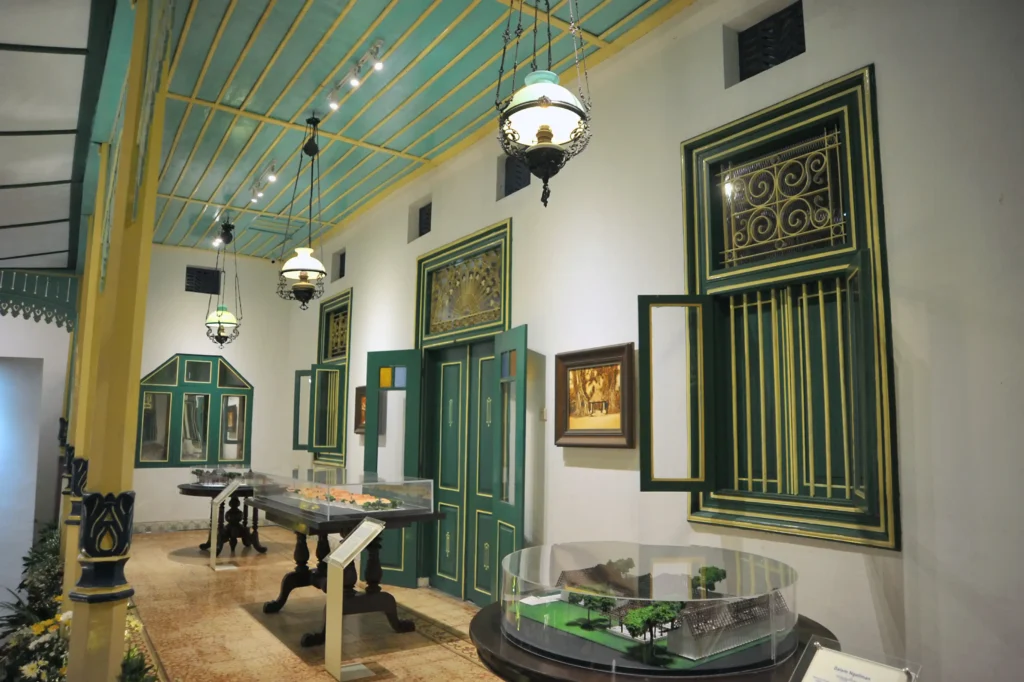
As you reach Tegal Gendu, you’ll see another side of Kotagede’s architectural history. Step into Omah Kalang, a traditional house turned cafe. What sets it apart is how different influences come together in one building. Its architecture combines Javanese, European, and Chinese architectural elements, a style hardly found elsewhere in Kotagede.
Kotagede’s Silver Craft District
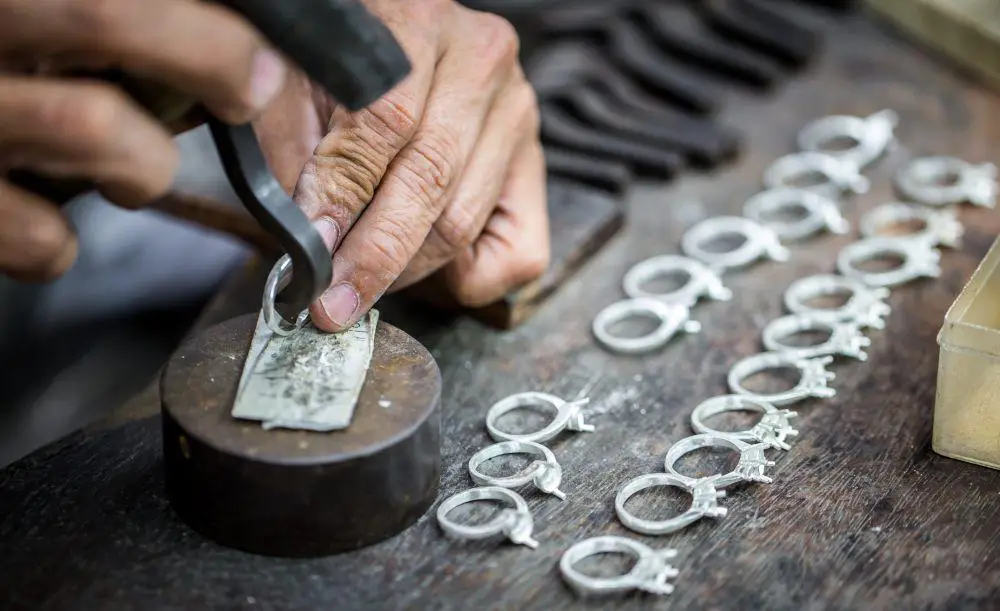
End your walk on a rewarding note in Kotagede’s silver craft district. Silversmithing is historically linked to Kotagede’s role as an economic hub during the Mataram Islam Kingdom. Silver was used for household needs and trade, while its value also made it a symbol of wealth and luxury.
Today, the craft remains deeply woven into Kotagede’s identity. Visitors can browse silver jewellery at local shops, watch artisans at work, or even join a silver jewellery workshop to experience the process firsthand.
Frequently Asked Questions
How long does a Kotagede heritage walk take?
It depends on the route and how much time you spend at each stop. A half-day walk is enough to cover several major landmarks, residential kampungs, and the silver district at a comfortable pace.
What can you see on a Kotagede heritage walk?
You can see Masjid Gedhe Mataram, the royal cemetery complex, Sendang Seliran, Between Two Gates, traditional Javanese houses, Kalang houses, Kotagede Market, archaeological sites, heritage kampungs, and silver workshops.
What makes Kotagede different from other heritage areas in Yogyakarta?
Kotagede brings several layers of Yogyakarta’s history together in one living neighbourhood. Mataram-era sites, traditional architecture, residential kampungs, local craft, and everyday community life all exist within a walkable area.
A Kotagede heritage walk is beyond a way to visit historical landmarks. Passing from the market and mosque to royal sites, traditional kampungs, old houses, and silver workshops, you begin to see how different layers of Kotagede’s past remain part of its present identity.