

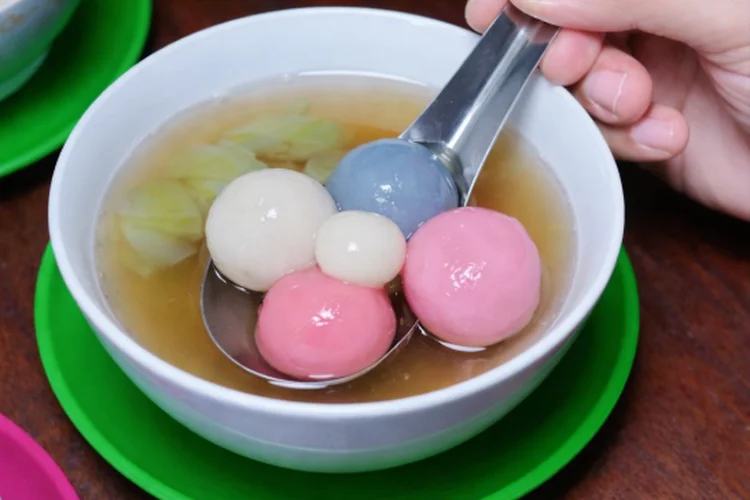
Traditional drinks in Solo have become one of the many ways to experience the city’s everyday culinary scene. More than just beverages to be enjoyed, some hold strong connections to local traditions, reflecting Javanese food culture through their different ingredients, flavours, and serving styles.
Table of Contents
From refreshing iced drinks commonly found at traditional markets to warm wedang enjoyed at evening food stalls, each has its own character and story to tell.
What Makes Solo’s Traditional Drinks Unique?
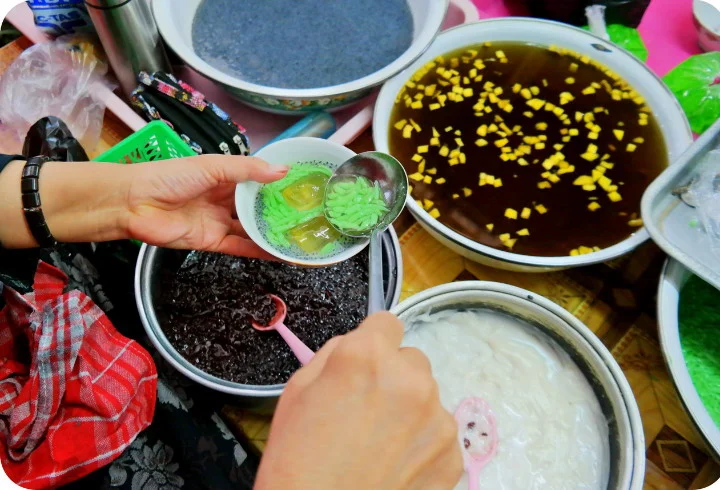
Many traditional drinks in Solo share familiar local ingredients, such as ginger, coconut milk, palm sugar, and various herbs and spices. Interestingly, however, the same ingredients can be combined in different ways to create beverages with their own characteristics.
Another aspect that makes these drinks more than just something to quench your thirst is the custom of enjoying them as part of everyday social life. Varieties of wedang, for example, are typically served warm, encouraging people to take their time and enjoy the moment.
This habit also makes traditional drinks part of social interaction, particularly at evening food stalls, where people gather to chat over a warm beverage and light snacks.
Iconic Traditional Drinks in Solo
Es Dawet Telasih
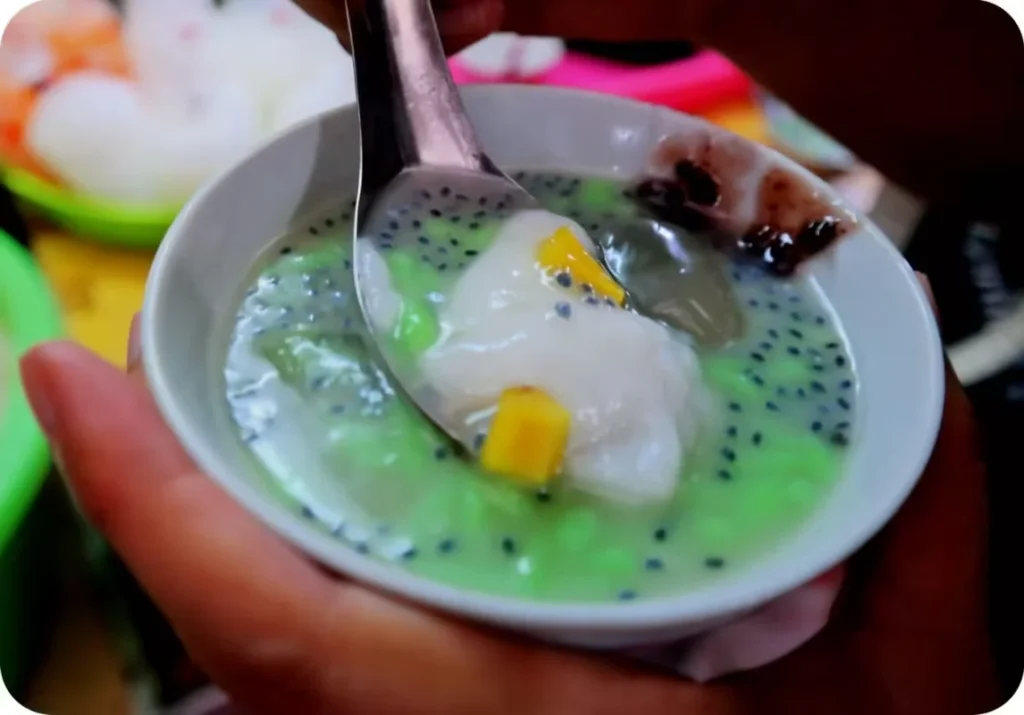
As one of the most iconic traditional drinks in Solo, es dawet telasih eases the city’s heat like few others. A typical serving includes green dawet, basil seeds or telasih, black glutinous rice porridge, fermented glutinous rice, and jenang sumsum.
These ingredients are combined with coconut milk, sweet syrup, and ice cubes, creating a refreshing drink with different textures in every spoonful. This balance of sweetness and savoury richness is best experienced at Es Dawet Telasih Bu Dermi, a stall at Pasar Gede with a history dating back to the 1930s.
Wedang Asle
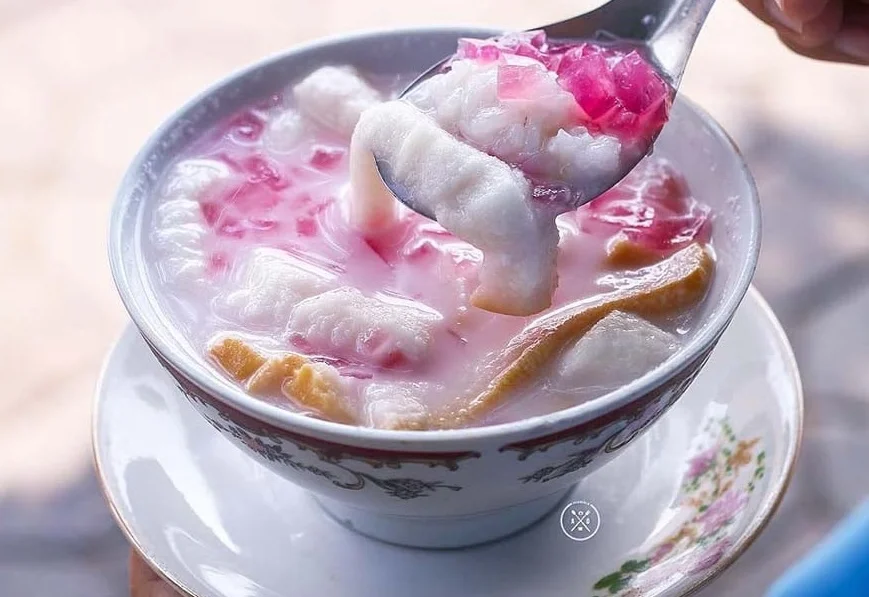
Unlike ginger-based wedang that relies on spices for its distinctive flavour, wedang asle is a warm drink that uses coconut milk as its main component. But its appeal goes beyond the creamy coconut milk taste. The variety of toppings creates rich combinations of textures, making each spoonful a little different.
Steamed white glutinous rice and slices of bread bring a soft texture, while additional toppings such as agar-agar and pearl sago add a pleasant contrast. The warm coconut milk ties everything together with a mildly sweet and savoury taste.
Wedang Ronde
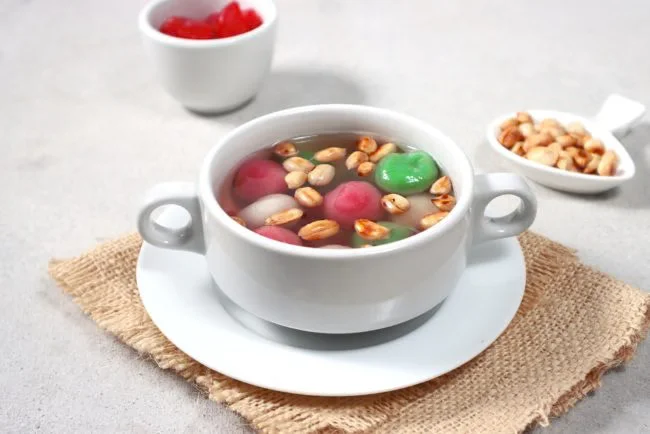
Although wedang ronde is enjoyed across several parts of Java, it remains a familiar sight in Solo’s traditional evening food stalls. Its main ingredient is ronde, small balls made from glutinous rice flour. Some are filled with crushed peanuts, giving them a sweet and nutty centre.
Served in a warm ginger broth, they are often accompanied by roasted peanuts, kolang-kaling, and other toppings depending on the vendor. A single bowl of wedang ronde delivers a warming aroma of ginger, balanced by the sweetness of the broth and the nutty filling inside the rice balls.
Gempol Pleret
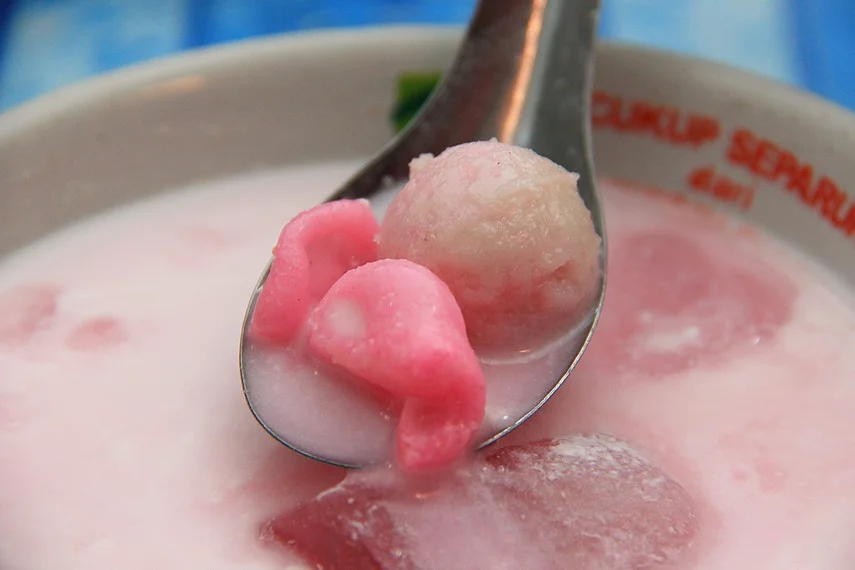
Gempol pleret is one of the most unique drinks in Solo, made with a sweet coconut milk base and two types of chewy, rice-based toppings, gempol and pleret. Gempol is generally made from rice flour and shaped into small, soft white balls, while pleret is a flatter, chewy preparation made from rice flour dough.
When served with coconut milk and sweet syrup, the two create a balance of creamy, sweet, and mildly savoury flavours.
Wedang Dongo
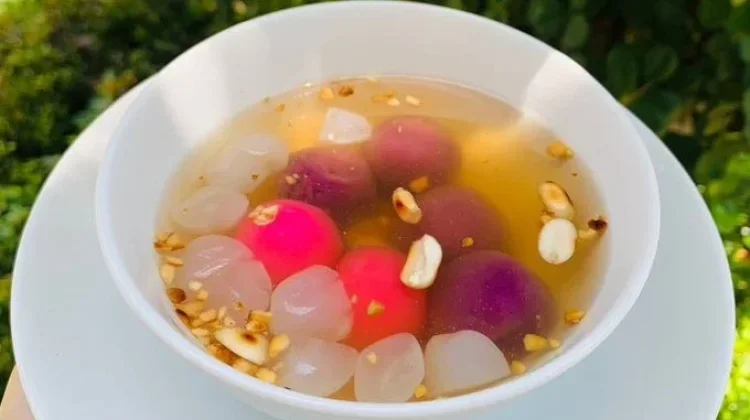
Often described in local accounts as a drink once enjoyed by members of the royal family, wedang dongo has become one of Solo’s beloved traditional beverages. Its primary ingredients are relatively simple, consisting of ginger-based broth and ronde.
Ginger is simmered with palm sugar and other aromatic ingredients to create a warm, fragrant broth. When served, small glutinous rice balls are added, often accompanied by toppings such as kolang-kaling and peanuts for extra texture.
Es Kapal
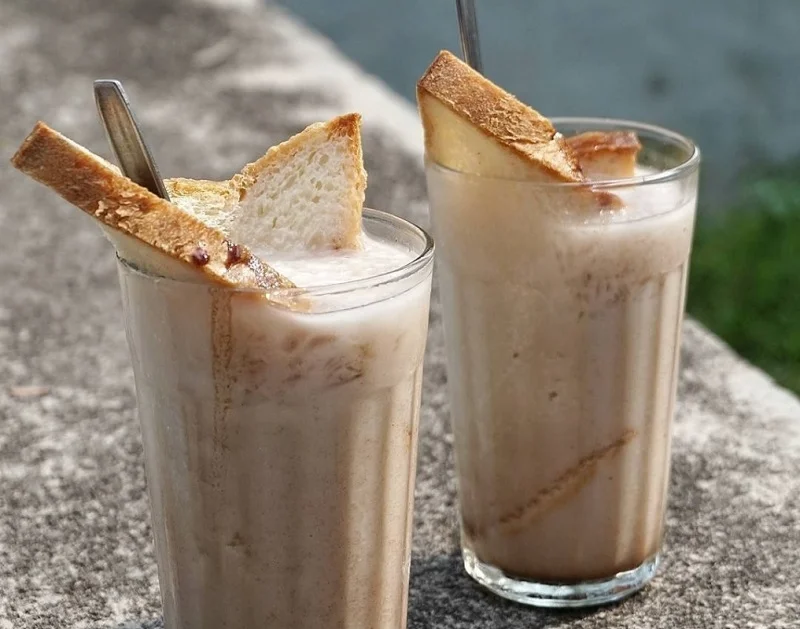
Es kapal may be simple in taste, but its way of serving makes it a whole new culinary experience. The drink is traditionally made with shaved ice, coconut milk, and chocolate syrup, topped with a slice of white bread.
The combination creates a sweet and mildly savoury flavour, with the coconut milk balancing the richness of the chocolate syrup. The bread also absorbs the liquid, resulting in a softer texture and a richer taste with every bite.
Susu Segar Shi Jack
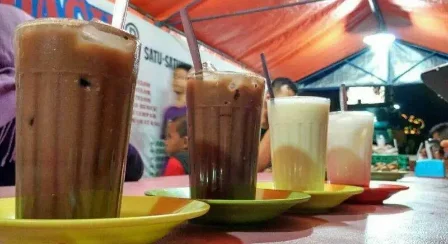
Not every traditional drinks in Solo traces back to an older Javanese recipe. Fresh milk has also become part of the city’s local beverage culture, with Susu Segar Shi Jack among its most recognizable names.
Established in the late 1987, Shi Jack became widely known for serving fresh cow’s milk sourced from Boyolali. Its menu includes plain fresh milk as well as different combinations with honey, chocolate, ginger, and eggs.
Teh Oplos khas Wedangan Solo
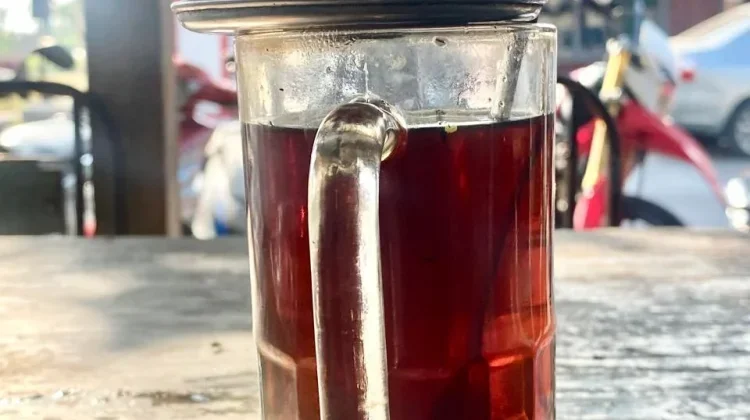
Tea is a familiar drink throughout the archipelago, but Solo has its own way of enjoying it through teh oplos. The term refers to tea made by mixing different tea brands or blends to create a preferred combination of aroma, colour, and flavour. At different wedangan, the combinations can vary, making each cup a little different from the next.
Where to Try Traditional Drinks in Solo
Each of these traditional drinks in Solo can be found across different parts of the city. Some are more commonly available at busy traditional markets, while others can be found at neighbourhood stalls and evening wedangan.
If you’re unsure where to start, however, Pasar Gede Hardjonagoro is a good place to begin. The market is particularly known for es dawet telasih, with stalls such as Es Dawet Telasih Bu Dermi welcoming visitors throughout the day. You may also find gempol pleret around the market.
For es kapal, consider visiting Es Kapal Baron on Jalan Dr. Rajiman in the Laweyan area. If you want to explore warm drinks, traditional wedangan are worth visiting after sunset. Wedangan Pendhopo offers a setting inspired by an old Javanese house, with warm drinks and traditional snacks.
Meanwhile, Wedang Dongo Pak Untung is a local option for trying ginger-based drinks.
Frequently Asked Questions
What Drink Is Solo Famous For?
Solo is famous for es dawet telasih. It combines green dawet, basil seeds, black glutinous rice, fermented glutinous rice, jenang sumsum, coconut milk, and sweet syrup.
What Is a Unique Drink to Try in Solo?
Es kapal is one of the most unique drinks to try in Solo. It combines shaved ice, coconut milk, and chocolate syrup, traditionally served with a slice of white bread on top for dipping. For something warm, wedang asle offers another local experience with its combination of warm coconut milk, glutinous rice, agar-agar, and bread.
What Is the Difference Between Wedang Ronde and Wedang Dongo?
Both drinks use glutinous rice balls served in a warm ginger broth, but their ingredients and serving styles differ. Wedang dongo generally features smaller rice balls and doesn’t typically include the white bread found in some versions of wedang ronde.
Where Can I Find Traditional Drinks in Solo?
Pasar Gede is a good place to start, particularly for es dawet telasih and gempol pleret. For warm drinks such as wedang dongo and wedang asle, look for traditional wedangan and evening food stalls. Es kapal and fresh milk drinks can also be found at local vendors and established stalls around the city.
From refreshing es dawet telasih and creamy gempol pleret to warm wedang asle and wedang dongo, Solo’s traditional drinks offer a different way to get you closer to the city’s culinary heritage. Some are closely tied to traditional markets, while others remain part of the everyday wedangan culture that brings people together in the evening.
If you’re looking for more culinary inspiration, explore our guide to Wedang, What to Eat in Solo, and Javanese Traditional Snacks.