

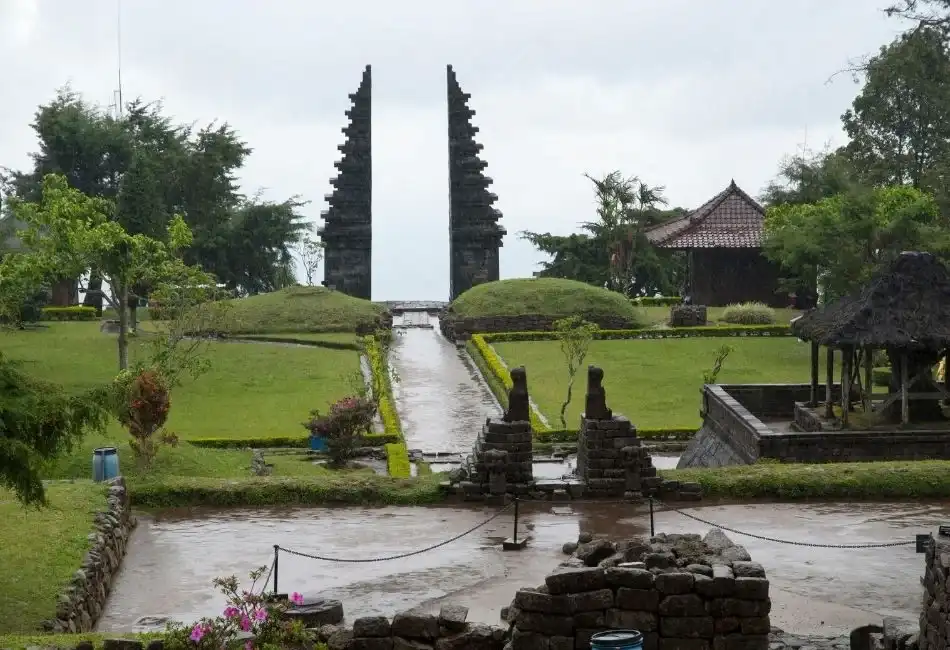
A handful of temples in Central Java offer an experience that goes far beyond ancient structures. From monumental Buddhist sanctuaries to atmospheric Hindu temples tucked into the mountains, these historic architectures are among Indonesia’s most striking heritage sites. Top it all off, each comes with their own distinct story, character, and setting, making every visit feel a little different.
Table of Contents
That leaves you all the more to explore, whether you’re drawn to UNESCO World Heritage Sites, peaceful archaeological ruins, or temples surrounded by dramatic highland scenery, there’s plenty to discover across the region.
Why Central Java Is Home to Indonesia’s Most Spectacular Temples
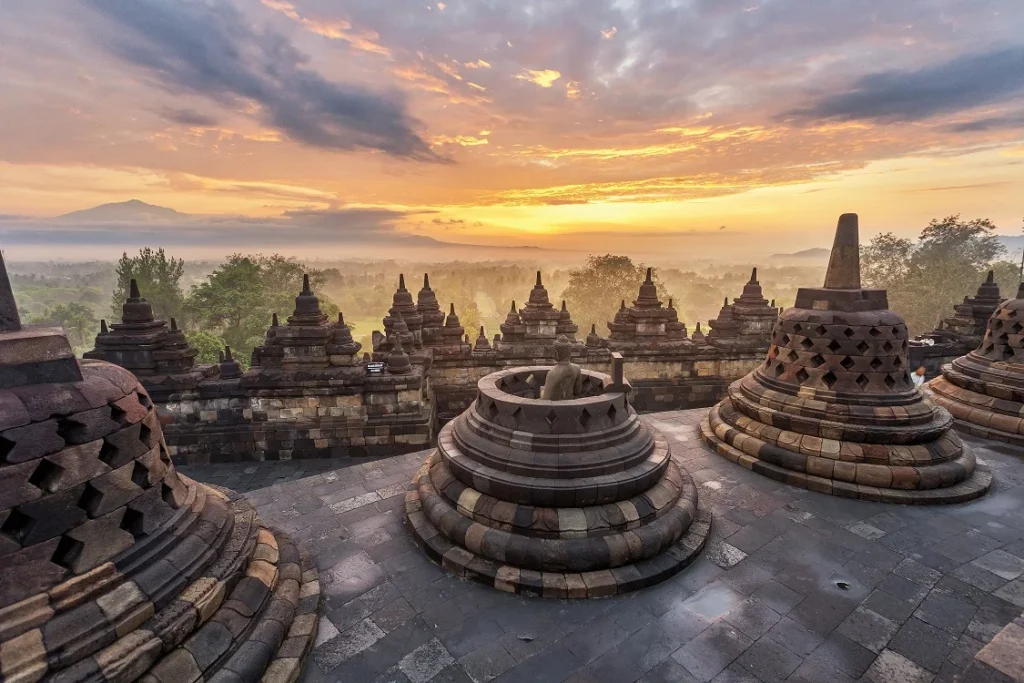
Central Java’s wealth of temples is attributed to the powerful kingdoms that flourished across Java between the 8th and 15th centuries. The Mataram Kingdom, followed by later Hindu-Buddhist kingdoms including the Sailendra and Sanjaya dynasties, played an important role in shaping the region’s religious and architectural landscape.
These kingdoms left behind monumental structures dedicated to both Buddhism and Hinduism. Today, the surviving temples range from enormous complexes such as Borobudur and Prambanan to smaller and more secluded sites in the mountains.
Must-Visit Temples in Central Java
Borobudur Temple
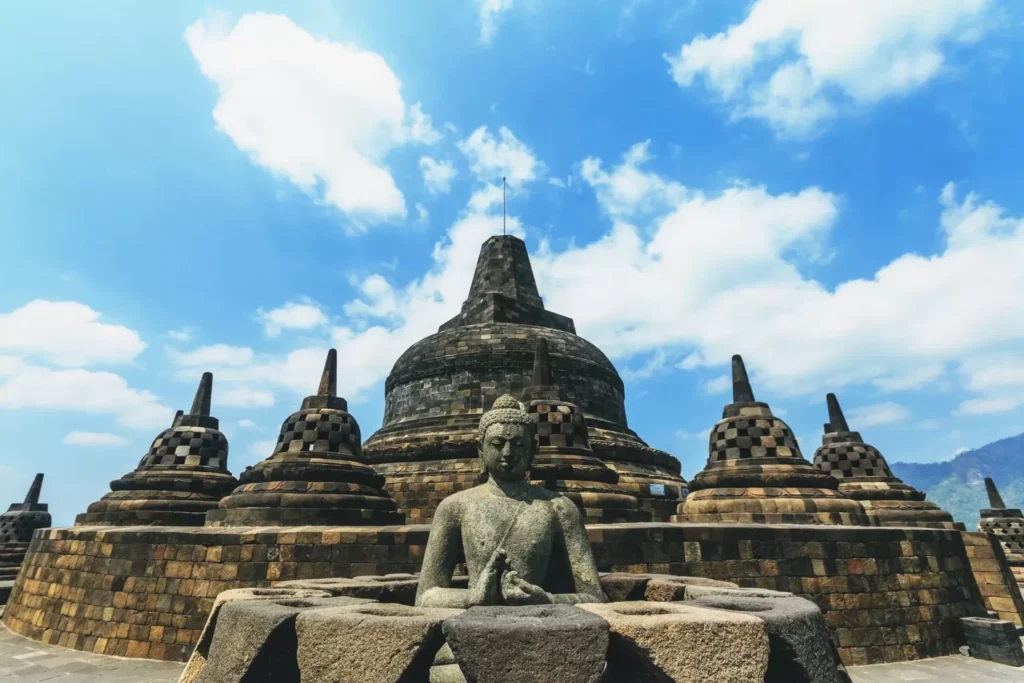
Recognized as a UNESCO World Heritage Site, the enormous Borobudur Temple is undeniably one of the must-visit temples in Central Java. Widely regarded as the world’s largest Buddhist temple, it treats visitors to intricate carvings, tiered architecture, and hundreds of Buddha figures rarely found on such a scale elsewhere. Adding to its architectural grandeur, Borobudur is also an important spiritual destination, particularly during Buddhist celebrations such as Vesak.
Prambanan Temple
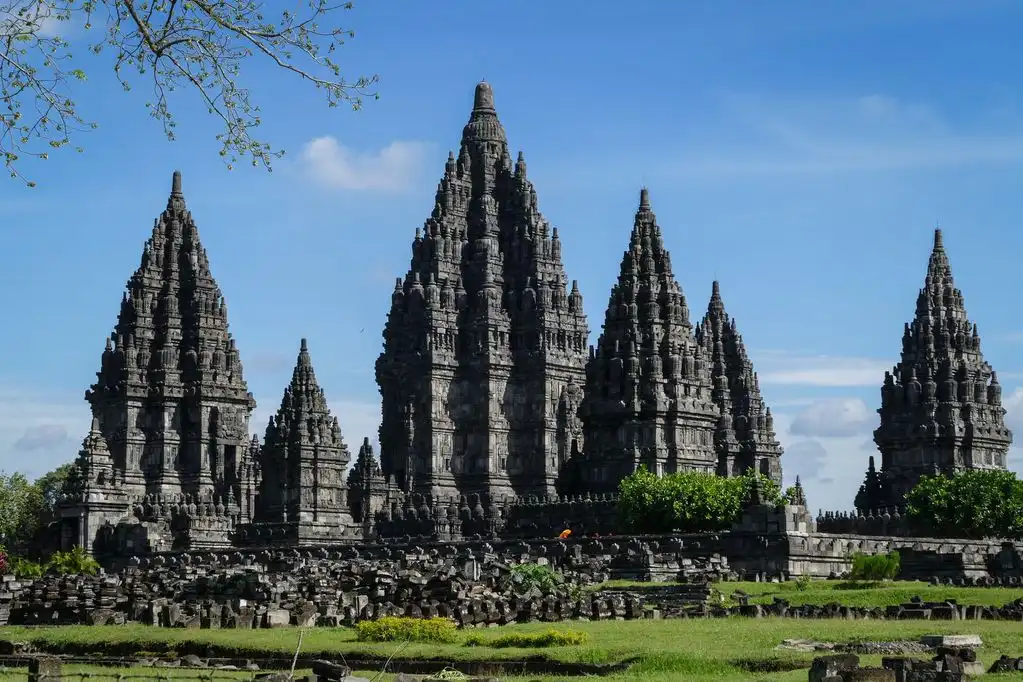
Situated on the border between the Special Region of Yogyakarta and Central Java, Prambanan Temple is the largest Hindu temple compound in Indonesia. It’s known for its three towering sanctuaries dedicated to the Hindu Trimurti, complete with intricate Ramayana reliefs across the temple walls. Those visiting will also have the opportunity to experience more than the architecture, with the nearby open-air theater regularly hosting the Ramayana Ballet.
Mendut Temple
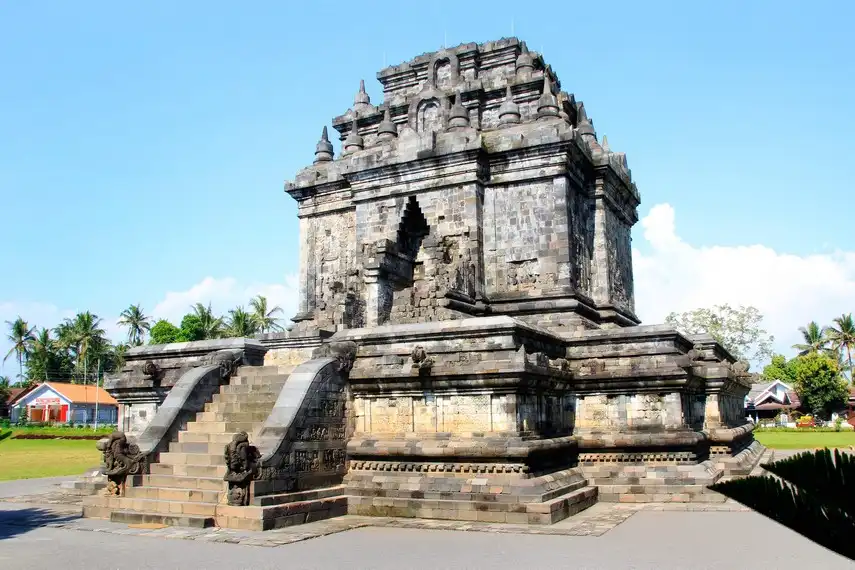
Located not far from Borobudur, Mendut Temple is a smaller but culturally significant Buddhist temple. The temple is particularly known for its distinctive 3-meter-tall seated Buddha statue inside the main chamber, accompanied by two other Buddhist figures. Mendut also holds an important role during Vesak celebrations, serving as one of the temples involved in the traditional pilgrimage procession toward Borobudur.
Ratu Boko
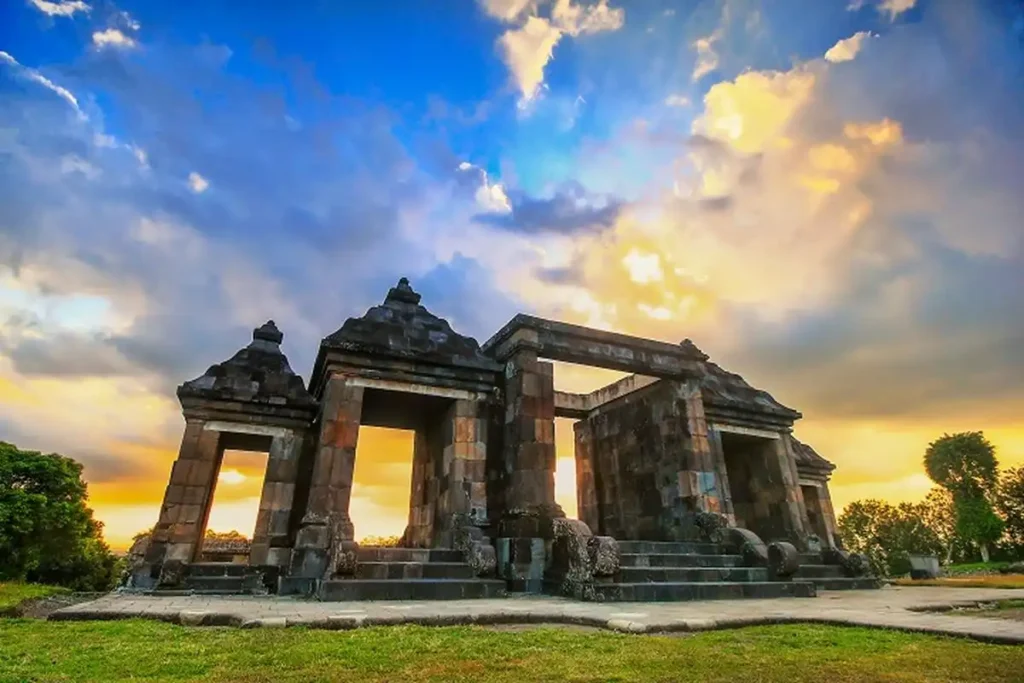
Despite commonly being grouped with Central Java’s temples, Ratu Boko is actually an ancient archaeological complex. Its elevated location overlooking the Prambanan area makes it one of the region’s most popular sunset destinations, while its gateways, terraces, and remnants offer visitors plenty to explore.
Sewu Temple
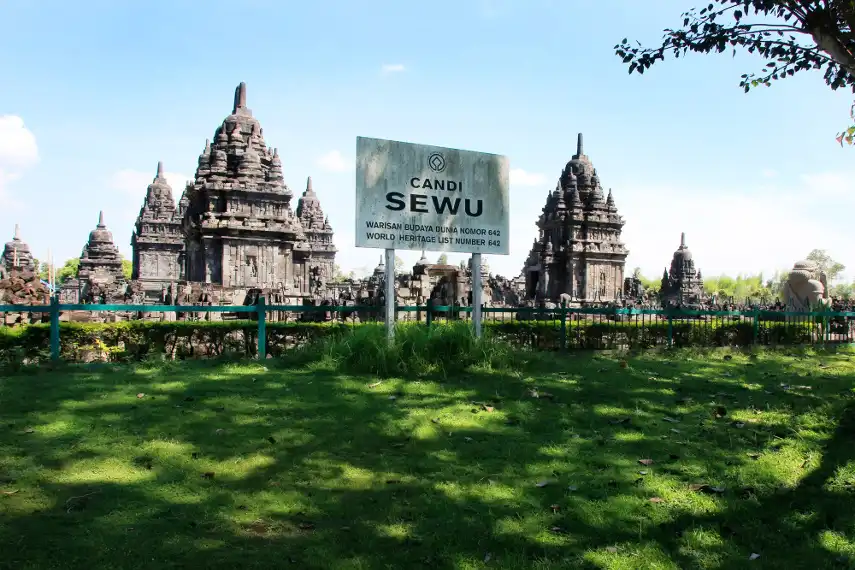
Sewu Temple is located within the wider Prambanan temple area, which naturally makes it a quieter alternative near Prambanan. Despite its name meaning “a thousand” in Javanese, the complex contains just around 240 temples. Its symmetrical arrangement and elaborate architecture offer a fascinating detail to admire.
Plaosan Temple
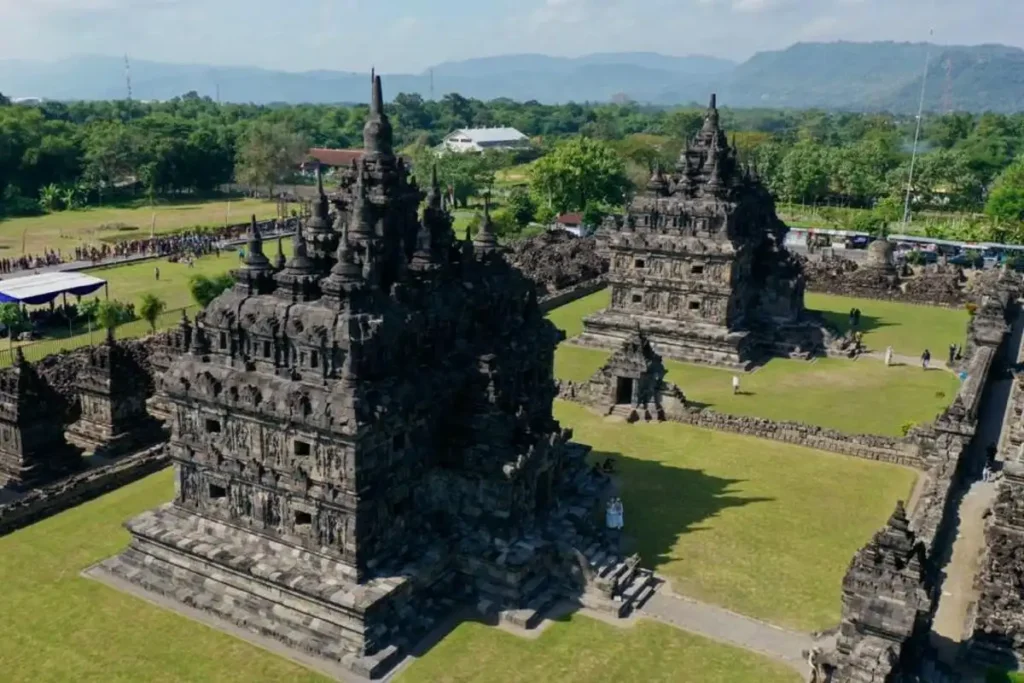
Not far from Prambanan, Plaosan Temple is known for its twin Buddhist temples and elegant stone architecture. The complex combines symmetrical layouts, detailed carvings, and a peaceful rural setting. For these charms, people often appreciate it as a scenic photography spot or simply a place to enjoy some serenity.
Sukuh Temple
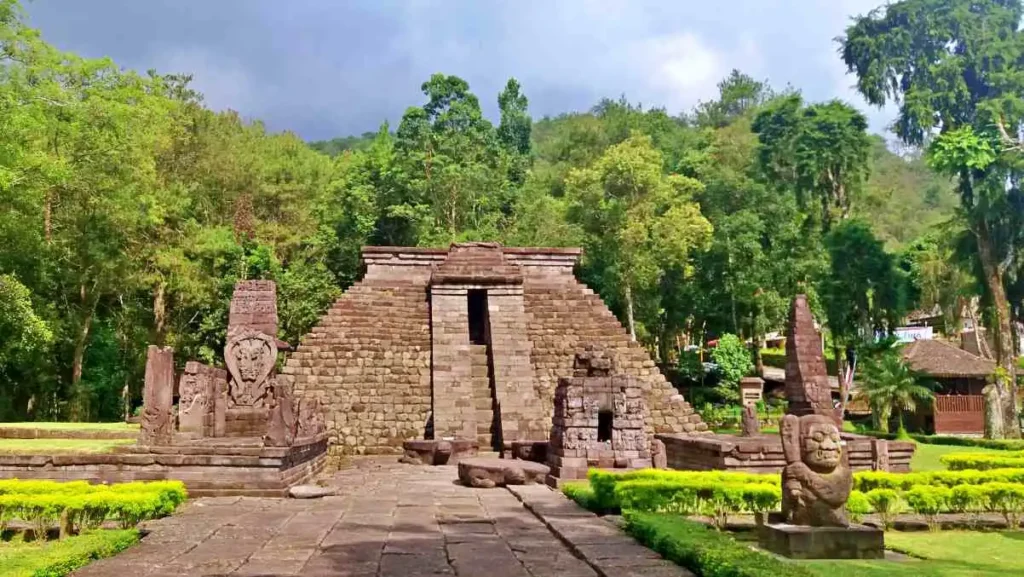
Tucked into the western slopes of Mount Lawu, Sukuh Temple immediately stands apart from many other Javanese temples with its distinctive pyramid-like structure. Built during the late Majapahit period, the temple features unusual reliefs and sculptures influenced by Hindu-Javanese beliefs and local traditions.
Candi Cetho
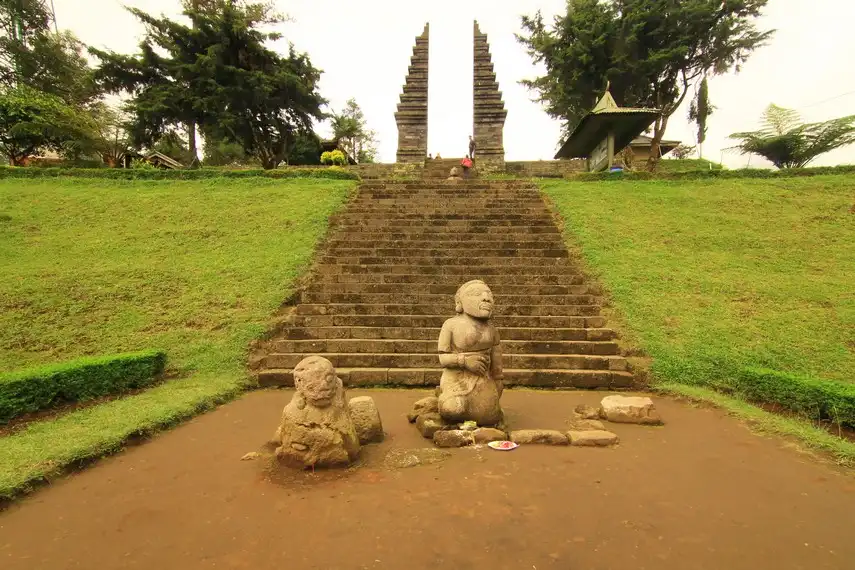
Another highland gem is Cetho Temple. With its series of terraces following the punden berundak concept, Cetho Temple brings to life the idea of a gradual ascent toward increasingly sacred spaces, leaving visitors with sweeping views of the mountain scenery. Unlike many archaeological sites in Java, Cetho remains an active Hindu place of worship.
Dieng Temple Complex
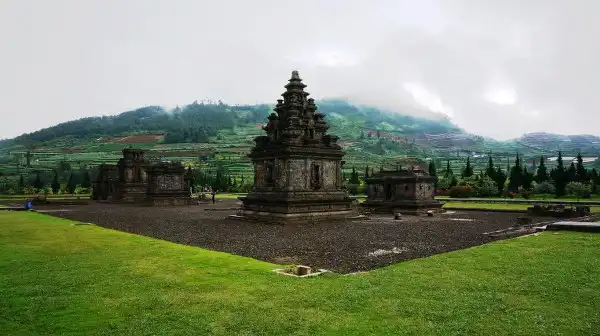
High in the volcanic landscape of the Dieng Plateau, the Dieng Temple Complex contains some of the oldest surviving Hindu temples in Central Java. The temples are generally associated with the early Mataram period and are named after figures from the Mahabharata, including Arjuna, Srikandi, and Gatotkaca. Of the three, the Arjuna Temple Complex is the main area to explore.
Planning Your Temple Trip
- Best Time to Visit
The dry season, generally from around April to October, is often more comfortable for outdoor temple exploration, although conditions can vary. Morning visits are particularly worthwhile for cooler temperatures and softer light, while sunset works especially well at elevated sites such as Ratu Boko. - Transportation Options
Private cars, rental vehicles, and ride-hailing services are generally the most convenient options for reaching multiple temples. Public transportation can work for major destinations, but access becomes more limited for temples in mountainous areas. - Ticket Planning
Please do check the latest entrance fees and operating schedules, as these can change. - Temple Etiquette
It’s important to dress respectfully, follow designated visitor routes, avoid climbing on structures, and remember that several temples remain active religious sites.
Frequently Asked Questions
What Is the Most Famous Temple in Central Java?
Prambanan and Borobudur Temple are arguably the most famous temples in Central Java. They are both recognized internationally for their monumental architecture, intricate reliefs, and UNESCO World Heritage status.
Which Temples Are UNESCO World Heritage Sites?
Borobudur Temple and Prambanan Temple are part of UNESCO World Heritage properties. Borobudur Temple Compounds were inscribed in 1991, while the Prambanan Temple Compounds were also inscribed in 1991.
Can I Visit Borobudur and Prambanan in One Trip?
Yes, Borobudur and Prambanan can be visited during the same trip, although they are located in different areas. Travelers with limited time can dedicate a full day to both, but allowing more time provides a less rushed experience.
Which Temple Is Best for Sunrise?
Borobudur is one of the most popular choices for a sunrise experience.
What Are the Oldest Temples in Central Java?
The Dieng Temple Complex contains some of the oldest surviving Hindu temples in Java, generally dated to the 7th–8th centuries.
From grand Buddhist monuments to secluded Hindu temples in the mountains, the landscape of temples in Central Java is as diverse as the stories behind it. Exploring these sites offers a chance to see how religion, royal history, architecture, and local traditions have shaped Java over centuries.
Want to keep the heritage journey going? Discover more with our guides to the best temples in Jogja, Borobudur Temple, and Prambanan Temple.