

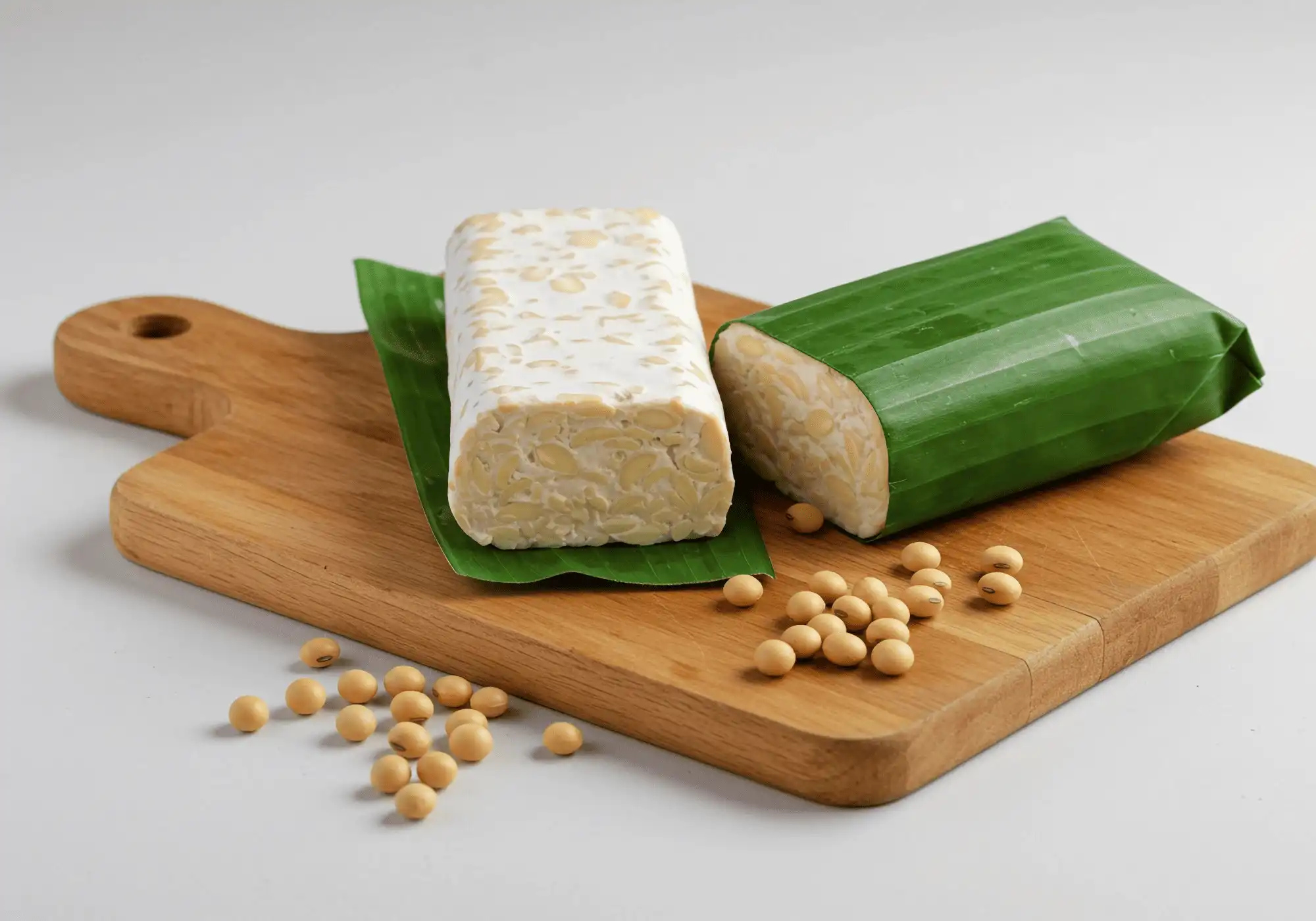
Tempe is one of Indonesia’s most iconic and beloved traditional foods. Well known for its high protein content and fermentation process, tempe has grown into a globally recognized superfood. More interestingly, it also tells a deeper story of the country’s history, traditions, and cultural richness.
Table of Contents
What is Tempe?

Tempe is a traditional soy-based protein made through a natural fermentation process using Rhizopus oligosporus, a beneficial mold that binds soybeans into a compact cake. While it’s now widely known as a plant-based protein both in Indonesia and abroad, tempe traces its roots to Central Java more than 300 years ago.
Alongside its growing international popularity, tempe remains an accessible and budget-friendly ingredient in everyday Indonesian households. It can be easily cooked into a variety of dishes and served as a snack, side dish, or even a meat substitute in vegetarian and vegan meals.
The Javanese Origins of Tempe

The earliest known written reference to tempe appears in Serat Centhini (1814), one of the most significant encyclopedic literary works in Javanese culture. The manuscript indicates that in Central Java, tempe had already been part of community life since at least the 1600s. It mentions two dishes that used tempe: jae santen tempe, a tempe dish cooked in coconut milk, and kadhele tempe srundengan.
While tempe is considered a uniquely Indonesian creation, tofu, known locally as tahu, traces its origin to China. Even so, both foods have become essential protein sources in Indonesian cuisine.
How Tempe is Made: Traditional vs Modern
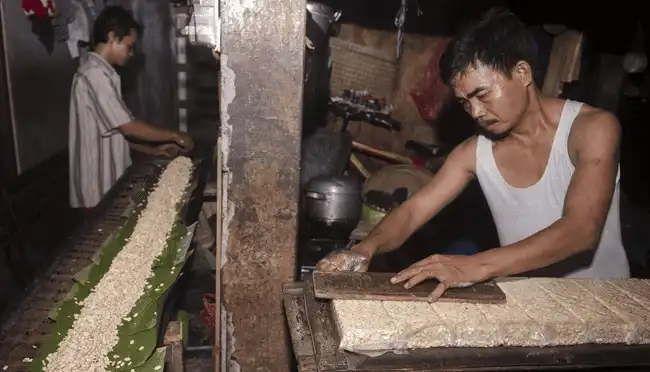
At its core, tempeh is made through a simple fermentation process that transforms soybeans into a dense, protein-rich food.
Traditionally, making tempeh begins with soaking soybeans in water for hours. Once done, the beans are mixed with a culture containing beneficial mold, usually Rhizopus oligosporus. The mixture is then wrapped in banana leaves and left to ferment for around 24 to 48 hours, during which the mold binds the beans together into a firm cake.
As for modern production, the process still follows the same basic fermentation principles but often replaces banana leaves with perforated plastic packaging. Producers also often use more adequate and hygienic facilities.
In both traditional and modern methods, good-quality tempeh can be recognized by its compact shape and dense white mold threads holding the soybeans together. This white layer shows the fermentation has developed properly.
Is Tempe Healthier than Tofu?
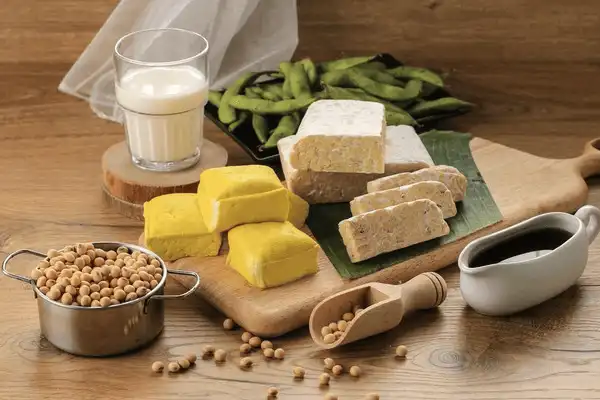
Whether one is healthier with tempeh or tofu depends on dietary needs and personal preferences. But when looking at the nutritional profile, tempeh tends to have higher protein and dietary fiber. The fermentation process can also improve nutrient bioavailability, meaning the body may absorb certain nutrients more easily. Its dense texture also makes it a more filling and satisfying option.
Meanwhile, tofu has a much softer texture and is typically lower in calories, making it a lighter choice for those looking for a milder flavor or a lower-calorie ingredient. Its versatility also makes it popular in soups, stir-fries, and desserts.
Tempe in Javanese Cuisine
The island of Java remains the heartland of tempe consumption, where it appears in countless traditional dishes.
1. Tempe Goreng
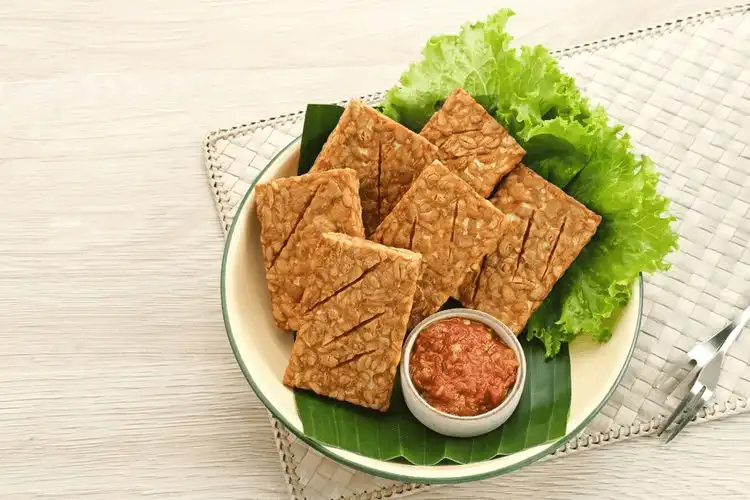
One of the most familiar preparations, tempe goreng, is made by slicing tempe and frying it until golden brown. It is commonly served as a side dish with rice and other traditional meals, beloved for its crispy texture and savory taste.
2. Tempe Bacem
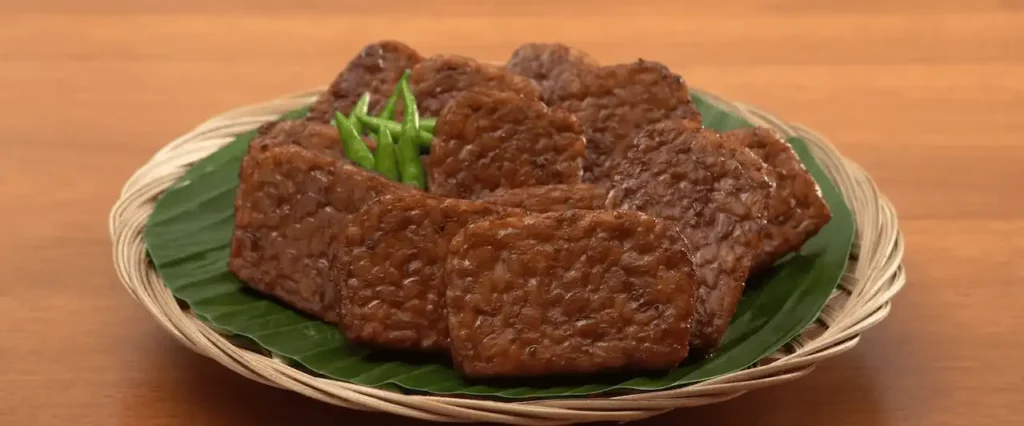
Popular in Central Java, tempe bacem is simmered in palm sugar and aromatic spices before being fried. The result is a sweet-savory dish that reflects the signature flavor of Javanese cuisine.
3. Benguk Kulonprogo
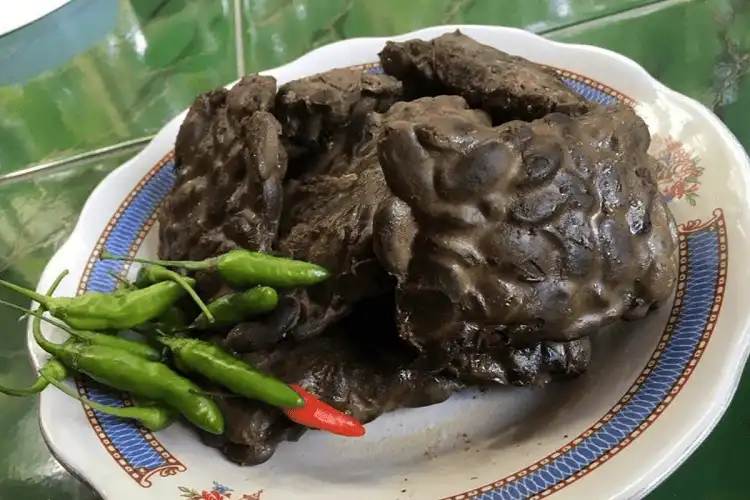
This Kulonprogo specialty differs from regular soy-based tempe because it uses velvet beans instead of soybeans. It usually appears darker in color, has a firmer texture, and has a stronger aroma than regular tempe.
4. Sate Tempe

Sate tempe features marinated tempe grilled on skewers, often coated with sweet soy sauce and spices. It is a popular choice for those seeking a plant-based twist on the classic Indonesian satay.
Where to Find the Best Tempe in Yogyakarta
In Yogyakarta, you can head to either Pasar Kranggan or Pasar Beringharjo to find the best tempe.
1. Pasar Kranggan
This traditional market is especially known for fresh produce and locally sourced ingredients. Many locals rely on it for daily shopping, making it a lively place to experience the daily life of the communities.
- Address: Jl. Pangeran Diponegoro, Gowongan, Kec. Jetis, Kota Yogyakarta, Daerah Istimewa Yogyakarta 55233
2. Pasar Beringharjo
A favorite among tourists, Pasar Beringharjo is also known as a great spot to find fresh tempe in Yogyakarta. The market is always stocked with fresh products from local producers.
- Address: Jl. Margo Mulyo No.16, Ngupasan, Kec. Gondomanan, Kota Yogyakarta, Daerah Istimewa Yogyakarta 55122
Besides these markets, many local warungs around the city serve tempe-based dishes such as tempe bacem. By visiting one of these simple eateries, you can get a true taste of the authentic Javanese flavor of tempeh.
Tempe’s Global Journey
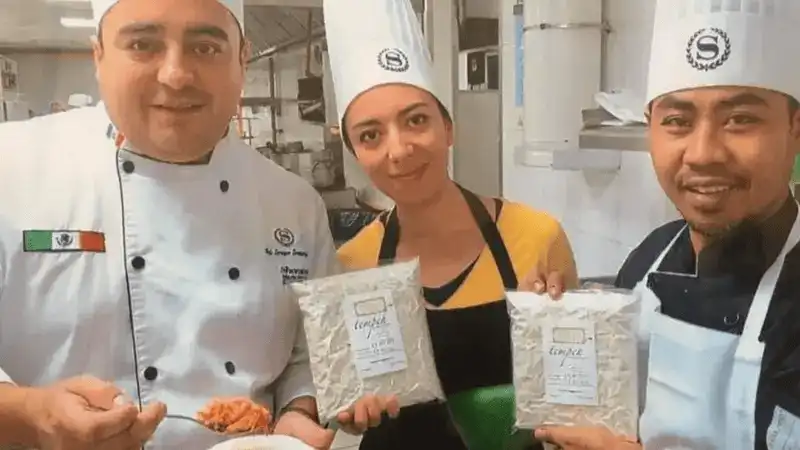
What began as a traditional food in Indonesia has gradually gained international recognition. Since the 1970s, tempeh has spread to parts of Europe and North America, where it became increasingly popular among vegetarian and vegan communities. This growing interest was followed by the rapid development of commercial tempe producers around the world.
Its high protein content, fermented nature, and plant-based appeal have helped tempeh secure a place in global vegan diets. Reflecting its cultural significance, the government of Indonesia submitted tempe culture for nomination to UNESCO’s Intangible Cultural Heritage list in 2025, with the recognition process still ongoing.
To explore more of Java’s culinary heritage, you can also discover Yogyakarta’s most iconic traditional foods.