
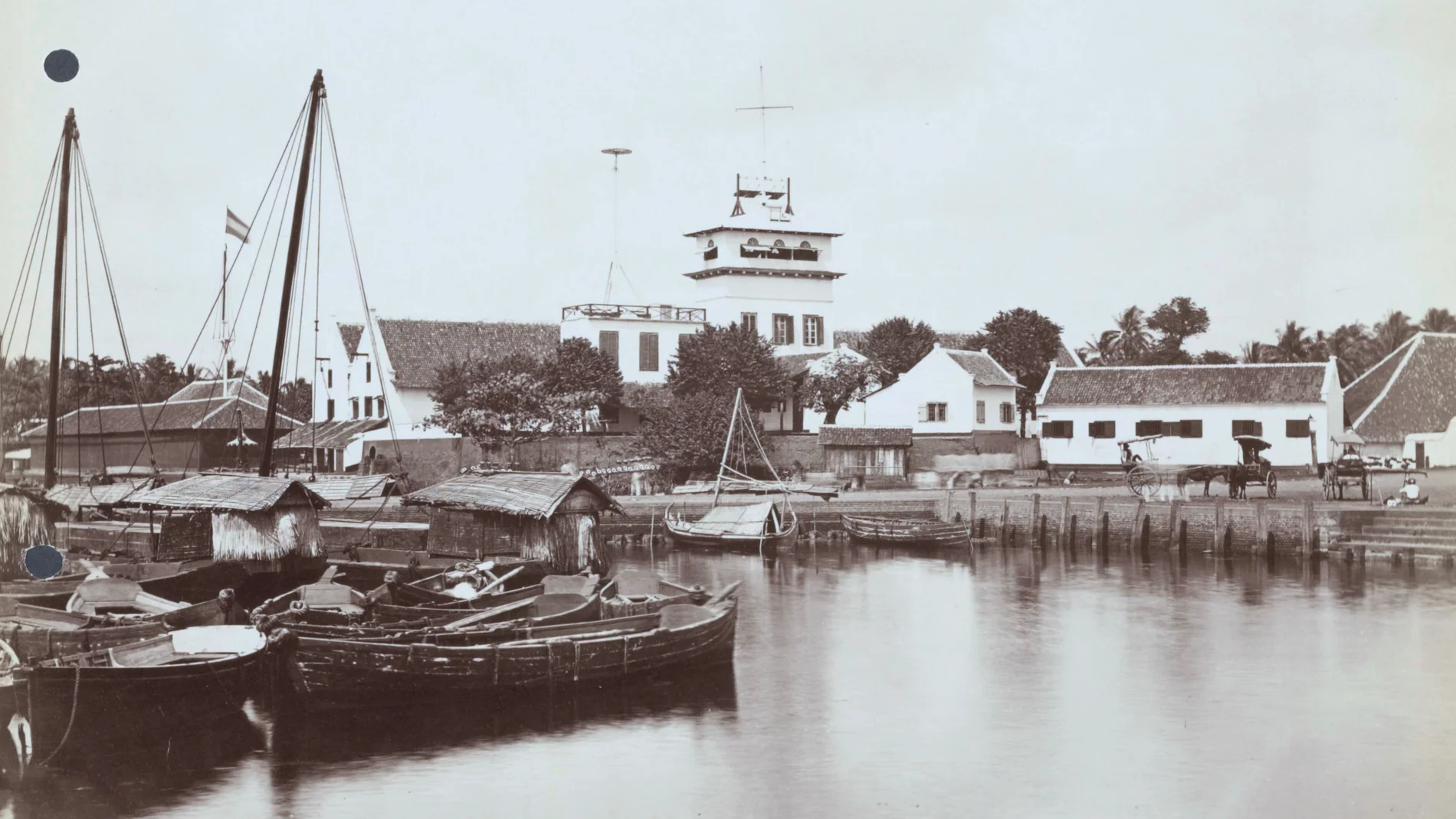
Jakarta has a long colonial history. Before it was called “Jakarta,” the city was known as Batavia, which was the capital of the Dutch East Indies. Jakarta is located on the northwest coast of Java Island, facing the Java Sea. Even though Jakarta is now a modern city, its history still shapes its present.
Table of Contents
Before Batavia, Jakarta’s Story Begins in Sunda Kelapa
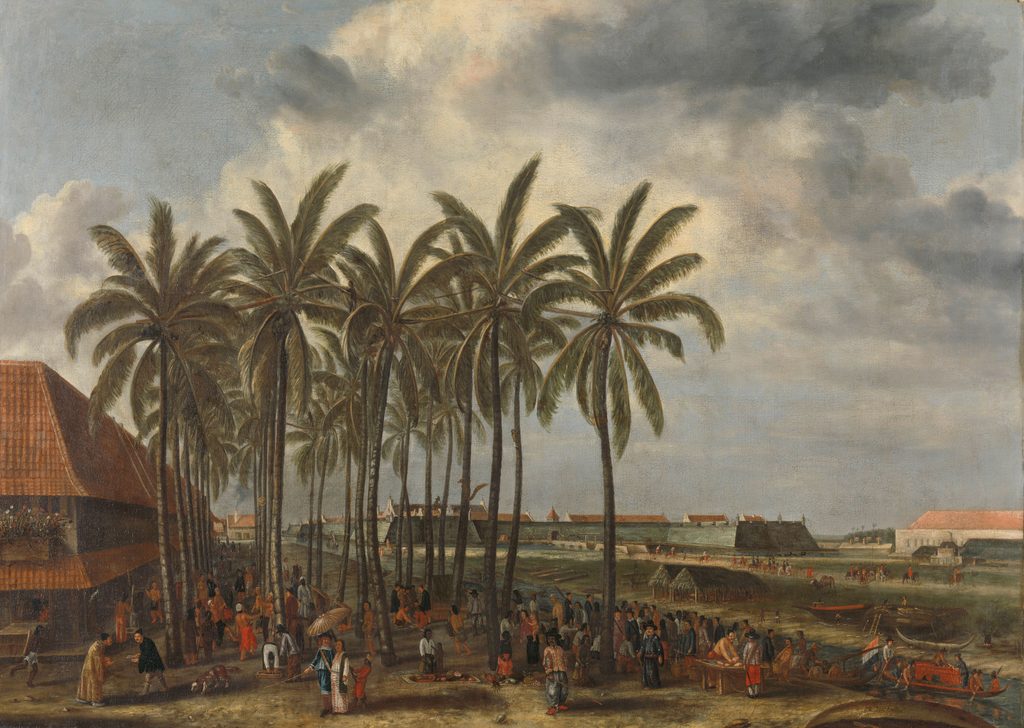
Sunda Kelapa was the Sunda Kingdom’s main port, located in Penjaringan, north of present-day Jakarta. At the time, Jakarta had not yet been established. Sunda Kelapa was a key stop for ships traveling between islands.
By the 12th century, it grew into an important economic center and was fought over by kingdoms from across Indonesia and even Europe. The Demak Kingdom eventually captured Sunda Kelapa after Prince Fatahillah led an attack.
History of Batavia Name

Before it was called Batavia, Jakarta was known as “Jayakarta.” Pangeran Fatahillah, the Admiral of Cirebon and an Islamic leader, gave it this name after conquering Sunda Kelapa and taking the port from the Portuguese. From then on, Sunda Kelapa was called “Jayakarta.”
In 1619, the Dutch changed the name “Jayakarta” to “Batavia” and made it their main base in Indonesia. The name Batavia comes from the Batavi, a Germanic tribe that once lived along the Rhine River during the Roman Empire. Many Dutch and Germans believed they were descended from this tribe, so they chose the name Batavia.
Later, Batavia was also the name of a large Dutch ship owned by the VOC (Vereenigde Oostindische Compagnie). The ship sank near Beacon Island in Western Australia, and the crew escaped in lifeboats, hoping to reach the city of Batavia.
Tracing Jakarta’s Names Through History
| Name | Time |
| Sundapura/Sunda Kalapa | 4th-14th Century |
| Jayakarta | 1527-1619 |
| Batavia | 1619-1942 |
| Djakarta/Jakarta Tokubetsu Shi | 1942-1945 |
| Jakarta/Daerah Khusus Ibukota Jakarta | 1945-Present |
How Batavia Was Designed as a Colonial City
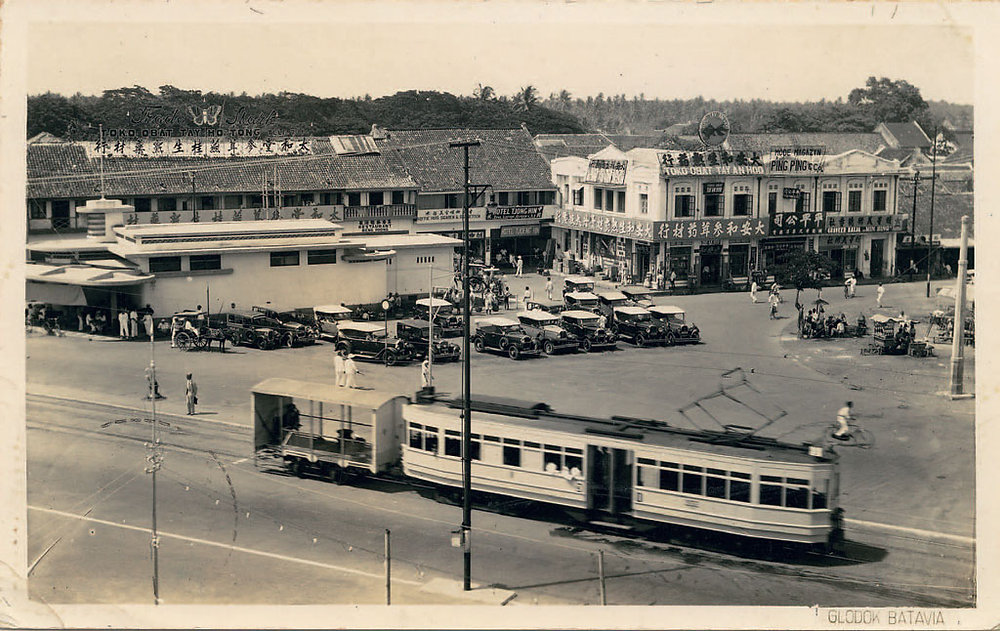
The Dutch planned Batavia to be a colonial city. Jan Pieterszoon Coen gave it the slogan, “Dispereert niet, ontziet uw vijanden niet, want God is met ons,” which means, “Do not despair, do not forgive your enemies, because God is with us.”
Batavia under the VOC was not as peaceful as it might seem. The city faced two attacks from the Mataram Sultanate, which made things even worse. Around the same time, a cholera outbreak spread through Batavia and led to the death of Jan Pieterszoon Coen.
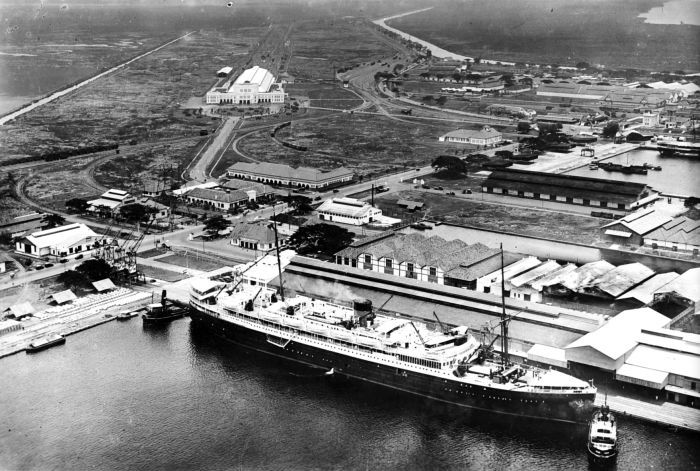
This city was one of the biggest cities under the control of the Dutch East Indies government in Indonesia. In the 19th century, Industrialization and modernization brought development to Batavia, helping it become one of the modern cities in the Asian region.
The city boasts great diversity, thanks to the diverse ethnicities and tribes that ultimately depend on the city for their livelihoods. Ethnic diversity, including Betawi and Javanese, Chinese, Arab, and European, created a diverse social class. Europeans once formed the upper class, while the lower class consisted of indigenous people.
Batavia was a colonial city where different cultures came together and influenced daily life, especially in architecture. Many large buildings have a European style, but some areas of the city show a blend of Betawi, Chinese, and Arab styles.
The Evolution of Batavia into Jakarta
Japan took control of the city in 1942, ending more than 323 years of Dutch rule. The Japanese Empire renamed Batavia Djakarta Tokubetsu Shi, meaning “Keep Differences Away.” Two years later, after the bombings of Hiroshima and Nagasaki, Japan surrendered. On August 17, 1945, Indonesian freedom fighters declared independence.
In 1949, Djakarta became the capital of the Republic of Indonesia. After this, people stopped using the name Batavia and started calling the city Djakarta. The city’s name was officially changed to Jakarta on June 22, 1956.
Batavia Today: Exploring Kota Tua Jakarta
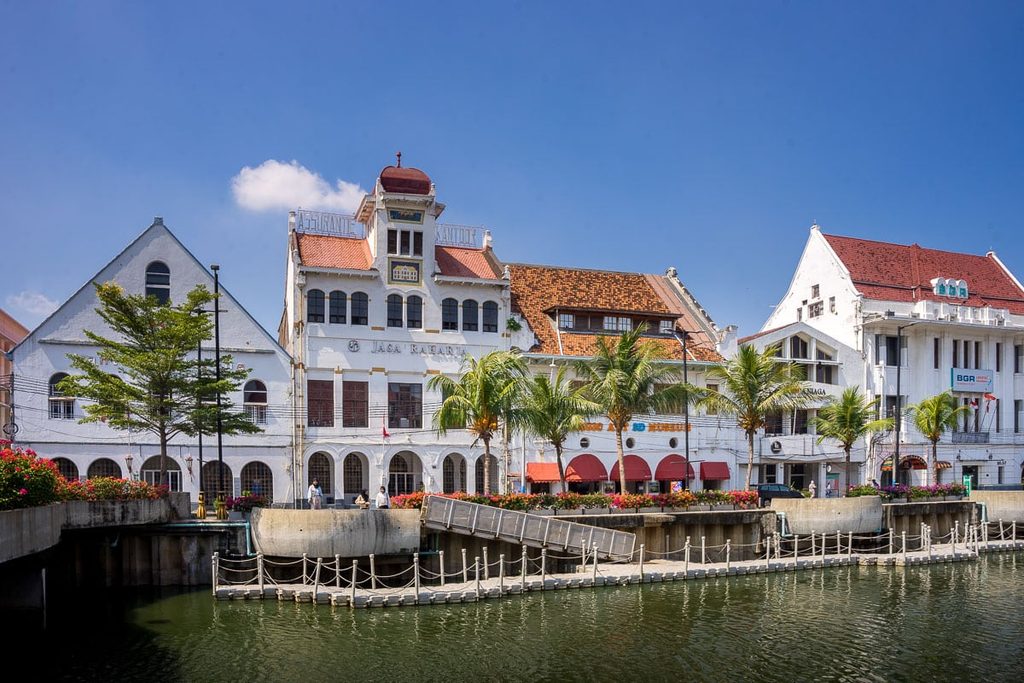
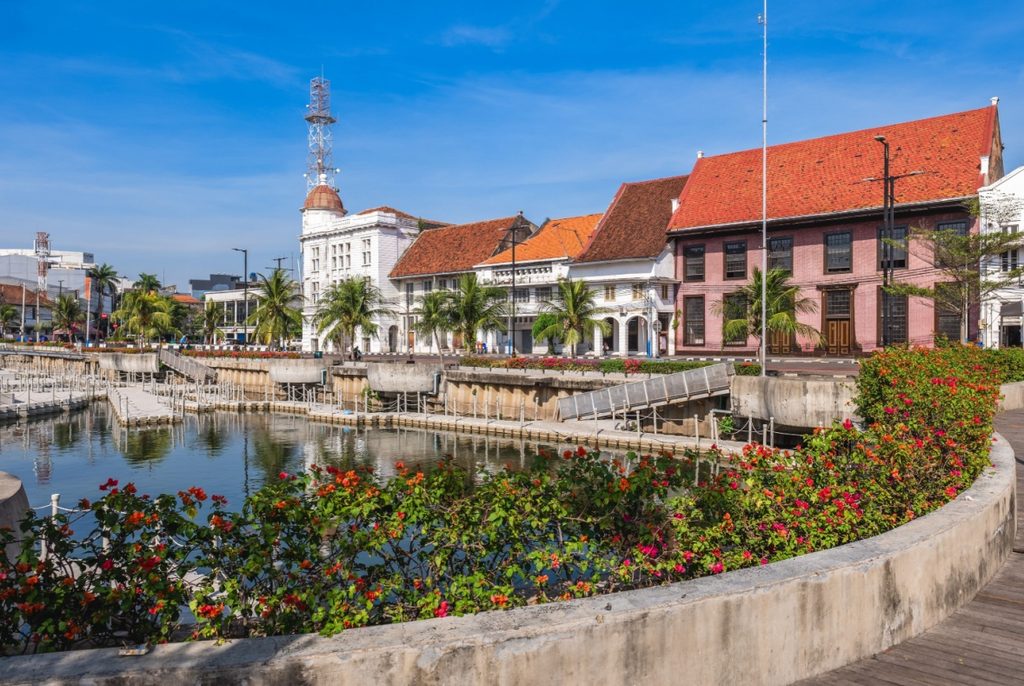
Jakarta’s long history lives on in the iconic Kota Tua Jakarta, where many colonial buildings and landmarks still stand. This area lets you explore the city’s past and admire its beautiful architecture. Here are some must-see landmarks in Kota Tua Jakarta:
Museum Fatahillah

- Location: Jl. Taman Fatahillah 1, Jakarta Barat, DKI Jakarta, Indonesia
- Opening Hours: 9 AM – 3 PM (Closed on Monday)
- Entrance Ticket: IDR 5,000 to IDR 15,000 per person
The Fatahillah Museum, built in 1710, once served as the Stadhuis, or city hall. It stands on the south side of Fatahillah Park, Batavia’s main square. The Neoclassical building has three floors and covers 1,300 square meters. Inside, you can find archaeological artifacts, royal-era replicas, and Dutch relics.
Museum Wayang
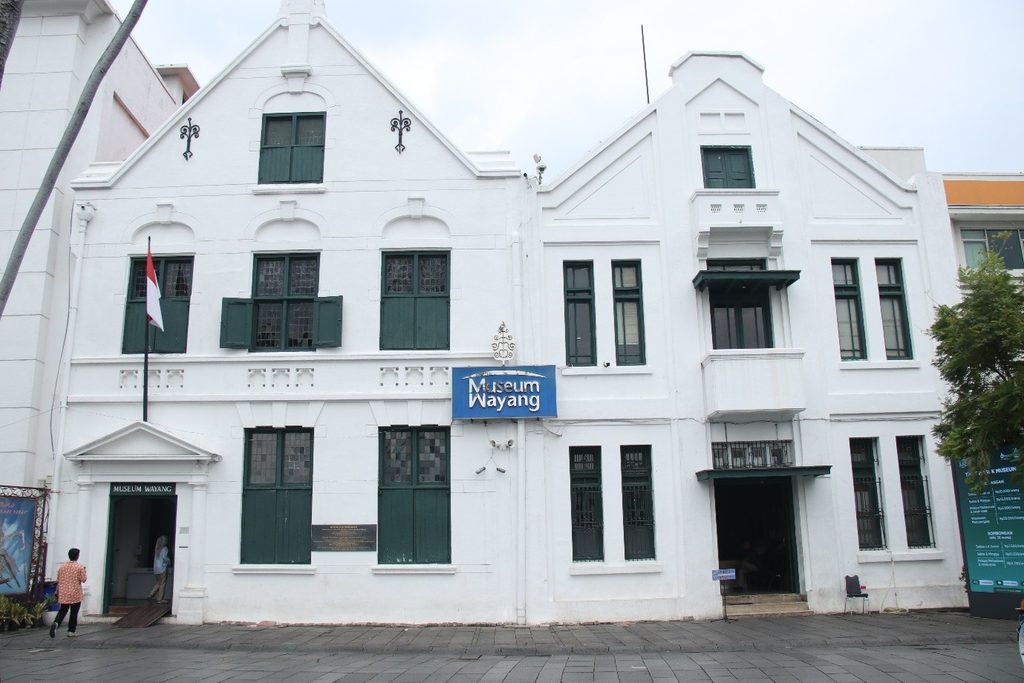
- Location: Jl. Pintu Besar Utara No.27, Kota Tua, Jakarta Barat
- Opening Hours: 9 AM-3 PM on weekdays and 9 AM-8 PM on weekends. (Closed on Monday)
- Entrance Ticket: IDR 10,000 to IDR 50,000 per person
The Wayang Museum was originally a church called de Oude Hollandsche Kerk, built in 1640. An earthquake destroyed it, and it was renamed de Nieuw Hollandschee Kerk. Later, during the colonial era, it became the Oude Bataviasche Museum. In 1975, it was officially renamed the Wayang Museum and inaugurated by Jakarta Governor Ali Sadikin.
Museum Bank Indonesia
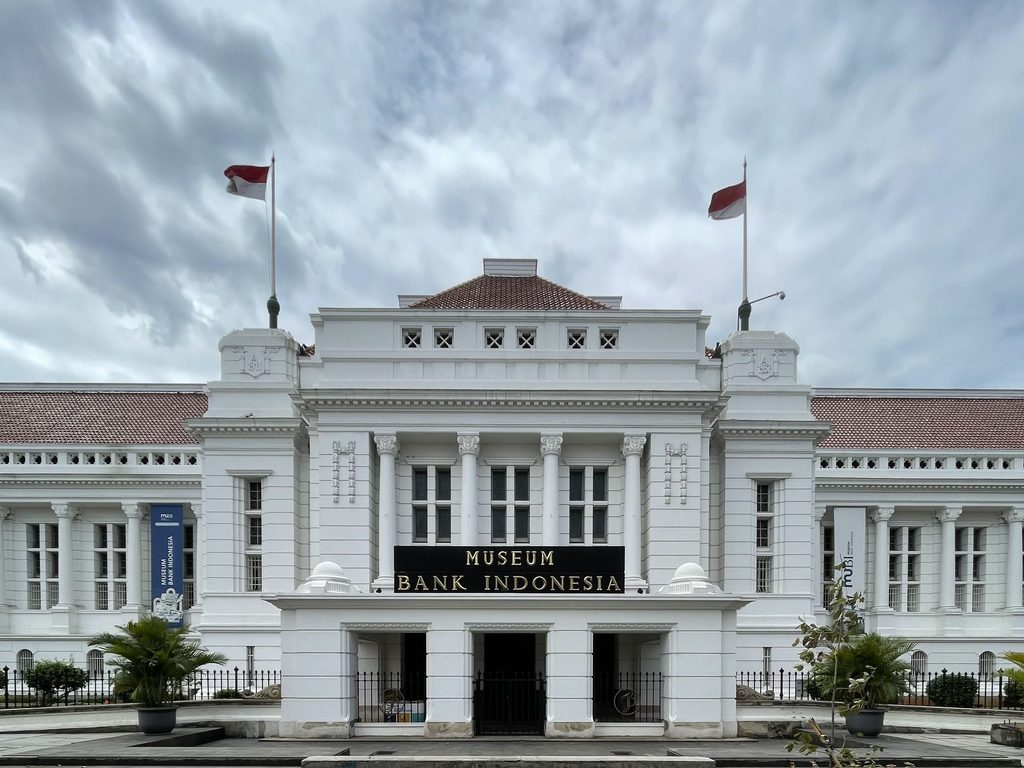
- Location: Jl. Pintu Besar Utara No.3, RT.4/RW.6, Pinangsia, Taman Sari, Jakarta Barat
- Opening Hours: 8 AM – 3 PM (Closed on Monday)
- Entrance Ticket: IDR 5,000 to IDR 15,000 per person
The Bank Indonesia Museum was originally part of De Javasche Bank and was completed in 1828. It opened to the public on December 15, 2006, with a ceremony led by Burhanuddin Abdullah, then Governor of Bank Indonesia. Inside, visitors will find static panels, plasma screens, and dioramas. The museum shows how Bank Indonesia has shaped the nation’s history.
Museum Bahari & Sunda Kelapa
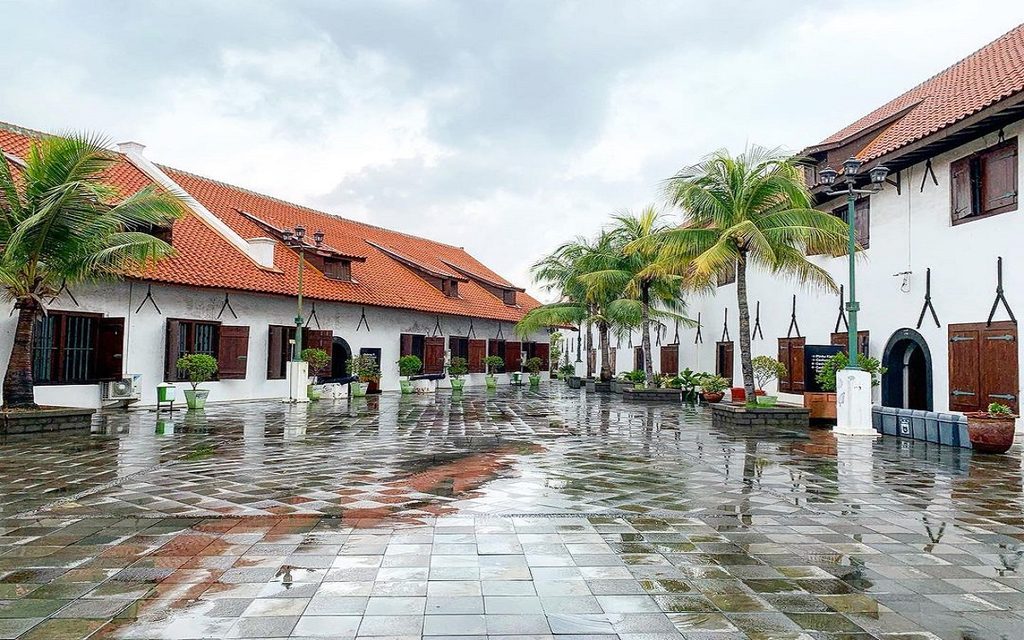
- Location: Jl. Ps. Ikan No.1, RT.11/RW.4, Penjaringan, Jakarta Utara
- Opening Hours: 9 AM – 4 PM (Closed on Monday)
- Entrance Ticket: IDR 5,000 to IDR 15,000 per person
The Maritime & Sunda Kelapa Museum once stored trade goods for the Dutch East India Company, such as spices, coffee, mining products, and textiles. During the Japanese occupation, the buildings held supplies for the Japanese military.
Today, the Maritime & Sunda Kelapa Museum displays different types of boats used by Indonesians. The collection shows a range of shapes, styles, and decorations. The museum also includes vessels from the VOC era.
Jakarta has grown into one of Indonesia’s largest and most metropolitan cities, known as a major hub for business, commerce, and modern urban life. Today, the city stands as one of Indonesia’s leading business centers. Explore more stories about Jakarta and Java with us!
Frequently Asked Question
What was Batavia?
During the Dutch colonial period, Jakarta was known as Batavia and served as one of the Dutch East Indies’ most important cities.
Why was Jakarta called Batavia?
In 1619, the Dutch changed the name “Jayakarta” to “Batavia” and made it their main base in Indonesia. The name Batavia comes from the Batavi, a Germanic tribe that once lived along the Rhine River during the Roman Empire. Many Dutch and Germans believed they were descended from this tribe, so they chose the name Batavia.
What was Batavia known for?
Batavia was an important administrative city and had one of the busiest harbors during the colonial era. Industrialization and modernization helped Batavia grow, turning it into one of the most modern cities in Asia.
What is Batavia called today?
Batavia is known as Jakarta now.
Is Kota Tua the same as Batavia?
Kota Tua was the main area of Batavia at the time because it had many buildings that were still preserved as historical landmarks.