

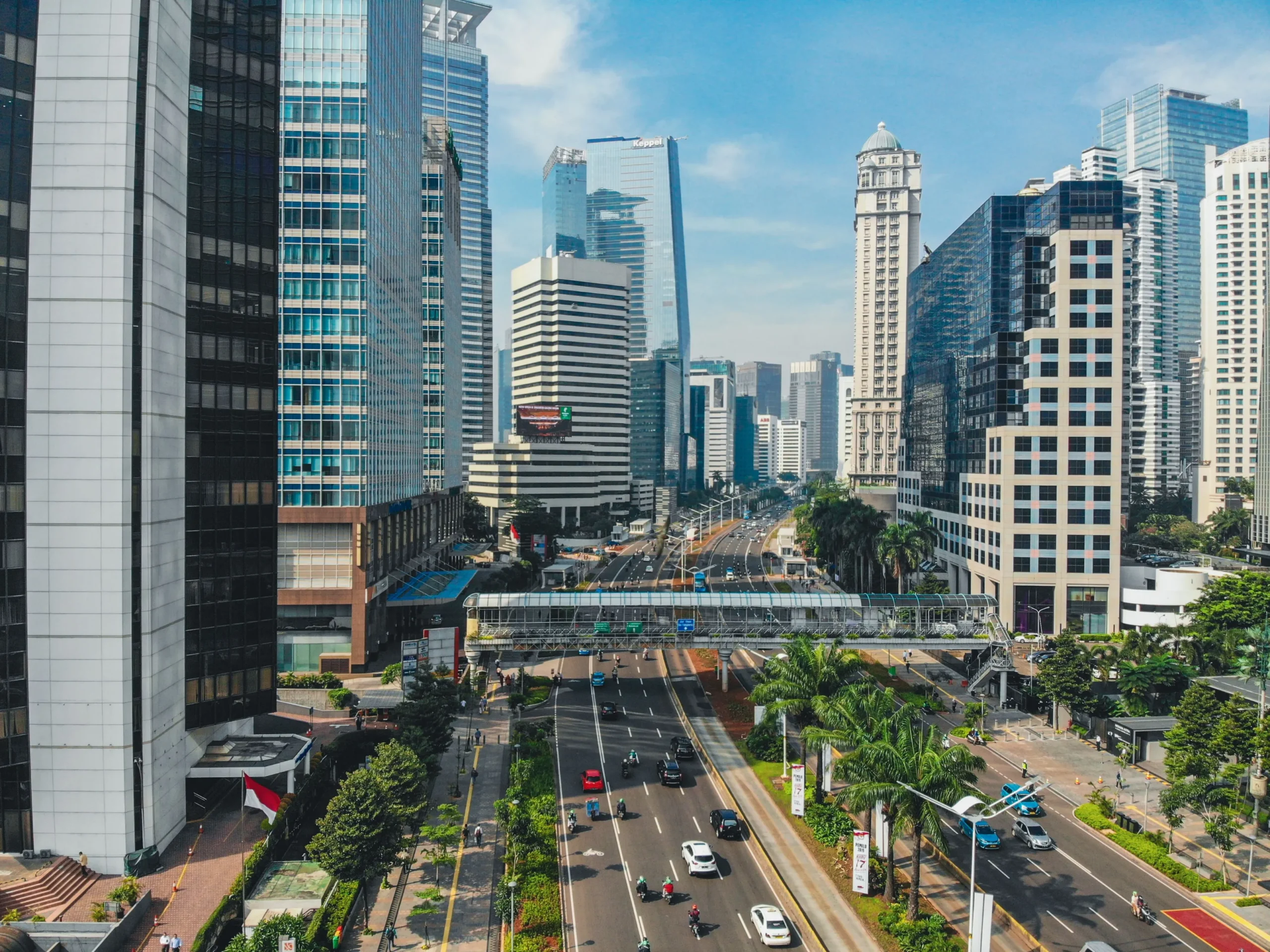
People are drawn to Jakarta because it’s convenient, well-connected, and a true metropolis. As one of Indonesia’s biggest cities, Jakarta is quickly becoming the main center for business and modern life. When it comes to neighborhoods, there’s so much to explore. Each area has its own character, from busy business and lifestyle districts to quiet, ideal places to live.
Table of Contents
Getting to Know Jakarta, A City of Diverse Neighborhoods
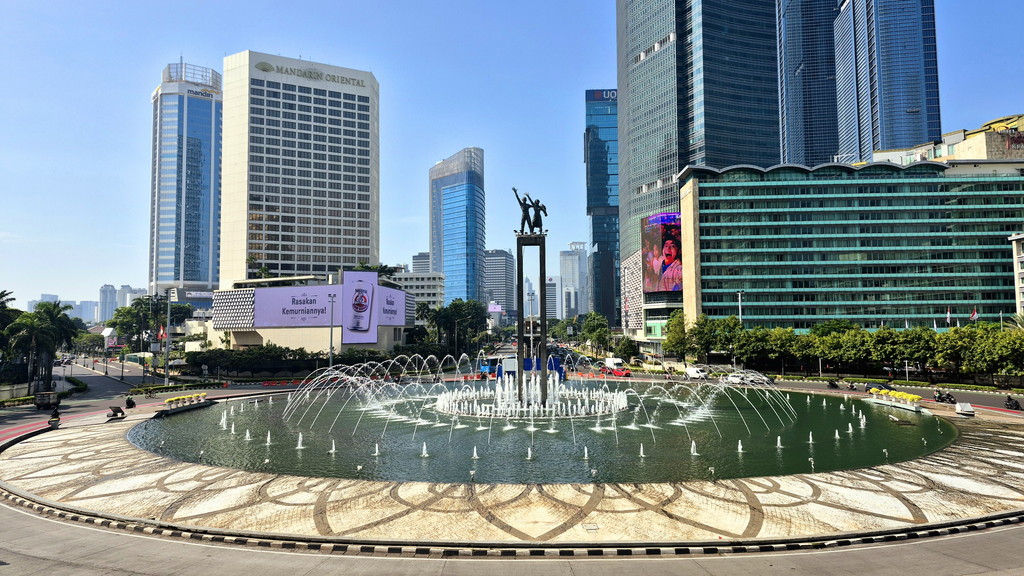
Jakarta neighborhoods are easy to explore. Since 28 Agustus 1961, when Jakarta became the Special Capital Region, the city has been divided into six areas: Central Jakarta (Jakarta Pusat), West Jakarta (Jakarta Barat), East Jakarta (Jakarta Timur), North Jakarta (Jakarta Utara), South Jakarta (Jakarta Selatan), Thousand Islands (Kepulauan Seribu) — islands to the north of Jakarta’s coast.
Aside from its big area, many people find Jakarta a lively place to live because it is convenient and well-connected. Public transportation in Jakarta has improved significantly, with connectivity now reaching 93% (Data by the Jakarta Governor, September 2026). This makes getting around the city easier. You can use TransJakarta (Busway), MRT, LRT, or the Commuter Line. Walking is also convenient, especially in the central area.
Jakarta is becoming one of Indonesia’s most populous cities. According to Jakarta Population and Civil Registration data from the first semester of 2026, 10,878,676 people lived in Jakarta.
| Area | Population Density |
| Central Jakarta | 21.504,56 population/km² |
| West Jakarta | 20.136,69 population/km² |
| East Jakarta | 17.233,31 population/km² |
| South Jakarta | 15.867,03 population/km² |
| North Jakarta | 12.253,36 population/km² |
| Thousands Island | 2.772,71 population/km² |
**Data Source: Jakarta Population and Civil Registration, August 2026
Explore Jakarta’s Neighborhoods
Jakarta neighborhoods provide diverse options for residents and visitors. The city’s well-equipped public facilities make each area accessible and enjoyable. Below is an overview of what distinguishes each neighborhood:
Central Jakarta – The Heart of Business & Culture
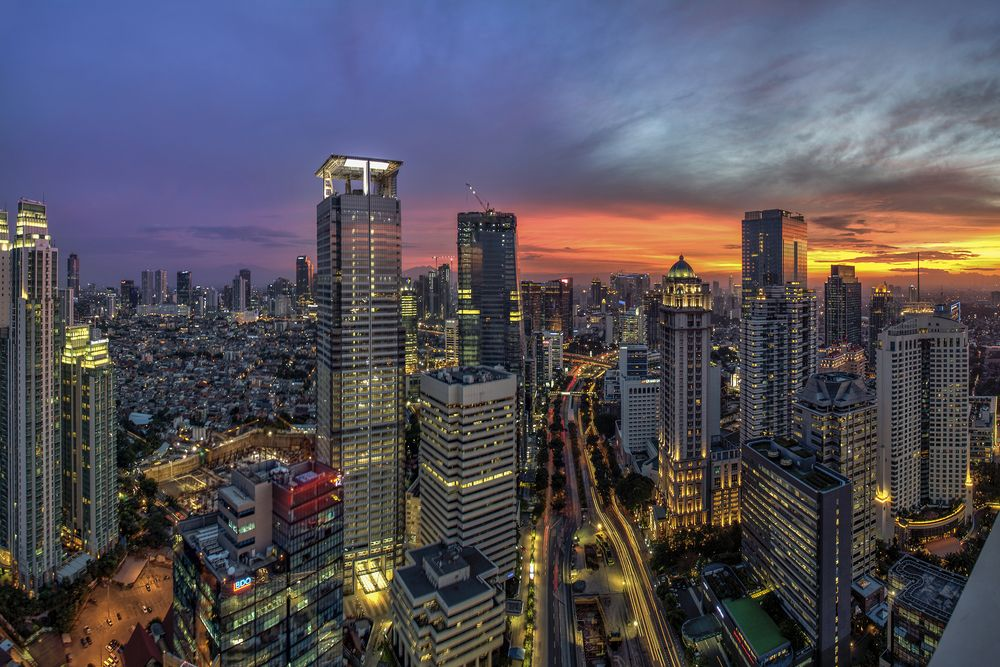
Central Jakarta has been important since the colonial era of Batavia and has long served as Indonesia’s center of government. Many institutions, companies, and facilities have grown in this area. Today, Central Jakarta still plays a key role in the city.
It is home to many office buildings, the Indonesian government center, and major landmarks such as Gelora Bung Karno Stadium. Now, it is one of Jakarta’s most expensive neighborhoods— especially for housing. The high cost of apartments and houses comes from its strategic location, quality public facilities, and its proximity to many of Jakarta’s landmarks.
The Central Jakarta neighborhood attracts many people for work, business, and entertainment. It is easy to find shopping malls, shared spaces, office buildings, and other facilities in this area. Central Jakarta has been important since the colonial era of Batavia and has long served as Indonesia’s center of government. Many institutions, companies, and facilities have grown in this area.
Central Jakarta Subdistrict
- Tanah Abang
- Gambir
- Senen
- Menteng
- Johar Baru
- Kemayoran
- Sawah Besar
- Cempaka Putih
Iconic Landmark & Place in Central Jakarta
| Category | Place |
| Landmark | Monumen Nasional Bundaran HI Masjid Istiqlal Gereja Katedral Museum Nasional Istana Merdeka Galeri Nasional Indonesia Pos Bloc Jakarta |
| Shopping Mall | Grand Indonesia Plaza Indonesia Sarinah Thamrin City Senayan City Plaza Senayan FX Sudirman Senayan Park Lippo Icon Gajah Mada Tanah Abang |
South Jakarta – The Urban Lifestyle Hub
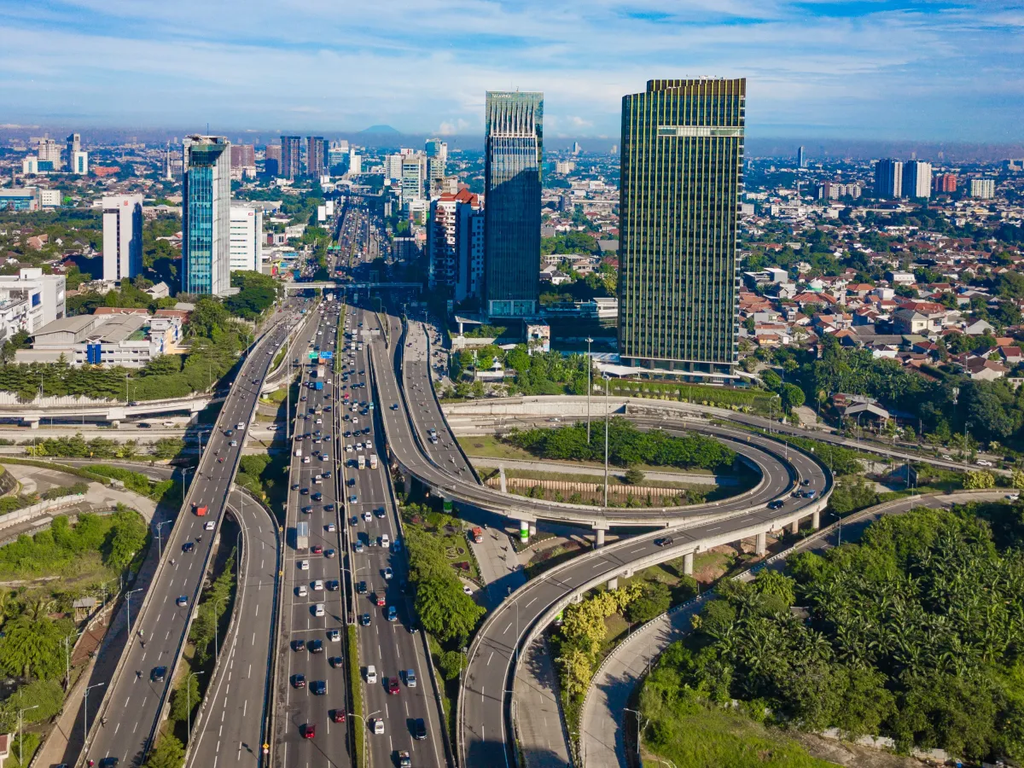
South Jakarta is known as the epicenter of city life and modern trends. Many people call it “Jaksel,” short for “Jakarta Selatan.” The youngsters who live in the South Jakarta neighborhood are often seen as trendy, urban, and reflecting a more “Western” lifestyle.
With a livelier and more playful character than other parts of Jakarta, South Jakarta is a dynamic lifestyle hub with something for everyone. Spend the evening exploring Senopati’s vibrant nightlife scene, filled with clubs and bars, or discover its many districts offering exciting places to shop, dine, and hang out. From shopping malls to all-in-one lifestyle destinations, South Jakarta invites you to experience the city at its most vibrant.
Today, the South Jakarta neighborhood is not just an economic center but also a modern shopping destination. One of its most famous spots is Blok M, which has become very popular among Jakarta’s youth. In the 1980s, Blok M was home to well-known shopping centers like Aldiron Plaza (1978), Pasaraya (1981), Melawai Plaza (1983), Plaza Blok M (1990), and Blok M Mall (1992).
Now, Blok M has gone through a major rebranding that draws many visitors. It is becoming a hub for art and modern lifestyles, with plenty of cafes, malls, and hangout spots. The area is also well connected by the MRT and Busway.
South Jakarta Subdistrict
- Cilandak
- Jagakarsa
- Kebayoran Baru
- Kebayoran Lama
- Mampang Prapatan
- Pancoran
- Pasar Minggu
- Pesanggrahan
- Setiabudi
- Tebet
| Category | Place |
| Landmark | Blok M M Bloc Space MOJA Museum Taman Literasi Martha Tiahahu |
| Shopping Mall | Pondok Indah Mall (1-3) ASHTA District 8 Lotte Shopping Avenue Kota Kasablanka Kuningan City Gandaria City Blok M Square Pacific Place One Belpark Mall Cilandak Town Square Lippo Kemang Village AEON Mall Tanjung Barat |
North Jakarta – Coastal Living & Modern Entertainment
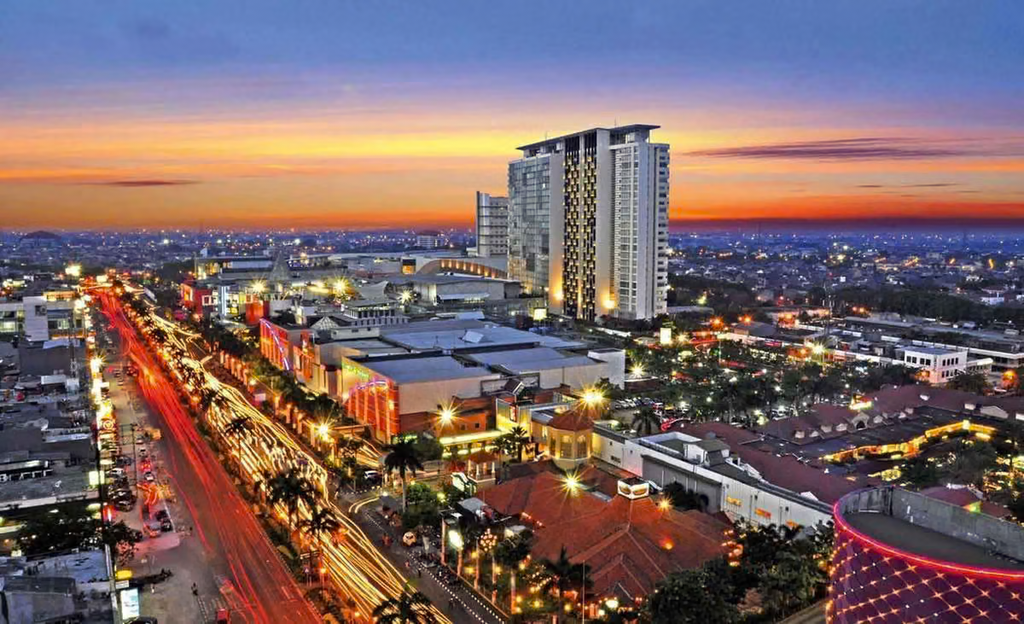
North Jakarta, located along the coast, is recognized for its industrial base and as a logistics hub. It is home to Tanjung Priok Port, Indonesia’s largest and busiest port. North Jakarta also serves as the administrative center for Jakarta Bay and the Thousand Islands.
North Jakarta is also known for landmarks such as Pantai Indah Kapuk (PIK), a privately managed planned development. PIK serves as a business district with office buildings, tourist attractions, and residential areas.
North Jakarta Subdistrict
- Cilincing
- Kelapa Gading
- Koja
- Pademangan
- Penjaringan
- Tanjung Priok
| Category | Place |
| Landmark | Chinatown PIK Dunia Fantasi & Ancol Mangrove Forest Land’s End PIK Aloha Jakarta International Stadium (JIS) |
| Shopping Mall | Baywalk Mall Pluit Grand Waterfront Sedayu City Summarecon Mall Kelapa Gading Mall of Indonesia Emporium Pluit Mall Mall Artha Gading |
West Jakarta – Heritage Meets Contemporary Lifestyle
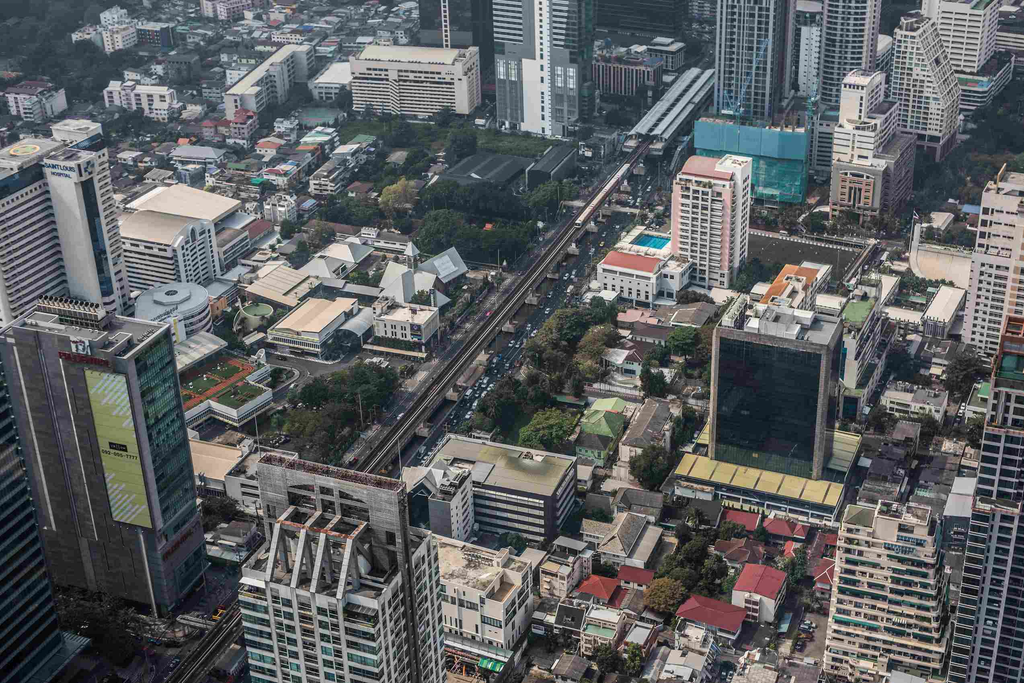
West Jakarta borders Jakarta and Tangerang, West Java. This side of the Jakarta neighborhood is known for its strong historical presence, particularly among ethnic Chinese. West Jakarta boasts several iconic and legendary spots, including Jakarta’s Old Town, Glodok Chinatown, and other suburban areas.
The area also offers a diverse range of destinations, from historical sites and art museums to culinary and cultural centers, family recreation areas, and city parks perfect for relaxing together.
West Jakarta is also home to a growing business district, with several office buildings, though on a smaller scale than Central Jakarta. From a local perspective, the area is also known for offering more affordable residential options than many other parts of the city, making it an appealing choice for those seeking a balance between urban convenience and everyday living.
West Jakarta Subdistrict
- Cengkareng
- Grogol Petamburan
- Taman Sari
- Tambora
- Kebon Jeruk
- Kalideres
- Palmerah
- Kembangan
| Category | Place |
| Landmark | Glodok Chinatown Kota Tua Jakarta Museum MACAN Jakarta Aquarium & Safari |
| Shopping Mall | Central Park (1-2) Mall Taman Anggrek Puri Indah Mall Lippo Mall Puri Season City Mall Daan Mogot |
East Jakarta – A Growing Residential Destination
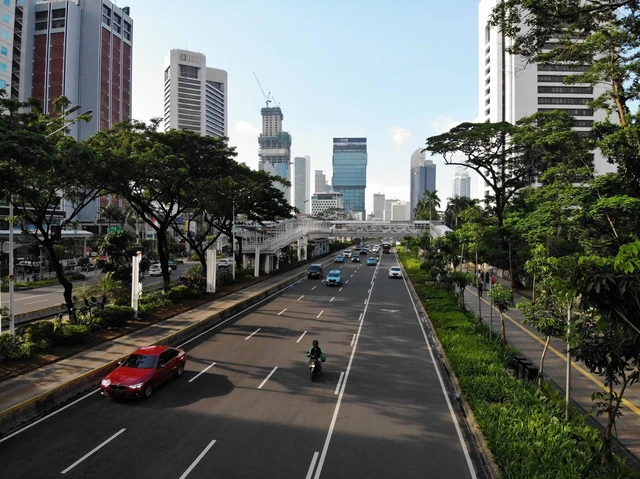
East Jakarta borders Bekasi, West Java. Many people coming from Java, especially from East Java, Central Java, and Yogyakarta, enter Jakarta through this area. It is also one of Jakarta’s largest administrative cities.
East Jakarta has many public facilities, such as Halim Perdanakusuma International Airport, the Jakarta-Cikampek Toll Road, Jatinegara Train Station, and Whoosh Train Station. If you are looking for more affordable housing, you can find both apartments and houses in this area.
East Jakarta Subdistrict
- Cakung
- Cipayung
- Ciracas
- Duren Sawit
- Jatinegara
- Kramat Jati
- Makasar
- Matraman
- Pasar Rebo
- Pulo Gadung
| Category | Place |
| Landmark | Halim Perdanakusuma International Airport Taman Mini Indonesia Indah (TMII) Jakarta International Velodrome |
| Shopping Mall | AEON MALL JGC – Jakarta Garden City Mall Cipinang Indah Lippo Plaza Kramat Jati City Plaza Jatinegara Lippo Icon Cibubur |
Thousand Islands – Jakarta’s Coastal Treasure
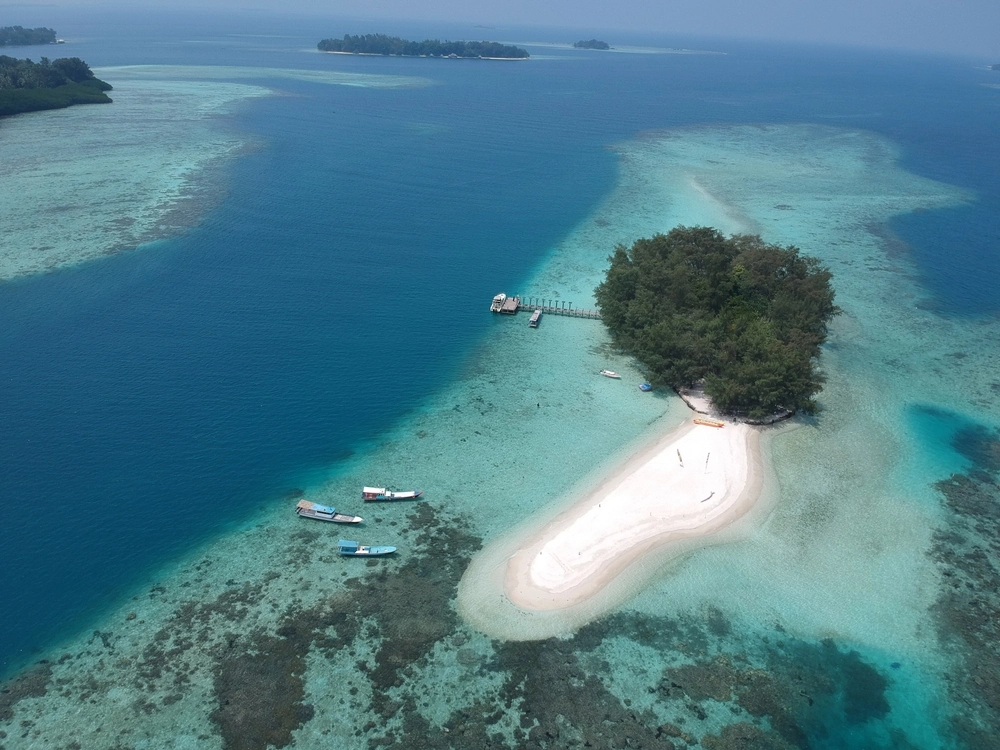
The Thousand Islands stand out for their mix of coastal ecosystems, seafaring history, and fishing village life. Their spot on the northern coast sets them apart. Visitors can enjoy tourist spots, hotels, and resorts that focus on marine tourism.
The Thousand Islands have a wide variety of plants and animals, making them one of Jakarta’s top natural tourist spots. Located on Jakarta’s northern coast, the islands attract many local and international visitors.
Thousand Island Subdistrict
- Pulau Kelapa
- Pulau Harapan
- Pulau Panggang
Navigating Jakarta’s Districts: Lifestyle, Perks & Challenges
If you’re visiting Jakarta for the first time, here’s what you need to know about the city, from what to expect in everyday life to the advantages and challenges you may encounter:
Traffic Congestion & Commuting Fatigue
Traffic congestion is a major concern affecting daily life in Jakarta. According to INRIX 2025 data, Jakarta ranks among the top 10 cities with the highest traffic delay times, with residents experiencing over 83 hours of delays annually. This persistent congestion contributes to long-term commuting fatigue.
Although Jakarta offers comprehensive connectivity, many residents continue to prefer private vehicles for daily commutes, which remains a leading cause of traffic congestion. At the same time, the number of people relying on public transport is also increasing.
Air Pollution & Heat
Air pollution in Jakarta remains a significant concern, with average PM2.5 levels and haze exceeding safe limits. According to IQAir, PM2.5 concentrations are currently four times higher than the World Health Organization’s annual guideline. To mitigate exposure, always wear a mask outdoors, use an air purifier at home, and check the air quality index daily.
Housing Affordability & Rising Costs
Purchasing property in Jakarta requires significant financial resources. Indonesia is now among the most expensive countries to live in. According to Numbeo, Indonesia’s property price-to-income ratio is 27.0, making homeownership more challenging than in Thailand, Malaysia, and Japan.
If you search for “house price in Jakarta,” you’ll see how expensive they are. Most listings are priced between 3 and 10 billion rupiah, with some in the hundreds of millions. As a result, many people choose to rent or own apartments or flats instead of purchasing landed houses.
Flooding
Flooding is common during the rainy season in Jakarta, especially in areas like Jatinegara, Angke, and Bendungan Hilir. For the latest updates, visit pantaubanjir.jakarta.go.id. The Jakarta Government is now quicker at forecasting and reducing the impact of heavy rain, but it’s still a good idea to stay alert during the rainy season.
That’s everything you need to know about Jakarta neighborhoods. Discover more about the city, from its latest events to its rich history as Batavia. Stay updated with the latest stories and insights at gatewayofjava.com.
Frequently Asked Question
What are the elite areas in Jakarta?
Jakarta’s elite neighborhoods range from leafy colonial-era areas in the city center to modern high-rise business districts in the south and planned coastal communities in the north. Some places known for their rich history and old-money prestige include Menteng, Kemang, Sudirman Central Business District (SCBD), and Pantai Indah Kapuk.