

The land of Central Java tells a never-ending story of the past, including through the seemingly simple landscape of Sangiran. Spanning parts of Sragen and Karanganyar, this rural area contains archaeological evidence and early human fossils that provide important insights into the history of human evolution.
Table of Contents
For its significance, the Sangiran Early Man Site has been recognized as a UNESCO World Heritage Site since 1996, cementing its place as one of the world’s most important paleoanthropological sites.
What Is the Sangiran Early Man Site?
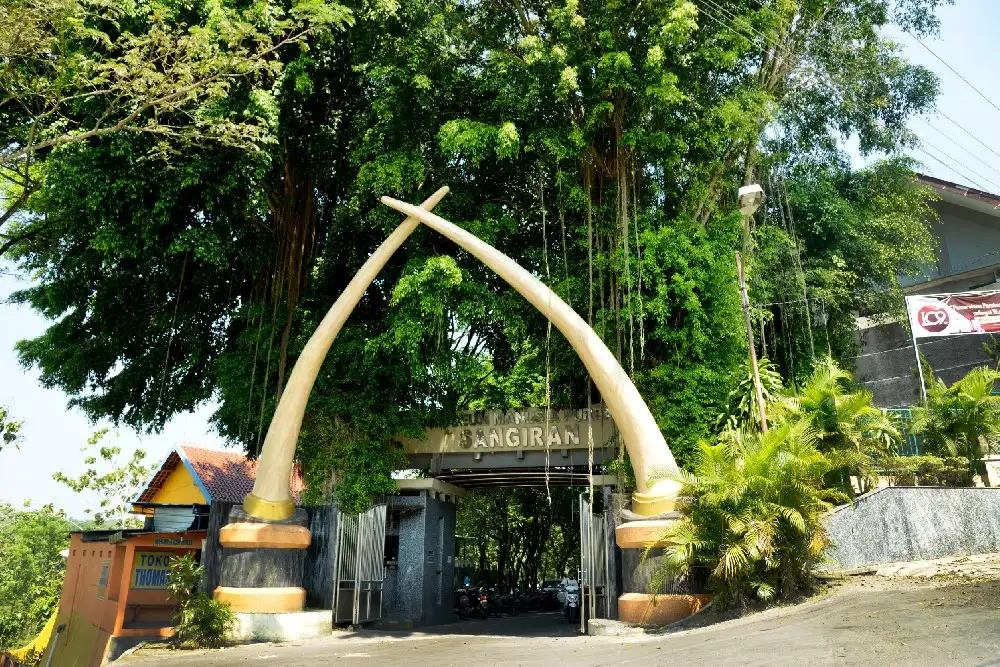
Sangiran Early Man Site is a vast archaeological and paleoanthropological area spanning parts of Sragen and Karanganyar Regencies in Central Java. Known as the Homeland of Java Man, the UNESCO property covers about 5,600 hectares and preserves a remarkable sequence of geological layers that record the evolution of humans and fauna from approximately 2.4 million to 0.4 million years ago.
Rather than being a single museum building, Sangiran is a broader research and heritage landscape supported by five museum clusters. The main Krikilan Cluster serves as the central visitor hub, while Ngebung, Bukuran, Manyarejo, and Dayu each present different aspects of Sangiran’s archaeological discoveries and research.
Why Sangiran Is One of the World’s Most Important Archaeological Sites
The significance of the Sangiran Early Man Site is impossible to overlook. Recognized as a UNESCO World Heritage Site in 1996, the area has contributed significantly to research on human evolution in Asia and worldwide.
The fossils found in Sangiran are part of a collection of more than 100 hominoid individuals discovered at this site, which plays a crucial role in providing insight into human evolution. The site has also yielded artifacts and fossils of ancient animals, all found in intact geological layers without significant disturbance. Consequently, Sangiran remains one of the world’s key archaeological sites today.
The Discovery of Sangiran
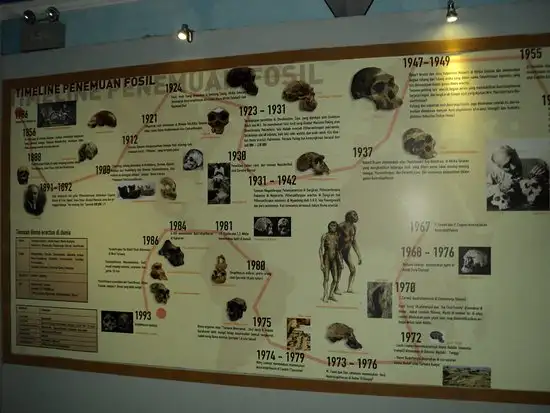
Sangiran’s discovery was far from being the work of a single researcher. While PEC Schemulling was indeed the first person to discover and report on the Sangiran Early Man Site in 1864, it was Gustav Heinrich Ralph von Koenigswald who made the area’s name more visible to researchers.
In 1934, G.H.R discovered lithic artifacts in the Ngebung area, about 2 kilometers from the Sangiran Dome, including a thousand simple tools made of chalcedony that could be used for cutting, scraping, and sharpening wooden spears. His discovery then intrigued researchers to conduct research at this site.
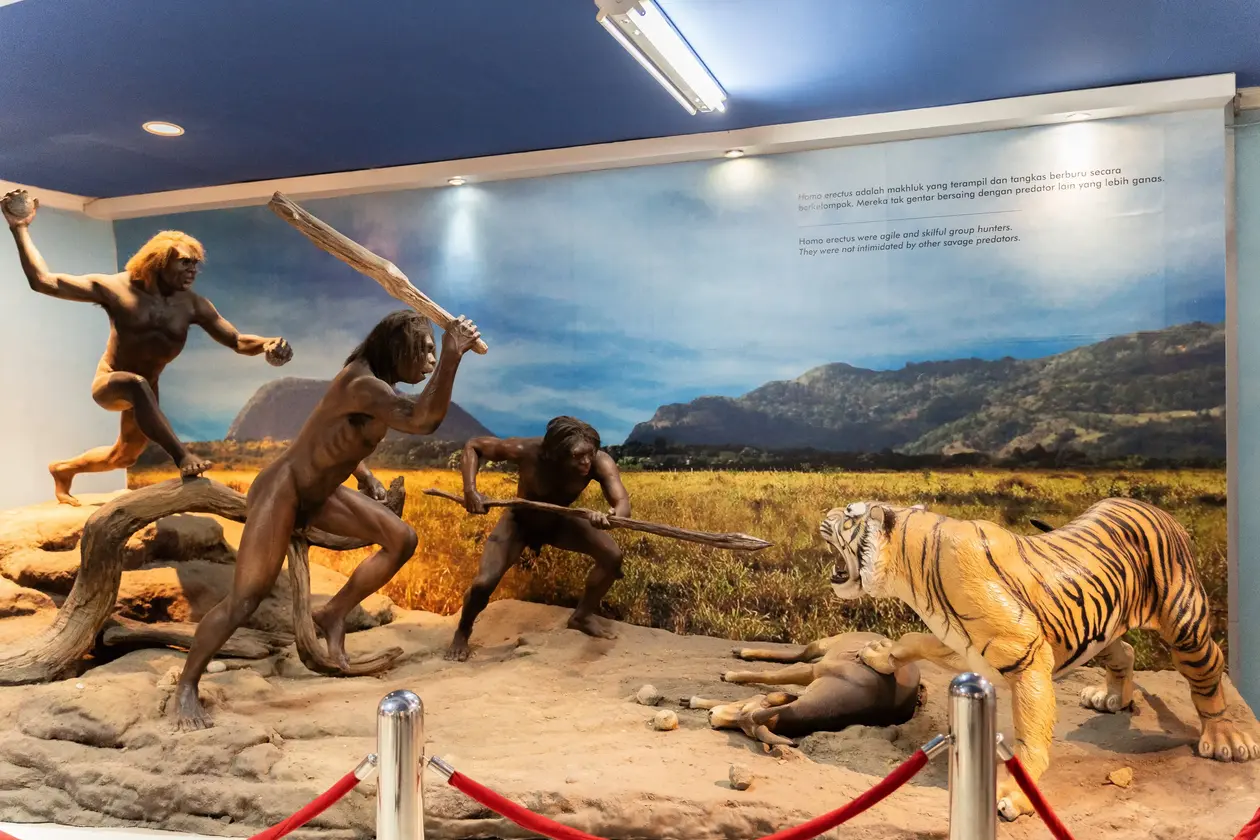
As a result, approximately 100 fossils of early humans of the Homo erectus species have been discovered at the Sangiran Site, 50% of which account for the world’s total Homo erectus fossil finds, and 60% of those found in Indonesia.
What Can You See at Sangiran?
Fossils of Early Humans
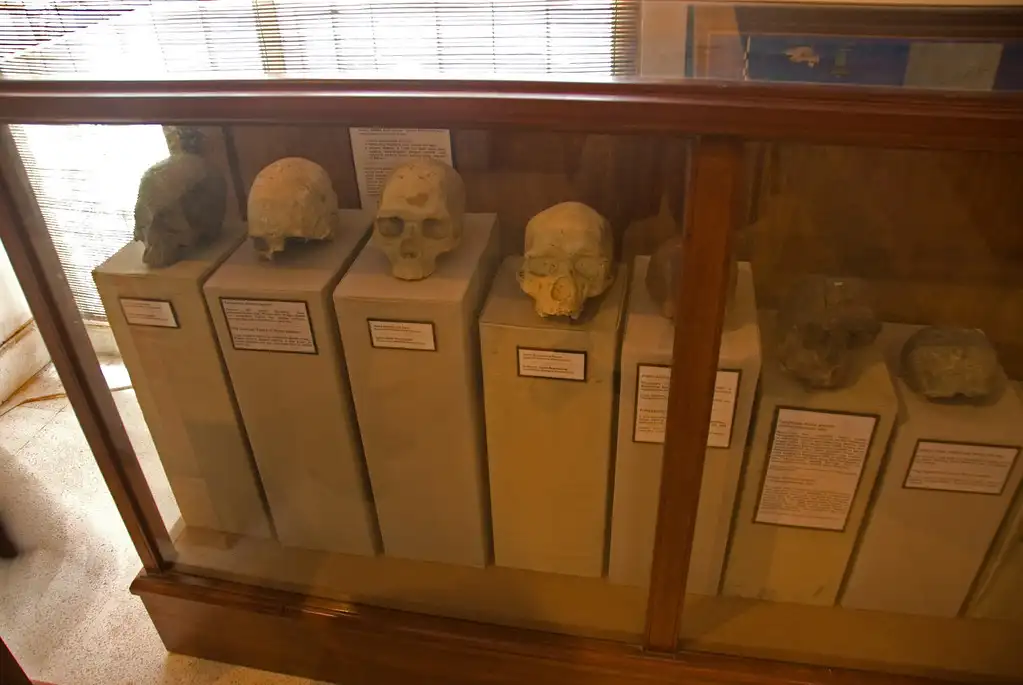
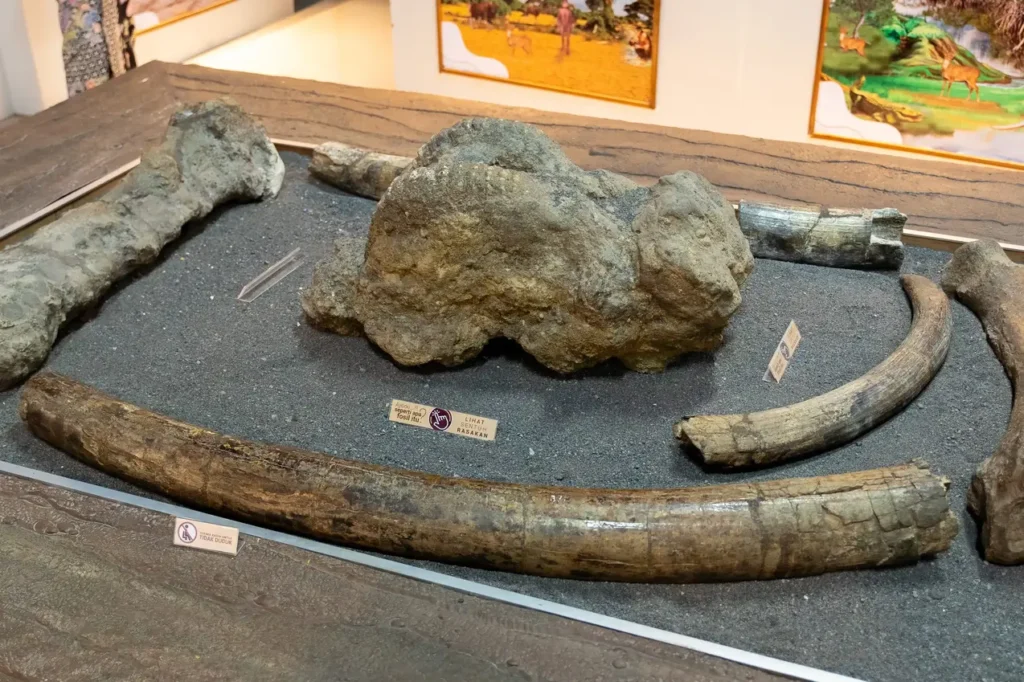
Fossils are undeniably Sangiran’s biggest attraction. The site’s geological layers preserve evidence of human and fauna evolution spanning millions of years, resulting in an extraordinary collection of prehistoric remains. Here, visitors can immerse themselves in fossils ranging from the famous Homo erectus remains to specimens associated with Meganthropus.
Museum Clusters
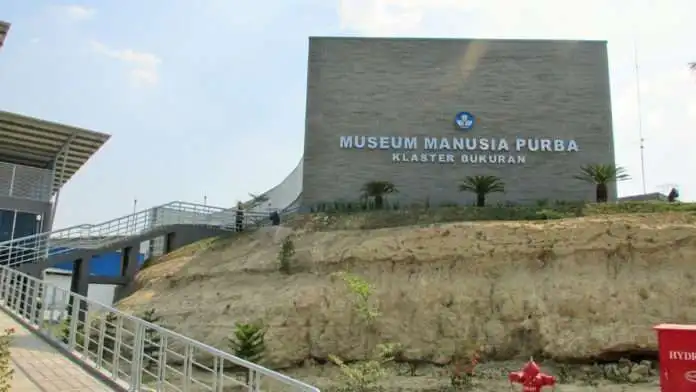
If you think a visit to Sangiran offers just a single museum experience, you’re way off. In reality, you’ll have the opportunity to discover five museum clusters: Krikilan, Ngebung, Bukuran, Dayu, and Manyarejo, each with its own focus.
Krikilan serves as the main visitor center, making it the best starting point for first-time visitors. Meanwhile, Ngebung, Bukuran, Dayu, and Manyarejo dive deeper into specific aspects of Sangiran’s archaeological discoveries, research, and fossil heritage.
Those with limited time are best off prioritizing Krikilan for a quite brief yet insightful visit.
Interactive Exhibitions
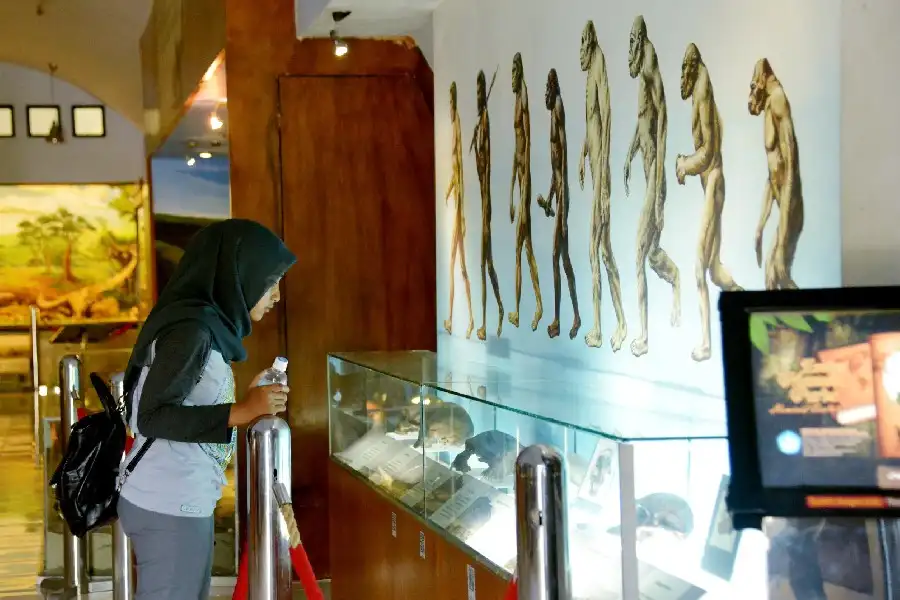
First-time visitors have little to worry about when it comes to understanding Sangiran, as its exhibitions make the subject accessible to a wide range of audiences. Exhibits combine real fossils, replicas, dioramas, multimedia displays, and educational installations to illustrate the story of human evolution and prehistoric life.
Planning Your Visit
Location and How to Get There
The main Sangiran museum, Krikilan Cluster, is located at Jl. Museum Sangiran No.4, Kebayanan II, Krikilan, Kalijambe, Sragen, Central Java. The wider Sangiran area spans two regencies, with three major clusters in Sragen and the Dayu Cluster in Karanganyar.
From Solo, Sragen, and Karanganyar, the main museum can generally be reached in around 40 minutes to one hour by car, depending on traffic.
Entrance Fee and Opening Hours
Opening hours for all clusters generally operate from 8 AM to 4 PM and are closed on Mondays. Here are the updated entrance fees for the Sangiran Museum area:
| Categories | Price |
| Krikilan, Ngebung, and Bukuran Museum Clusters | IDR15,000 for domestic visitorsIDR30,000 for foreign visitors |
| Manyarejo | IDR5,000 for domestic visitorsIDR20,000 for foreign visitors |
| Dayu | IDR5,000 |
Visitor Tips
Sangiran is a suitable destination for almost all types of visitors, whether families, students, or international travelers. For a more comfortable experience, it’s best to arrive in the morning, when the weather is generally more pleasant for exploring the museums and surrounding outdoor areas. Comfortable footwear is also recommended, especially if you plan to visit more than one cluster.
Sangiran can also be combined with other heritage destinations around Central Java. Travelers based in Solo can consider pairing the visit with Sukuh Temple or Cetho Temple, creating an itinerary that moves seamlessly from prehistoric Java to the Hindu-Javanese heritage of the late Majapahit period.
Frequently Asked Questions
Is Sangiran Recognized as a UNESCO World Heritage Site?
Yes, Sangiran Early Man Site was inscribed on the UNESCO World Heritage List in 1996 under cultural criteria (iii) and (vi).
What Early Human Fossils Were Discovered at Sangiran?
Sangiran is particularly famous for its numerous Homo erectus fossils, with UNESCO documenting more than 100 individuals from the site. Discoveries have also included remains classified as Meganthropus palaeo.
Are the Fossils Displayed in the Museum Real?
Yes, Sangiran museums display real fossil specimens alongside replicas and reconstructions. The collections represent materials recovered through scientific research at the Sangiran site, while replicas and interactive displays are also used to help explain human evolution and prehistoric life.
Sangiran offers a rare chance to look far beyond Java’s temples and colonial heritage into a much older chapter of the island’s story. Its fossils, geological layers, and continuing research make the site feel like a living historical record of human evolution.
After exploring Java’s prehistoric past, let’s now discover the unique architecture of Sukuh Temple and Cetho Temple, two remarkable sites that reveal another chapter of Central Java’s cultural and spiritual history.