

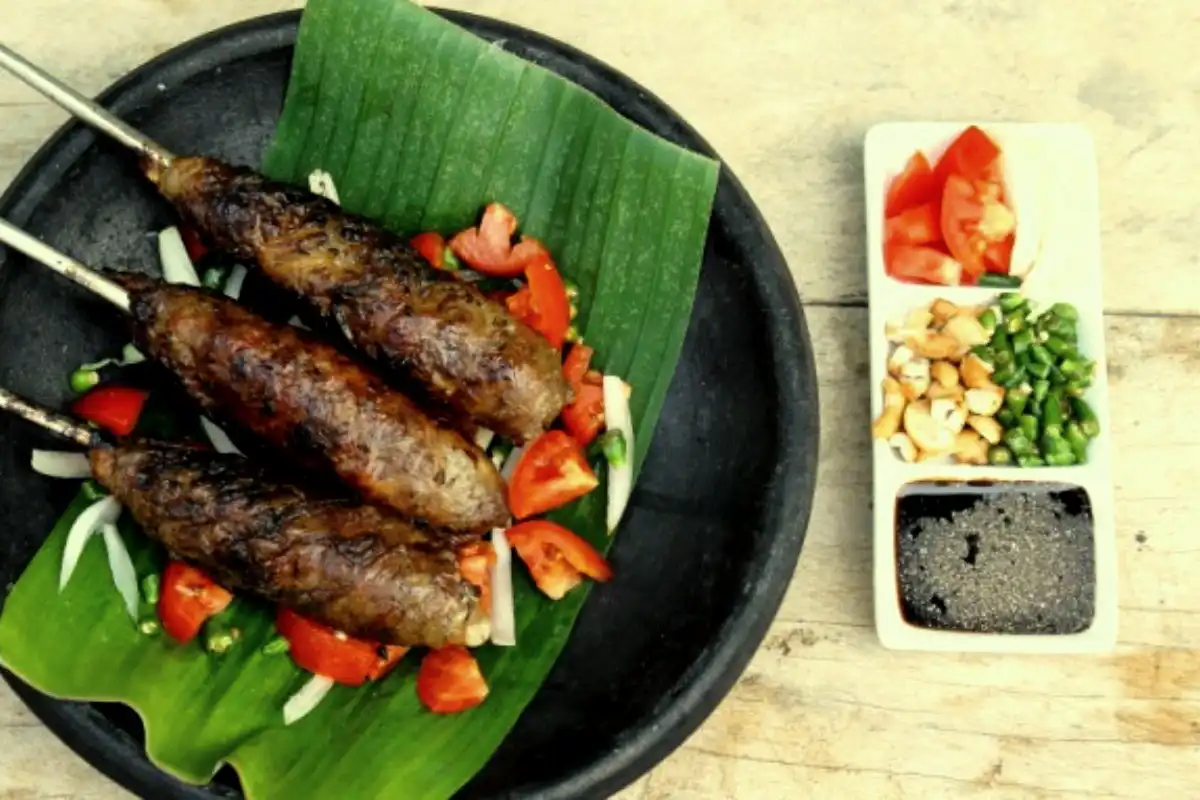
Solo’s culinary scene thrives on a handful of goat-based specialties. Alongside Tengkleng, another beloved creation is the juicy Sate Buntel Solo. As a satay dish, this traditional food comes in a slightly different form from typical satay, with its meat shaped into a rounded bundle of flavorful minced goat meat.
Table of Contents
Yet, it still delivers the smoky character that foodies might expect from satay. If you wish to taste one, Solo has several beloved hotspots serving this local specialty.
What Is Sate Buntel?
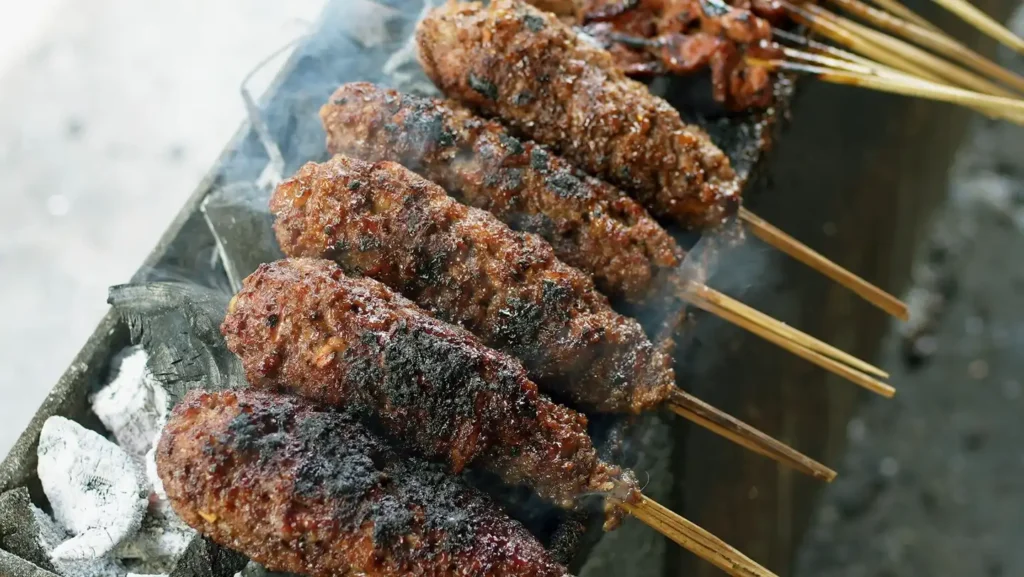
Sate Buntel is a traditional satay from Surakarta, Central Java. It is primarily made from minced goat meat, which is seasoned, shaped around a skewer into a compact bundle, and wrapped in a thin layer of goat fat before being grilled over hot charcoal. The result is a softer and denser texture compared to regular goat satay.
The name “buntel” derives from the Javanese word for wrap or wrapped, referring to how the meat is enclosed in fat during preparation. As the satay cooks, the fat melts into the minced meat, helping keep it moist while creating its characteristic rich and smoky flavor.
The Story Behind Sate Buntel
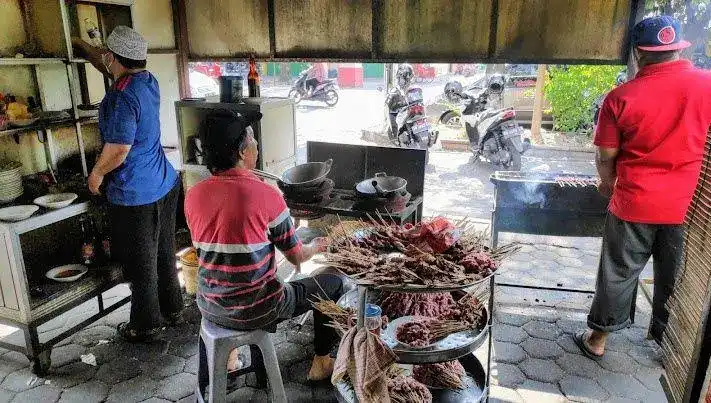
The origin story of Sate Buntel varies from one source to another. Some sources suggest that the dish was influenced by Middle Eastern and Indian vendors who came to Central Java, while others attribute its creation to a Chinese-Indonesian figure named Lim Hwa Yeou, who was believed to have minced goat meat and wrapped it in fat to make the satay juicier back in 1948.
Whichever its precise origins, the technique has endured and become a distinctive part of Solo’s culinary heritage. Sate Buntel is also connected to the city’s broader goat-based food tradition, alongside other local favorites such as Tengkleng and Sate Kambing.
What Makes Sate Buntel Unique?
Ingredients and Preparation
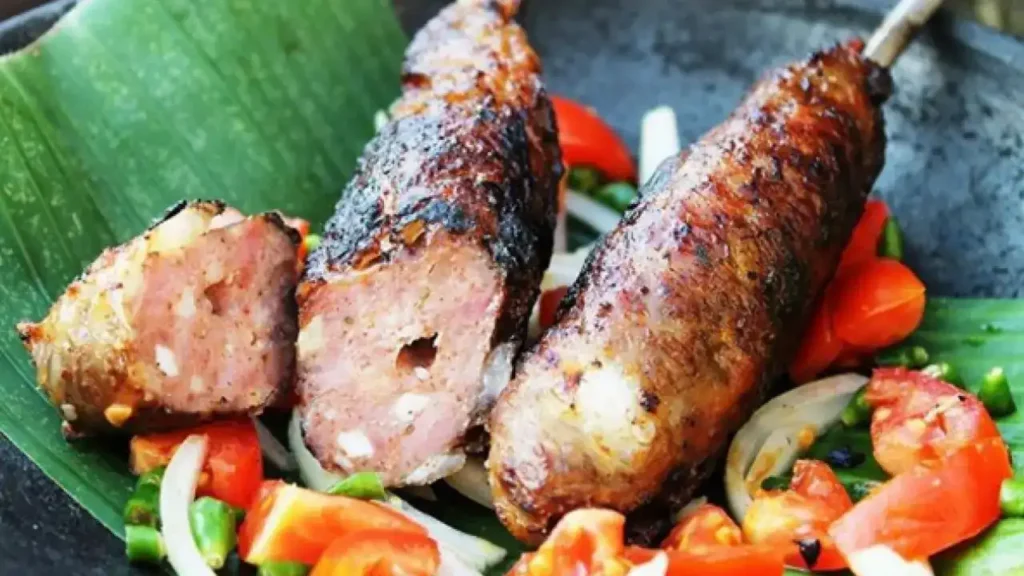
The main ingredient of Sate Buntel Solo is minced goat meat, usually combined with a small amount of fat. The mixture is then seasoned with aromatic spices and shaped in a bundle around a skewer before being covered with a thin layer of goat fat.
Once prepared, the sate is grilled over charcoal to let the fat gradually melt while the exterior develops a lightly charred surface.
Flavor and Texture
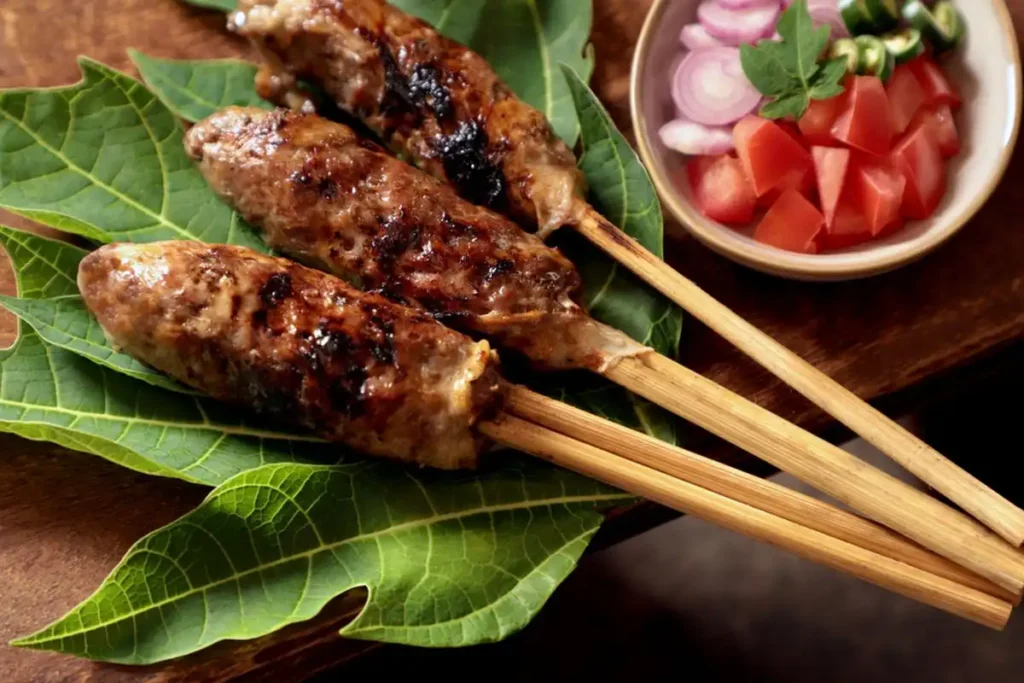
Sate Buntel Solo is savory, juicy, smoky, and rich, with the melting fat adding depth to every bite. The charcoal creates a lightly charred aroma, while the minced meat gives the sate a much softer texture than typical goat satay.
For those trying the dish for the first time, the most noticeable difference is likely the texture. Rather than encountering firm cubes of grilled meat, expect a tender, almost meatball-like bite with a richer finish from the fat.
Difference between Sate Buntel & Sate Lilit
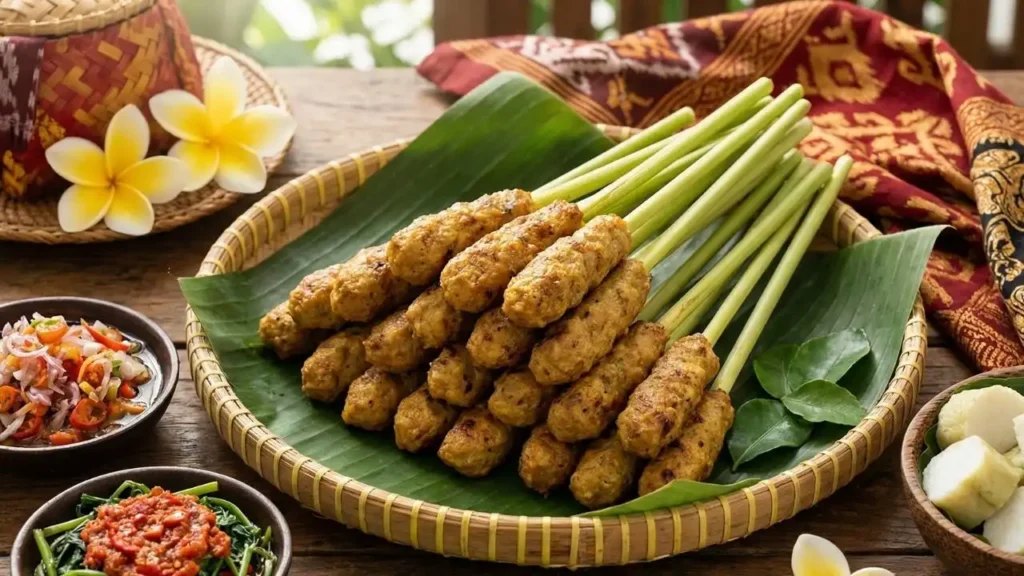
At first glance, Sate Buntel and Sate Lilit may look similar enough to be mistaken for the same dish. In fact, the two come from different culinary traditions and use distinct ingredients and preparation methods.
Sate Buntel originated in Surakarta and uses minced goat meat as its main ingredient. Meanwhile, Sate Lilit comes from Bali and can be made with minced fish, chicken, pork, or other meats. Their preparation also differs: Sate Buntel is shaped around a skewer and wrapped in fat, while Sate Lilit is pressed or wrapped directly around a bamboo or lemongrass skewer.
The result is two distinctly different satay experiences. Sate Buntel is juicy, savory, rich, and smoky, while Sate Lilit tends to be tender, aromatic, and more herbaceous thanks to its distinctive spice mixture.
Where to Eat the Best Sate Buntel in Solo
Sate Kambing & Tengkleng Rica-Rica Pak Manto
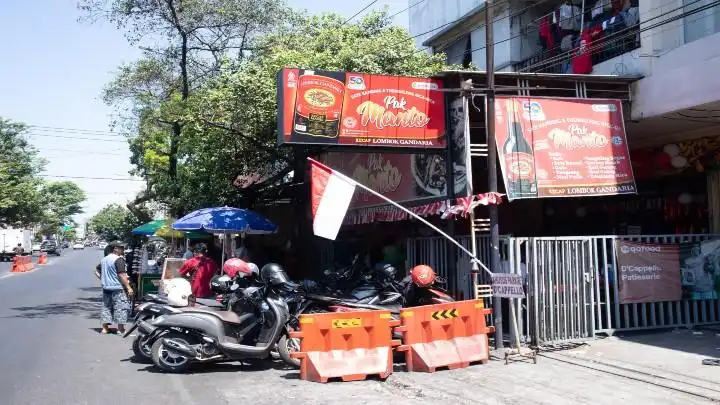
Serving some of Surakarta’s beloved goat dishes, Sate Kambing & Tengkleng Rica-Rica Pak Manto is a no-brainer for trying Sate Buntel. Priced at around IDR 70,000, its Sate Buntel leans toward a sweeter profile thanks to its generous use of sweet soy sauce.
The sizable portion can be enjoyed by two people, especially when paired with another favorite such as Tengkleng Rica-Rica. With plenty of seating available, the restaurant also makes a convenient stop for families and larger groups of friends.
- Operating Hours: 7.30 AM – 8 PM
- Address: Jl. Honggowongso No.36, Sriwedari, Kec. Laweyan, Kota Surakarta, Jawa Tengah 57141
Sate Kambing Bu Haji Bejo
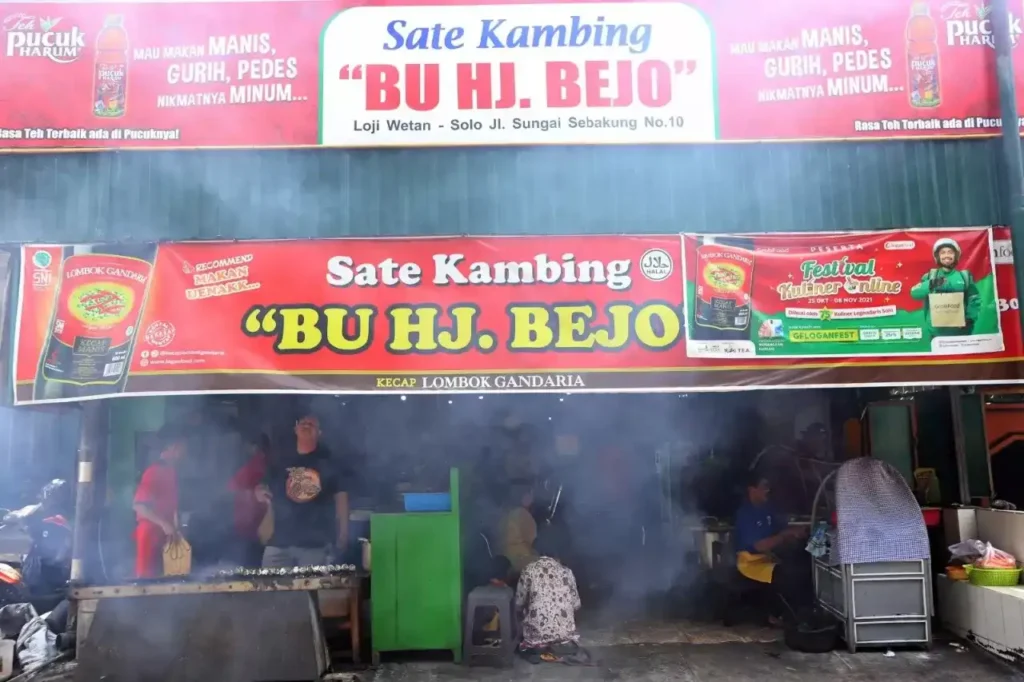
If you’re done hunting for batik at Pasar Klewer, take a five-minute drive to Sate Kambing Bu Haji Bejo and wrap your day seamlessly. Sate Buntel here costs around IDR 70,000 for two skewers, known for its smoky aroma and juicy, substantial meat. Diners can enjoy their meal in a homey setting that adds to the distinctly local Solo experience.
- Operating Hours: 8 AM – 9 PM
- Address: Jl. Sungai Sebakung No.10, Kedung Lumbu, Kec. Ps. Kliwon, Kota Surakarta, Jawa Tengah 57199
Sate Kambing Mbok Galak
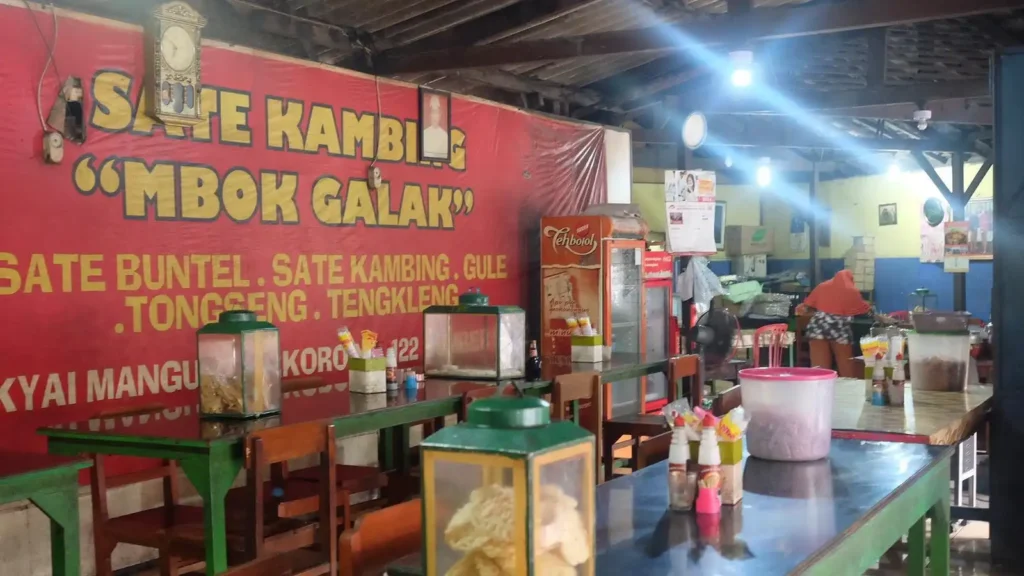
Set in a humble, semi-outdoor space, Sate Kambing Mbok Galak has long been a favored destination among well-known figures. Its reputation is complemented by its juicy Sate Buntel, priced at around IDR 65,000 per portion. The generously sized sate comes with shredded white cabbage, red onion, and tomato, adding a fresh and crunchy contrast to the rich meat.
- Operating Hours: 9 AM – 5 PM
- Address: Jl. Ki Mangun Sarkoro No.112 Sumber Banjarsari, Banyuanyar, Sumber, Kota Surakarta, Jawa Tengah 57137
Sate Kambing-Buntel Pak Kasdi
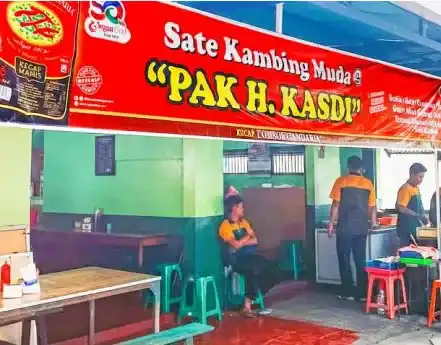
The name itself makes no secret of what Sate Kambing-Buntel Pak Kasdi specializes in. Priced at around IDR 35,000 for two skewers, its Sate Buntel offers a more affordable way to enjoy the iconic fat-wrapped goat satay. The meat is juicy and smoky, with a well-balanced blend of spices. Dining in also gives visitors a chance to experience the restaurant’s welcoming, nostalgic atmosphere.
- Operating Hours: 7 AM – 9 PM
- Address: Jl. Walter Monginsidi No.107, Kestalan, Kec. Banjarsari, Kota Surakarta, Jawa Tengah 57133
Frequently Asked Questions
What Meat Is Used for Sate Buntel?
Sate Buntel is traditionally made with minced goat meat, often combined with a small amount of goat fat. The meat is seasoned, shaped in a bundle around a skewer, and wrapped in a thin layer of fat before being grilled over charcoal.
What Does Sate Buntel Taste Like?
Sate Buntel has a savory, juicy, and smoky flavor with a rich aroma from the melting goat fat. Its minced meat is softer and more tender than the chunks typically used for regular sate kambing.
Is Sate Buntel Halal?
Yes, Sate Buntel is generally halal, as the traditional version uses goat meat and halal seasonings.
Is Sate Buntel Very Fatty?
Sate Buntel can be richer and fattier than regular goat satay because the minced meat is wrapped in a layer of goat fat before grilling. However, some of the fat melts away during cooking, while the remaining fat helps keep the meat juicy and tender.
How Much Does a Sate Buntel Usually Cost?
The price of Sate Buntel in Solo varies by restaurant and portion size, but it generally costs around IDR 35,000–70,000 at the eateries mentioned above. While the price can be higher than regular satay, the generous size of each skewer makes it a filling local specialty to try.
Savoring Sate Buntel can make any of the best things to do in Surakarta even more rewarding. More than just a smoky and juicy satay, this dish is a culinary legacy that reflects Solo’s long-standing goat-meat tradition.
If you hope to continue exploring the city’s goat-based delights, Tengkleng Solo is another local specialty worth getting familiar with.