

No trip to Yogyakarta feels complete without exploring its rich heritage, and the city’s ancient temples are among the best places to experience it. While the sheer number of historical places in Yogyakarta may leave first-time visitors wondering which ones are truly worth their time, there’s plenty to choose from.
Table of Contents
From UNESCO-listed Prambanan to the quieter Plaosan Temple, here are the best temples in Jogja to visit for a deeper glimpse into Java’s ancient past.
Why Yogyakarta Is the Best Place to Explore Ancient Temples
Exploring the best temples in Jogja becomes even more meaningful once you understand the region’s past. Yogyakarta sits at the heart of one of Java’s most historically significant cultural landscapes.
The region and its surroundings were once closely connected to the Mataram Kingdom, which flourished in Central Java between the 8th and 10th centuries. During this period, Hindu and Buddhist traditions developed side by side, leaving behind numerous temples and archaeological sites.
Today, each of these ancient temples stands as a fascinating destination to explore, offering visitors a distinct experience shaped by its architecture, history, and surrounding landscape.
Best Temples in Jogja
Prambanan Temple
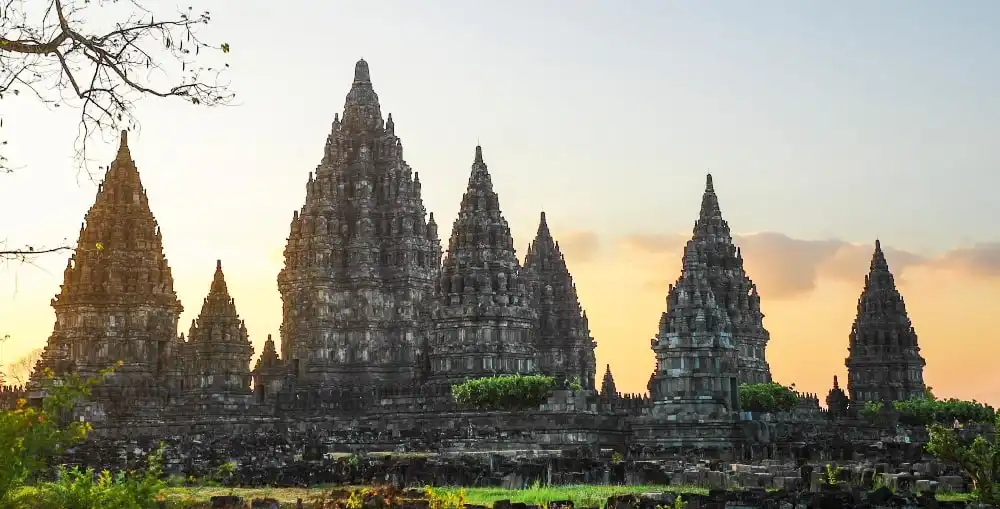
Prambanan Temple is widely considered one of the most famous and remarkable temples in Jogja. A UNESCO World Heritage Site, this Hindu temple was built around the 9th century and features three towering shrines dedicated to the Hindu Trimurti: Shiva, Vishnu, and Brahma.
Its walls are adorned with intricate reliefs depicting scenes from the Ramayana. With its impressive scale and convenient access, Prambanan makes an ideal choice for first-time visitors exploring Jogja’s ancient heritage.
Borobudur Temple
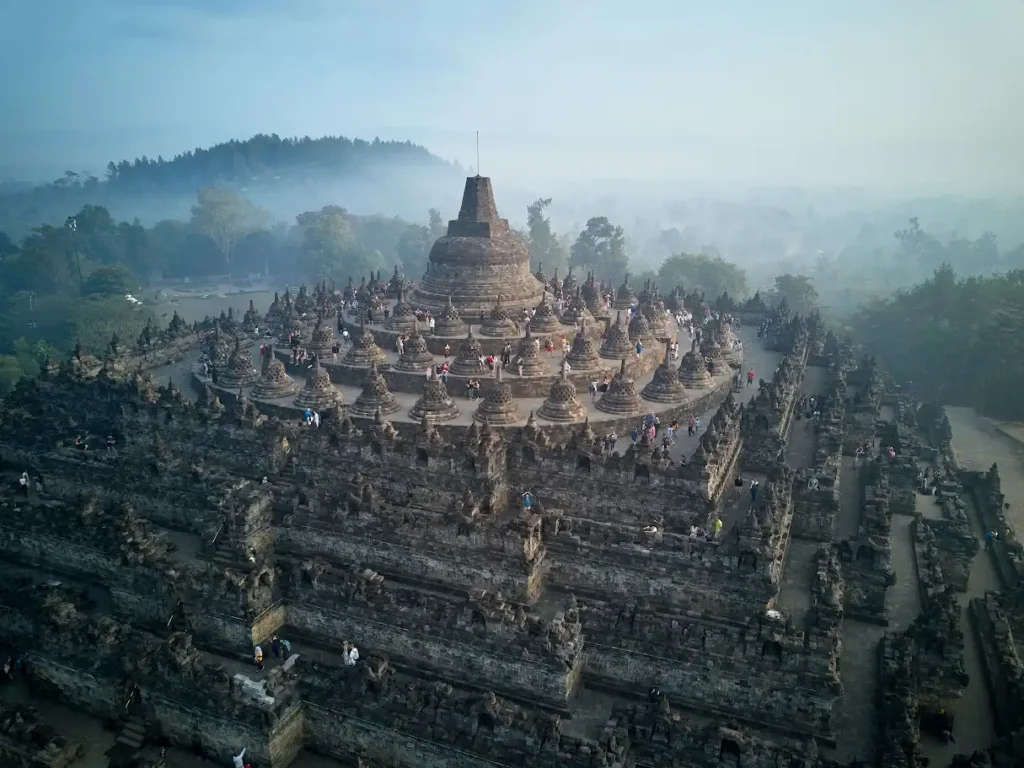
Although technically located in Magelang, Borobudur Temple remains an essential addition to any Yogyakarta temple itinerary. It’s widely recognized as the world’s largest Buddhist temple and can easily be visited as a day trip from Yogyakarta. Whether you’re visiting simply to appreciate its intricate reliefs and stupas or joining a sunrise trip, Borobudur Temple makes for a truly immersive cultural experience.
Plaosan Temple
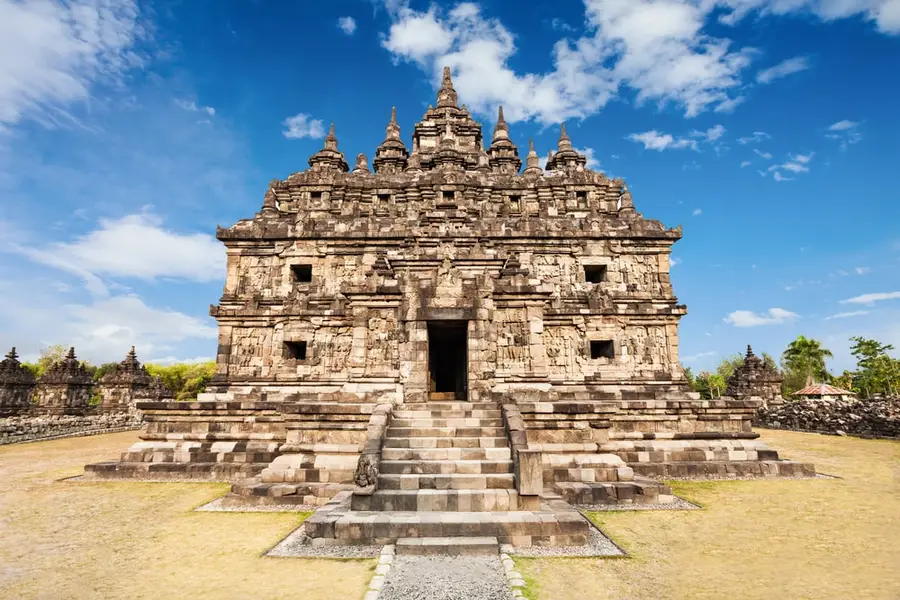
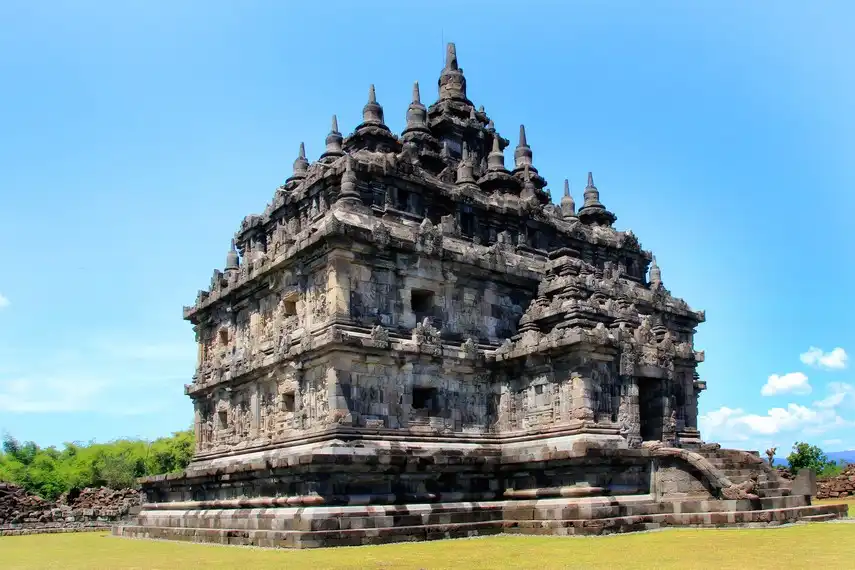
Not far from Prambanan, visitors are invited to discover the well-known twin temples of Plaosan. This Buddhist temple complex is known for its symmetrical layout, elegant structures, and detailed stone carvings, all set against a peaceful atmosphere. The complex is generally divided into Plaosan Lor and Plaosan Kidul, with its distinctive architecture and surrounding scenery making it a popular spot for photography and cultural exploration.
Ratu Boko
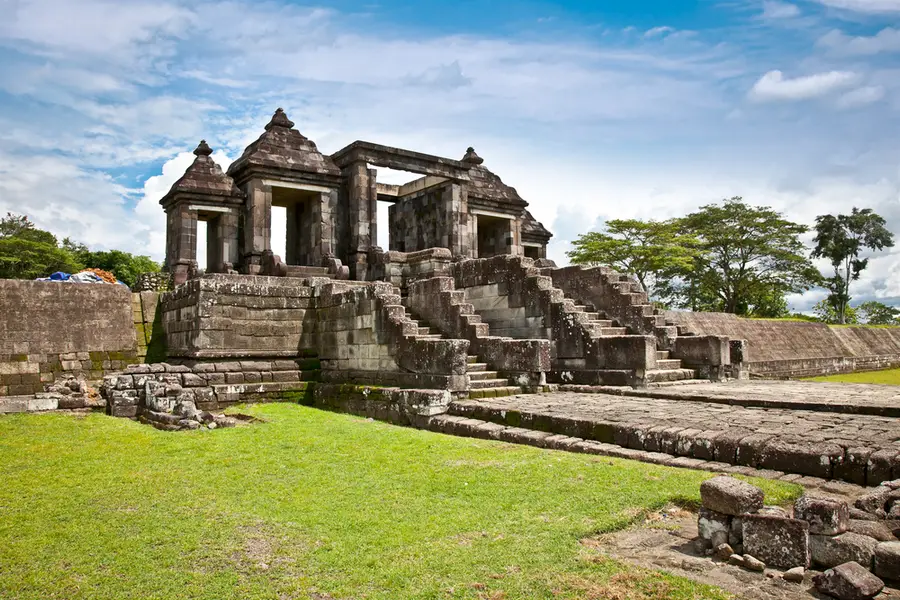
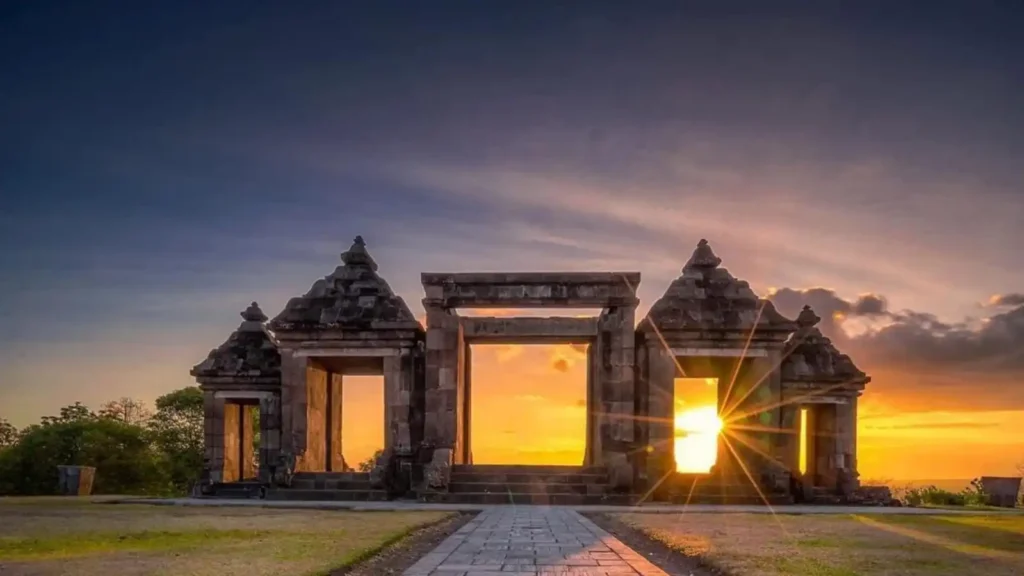
Ratu Boko is a famous sunset spot, best combined with Prambanan on a day trip. Although it is often referred to as a temple, Ratu Boko is actually an archaeological site believed to have once served as a royal complex. Still, this distinction doesn’t make it any less breathtaking to discover, especially as its elevated setting offers sweeping views across the surrounding landscape
Ijo Temple
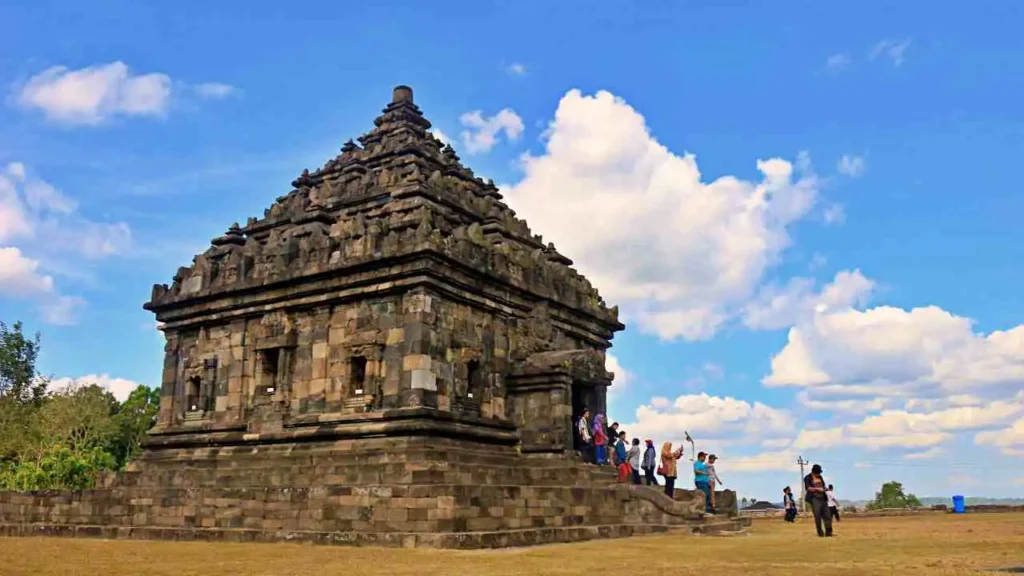
Perched on the hills of Sleman, Ijo Temple is one of the highest temples in Yogyakarta. Its elevated location is part of its appeal, offering panoramic views across the surrounding countryside and a refreshing atmosphere away from the city. Those seeking a less crowded temple experience with a view will certainly find Ijo Temple a true hidden gem.
Sewu Temple
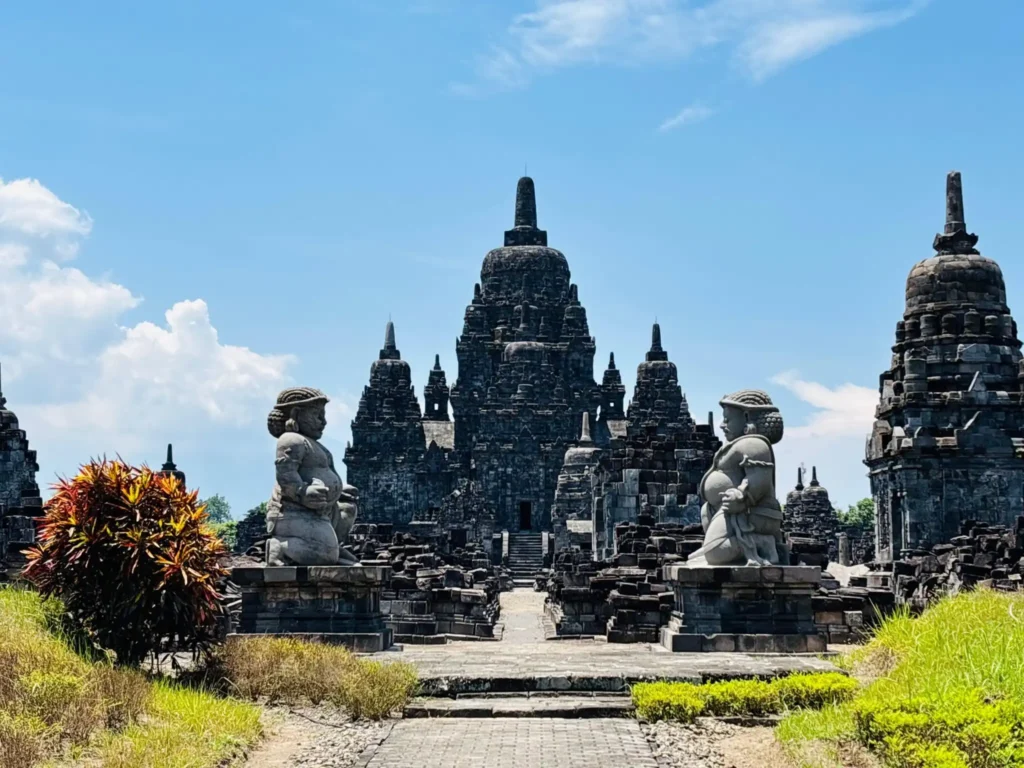
Located within the Prambanan Temple complex, Sewu Temple is one of Java’s largest Buddhist monuments. Despite its name, which means “a thousand” in Javanese, the complex contains around 240 temples. The central temple is surrounded by smaller shrines arranged in a symmetrical layout, creating an impressive architectural composition that reflects the scale and sophistication of ancient Javanese temple building.
Sambisari Temple
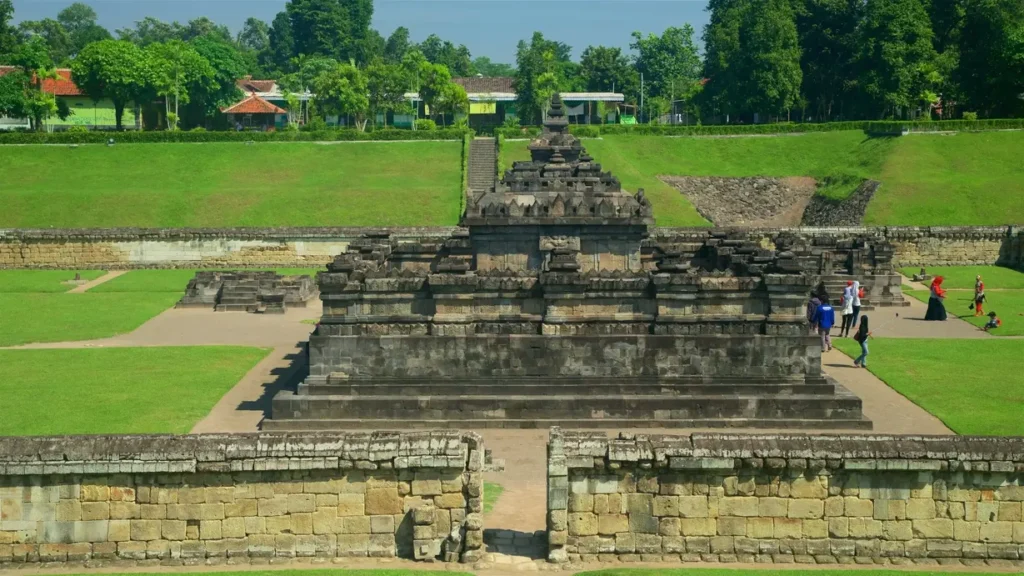
While many other temples feature towering structures rising above the ground, Sambisari Temple sits several meters below ground level. The Hindu temple was buried under layers of volcanic material and rediscovered in 1966 before being excavated and restored. This unusual setting gives visitors a distinctly different experience, with the sunken complex and serene surroundings creating a fascinating atmosphere for exploring Jogja’s ancient heritage.
Kalasan Temple
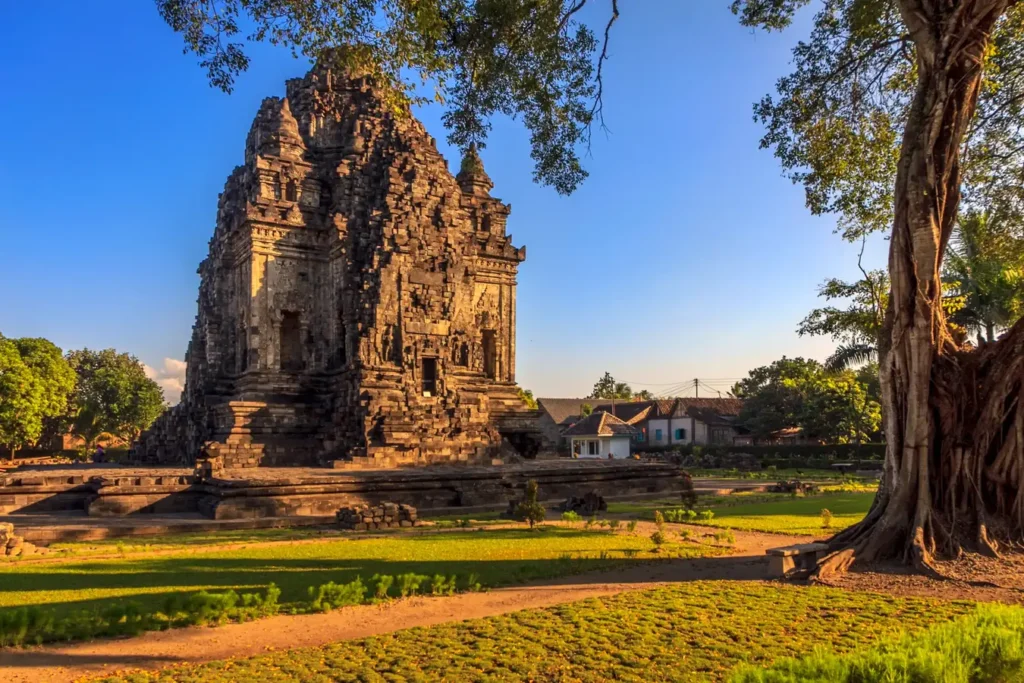
Before savoring the famous Ayam Goreng Kalasan, few things are more fitting than discovering Kalasan Temple itself. Built in the 8th century, Kalasan is one of the oldest Buddhist temples in Yogyakarta, known for its intricate stonework and ornamental reliefs. The temple is closely associated with the Sailendra Dynasty, inviting visitors to take glimpses into the cultural, historical, and spiritual significance of the era.
Frequently Asked Questions
What Is the Most Famous Temple in Jogja?
Prambanan Temple is arguably the most famous temple in Yogyakarta. Its towering Hindu architecture, UNESCO World Heritage status, and proximity to the city make it one of the region’s most famous heritage attractions.
Which Temples Are UNESCO World Heritage Sites?
Prambanan Temple is part of the UNESCO-listed Prambanan Temple Compounds, while Borobudur Temple is separately recognized as a UNESCO World Heritage Site.
Are All Temples Located Inside Yogyakarta City?
No, many of the most famous temples associated with a Jogja itinerary are located outside Yogyakarta City or even outside the Special Region of Yogyakarta. For example, Borobudur is situated in Magelang, Central Java.
Which Temple Is Best for Sunset?
Ratu Boko and Ijo Temple are among the best choices for sunset due to their elevated locations and expansive views over the surrounding landscape.
Can You Visit Multiple Temples in One Day?
Yes, several of the best temples in Jogja are close enough to combine in a single itinerary. A popular route is Prambanan to Sewu and Plaosan.
The best temples in Jogja reveal a side of Java that extends far beyond monumental architecture. Each of these ancient structures tells a different story of the kingdoms, beliefs, and craftsmanship that shaped the region. For a deeper look into two of the most iconic landmarks, let’s discover more about Prambanan Temple and Borobudur Temple.